



Watering (summer)
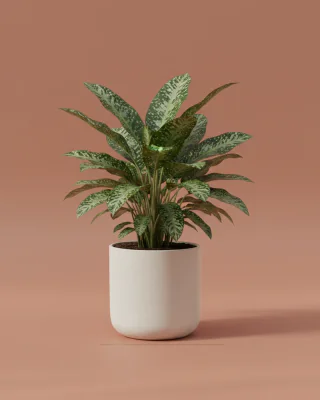 Cast-iron plantAspidistra elatiorevery 14 to 22 daysPet-safe
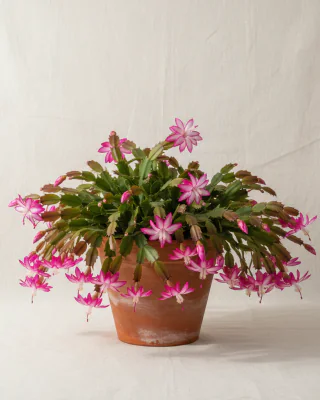 Christmas cactusSchlumbergera spp.every 8 to 12 daysPet-safe
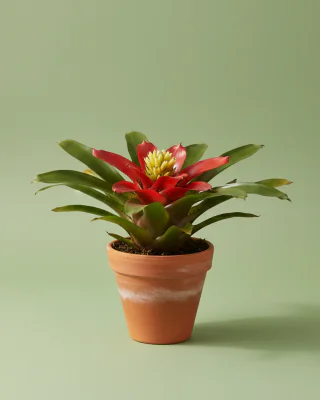 Scarlet star bromeliadGuzmania lingulataevery 8 to 12 daysPet-safe
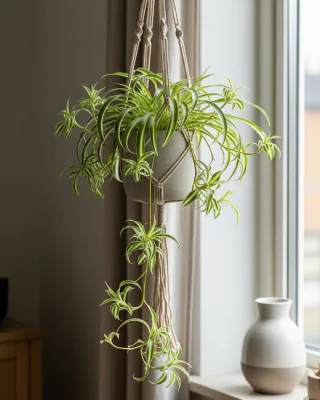 Spider plantChlorophytum comosumevery 6 to 8 daysPet-safe
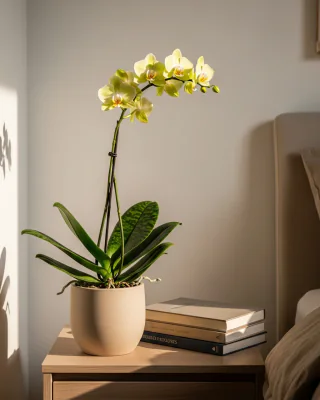 Moth orchidPhalaenopsis spp.every 6 to 8 daysPet-safe
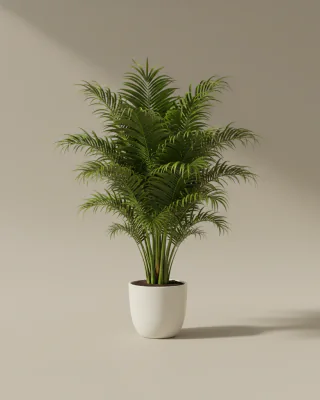 Kentia palmHowea forsterianaevery 6 to 8 daysPet-safe
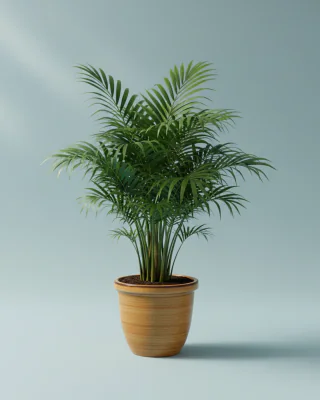 Parlor palmChamaedorea elegansevery 6 to 8 daysPet-safe
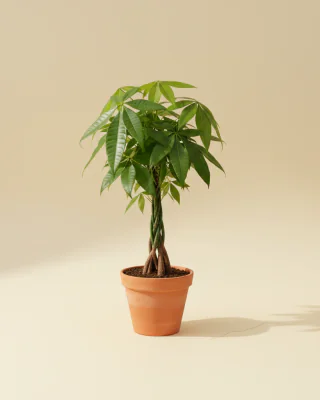 Money treePachira aquaticaevery 6 to 8 daysPet-safe
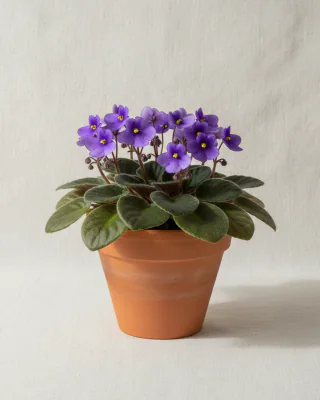 African violetSaintpaulia ionanthaevery 6 to 8 daysPet-safe
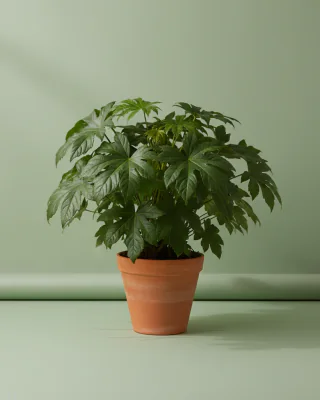 Japanese araliaFatsia japonicaevery 6 to 8 daysPet-safe
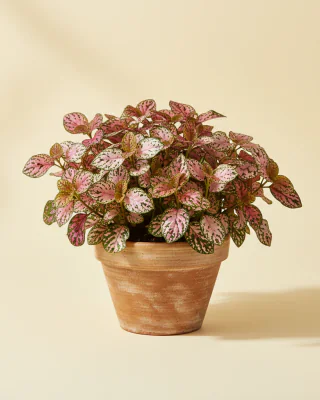 Polka dot plantHypoestes phyllostachyaevery 6 to 8 daysPet-safe
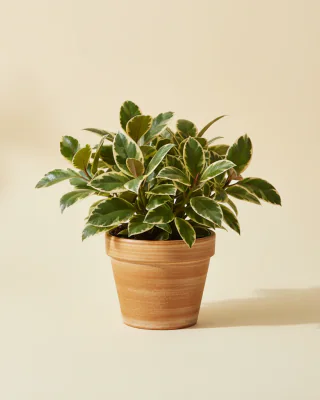 Baby rubber plantPeperomia obtusifoliaevery 6 to 8 daysPet-safe
Collections
Care know-how
Common questions
Is it good to have plants in the bedroom?
Yes, plants add humidity, look calming, and give a room a sense of life. Any plant that tolerates lower light and is non-toxic to pets makes a good bedroom companion.
Do bedroom plants produce oxygen at night?
Most plants switch from photosynthesis to respiration at night, releasing a small amount of CO₂. The quantity is so small it has no meaningful effect on air quality. Plants with thick leaves (succulents, snake plants) do use a different form of photosynthesis and take in CO₂ at night, but they still release their oxygen during the day. Don’t choose a plant based on nighttime oxygen claims. Choose it because you like it.
Which bedroom plants are safe for cats?
Spider plant, Moth orchid, Parlor palm, and African violet are on this list and have ASPCA non-toxic records for cats and dogs. Keep any plant out of reach if your pet tends to chew foliage.
Last reviewed: 2026-08-26