What you see
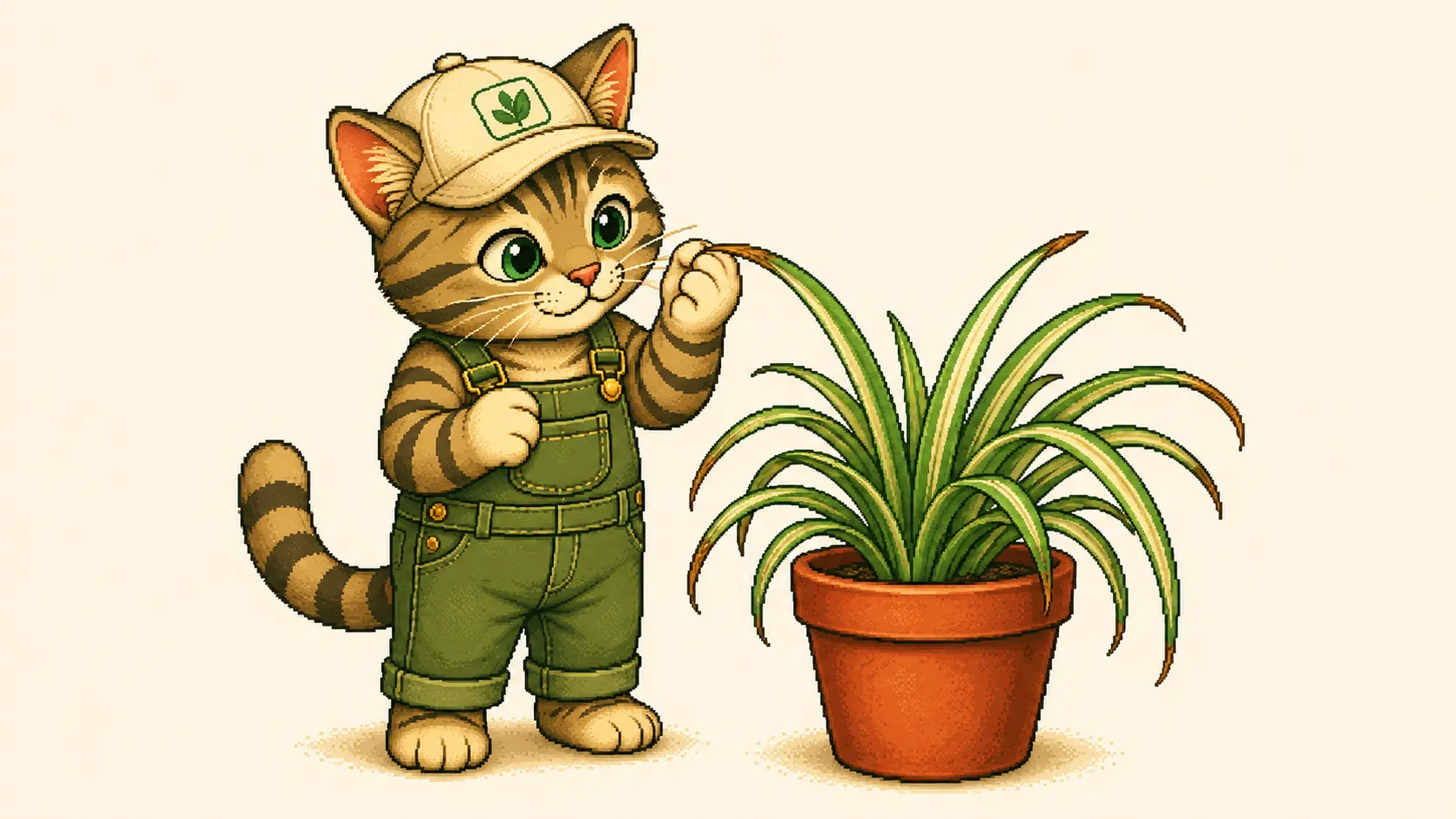
Only the tip is brown, dry and sharply edged, and the rest of the leaf stays firm. Narrow leaved species show it first.



Where the brown sits tells you the most. Tips, edges and spots in the middle of a leaf have different causes.
So look first at where the brown patch sits, how it feels and which part of the plant it is on. Only after that is it worth changing anything about the care.
Take an affected leaf between your fingers and match the patch to one of these patterns.
Brown areas are dead and stay brown. What you are judging is not the old patch but whether new ones keep appearing.
Look at
Most likely cause
Brown tips appear when water does not reach the tip of the leaf evenly. That happens in dry heated air, when watering swings between bone dry and soaking wet, and when salts from fertilizer and hard tap water build up in the soil.
Water more evenly, and let enough water run through that it comes out of the bottom. That flushes dissolved salts out of the root ball. Empty the saucer afterward, or the soil pulls the salty water straight back up.
Move the plant away from the radiator and out of the draft of a door that opens often. Both dry the leaf edges faster than the roots can keep up.
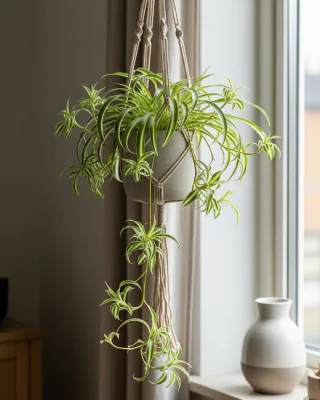
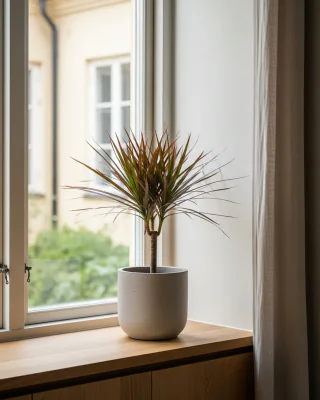
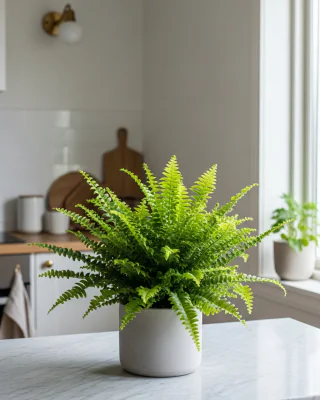
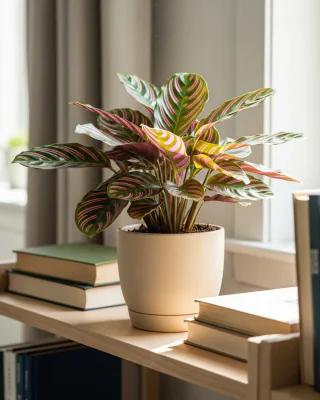
Species with narrow leaves show it earlier than others. Spider plant, dragon tree, Boston fern and pinstripe calathea get brown tips in conditions where a golden pothos next to them still shows nothing.
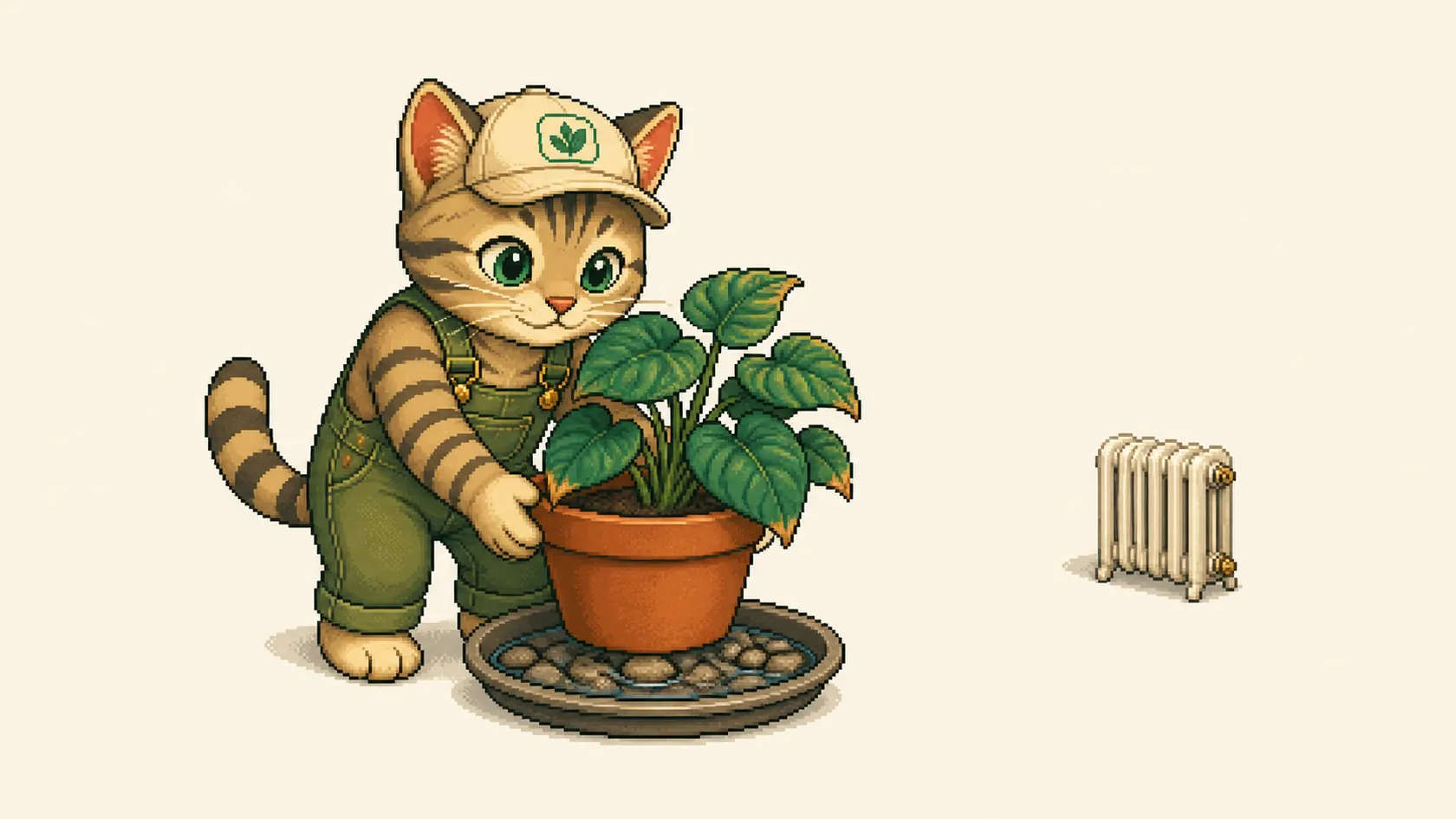
When the brown creeps in from the edge with a yellowish band ahead of it, the roots are no longer doing their job. Behind that sits soil that stays wet, a root ball that dried out completely at some point, or a feed that was too strong.
Feel the soil and lift the pot. Heavy and wet points to standing water, so let the soil dry down and check the hole in the base. Light and dry points to a dried out root ball, so water slowly and repeat it a short while later.
If you fed the plant shortly before, flush the pot through with plain water and leave the fertilizer alone for a few weeks.
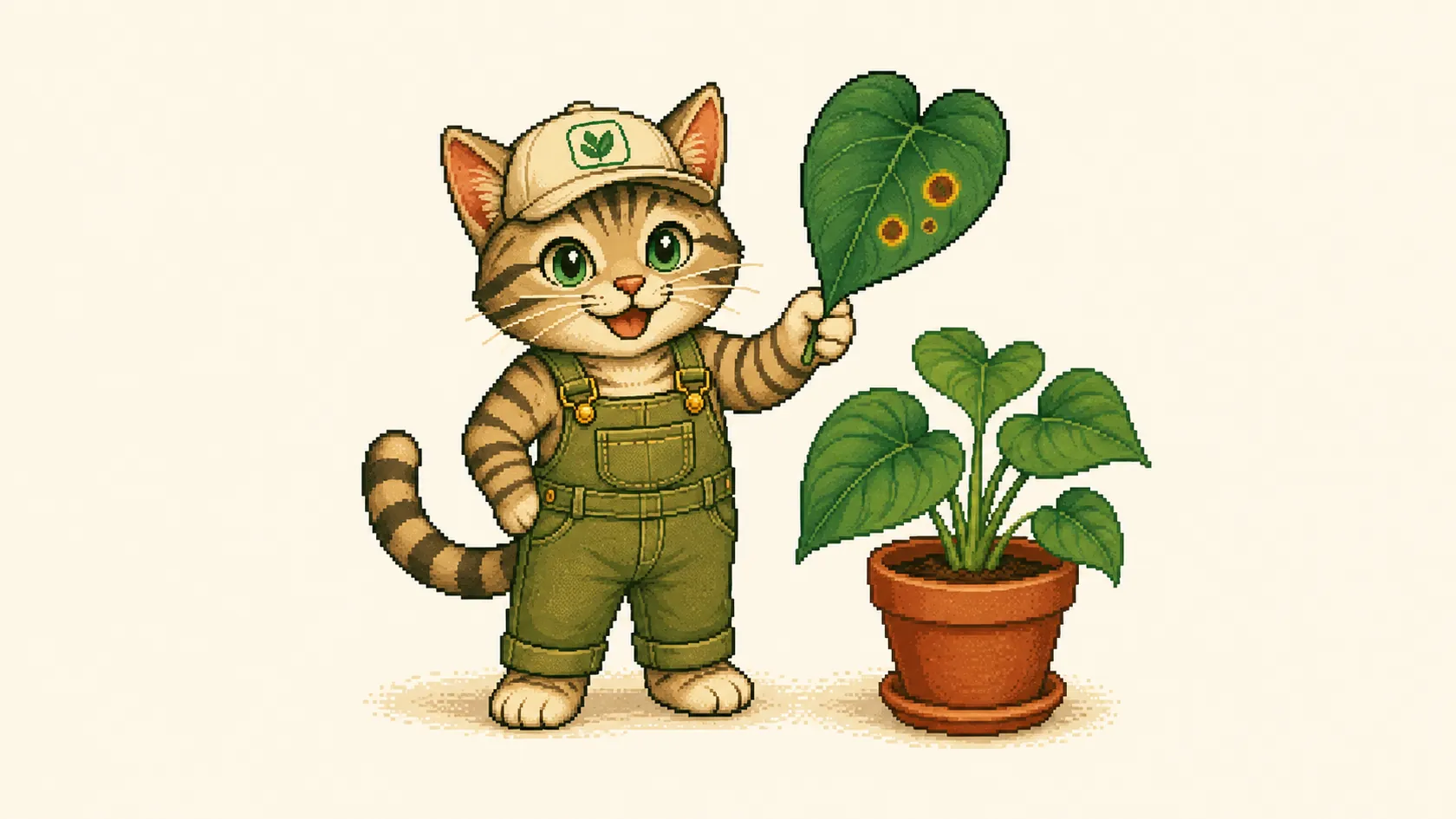
Soft dark spots with a blurred edge that keep growing, sometimes with a yellow halo, come from wet leaves, soil that stays wet and little air movement. Take the affected leaves off, water the soil instead of the foliage, and stand the plant where air can move around it.
Dry pale or papery patches on the leaves facing the window point to too much direct sun. It shows up mostly after a plant has been moved, or in spring when the sun reaches further into the room again. Pull the plant back from the glass or hang a light curtain between them.
Small brown dots with a pale halo, together with fine webbing or a sticky film on the lower leaves, belong to pests rather than to care. Look at the undersides of the leaves in good light for those.
A single lower leaf browning slowly while new growth comes at the top is the normal leaf change. Cut it off once it loosens.
If several leaves go brown at once and feel soft, look at the base of the stem and at the roots. Soft dark roots and sour smelling soil mean water stood in the pot too long.
If several leaves go brown at once and feel dry and papery, the root ball was probably empty too long, or the roots fill the pot so completely that almost no soil is left to hold water. Roots coming out of the drainage hole or circling the inside of the pot are the sign to repot.
Dead tissue does not grow back. You cut it off for looks alone, and the cause stays untouched by it.
Cut along the natural shape of the leaf and leave a narrow brown margin standing. If you cut into green tissue, a new dry edge forms there.
A leaf that is still half green stays on the plant. It keeps working as long as it is firm.
Brown tips can come from dry air, from uneven watering, from salts in the soil or from roots that have been standing in water. On the leaf these cases look much alike. A photo of the leaf alone does not settle it, because the soil, the pot weight and the last few weeks belong to the answer.
So change one thing and watch for two to three weeks. Note the date and the state of the soil, or you end up comparing against your memory later.
You read the result on the new leaf. If it comes out without a brown edge, the change was the right one.
Brown tips appear when water does not reliably reach the tip of the leaf. Dry heated air, swings between a dried out and a soaking wet root ball, and salts from fertilizer and hard water are the usual triggers. Even, thorough watering and a spot away from the radiator change the most.
You can, and it is purely a decision about looks. Cut along the shape of the leaf and leave a narrow brown margin so no fresh cut edge dries out. The cause has to be fixed separately.
The state of the spot separates the cases. Soft, dark and spreading fits wet leaves and soil that stays wet. Dry, pale and on the window side fits direct sun after a move.
Misting raises the humidity around the plant only briefly and does not replace even watering. On species with soft leaves, foliage that stays wet also encourages brown spots. A tray of water nearby or a group of several plants works more evenly.
Yes. Lime and salts build up in the soil and show at the leaf tips first. Water so that some runs out of the bottom and empty the saucer, so the root ball gets rinsed rather than loaded. Collected rainwater lowers what goes in.
No. Brown tissue is dead and stays that way. You can tell the cause is fixed when no new brown patches appear and the next leaf comes out clean.
Last reviewed: 2026-09-12