



How to tell that water is due
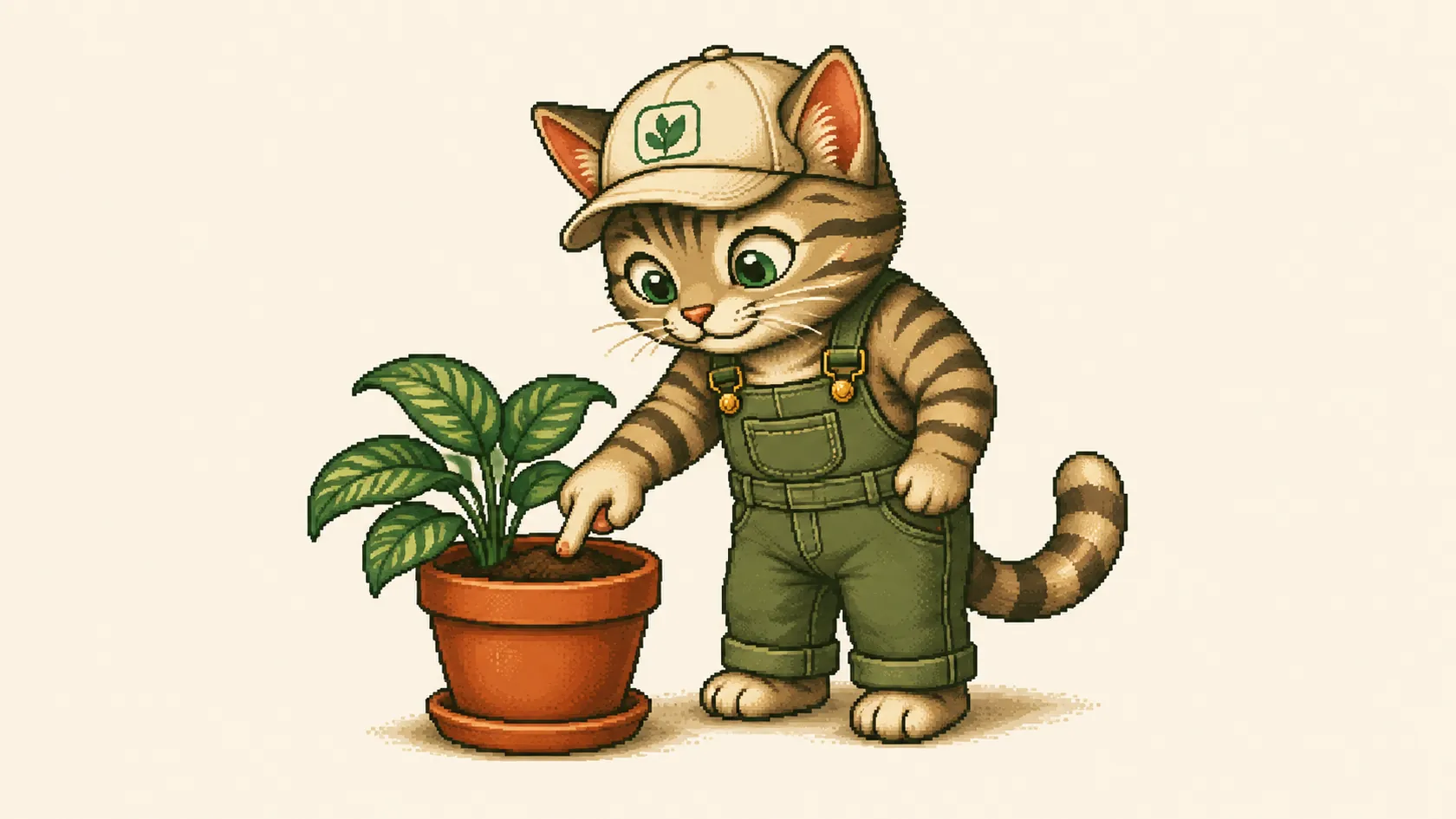
The finger test is the most reliable method you have. In a small pot an inch or two is enough. In a large pot go in up to the second knuckle. What counts is the soil at that depth, not the surface, which looks bone dry after a day above a radiator.
The weight of the pot tells you the same thing without getting your hands dirty. Lift the pot right after you have watered it, then lift it again four or five days later. The difference is easy to feel. After two rounds you can read a dried out pot by weight alone.
A wooden skewer helps in deep pots. Push it down to just above the base, pull it out and look for dark soil clinging to it. If the wood comes out clean and pale, the root ball has dried through to the bottom.
The cheap dial meters sold for houseplants read conductivity in the mix, so fertilizer salts move the reading. As a second opinion in a tall pot they are usable, but two of them often disagree in the same pot.
- Soil dry an inch or two down
- Pot noticeably lighter than it was right after watering
- A skewer comes out of the root ball clean
- Soil pulling back from the rim, so water runs down the side instead of soaking in
How much water at once
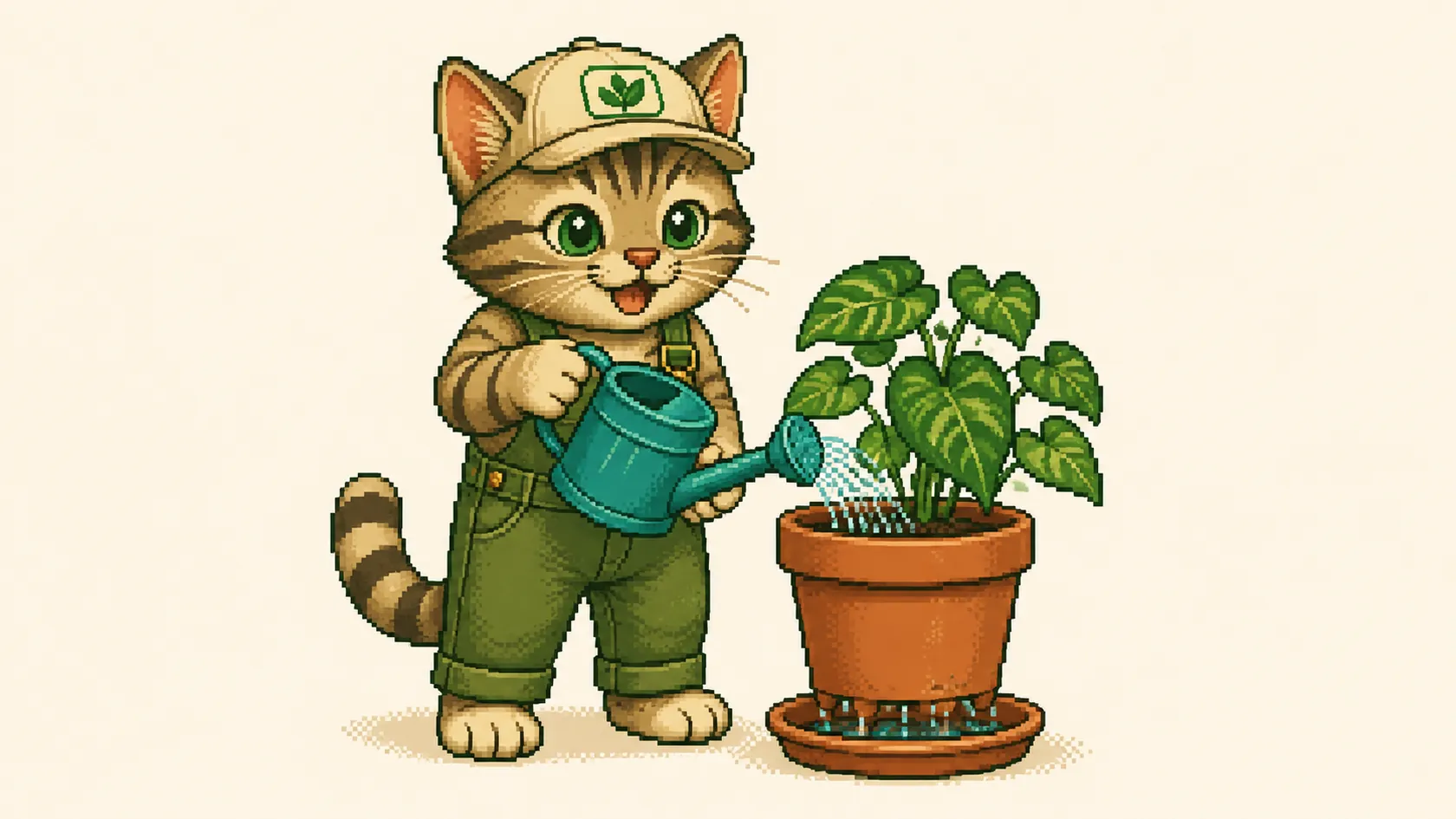
Water thoroughly, until it runs out of the drainage holes. That way the whole root zone gets water and old salts are flushed out with it. Pour slowly around the rim in two or three rounds so the water soaks in instead of running straight down the inside wall.
Small sips every few days are the most common mistake. They only reach the top layer, the lower roots stay dry and the plant roots upward toward the water. Water less often and completely instead.
Empty the saucer after 15 to 20 minutes. Roots that sit in water get no air and rot. With a cachepot that has no hole, lift the nursery pot out, water it in the sink, let it drain and put it back.
What changes the gap between waterings
Light drives water use more than anything else. The same plant at a bright window needs water noticeably more often than one standing ten feet back into the room. After you move a plant, check it more often than usual for the first few weeks.
Terracotta is porous and gives up water through the pot wall. Glazed ceramic and plastic hold it longer. A pot that is much too large holds a lot of soil with no roots in it, and that soil stays wet for a long time after watering.
The mix does the rest. Peat rich potting soil holds a lot. Blends with bark, perlite or pumice dry out faster and forgive a generous hand.
Water use drops in winter because less light arrives and many plants barely grow. At the same time heated air dries the surface faster than it did earlier in the year. That is exactly when a pot looks dry on top and is still wet underneath, so check deeper in winter.
Plants you have just bought or just repotted have no rhythm yet. Expect a few weeks before an interval settles, and decide fresh each time until then.
Watering from the top, from below, or by soaking
From the top is the normal case. It spreads the water evenly and rinses salt residues out of the mix.
To water from below, fill the saucer, wait 20 to 30 minutes and pour the rest away. This suits African violets and other plants with hairy leaves, where water drops leave marks. Because nothing gets flushed out this way, water thoroughly from the top every few months.
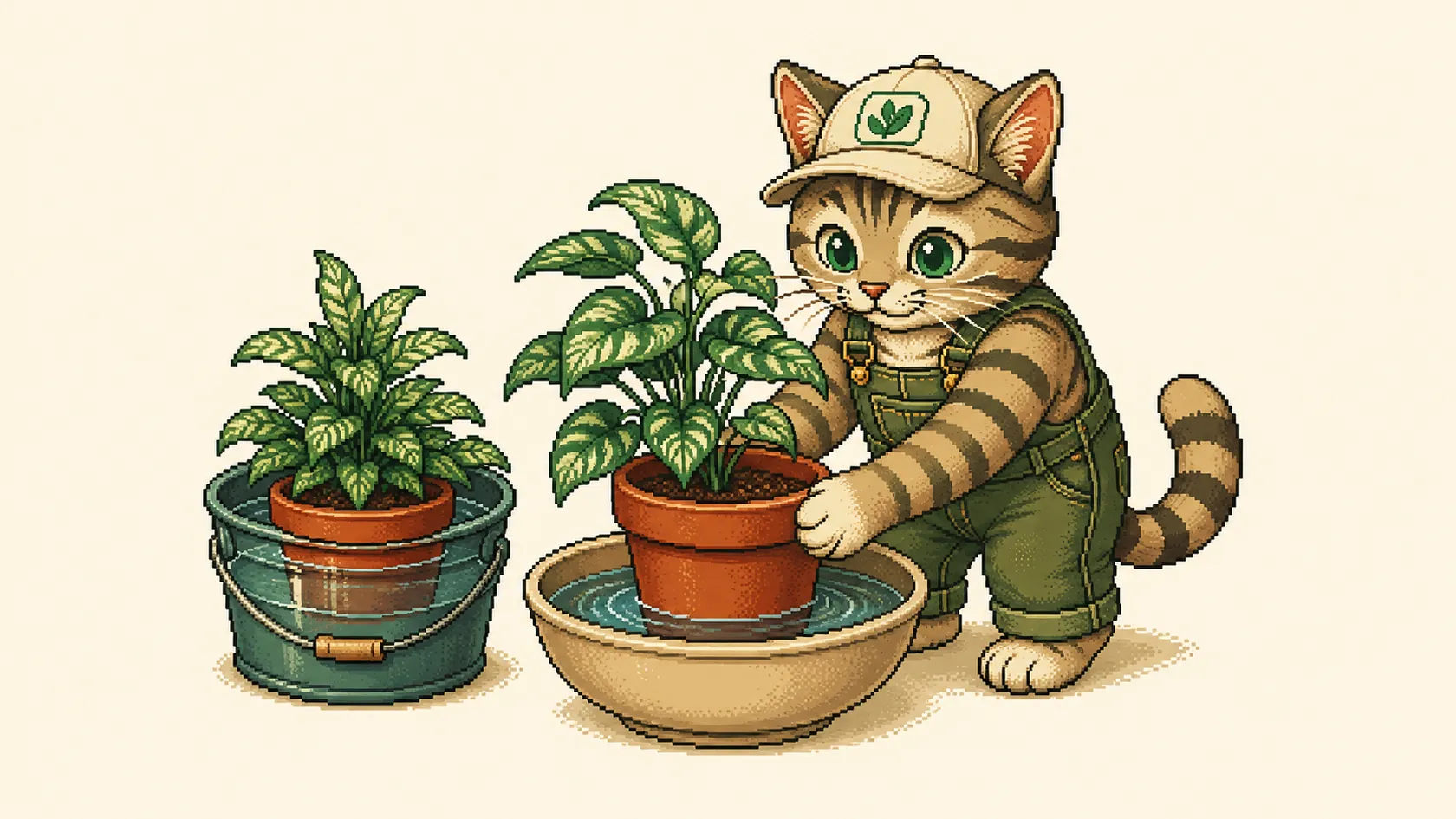
A soak rescues a root ball that has dried out so far that it repels water. Stand the pot in a bucket until the water reaches just under the rim, and lift it out once no more air bubbles rise. Let it drain completely afterward, or you trade one problem for the next.
Orchids, succulents and other special cases
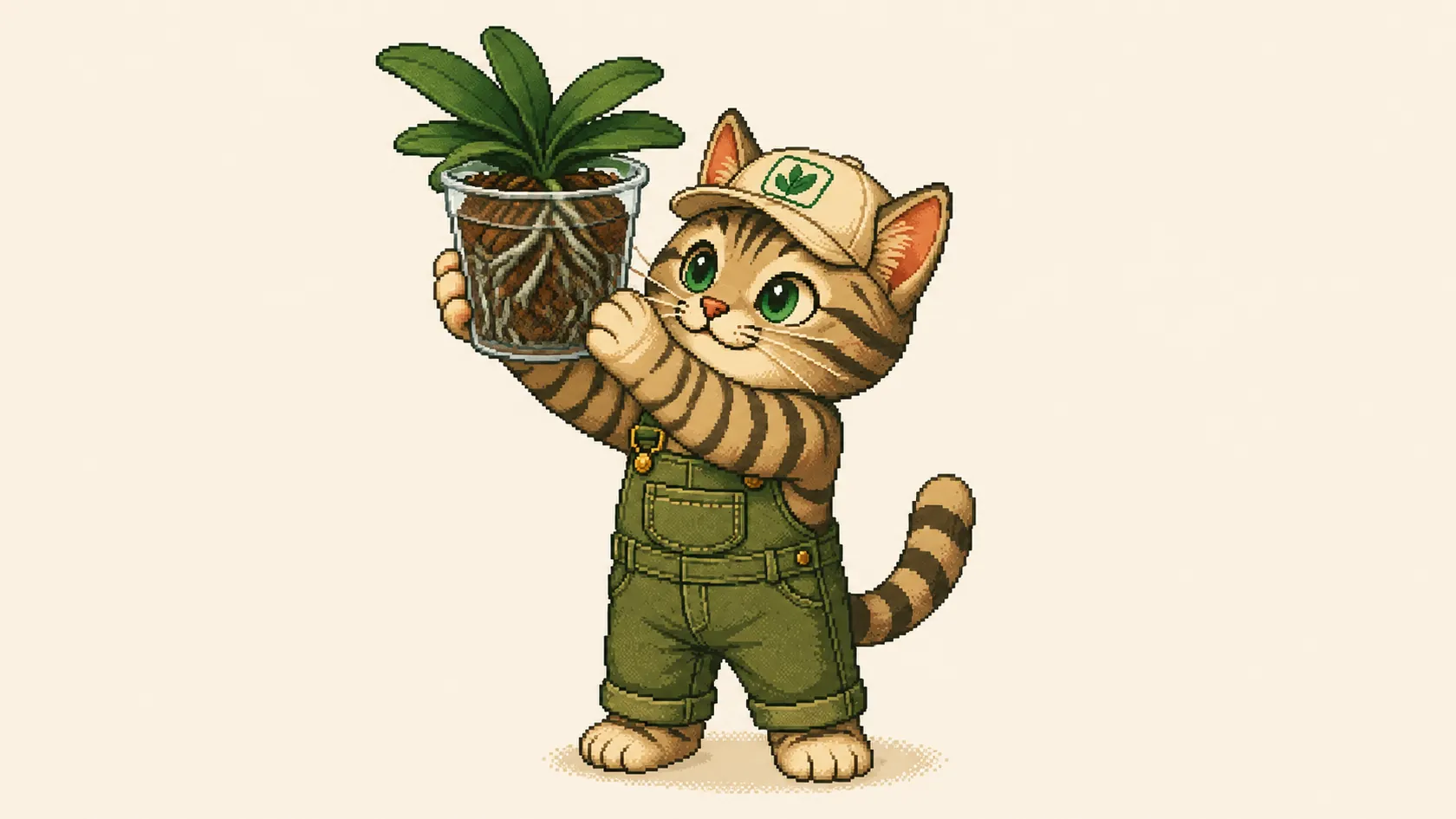
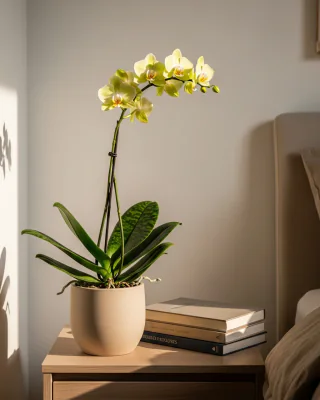
With a moth orchid in a clear pot, go by the bark and the root color. While the roots are green there is still water in there. When they turn silvery gray and the bark feels almost dry, water it. Soak it or rinse it through, then let it drain fully and leave no water sitting in the crown.
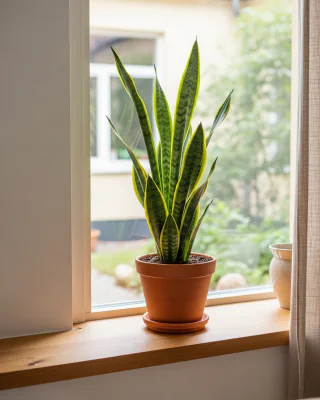
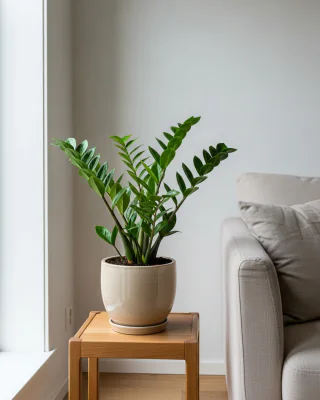
Snake plant, ZZ plant, jade plant and cacti store water in leaves, stems or rhizomes. They get watered thoroughly and then left to dry out well down the pot. Through the dark months they get by on very little, and wet feet harm them faster than drought does.
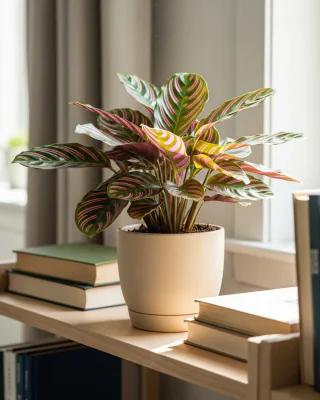
Ferns and prayer plants sit at the other end. Their mix should never dry through between two waterings, or they answer with dry leaf edges. Check them more often without keeping the pot permanently wet.
Plants in semi hydro setups or a water glass follow their own logic. The level indicator shows the reserve, and the container is meant to run empty before you top it up, because part of the root system needs air.
Which water to use
Tap water suits most houseplants. Room temperature is better than straight from the cold faucet, because cold water slows tropical roots down.
Hard water leaves lime marks on the soil and the pot. Indoor azalea, pinstripe calathea and carnivorous plants are among the ones that react to it. For them, collected rainwater or filtered water is the better choice.
Milk, beer and salted cooking water do not belong in a watering can. Milk leaves residues in the mix that can smell and grow mold, and salt from cooking water stays in the soil. Cooled unsalted pasta or vegetable water does no harm, but it replaces no fertilizer.
Telling too much water from too little
Too much water shows up as several soft yellow leaves at once, soil that stays wet, a musty smell from the pot and dark soft patches at the base of the stem. Let the mix dry down further and check that the pot really drains.
Too little water looks different. The leaves hang limp and pick themselves up again after watering, the leaf edges go dry and brittle, and the root ball has pulled away from the rim.
Drooping leaves on their own tell you nothing, because both extremes look like that. Feel the soil first and act on what you find.
Related plants
Keep reading
Common questions
How often should you water houseplants?
No fixed interval holds for every home, because light, pot and mix move how fast water is used. Check the soil an inch or two down instead and water only when it is dry there. In winter that takes much longer for most plants than it does in summer.
How often do you water an orchid?
With a moth orchid, go by the roots. Green roots mean there is still water in the bark. Silvery gray roots and nearly dry bark mean you can water. Let the pot drain completely afterward.
How much water does a houseplant need each time?
Enough that water comes out of the drainage holes. Empty the saucer 15 to 20 minutes later. Frequent small amounts never reach the lower roots.
Is a houseplant watering schedule a good idea?
A schedule is useful as a reminder to check, not as an instruction to pour. Use it to look at the pot on a set day and let the finger test decide what happens next. The same plant needs water at different intervals in July and in January.
Which houseplants need the least water?
Plants that store water in their tissue go longest without, among them snake plant, ZZ plant, jade plant and cacti. They tolerate having the root ball dry out completely in between. Watering them too often does more harm than a forgotten week.
Can you water houseplants with milk?
Milk brings no usable nutrients and leaves residues in the soil that can smell and grow mold. Use plain water and a liquid fertilizer during the growing season.
Last reviewed: 2026-09-07