

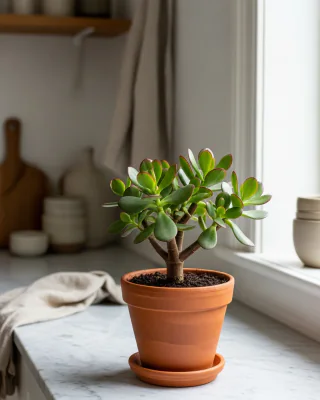
At a glance
- Light
- Bright light. Direct sun after acclimation
- Water
- Let the mix dry between waterings
- Potting mix
- High-porosity and well drained
- Climate
- Protect from freezing
- Pet safety
- Toxic to cats and dogs
- Scientific name
- Crassula ovata


Potting mix and repotting
Use a high-porosity cactus or succulent mix that drains freely. Repot every two to three years or when the plant becomes top-heavy, ideally as new growth starts.
When and how much water
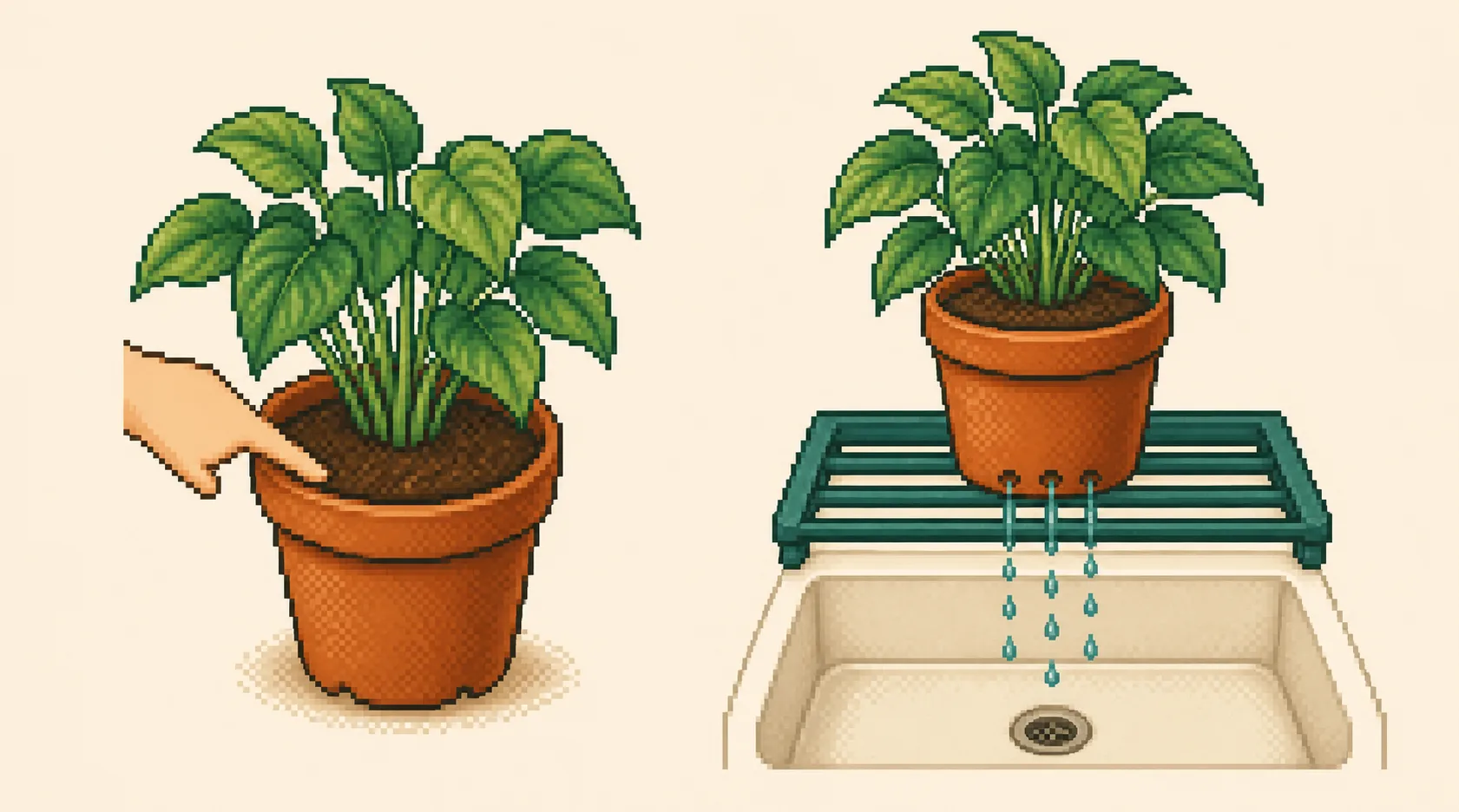
Let the potting mix dry between thorough waterings, then let all excess water drain. Do not leave the pot standing in water.
Water more freely during active spring and summer growth and less in winter. Feel the mix before watering again.
Light and placement
Give Crassula ovata bright light. It can grow with four or more hours of direct sun, but introduce stronger light gradually to prevent sunburn. Bright indirect light is also suitable.
Feeding
Feed lightly during active spring and summer growth, following the product label. Reduce or stop feeding when growth slows.
Temperature & humidity
Jade plant tolerates a wide range of indoor temperatures. Keep it away from cold drafts, acclimate it gradually when moving outdoors, and bring it inside before freezing conditions.
Crassula ovata is comfortable in ordinary indoor humidity and does not need misting.
Common problems
Start with touch: is the mix wet or dry, and are the stems firm? Then look for a recent move, scorch, cold damage or mealybugs tucked into the leaf joints.
Find what’s wrong
Toxic to pets?
Yes. Keep it out of reach.
Pet-safety information in the JungleBook uses ASPCA reference data where available. It is reference information, not veterinary advice.
Full Jade plant toxicity guide →
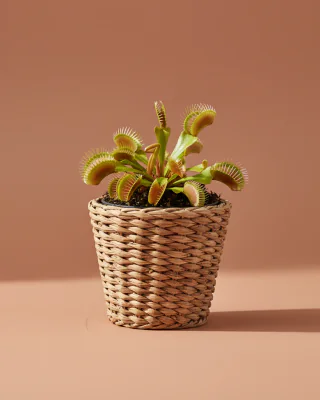
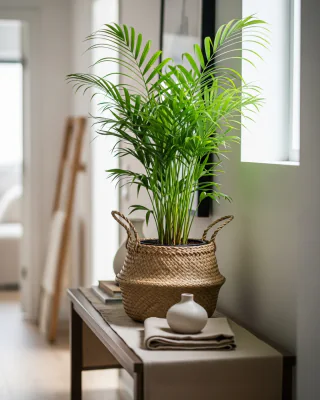
Pet-safe alternatives with similar light
Common questions
How often should I water a jade plant?
Let the potting mix dry between thorough waterings, then let all excess drain. Water less often in winter and never leave the pot standing in water.
How much light does a jade plant need?
Give it bright light. Crassula ovata can grow with four or more hours of direct sun, but acclimate it gradually to stronger light to prevent sunburn. Bright indirect light is also suitable.
What potting mix does Crassula ovata need?
Use a high-porosity cactus or succulent mix that drains freely. Repot every two to three years or when the plant becomes top-heavy, ideally as new growth starts.
Why are my jade plant leaves wrinkling, yellowing or dropping?
Feel the mix and check whether the pot drains freely. Then look for soft stems, a recent move into stronger light or cold, and mealybugs around the leaf joints.
Is Crassula ovata toxic to cats and dogs?
Yes. ASPCA lists jade plant under the synonym Crassula argentea as toxic to cats and dogs. The toxic principle is unknown. Listed signs are vomiting, depression and incoordination.
Sources5 references
- Royal Botanic Gardens, Kew: Plants of the World OnlineTaxonomy · accepted name · classification
- Royal Horticultural SocietyC. argentea synonym · full sun · cactus compost · moisture · winter watering · feeding · pests
- North Carolina State University Extension Gardener Plant ToolboxSunny indoor position · drainage · dry-down watering · seasonal reduction · indoor temperature · pests and root rot
- Penn State ExtensionCactus mix · drainage holes · complete dry-down · light · leaf drop · repotting interval
- ASPCA Animal Poison ControlScientific name · toxicity to dogs, cats and horses · clinical signs
Last reviewed: 2026-09-21