



Is jade plant toxic to cats and dogs?
Quick answer
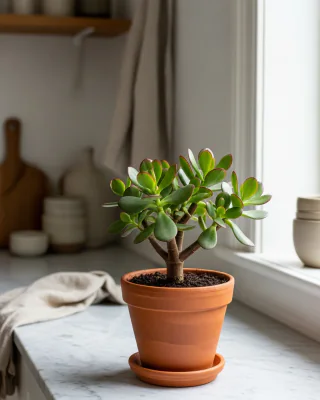
Jade plant (Crassula ovata) is toxic to cats and dogs. The ASPCA record does not specify a toxic principle.
 Not sure it’s this plant?Check yours with a photo, free
Jade plant Crassula ovata
Jade plant usually causes only mild stomach upset, and Pet Poison Helpline says lethargy and a wobbly gait are less common. It is also called money plant, but the pet-safe money tree is Pachira aquatica.
What to do if your pet ate it
If you think your cat or dog ate any part of the plant, act quickly. Do not wait for symptoms to appear.
- Remove the plant from the pet’s reach.
- Call your vet or an emergency animal clinic immediately.
- When you call, have the plant’s name or a photo ready. Tell the vet roughly how much your pet ate and when.
Do not induce vomiting unless a vet specifically instructs you to. It can make some poisonings worse.
Symptoms
Possible signs include:
- Vomiting
- Depression
- Incoordination
Non-toxic plants for similar light
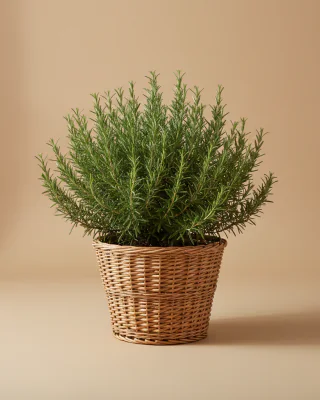 RosemaryRosmarinus officinalisBright / direct lightPet-safe
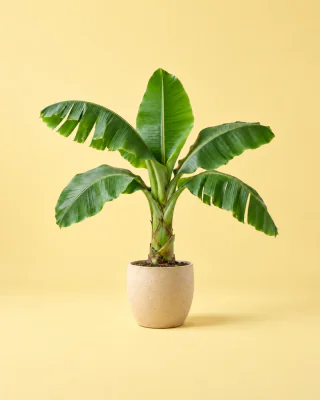 Indoor bananaMusa acuminataBright / direct lightPet-safe
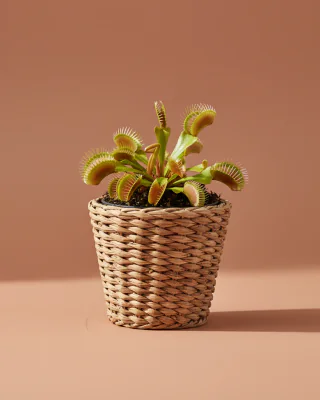 Venus fly trapDionaea muscipulaBright / direct lightPet-safe
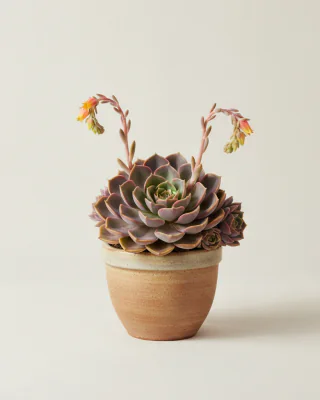 EcheveriaEcheveria spp.Bright / direct lightPet-safe
See all pet-safe alternatives →
Pet-safety information in the JungleBook uses ASPCA reference data where available. It is reference information, not veterinary advice. Sources: Pet Poison Helpline: Jade Plant, NC State Extension: Crassula ovata, ASPCA: Money Tree.
All jade plant guides
Related plants
Common questions
Is a jade plant toxic to cats?
Yes. ASPCA lists jade plant (Crassula ovata) as toxic to cats. It reports vomiting, depression, and incoordination, but does not name the toxic principle.
Is a jade plant toxic to dogs?
Yes. ASPCA lists jade plant (Crassula ovata) as toxic to dogs. It reports vomiting, depression, and incoordination, but does not name the toxic principle.
What should I do if my cat ate part of a jade plant?
Call your veterinarian or an emergency animal clinic immediately. Bring a piece of the plant or a clear photo if you can. Do not induce vomiting unless a veterinary professional tells you to.
Can I keep a jade plant with pets?
Jade plant is toxic to cats and dogs. Keep it in a room your pets cannot enter, or choose a non-toxic alternative.
ASPCA reference · Last reviewed: