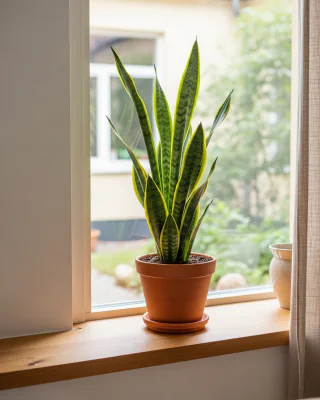
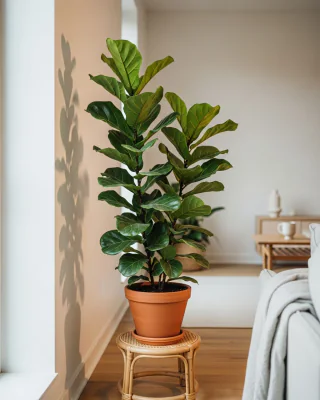
What you see
The pot stays heavy, the soil is still wet days later, lower leaves go soft yellow, and the soil may smell sour.



Both look like wilting. Pot weight and the soil two inches down tell you which one you are looking at.
The leaves cannot settle it. The pot can. Lift it, feel the soil about two inches down, and only then decide whether to reach for the watering can.
Pick the pot up with both hands. A pot that still feels heavy days after watering is holding water the roots are not using. A pot that feels light for its size has run dry.
Then push a finger into the soil about two inches down, away from the stem. The surface dries first and lies to you, so the reading that counts comes from below it.
Look at the saucer and inside the cachepot while the plant is up. Water sitting there after a day is the single most common reason houseplant roots fail.
Look at
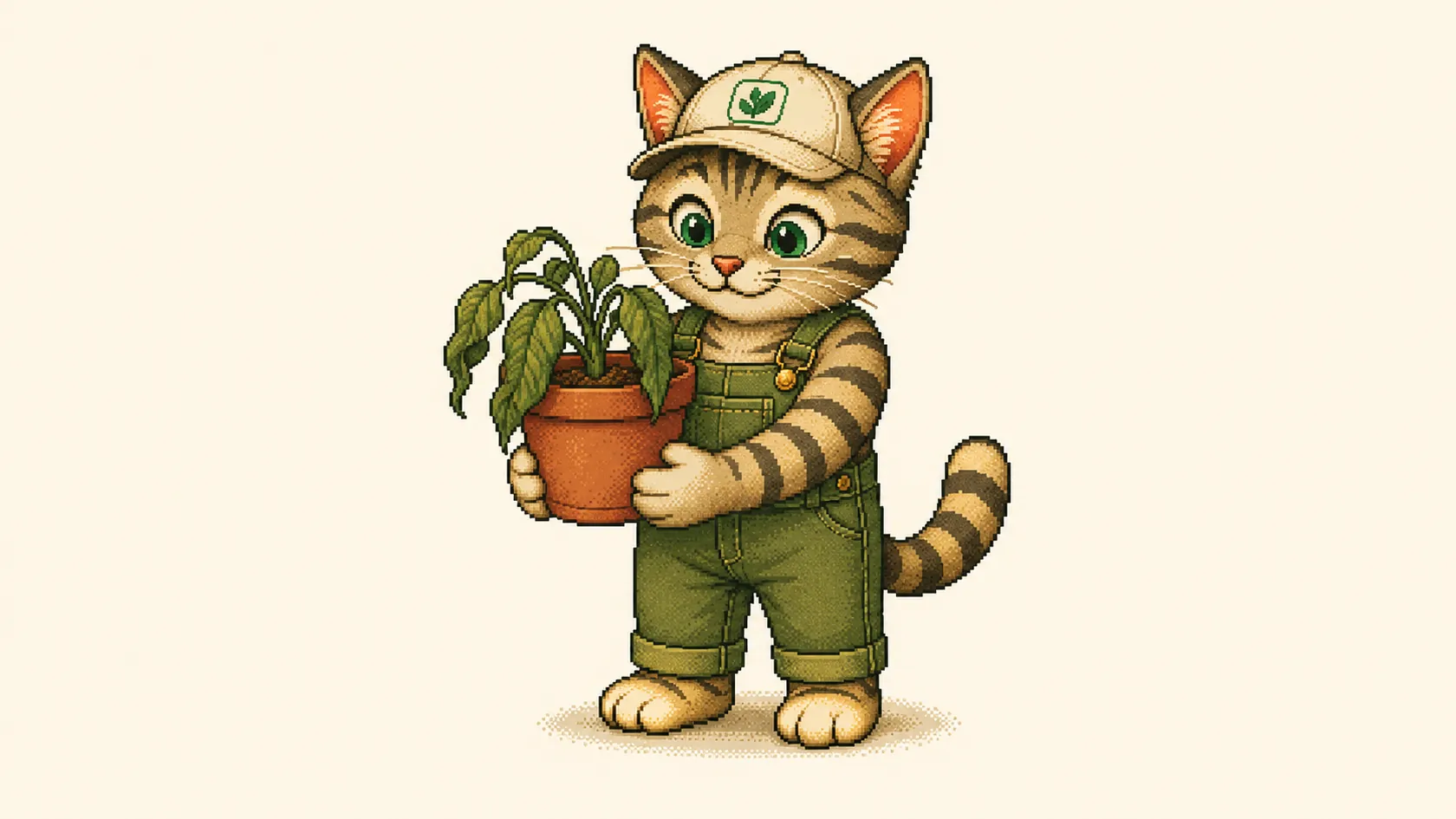
Most likely cause
Roots need air as well as water. When the soil stays wet for days, the roots suffocate, stop working and start to break down, so the plant wilts while sitting in water.
The lower leaves usually go first. They turn a soft yellow, feel limp rather than crisp, and come away easily. The soil may smell sour, and the base of the stem can feel soft to the touch.
Stop watering and pour out whatever is standing in the saucer. Check that the growing pot has an open hole in the bottom, and let the soil dry down before you water again.
If the stem base is soft, take the plant out of the pot and look at the roots. Firm pale roots are fine. Dark, soft roots that slip out of their skin between your fingers get cut away, and the plant goes back into fresh soil.
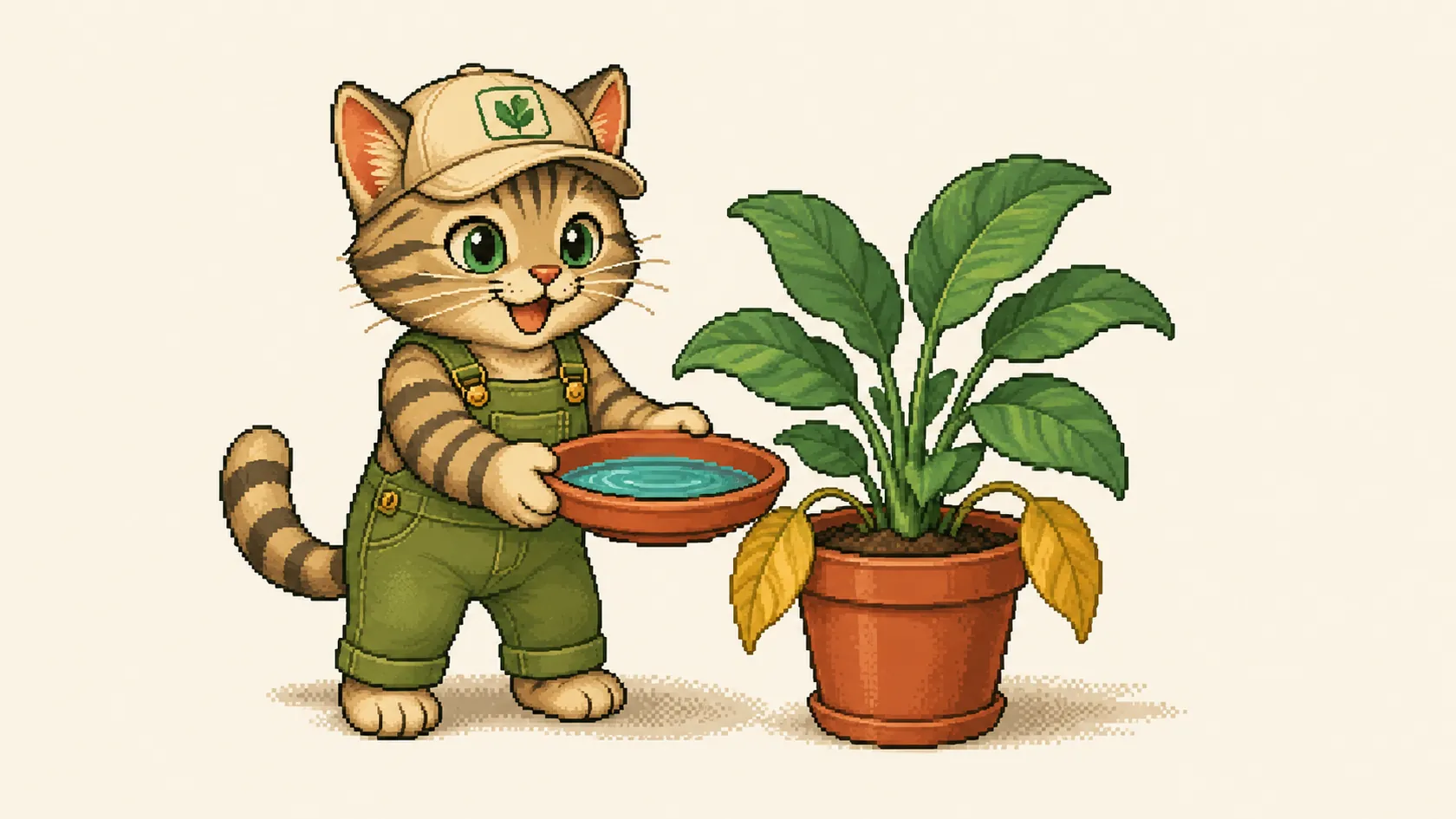
A thirsty plant is easier to read. The pot is light, the soil is dry well below the surface, and the leaves feel dry and papery rather than soft. Edges and tips brown and turn crisp.
Water slowly until it runs out of the drainage hole, then empty the saucer after about twenty minutes. A splash on the surface every day wets the top inch and leaves the roots below it dry.
Most plants stand back up within a few hours. Leaves that were already crisp stay crisp, so judge the recovery by the stems and by the leaves that were still soft.
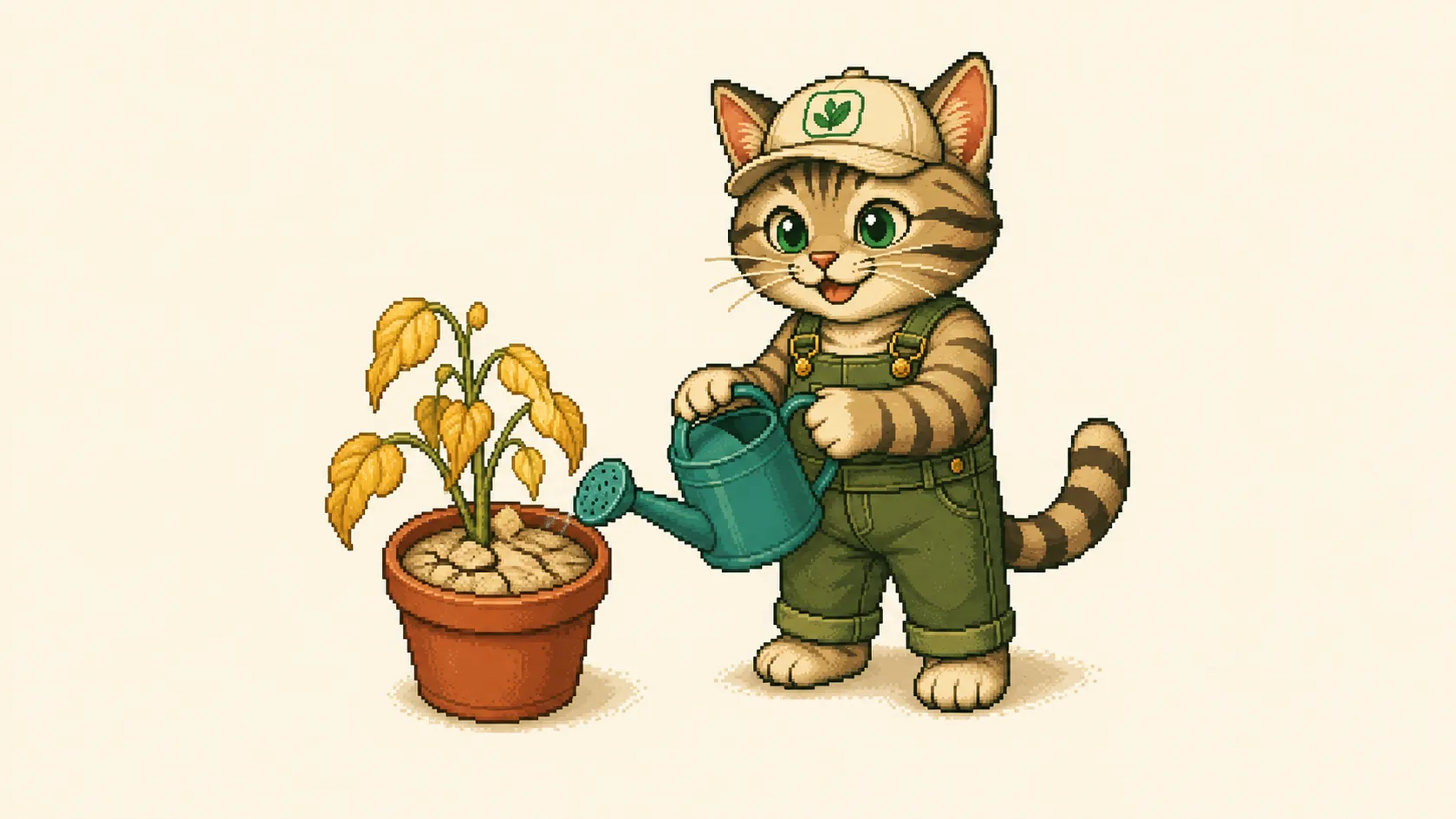
Wilting is the sign people act on, and it is the one that misleads most often. A plant with rotting roots cannot move water into its leaves, so it droops in wet soil and looks exactly like a dry one.
This is why the finger test comes before the watering can. Watering a plant that is already too wet takes it further in the wrong direction and costs you another week.
One difference helps. A dry plant firms up within hours of a thorough watering. A plant that droops in wet soil does not respond, or sags further the next day.
Once you have the soil reading, the leaves confirm it rather than lead. Soft, evenly yellow lower leaves belong with wet soil. Dry brown tips and crisp edges belong with dry soil.
Leaf drop happens in both cases. Wet roots drop leaves that are soft and yellow. Drought drops leaves that rustle and crumble in your hand.
New growth is the clearest evidence of all. Small, weak or misshapen new leaves say the roots have been struggling for a while, whichever direction the mistake went in.
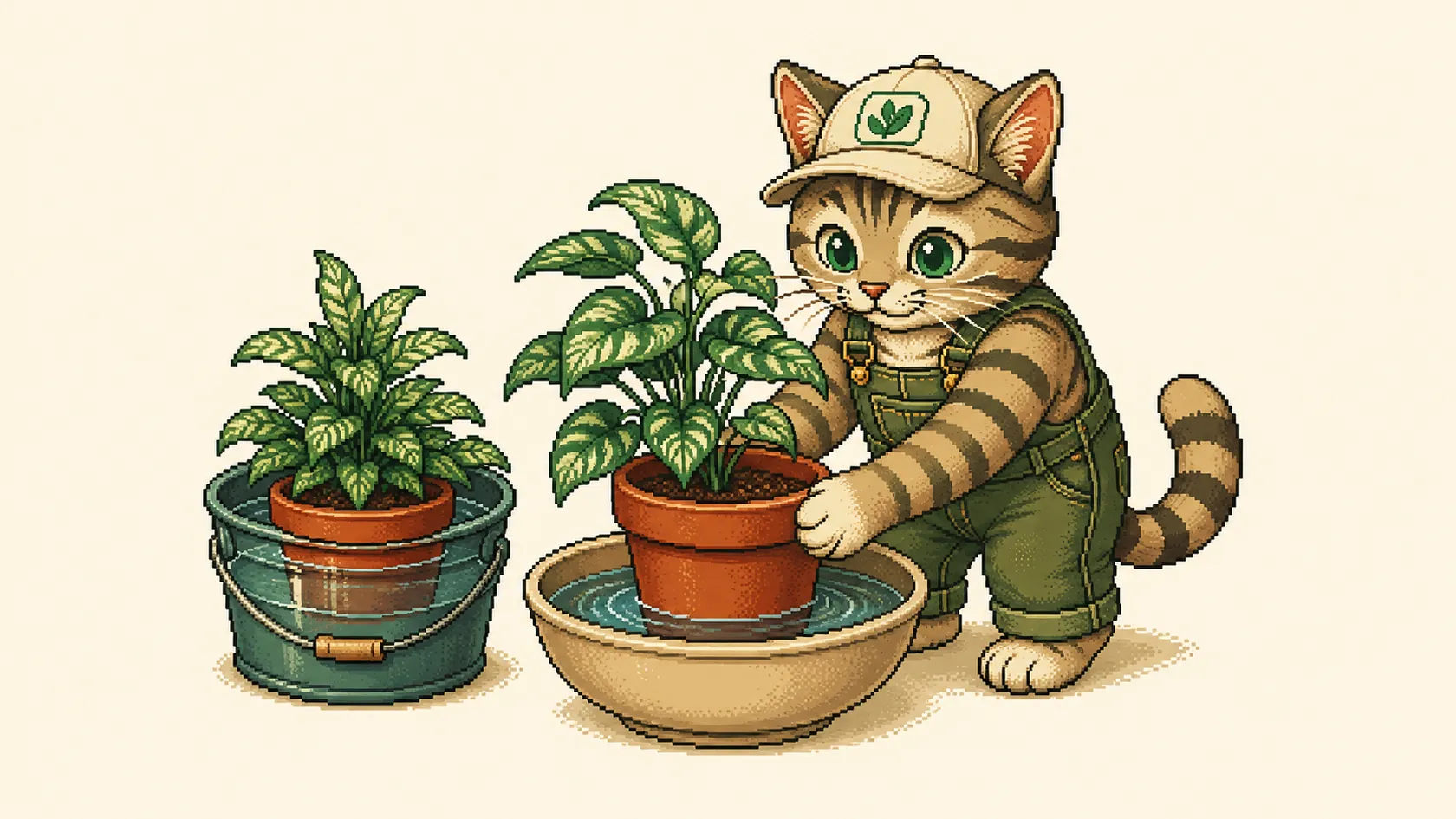
A root ball that has dried out completely stops absorbing. Water then runs down the gap between the soil and the pot wall and straight out of the bottom, so the plant reads as watered and stays thirsty.
Stand the pot in a bowl of water for fifteen to twenty minutes so it soaks from below, then lift it out and let it drain fully. Do not leave it standing in the bowl afterwards.
This case also explains the plant that seems wet and dry at once. The surface is damp from your last attempt while the core of the root ball is still dry, so check the weight of the whole pot rather than the top of the soil.
Change the watering, then leave everything else alone for a week or two. Repotting, feeding and moving the plant at the same time make the result impossible to read.
Write down the date and how the soil felt when you last watered. Without that note you are comparing against memory, and memory is generous.
How often a plant needs water depends on the species, the pot, the light and the season, and all four change through the year. Feel the soil each time instead of setting a day of the week.
Lift the pot and feel the soil about two inches down. Heavy pot and wet soil with soft yellow leaves points to too much water. Light pot and dry soil with crisp brown edges points to too little. The leaves alone cannot separate the two.
Yes, and that is the trap. Roots damaged by standing water cannot move water upward, so the plant wilts in wet soil. A dry plant firms up a few hours after a thorough watering. A waterlogged one does not.
Stop watering, empty the saucer and cachepot, and make sure the pot has an open drainage hole. Let the soil dry down before the next watering. If the stem base feels soft, unpot the plant, cut away dark soft roots and repot into fresh soil.
Limp stems, leaves that feel papery rather than soft, brown crisp tips and edges, and a pot that feels light. The soil often pulls away from the side of the pot, which is why water runs straight through.
Usually, when they are soft, low on the plant and the soil is still wet. Yellowing also comes from low light and from soil that has nothing left in it, so read the soil and the pot weight before you change your watering.
There is no interval that fits every plant. Species, pot size, soil, light and season all change how fast a pot dries, and they change through the year. Feel the soil two inches down each time and water when it is dry there.
Last reviewed: 2026-09-07