

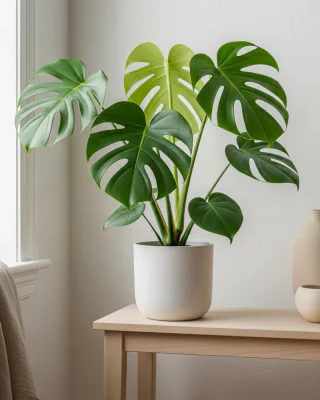
At a glance
- Light
- Bright filtered or indirect light
- Water
- When the upper mix is almost dry
- Climate
- 18–27 °C
- Humidity
- Moderate to high
- Pet safety
- Toxic to cats and dogs
- Scientific name
- Monstera deliciosa


When and how much water
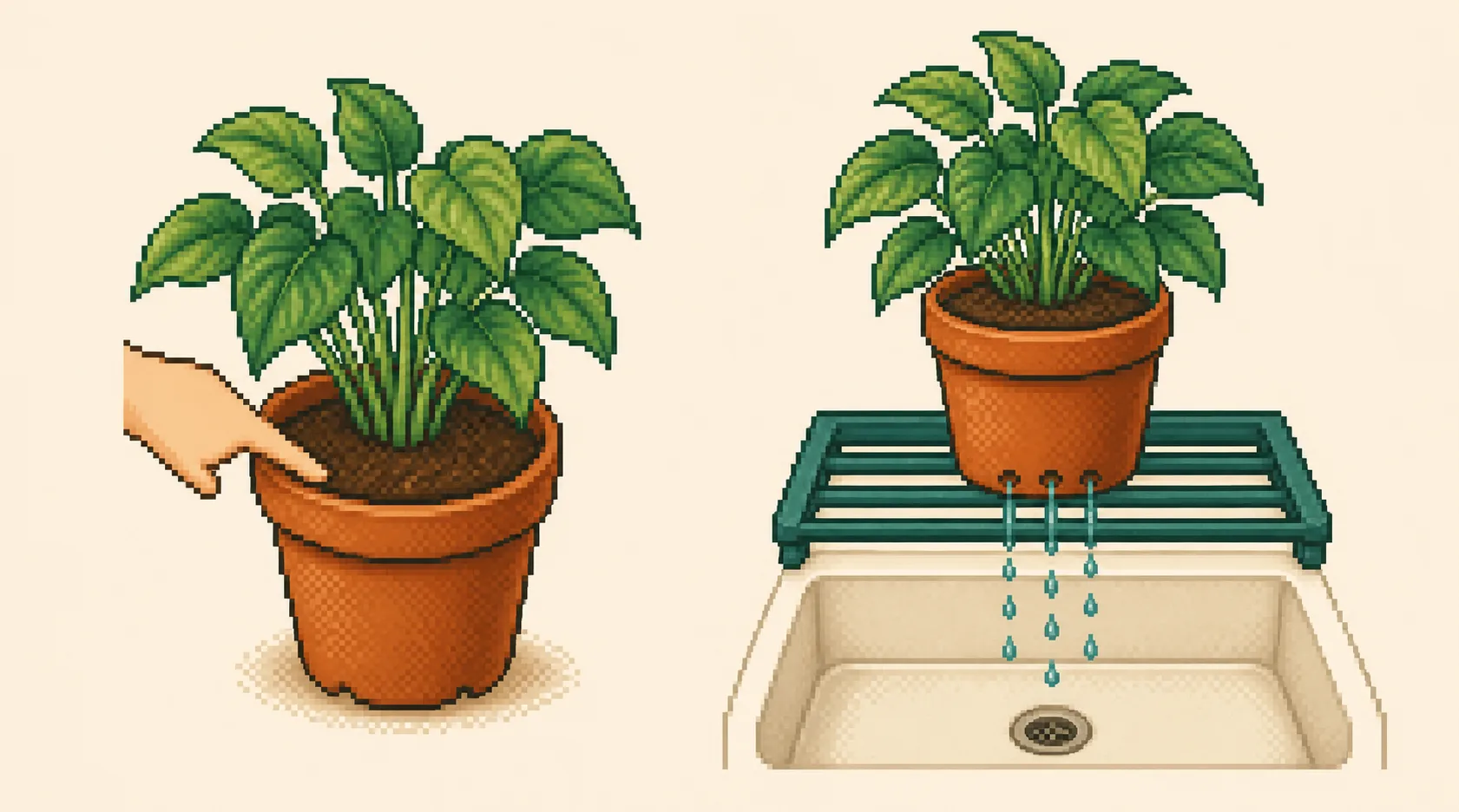
Feel the upper potting mix before you water. If it is almost dry, soak the mix with room-temperature water, let the pot drain and empty the saucer.
The mix usually dries more slowly in winter. Check it again before the next watering rather than assuming the same interval will still work.
Light and placement
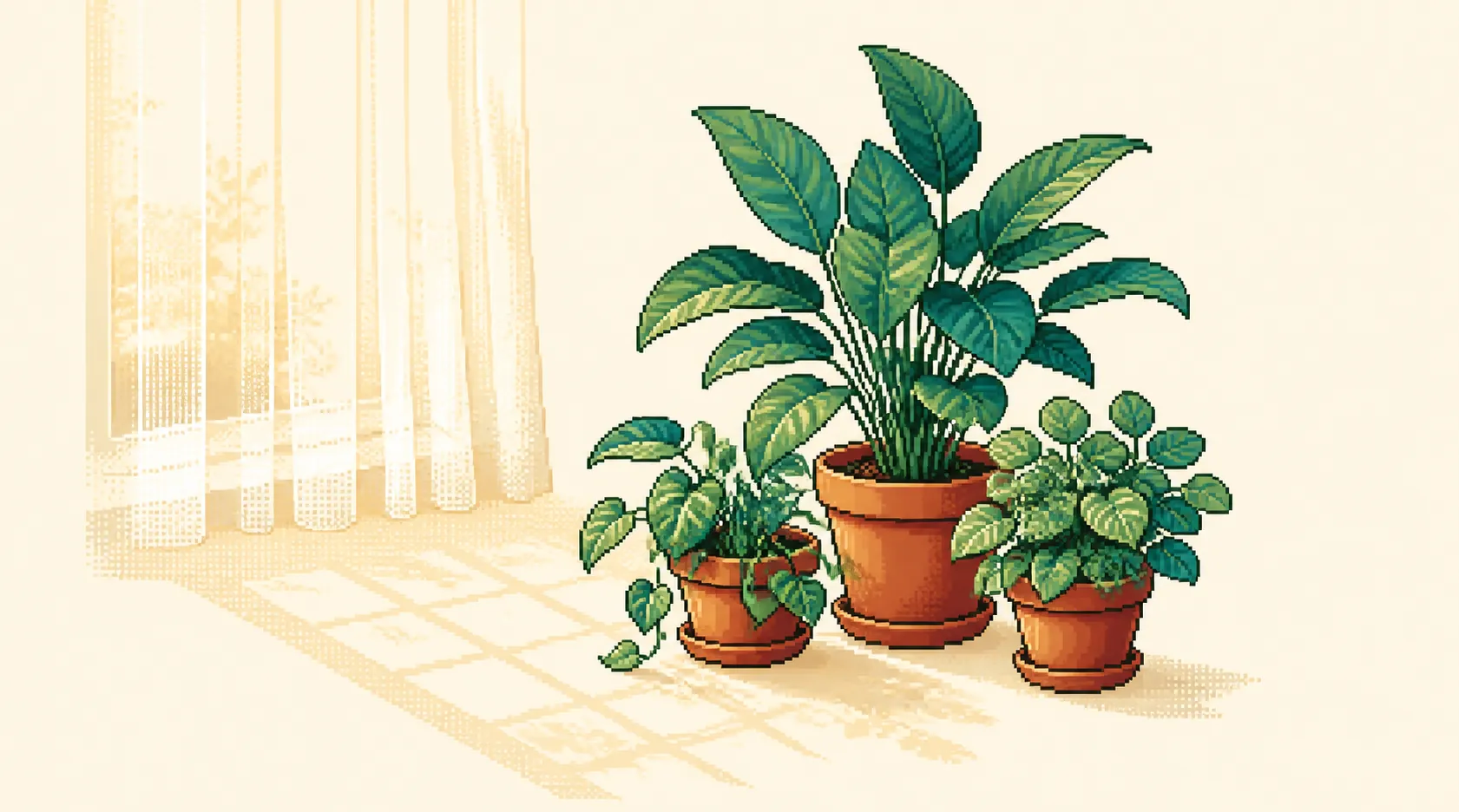
Place Monstera deliciosa in bright, filtered or indirect light. If it has been in a dimmer spot, introduce stronger light gradually so the leaves are not scorched.
Feeding
During active growth, use a balanced liquid fertilizer about once a month, or follow the product directions. If the plant is stressed, check its conditions before adding fertilizer.
Temperature & humidity
Keep Monstera deliciosa warm, roughly 18–27 °C, away from cold drafts and direct heat. Prolonged cold can damage growth.
Moderate to high humidity suits Monstera deliciosa. If the room is very dry, a tray of damp pebbles can raise humidity around the plant.
Common problems
A yellow or drooping leaf can have several causes. Start with the mix and drainage, then think back to any recent move or temperature change. Change one thing at a time.
Find what’s wrong
Toxic to pets?
Yes. Keep it out of reach.
Pet-safety information in the JungleBook uses ASPCA reference data where available. It is reference information, not veterinary advice.
Full Monstera toxicity guide →
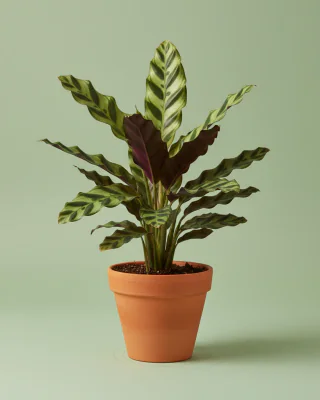
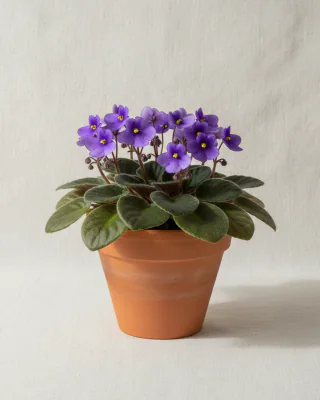
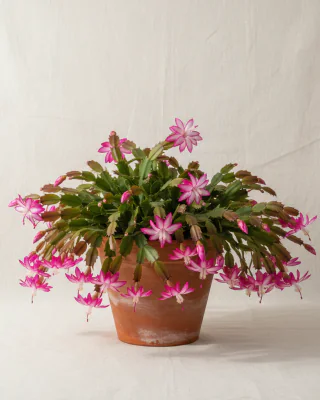
Pet-safe alternatives with similar light
Common questions
How often should I water Monstera deliciosa?
Water when the upper potting mix is almost dry. Soak the mix with room-temperature water, let the pot drain and empty the saucer. Check less often in winter because the mix usually dries more slowly.
How much light does Monstera deliciosa need?
Give it bright, filtered or indirect light. Introduce stronger light gradually, especially if the plant has been growing in a dimmer spot.
Why are my Monstera leaves yellowing or drooping?
Check whether the mix is wet or dry, whether the pot drains freely, and whether the plant was recently moved. Then inspect both sides of the leaves and stems for pests or spreading spots.
Is Monstera deliciosa toxic to cats and dogs?
Yes. ASPCA lists Monstera deliciosa as toxic to cats and dogs because it contains insoluble calcium oxalates. Possible signs include oral irritation, mouth pain or swelling, excessive drooling, vomiting and difficulty swallowing.
Sources4 references
- Royal Botanic Gardens, Kew: Plants of the World OnlineTaxonomy · accepted name · classification
- North Carolina State University Extension Gardener Plant ToolboxModerate brightness · warm temperature · humidity · top-quarter to one-third dry-down · support · spring repotting · indoor size
- Royal Horticultural SocietyPartial shade · moist but well-drained · H1B · peat-free loam compost · bright indirect light · monthly feeding · pests · Indoor temperature · humidity · indirect light · arum safety context · size and cultivar distinctions
- ASPCA Animal Poison ControlScientific name · toxicity to dogs and cats · insoluble calcium oxalates · clinical signs
Last reviewed: 2026-09-21