



Is Monstera toxic to cats and dogs?
Quick answer
Toxic to cats and dogs. ASPCA lists insoluble calcium oxalates as the toxic substance.
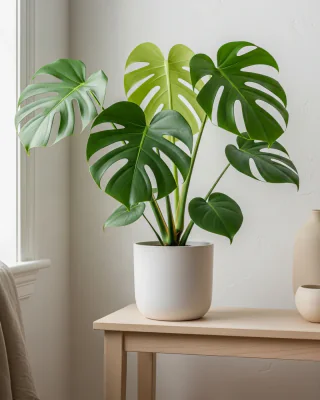
 Not sure it’s this plant?Check yours with a photo, free
Monstera Monstera deliciosa
What to do if your pet ate it
If you think your cat or dog ate any part of the plant, act quickly. Do not wait for symptoms to appear.
- Remove the plant from the pet’s reach.
- Call your vet or an emergency animal clinic immediately.
- When you call, have the plant’s name or a photo ready. Tell the vet roughly how much your pet ate and when.
Do not induce vomiting unless a vet specifically instructs you to. It can make some poisonings worse.
How urgent is it?
Go to a vet now
trouble breathing, trouble swallowing, or swelling at the back of the throat.
Call your vet today
vomiting or diarrhea, a pet that will not eat, or a large amount eaten.
Usually settles at home
drooling, head shaking or pawing at the mouth right after a bite. The ASPCA says many of these exposures can be managed at home and long-term effects are not expected.
In the US: ASPCA Animal Poison Control Center, (888) 426-4435 (a consultation fee may apply).
Symptoms
Possible signs include:
- Oral irritation
- Pain and swelling of the mouth, tongue, and lips
- Excessive drooling
- Vomiting
- Difficulty swallowing
Non-toxic plants for similar light
 Kentia palmHowea forsterianaBright, indirect lightPet-safe
 Money treePachira aquaticaBright, indirect lightPet-safe
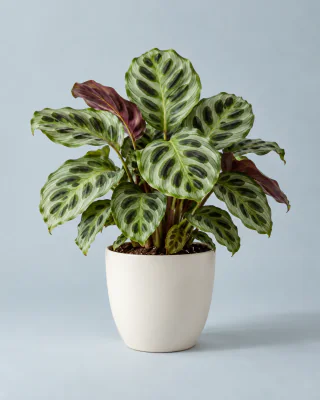 Peacock plantCalathea makoyanaBright, indirect lightPet-safe
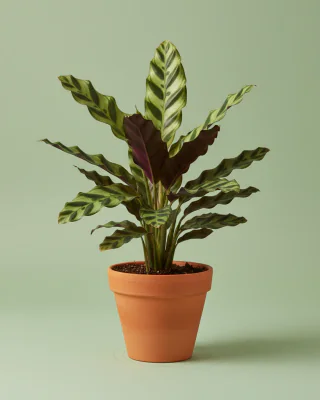 Rattlesnake plantCalathea lancifoliaBright, indirect lightPet-safe
See all pet-safe alternatives →
The ASPCA Ceriman record identifies Monstera deliciosa as toxic to cats and dogs, names insoluble calcium oxalates, and lists the signs shown above. This is reference information, not veterinary advice.
All Monstera guides
Related plants
Common questions
Is Monstera toxic to cats?
Yes. Monstera deliciosa is toxic to cats. Insoluble calcium oxalates can cause oral irritation, pain and swelling of the mouth, tongue and lips, excessive drooling, vomiting, and difficulty swallowing.
Is Monstera toxic to dogs?
Yes. Monstera deliciosa is toxic to dogs. Insoluble calcium oxalates can cause oral irritation, pain and swelling of the mouth, tongue and lips, excessive drooling, vomiting, and difficulty swallowing.
ASPCA reference · Last reviewed: