



Soil for a Monstera
Monstera deliciosa
Quick answer
Use a peat-free, loam-based houseplant potting mix that drains freely but stays evenly damp. Add support as the climber matures.
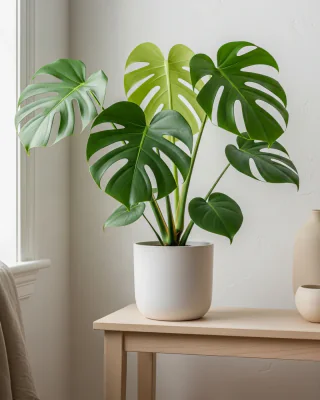
 Not sure it’s this plant?Check yours with a photo, free
Toxic to pets
Soil for a Monstera
- 01
Best soil mix
Use a peat-free, loam-based houseplant potting mix. Mixing in some fine bark makes it more open and helps it drain. There is no single correct ratio of bark, coir, perlite or grit.
The pot should drain freely while the mix stays evenly damp. Poor drainage and constantly wet soil cause root problems, but the mix should not be bone dry either, so never leave the pot standing in water.
- 02
Match the mix to the pot and setting
This is an indoor-container decision for Monstera deliciosa, a climbing tropical plant that may need support as it matures. Outdoor or under-glass soil conditions should not be silently treated as a small room-pot recipe.
- 03
Soil pH
Aim for a slightly acidic mix, around pH 5–6. Read it together with how the pot drains, how full of roots it is and how fast it dries.
- 04
When soil alone is not the problem
Pot size, root fill, light and watering history decide whether the mix is working. Check those before you change the soil, and change it when the mix has broken down or stopped draining.
All Monstera guides
Keep reading
Sources3 references
- Royal Botanic Gardens, Kew: Plants of the World OnlineTaxonomy · accepted name · classification
- North Carolina State University Extension Gardener Plant ToolboxModerate brightness · warm temperature · humidity · top-quarter to one-third dry-down · support · spring repotting · indoor size
- Royal Horticultural SocietyPartial shade · moist but well-drained · H1B · peat-free loam compost · bright indirect light · monthly feeding · pests · Indoor temperature · humidity · indirect light · arum safety context · size and cultivar distinctions
Last reviewed: