



What makes a good houseplant mix
Structure is the first thing. You should be able to see coarse material in it, such as bark pieces, coir fibers, wood fiber, perlite or pumice. Those parts hold the structure open and are still there after months of watering.
The second is how it takes water back. A mix that has dried out completely should absorb water again instead of letting it run down the side of the pot.
The third is a nutrient supply for the first few weeks. Almost every bagged mix brings one, which is why you do not feed right after repotting.
Houseplant mix is usually built to be more structurally stable and leaner than an all-purpose or outdoor container mix, which is made for fast-growing annuals. A good all-purpose mix still works for many tough foliage plants if you open it up with coarse material.
You can tell a cheap mix by its weight and its smell. Very heavy bags often hold a lot of fine sand or dense composted material, and a sour, rotten smell on opening means the bag was stored wet too long.
What is in the bag
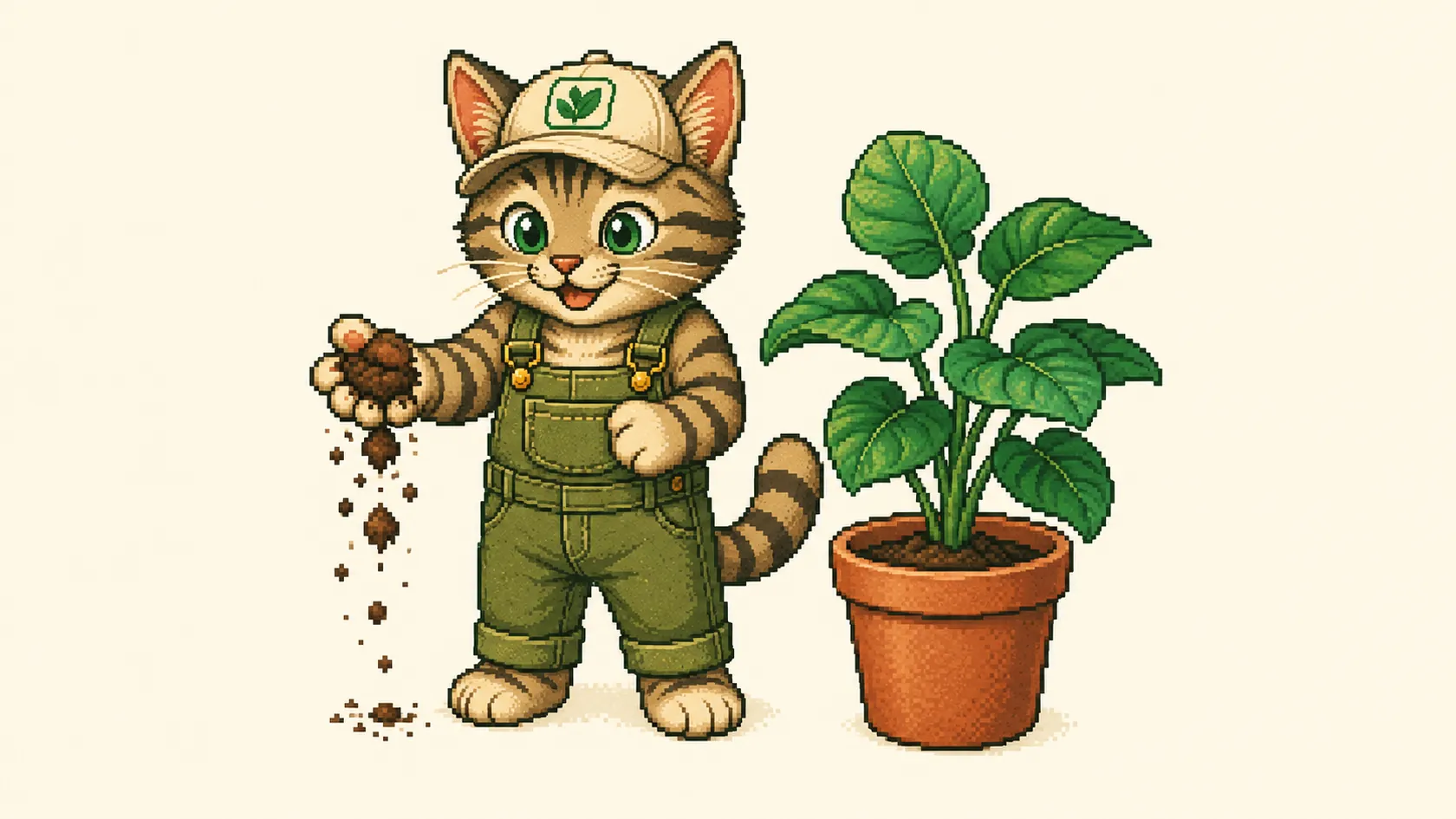
Compost and composted bark supply nutrients and part of the water holding. Their share decides how dark and how heavy a mix is.
Wood fiber and coir fiber provide structure. Wood fiber ties up some nitrogen as it breaks down, so mixes with a lot of it need feeding sooner.
Coco coir, the fine milled kind, holds a lot of water at low weight. On its own it carries almost no nutrients and gets used for starting plants or as a component.
Perlite and pumice are the two amendments that make any mix airier. Perlite is white and very light, and pumice is gray, heavier and does not float up when you water.
Clay, loam and lava granules hold nutrients and give a very light mix some weight. In large planters that is useful, because the pot then does not tip.
Sand only makes sense as coarse sand. Fine play sand fills the pores between the crumbs and makes the mix denser instead of more open.
Peat-based and coir-based mixes
Most bagged mixes are still built on peat, and peat-free mixes based on coir, bark and wood fiber are on the shelf beside them. The great majority of houseplants grow in either without any adjustment.
They behave differently when you water. A coir or bark-based mix dries at the surface faster and looks pale up top while the root ball underneath still holds water. So check an inch or two down instead of feeling the surface, or you water too early.
Peat-free mixes are also hungrier. If a plant goes pale from the bottom up after a few months and puts on smaller growth, regular feeding through the growing season is the first answer.
Any mix that has dried out completely often takes water back badly. Stand the pot in a bowl of water for twenty to thirty minutes and let it drain fully afterward.
When you need a special mix
Orchids such as the moth orchid grow on trees in the wild. Their roots need coarse bark with plenty of air between the pieces, and they suffocate in ordinary potting mix.
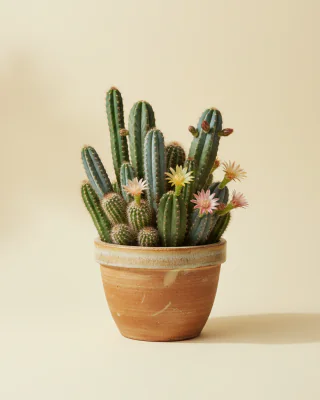
Cacti and succulents need a mineral-heavy mix that dries out quickly after watering. Bagged cactus mix does that, and so does houseplant mix with a large share of pumice or lava.
Seed-starting mix is deliberately low in nutrients and fine textured. Seedlings and fresh cuttings put out roots in it instead of making leaf mass right away.
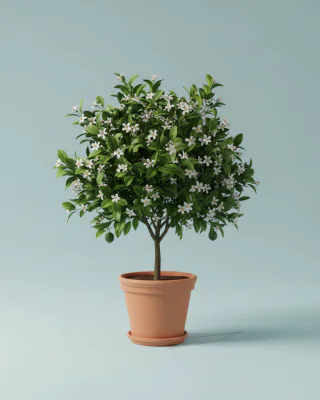
Citrus and other Mediterranean container plants get a coarse, structurally stable mix with a mineral share, because they stand in the same pot for years.
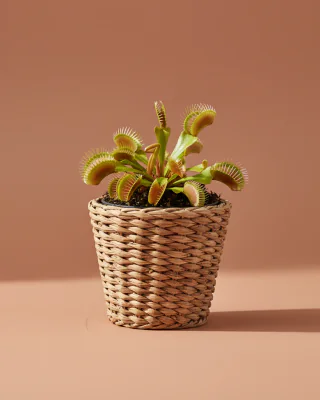
Carnivorous plants such as the Venus fly trap take no fertilizer and no ordinary mix. They stand in an acidic, nutrient-free medium and get watered with distilled water or rainwater.
Fully mineral substrates with no organic part are their own way of growing. The plant sits in granules or pumice and gets every nutrient through the water, which calls for a different watering and feeding routine than soil.
Mixing your own
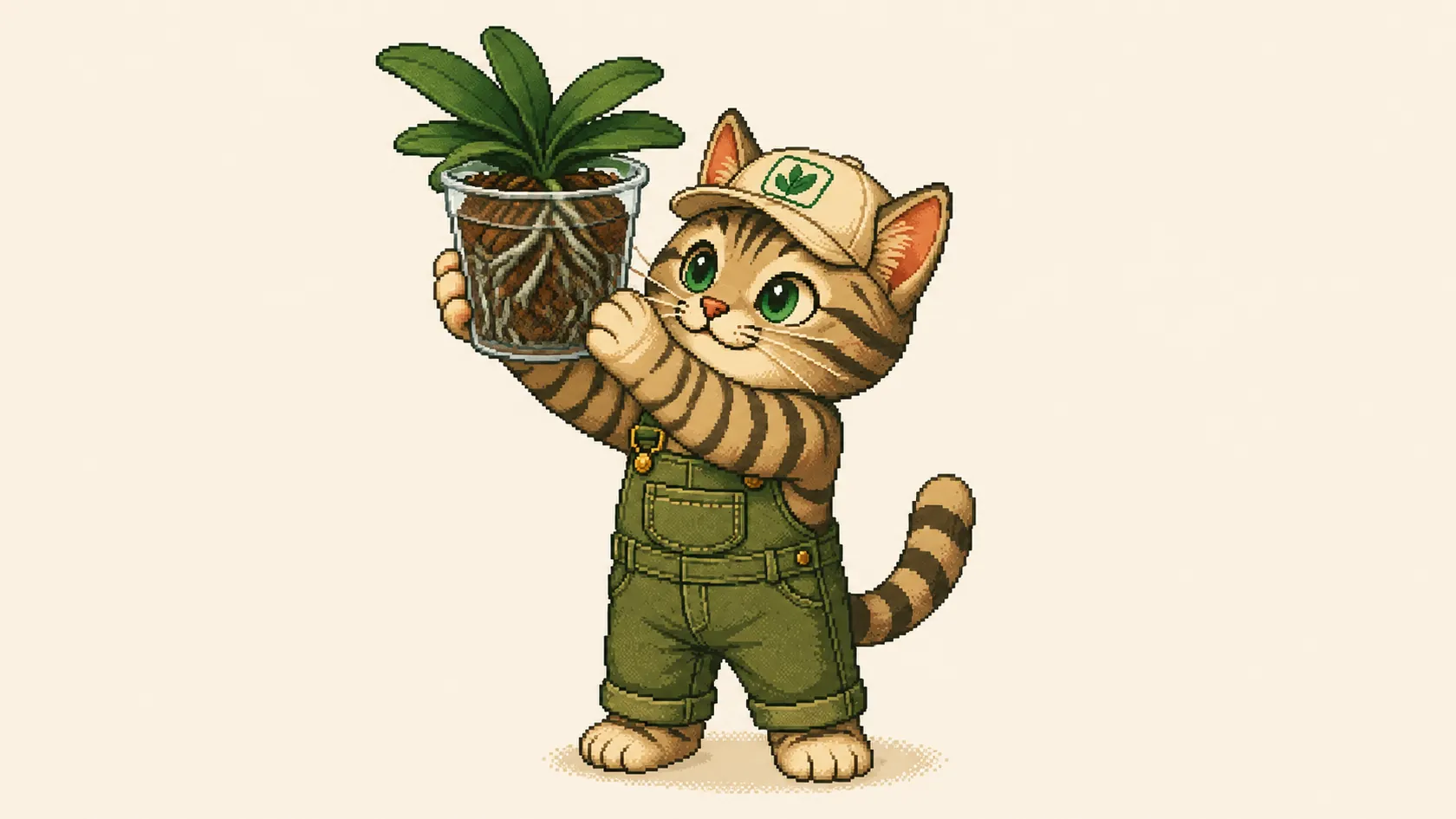
A simple base mix for most foliage plants is three parts houseplant mix to one part perlite or pumice. After mixing, you should clearly see the grains in the finished blend.
For species that prefer to stand drier, such as snake plant, ZZ plant or jade plant, take half coarse mineral material.
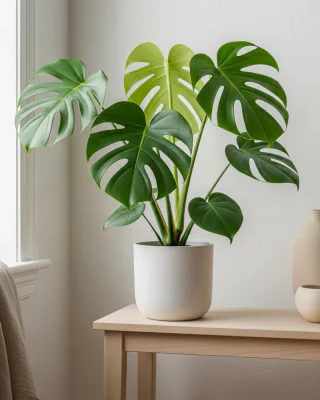
For climbers with thick roots like Monstera and philodendron, add pine bark as well. It keeps the structure open for years.
Ferns and plants that want it evenly damp get a share of coco coir, which holds the water longer.
Always mix the whole batch in a bucket before you fill the pot. Layers of different materials make water stop at the boundary between them.
Garden soil, old mix and storage
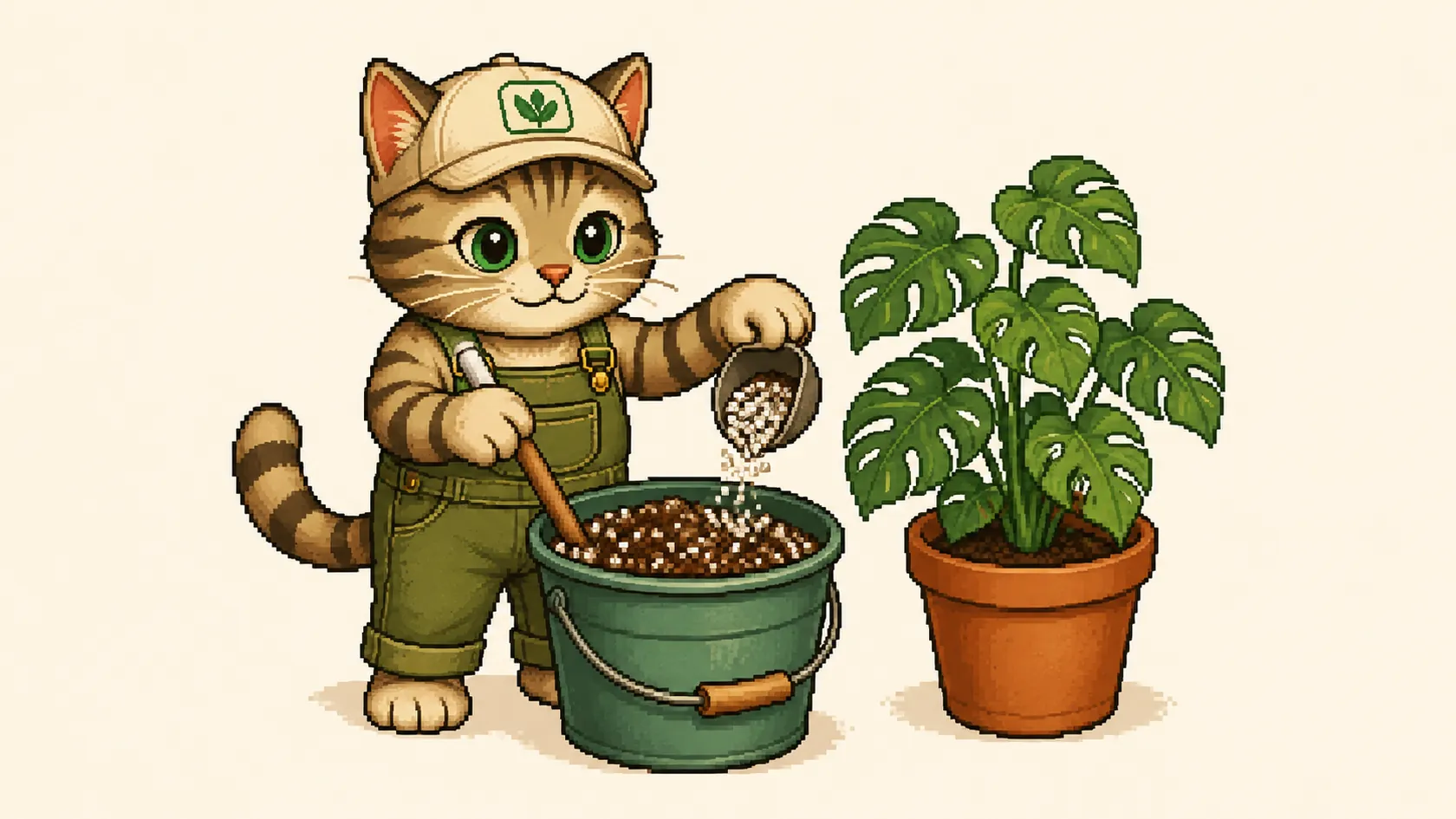
Garden soil does not belong in an indoor pot. In a container with no soil life it compacts heavily, it holds water too long, and it brings larvae, seeds and fungi into the house.
Old potting mix is structurally spent after a year or two. The coarse parts have broken down, the structure collapses and the nutrients are used up. Fresh mix goes in the pot when you repot.
You can reuse it for undemanding plants if it did not come from a pot with root rot or a heavy infestation. In that case blend it about half and half with fresh mix and coarse material.
Fungus gnats often arrive with damp, organically rich mix. A bag that already sends up small black flies when you open it is one to put back.
Store an opened bag dry and loosely closed. Mix stored wet in a sealed bag turns oxygen free and then smells sour, and that state does not reverse.
Related plants
Keep reading
Common questions
What is the best soil for houseplants?
A structurally stable houseplant mix with visible coarse material that does not collapse after watering. For orchids, cacti and succulents you take the matching special mix instead.
What is the difference between potting soil and houseplant mix?
All-purpose potting soil is made for fast-growing annuals and is usually richer and finer. Houseplant mix is built to stay structurally stable, because it sits in the same pot for years. A good all-purpose mix opened up with perlite or pumice does the same job.
Is peat-free potting mix good for houseplants?
Yes, it carries the great majority of houseplants. Its surface dries faster than the root ball below, so check an inch or two down. It also needs more regular feeding through the growing season.
Can I use garden soil for houseplants?
Better not. In a pot it compacts, holds water too long and brings in larvae, weed seeds and fungi. If you use it anyway, blend in no more than a small share with a structurally stable houseplant mix.
How often should houseplant soil be changed?
When you repot, meaning once the root ball has filled the pot. For slow growers that stay in the same pot a long time, swap the top layer for fresh mix after a year or two.
Can you reuse old potting soil?
For tough plants yes, as long as it did not come from a pot with root rot or pests. Blend it about half and half with fresh mix and coarse material, because its structure has already collapsed.
Last reviewed: 2026-09-07