


Cactus and succulent soil
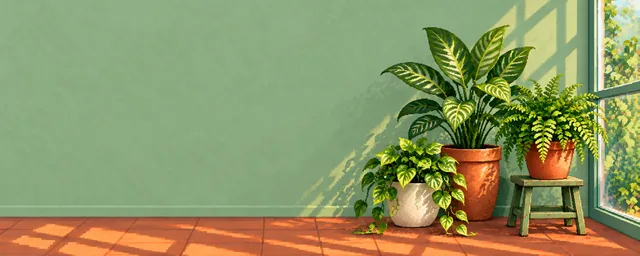
Cacti soil and succulent soil need coarse mineral ingredients, air around the roots and a pot with drainage holes.
Good cactus and succulent soil is a gritty, free-draining potting mix. Coarse mineral ingredients such as perlite, pumice and horticultural grit help keep the root zone open. The pot still needs drainage holes.
Choose the mix for the plant. Desert cacti and many leafy succulents suit gritty soil. Christmas cactus is a rainforest epiphyte and needs a different balance of air and moisture.
What a good cactus potting mix contains
The organic component holds some water and nutrients. Coarse mineral components keep the mix loose and help it drain. Mineral content is useful, but one percentage cannot describe the right soil for every succulent.
Use materials sold for horticulture. Mix the mineral ingredients throughout the soil. A gravel layer at the bottom does not improve drainage and cannot replace drainage holes.
DIY succulent soil: a sourced four-part recipe
UC ANR Sonoma County Master Gardeners recommends equal parts of these four ingredients for container succulents. Measure by volume with the same scoop.
An alternative RHS cactus soil recipe
The RHS recommends 2 parts peat-free John Innes No. 2 potting compost and 1 part horticultural grit or horticultural sharp sand, measured by volume. John Innes No. 2 is a loam-based potting compost, not plain garden soil.
These recipes have different starting materials. The UC recipe has three mineral parts out of four, or 75% by volume. The RHS adds one part grit to two parts of a compost that already contains mineral material. Those figures are not interchangeable targets.
When to repot
Repot in spring when the roots have filled the container or the plant has outgrown its pot. Choose a modest increase in pot size. Excess soil in an oversized pot can remain wet and encourage rot.
Check drainage before choosing a new recipe. Empty standing water from the saucer or outer pot. A pot with no outlet stays unsuitable even when the soil is gritty.
Signs the soil or drainage is wrong
Soil that stays wet while the plant develops soft, rotting tissue needs attention. Overwatering can damage roots, stunt growth and cause blistering. Check the roots and drainage rather than adding more water because the leaves look shriveled.
Shriveling can also come from too little water. Weak, stretched growth can mean insufficient light. A leaf symptom alone does not prove that the potting mix is at fault.
Christmas cactus needs a different mix
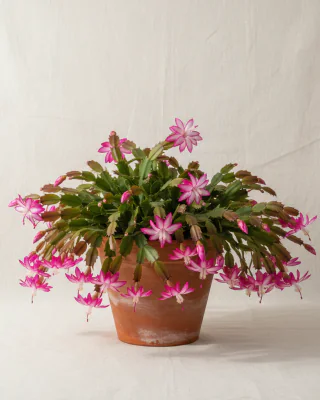
Christmas cactus grows on other plants in tropical forests. Use a free-draining houseplant compost or the loam-based mix with added leafmould and grit described by the RHS. Do not give it a desert cactus watering routine.
Iowa State Extension recommends well-drained potting soil and keeping it evenly moist while buds and flowers develop. Repot only when it has outgrown the container, in spring or early summer when it is not flowering.
Match the mix to your plant
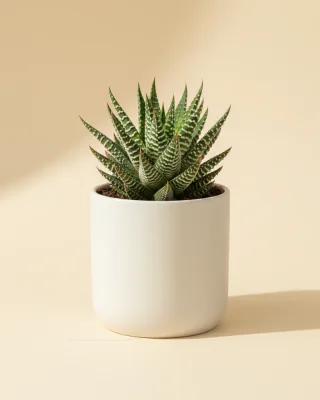
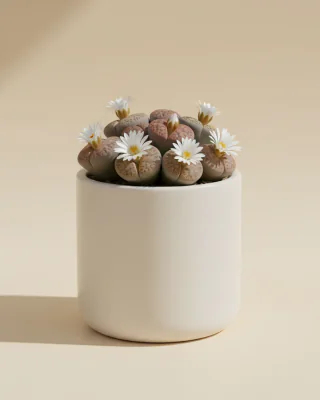
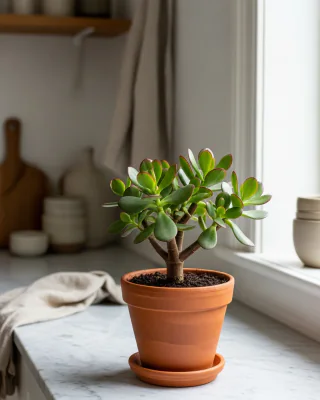
Use the linked aloe, echeveria, haworthia and jade guides for each plant’s watering and light needs. Check the lithops guide before potting living stones, whose seasonal watering needs differ. The Christmas cactus guide explains its epiphytic care.
Related plants
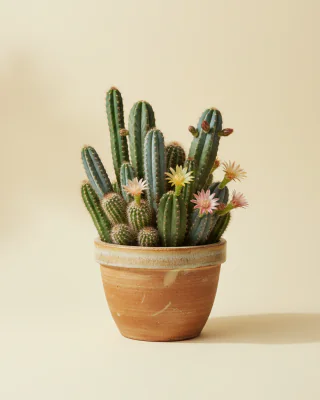
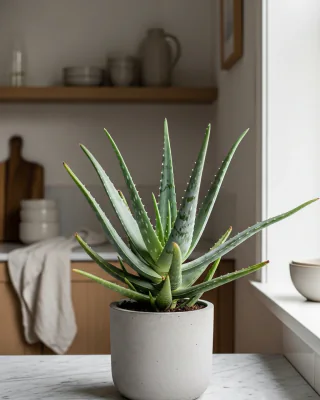
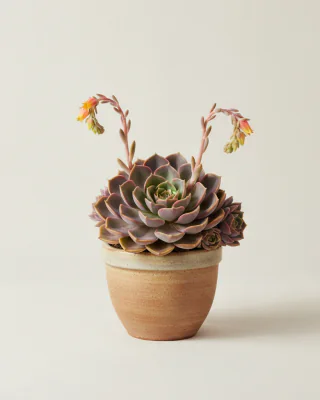
Keep reading
Common questions
Can I use regular potting soil for succulents?
Use a free-draining cactus mix or a sourced recipe that combines potting soil with coarse mineral ingredients. Plain potting soil may hold too much water for desert cacti and many succulents.
Are cactus soil and succulent soil the same?
The labels often describe similar gritty mixes. Check the ingredients and the plant’s needs. Christmas cactus and lithops should not be treated as interchangeable with every other succulent.
How much mineral material should succulent soil contain?
The UC container recipe has 3 mineral parts to 1 part potting soil by volume. That is one sourced recipe, not a minimum percentage for every species.
Last reviewed: