



Light and where the plant stands
The brightest spot in the room is the right one. A south or west window with several hours of direct sun carries most succulents through the year.
Too little light shows in the growth. The plant reaches toward the window, the gaps between the leaves get wider and the rosette loses its compact shape. That does not reverse. The stretched part stays stretched, and only the new growth at a brighter spot comes in tight again.
Color says something about the spot as well. Many species turn reddish in strong light or take on a dark edge, while in shade they stay an even pale green.
A plant that spent the winter behind a curtain does not go straight into full midday sun in March. Give it two or three weeks to adjust, or you get dry, light brown patches on the leaves. Those patches are burns and they do not grow out.
In summer succulents do well outdoors in a spot sheltered from rain. The stronger air movement and the direct light make growth more compact than any indoor position.
Watering
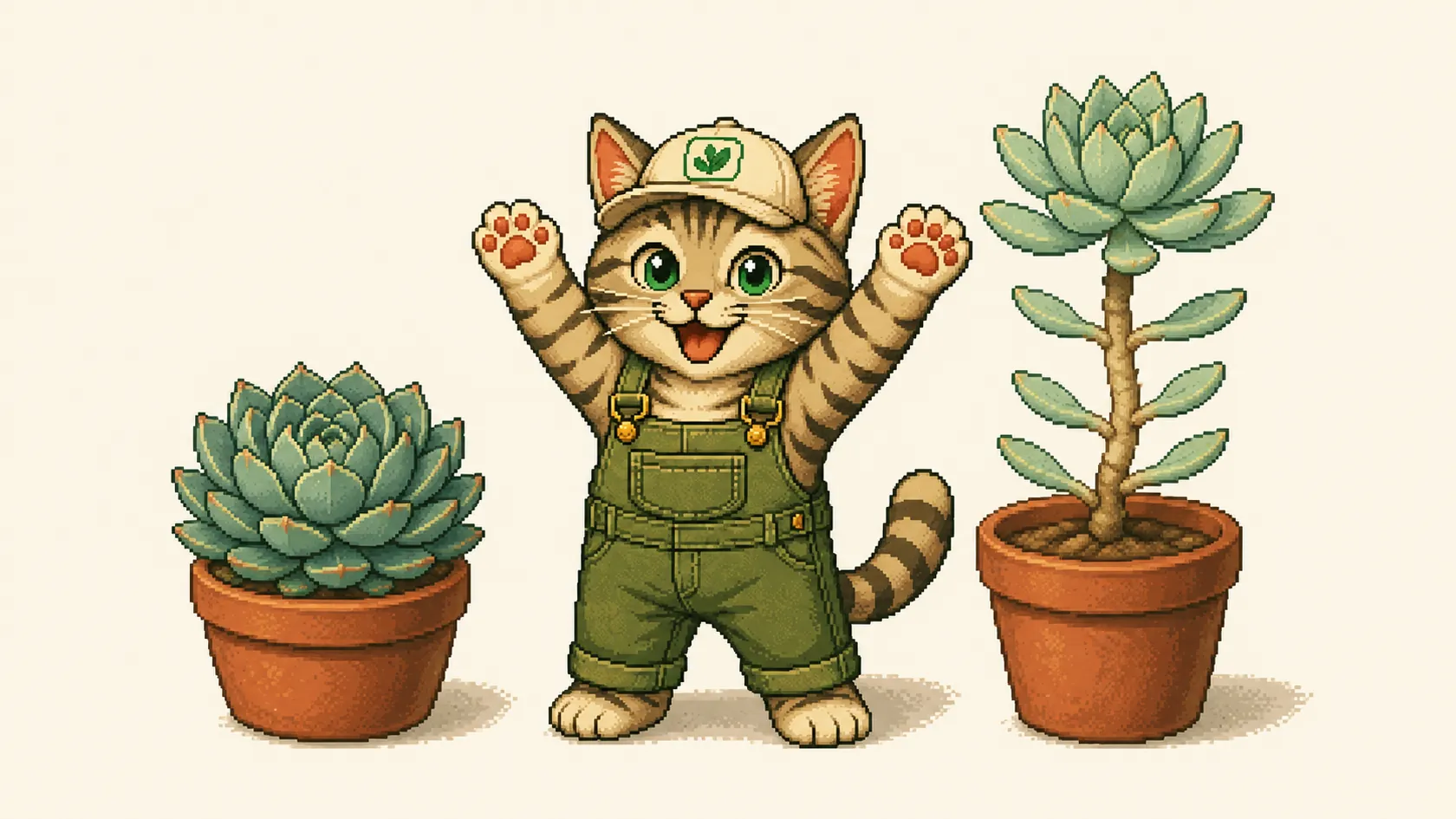
Water thoroughly, then leave it alone for a long time. Pour until water runs out of the bottom, then keep the plant dry until the mix has dried all the way through.
The finger test at the surface is not enough on a succulent. Push a wooden skewer down to the bottom of the pot or lift the pot instead. A pot that still feels heavy has water low down, even when the top layer is bone dry.
The leaves are the second signal. When they soften and fine wrinkles appear, the plant has been living off its store and can be watered. Within a few days the leaves are plump again.
Water onto the mix and not into the rosette. Water that sits between tightly packed leaves in the center leads to rot there.
In winter a succulent in a cool spot needs very little. If it stays in a warm, bright room it keeps growing and keeps being watered, just less often than in summer.
Too much water shows as glassy, translucent leaves that give under a fingertip and come away easily. It usually starts at the bottom. Take the plant out of its pot at that point and look at the roots.
Potting mix and pot
Succulents need a mix that dries out again quickly after watering. Cactus mix with a high mineral content does that, and so does ordinary houseplant mix cut half and half with pumice, lava rock, coarse sand or perlite.
Fine peat-based all-purpose mix on its own holds water too long. It slumps as you water and squeezes the air out of the root ball.
A drainage hole is not optional. Decorative glass, bowls without a hole and closed cachepots collect water under the plant where you cannot see it.
Terracotta helps, because it gives up water through the wall and the root ball dries faster. A plastic pot works too, you just wait longer between waterings.
A layer of decorative gravel on top keeps the mix underneath damp longer and makes the finger test impossible. If you want the look, check the moisture with a skewer instead.
Feeding and repotting
Succulents grow slowly and need little. A weak dose of cactus fertilizer during the growing months is enough. Too much nitrogen pushes soft, water-filled tissue that rots more easily and loses the shape the species is known for.
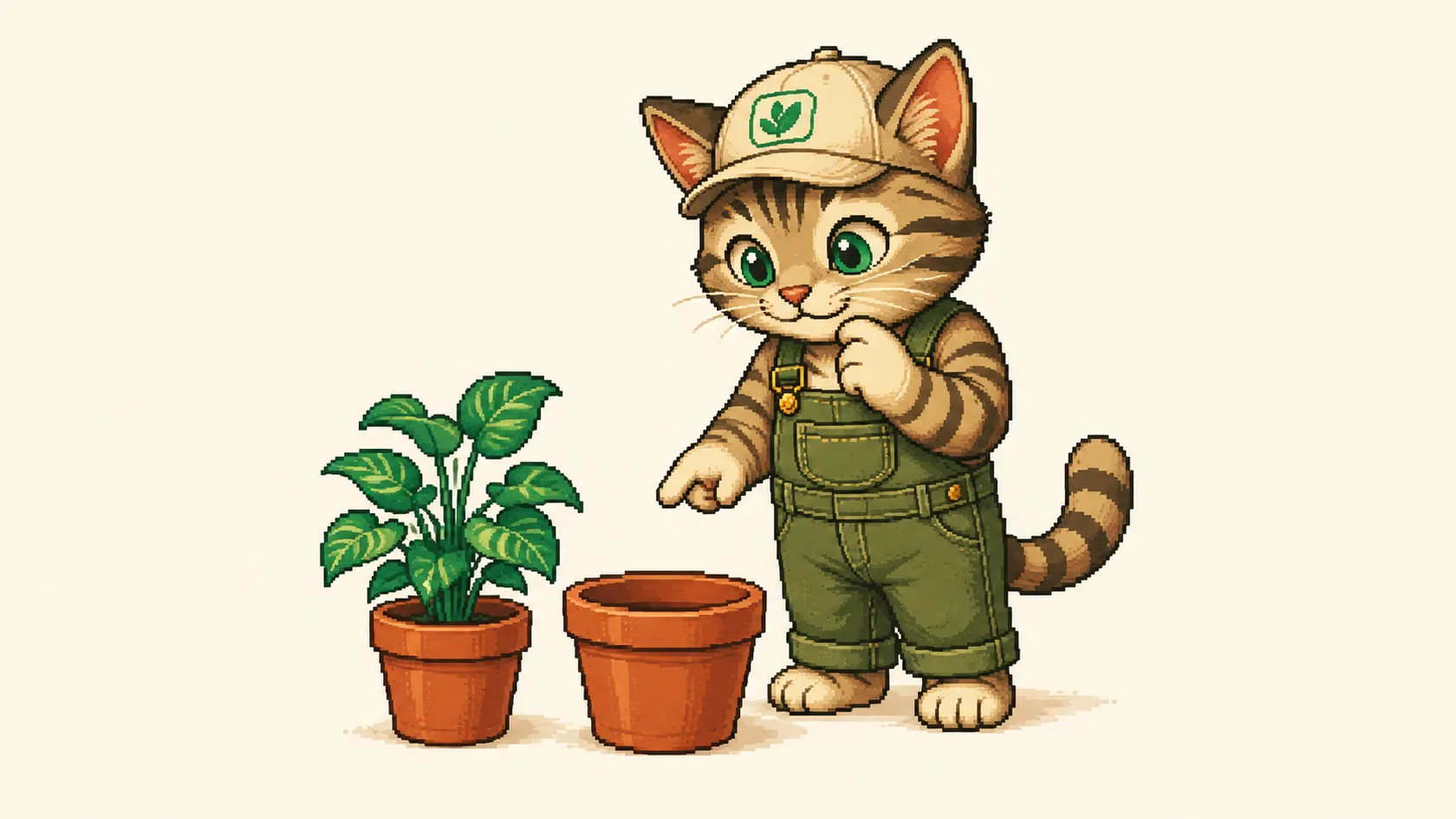
Repot when the root ball is full of roots or the rosette hangs over the rim. The new pot goes up one size, otherwise too much mix sits there without roots in it and stays wet.
Repot while everything is dry. Mineral mix falls away from the roots easily then and fewer roots break.
Wait a few days after repotting before the first watering. Small injuries on the roots dry over in that time instead of rotting in wet mix.
Growing new plants
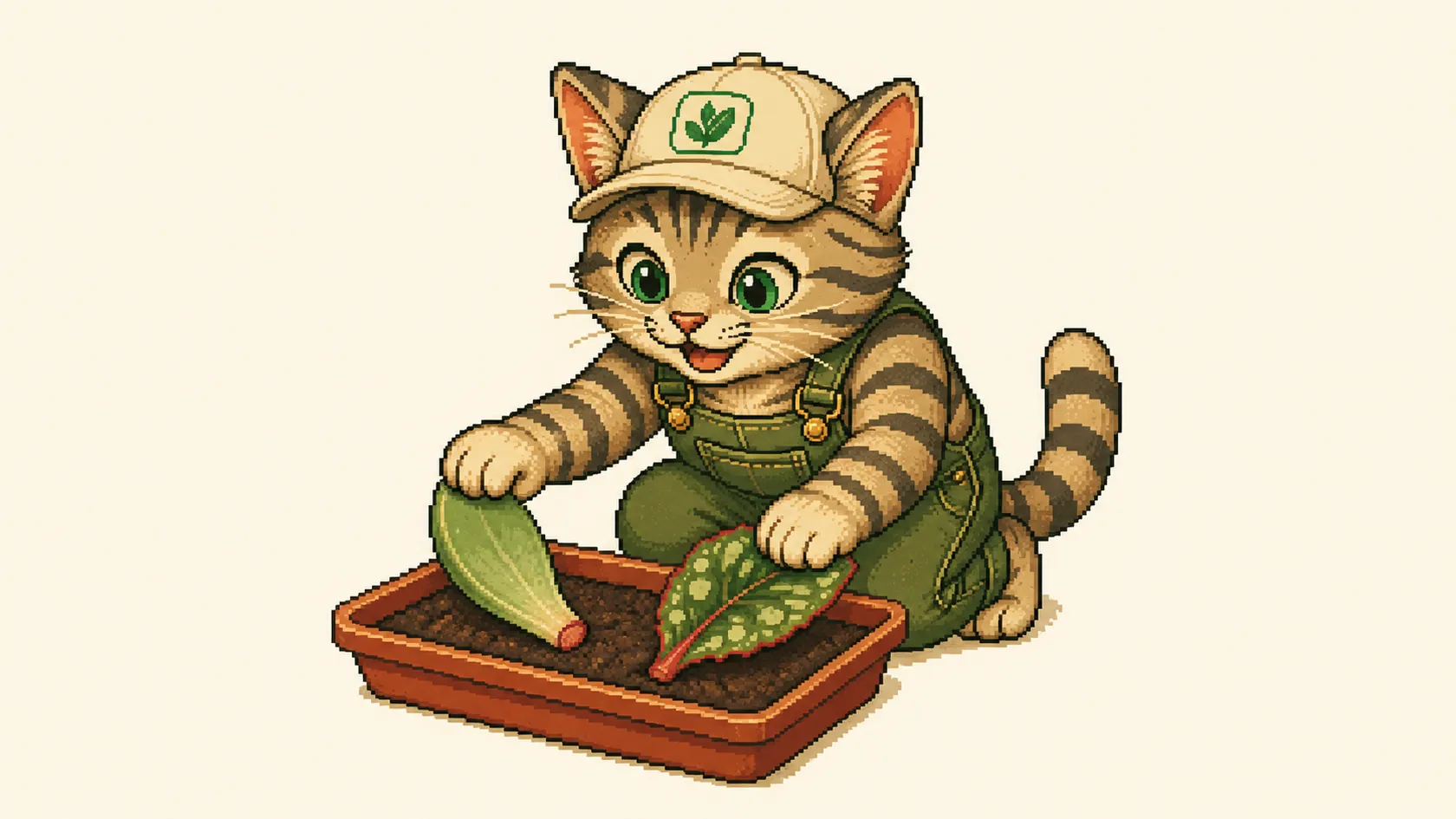
On many thick-leaved species a single leaf is enough. Twist it off the stem cleanly so no part of it stays behind on the shoot. A leaf torn off without its base does not sprout.
Leave the leaves in the open air for two or three days until the base has calloused over. Only then do they go onto dry mix, base up or to the side, not buried.
Mist the surface lightly every few days. It has worked when fine roots and a small rosette appear at the base. The old leaf feeds the new plant, shrivels as it does and drops off on its own at the end.
Aloe, haworthia and many rosette species produce offsets at the base. Separate an offset that has roots of its own while repotting, let the cut dry for a day and pot it into mineral mix.
On a stretched plant a top cutting is the answer. Cut the head off with a clean blade, let the cut dry for a few days and set it into dry mix. The stump in the pot usually breaks again below the cut, often in several places.
Cuttings and leaves stand bright but out of hard midday sun. Without roots the plant cannot yet make up for the water it loses.
What commonly goes wrong
Mealybugs settle in the leaf axils, where they are hard to see. White cottony dots collect between tightly packed leaves. Look there regularly, especially on plants that stand warm and dark over winter.
Black, soft spots on the stem just above the mix are stem rot. Cut above the affected part until the cut surface is clean and pale, and root the head again. The lower part is lost.
Brown, dry leaf tips on otherwise firm leaves come with age. Lower leaves that dry up and go papery are shed by the plant as it grows, which is normal.
A succulent that puts out long, thin growth in winter has stood too warm and too dark. A cooler spot slows the growth down and the plant waits for more light instead of searching for it in the dark.
Related plants
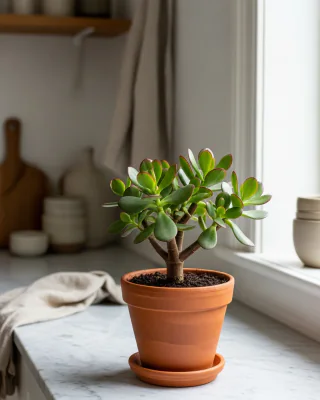
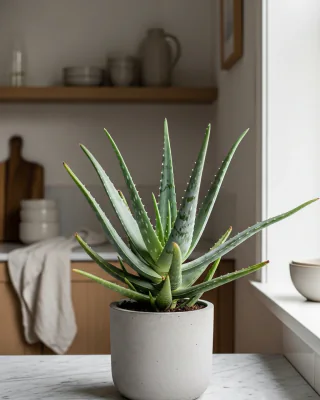
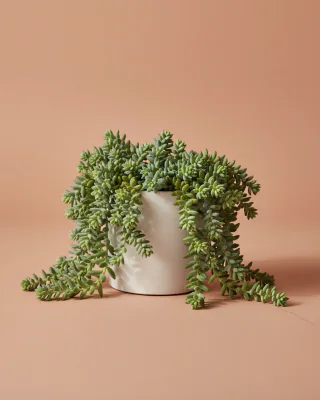
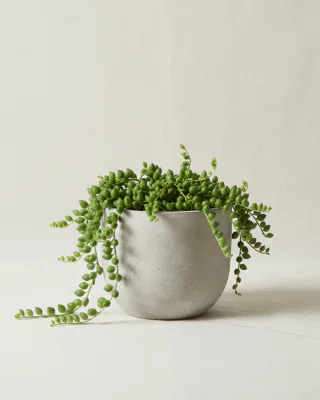
Keep reading
Common questions
How often should you water a succulent?
Only once the mix has dried through to the bottom of the pot. In summer at a sunny window that can be every one to two weeks, in a cool winter spot it can be nothing at all for weeks. Check with a wooden skewer or by the weight of the pot rather than by the calendar.
How do you propagate succulents?
From leaves, offsets or top cuttings. A cleanly twisted-off leaf dries for two or three days and then lies on dry mix until roots and a small rosette appear. Offsets that already have roots can be separated during repotting.
Why is my succulent turning soft and mushy?
Because too much water is sitting in the pot. Glassy, translucent leaves that fall away are the first finding, and the cause is at the roots. Take the plant out, cut off brown soft roots and set it into dry mineral mix.
What soil do succulents need?
A mix with a high mineral content that dries out quickly. Ready-made cactus mix works, and so does houseplant mix cut half and half with pumice, lava rock or coarse sand.
Can succulents take direct sunlight?
Most species take several hours of direct sun and grow most compactly there. After a dark winter the plant needs two or three weeks to adjust, otherwise you get pale, dry burn marks.
How do you overwinter succulents?
Bright and cool is best, in an unheated room or a cold stairwell. There the plant rests and needs almost no water. In a warm living room it keeps growing and stays thin and stretched if the light is short.
Last reviewed: 2026-09-07