What you see
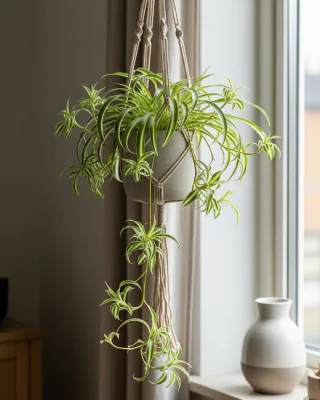
A finger goes an inch or two down and the soil is still wet there. Often there is water standing in the cachepot or the saucer as well.



The flies annoy you, the larvae in the wet soil are the problem. Dry the top, then treat the larvae.
The flies themselves do no damage. Their larvae live in the top inch or two of the soil and eat dead material and fine roots there. Seedlings, cuttings and freshly repotted plants suffer from that. Strong established plants barely do.
Every measure that works goes at the larvae and at the damp surface they live in. Fight only the flying adults and you start over in two weeks.
Fungus gnats lay their eggs in damp soil surfaces. If the top layer dries out regularly, eggs and young larvae die and the population collapses on its own.
Before each watering, push a finger an inch or two into the soil. If it still feels wet down there, wait. Plants that cannot take a longer dry spell still get watered as needed, but pour into the saucer and tip the rest away after half an hour.
The weight of the pot is the second clue. Lift it right after watering and again a few days later. The difference is clearer than any look at the surface.
At the same time, check whether water is standing in the cachepot or the saucer. A layer that stays wet at the bottom keeps the soil damp on top and is often the real reason for the infestation.
Look at
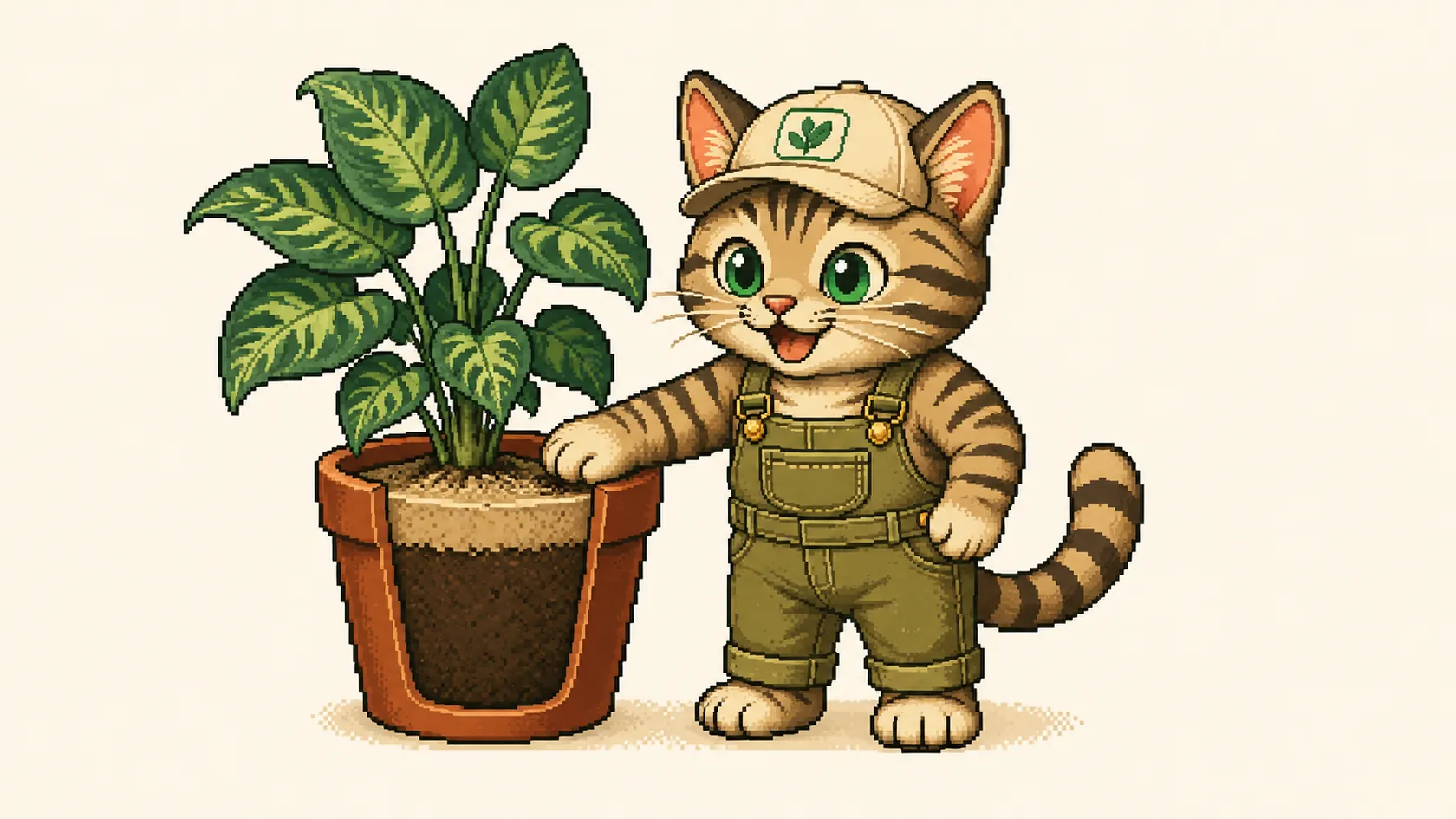
Yellow sticky cards catch the flying females before they lay. Push them in low over the soil rather than up among the leaves, because the insects travel close to the surface.
On their own they are not enough, because the larvae in the pot stay untouched. Their real value is in the count. If each card catches fewer insects from week to week, what you changed at the soil is working.
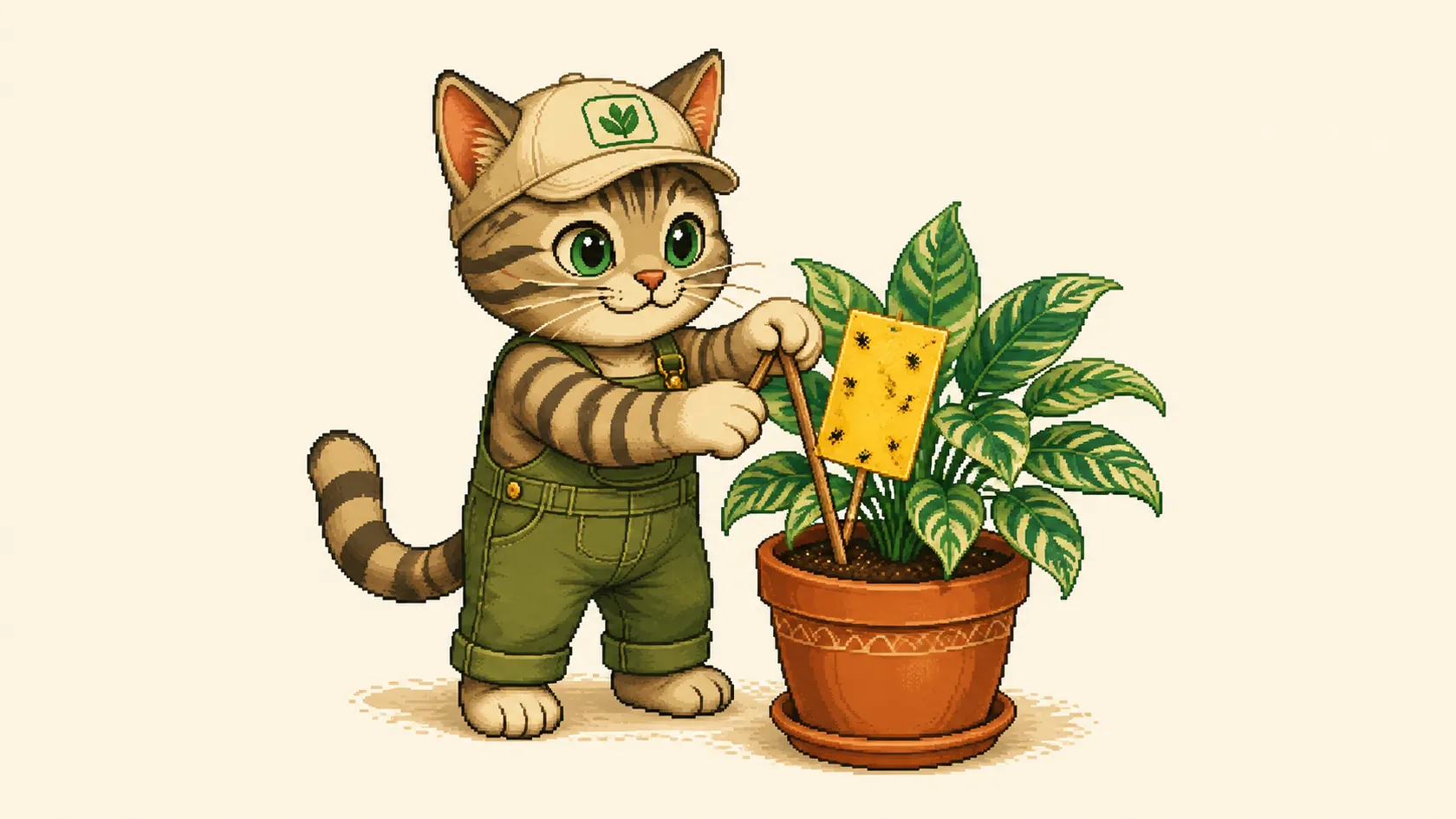
Nematodes of the species Steinernema feltiae are microscopic roundworms that attack the larvae in the mix. They are the targeted route against the generation already sitting in the pot.
You stir the powder into water and water every affected pot with it. Keep the soil evenly damp for the following weeks, because the nematodes only move in the film of water between the particles. A surface that dries out completely ends the treatment early.
This is where two measures contradict each other. Decide per pot: either keep it dry, or use nematodes and keep it damp for them. Both at once does not work.
Nematodes are living organisms. They ship chilled, they keep for a limited time, and they no longer work if the pack stood warm too long. Use them fresh and repeat the dose the way the pack says, because eggs keep hatching in the mix.
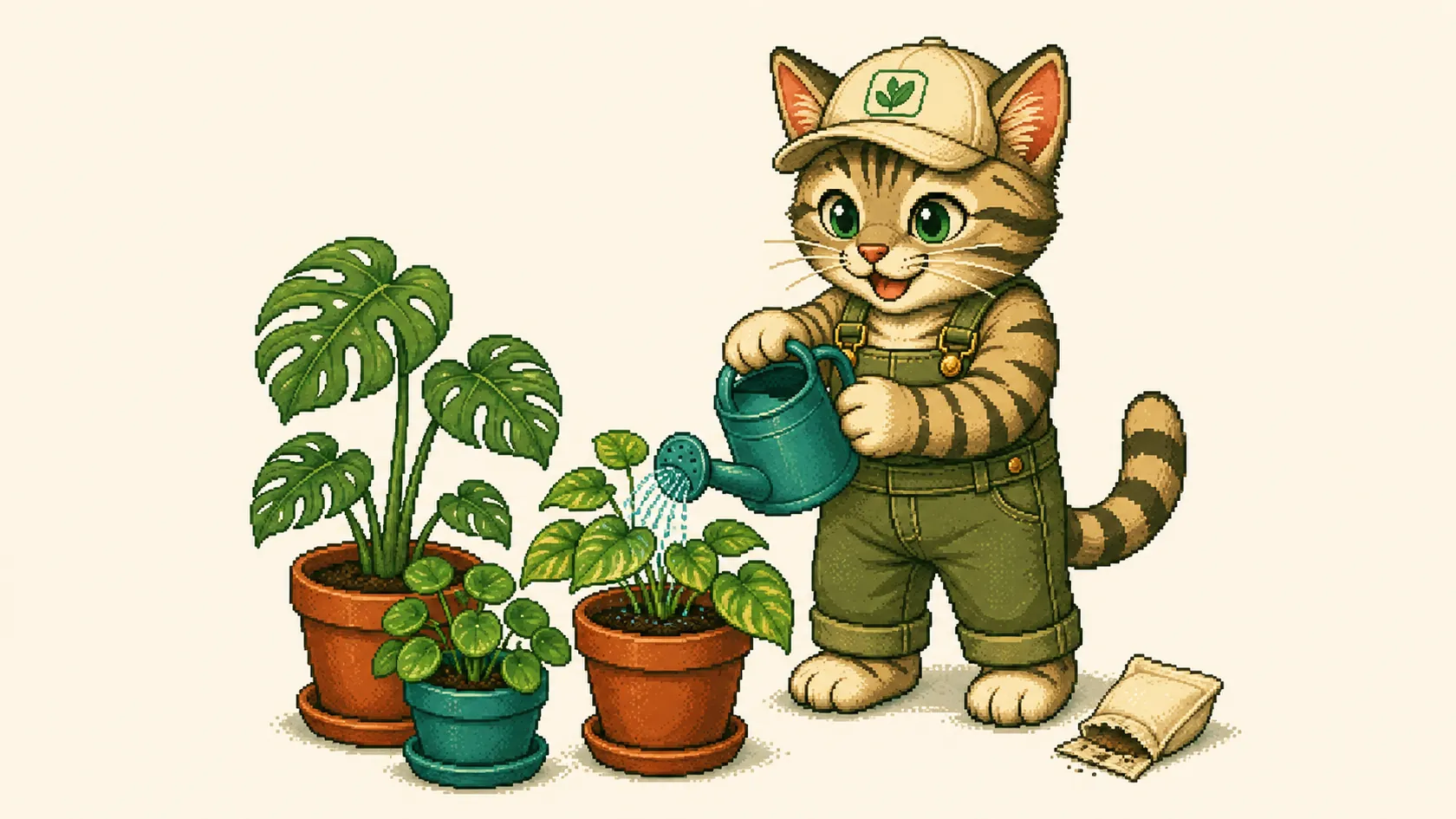
A layer of coarse sand, fine grit or clay pebbles on the soil takes the laying surface away from the females. An inch is enough, but it has to lie across the whole surface and reach the rim.
Repotting only helps if you shake most of the old mix off the roots. Leave the colonized root ball intact and the larvae move house with it. With a weakened plant, wait with this until it has recovered.
Clear fallen leaves and old flowers off the soil while you are at it. That is the food the larvae live on besides the roots.
Some infestations arrive with the mix. A bag that sat outdoors at the store or stood open holds eggs and larvae more often than a dry, undamaged one.
Peat reduced and strongly mineral blends with a high share of sand, pumice or lava dry out faster on top and offer the larvae less organic material. A mix that rules fungus gnats out does not exist.
Close opened bags between repotting jobs and store them dry. A damp leftover amount in an open bag is an ideal nursery.
Sticking matches head down into the soil is the best known tip and has no effect on the larvae.
Cinnamon, baking soda and dish soap in the watering can come up just as often. Cinnamon works at most against mold on the surface, and dish soap in the root zone harms the plant more than the larvae.
Carnivorous plants on the windowsill catch the odd fly. On the population in the pot they have no measurable effect.
Through a drier soil surface combined with nematodes against the larvae. Sticky traps come on top, to catch the flying females and follow the trend. Anything that only hits the adults buys you a pause rather than a solution.
The powder is stirred into water and poured over the soil. The mix then has to stay evenly damp for several weeks, or the nematodes do not survive. Repeat as the pack says, because new larvae keep hatching.
Yellow sticky cards catch the flying females and tell you whether the population is falling. They reach nothing in the soil, so on their own they never end an infestation. Push them in low over the surface, where the insects fly.
For a strong, well rooted houseplant they are mostly a nuisance. In seed trays, cuttings and freshly repotted plants the larvae eat the fine roots, and those plants stall or topple over.
Expect several weeks, because new larvae keep hatching in the mix. As long as fewer insects stick to the traps from week to week, the treatment is on track.
Treat every pot in the same room. The flies move between plants, and an untreated pot builds the population back up.
Last reviewed: 2026-09-07