



You still do not have to throw them away. This page sorts out what they can do, in which form they are defensible in a pot, and where they reliably cause damage.
What is in coffee grounds and how much of it arrives
Used grounds contain nitrogen, potassium and phosphorus, in low concentration and in an organically bound form. The plant can do nothing with them until microorganisms have broken the material down.
In open garden soil that breakdown runs along at a decent pace. In a pot in the living room the soil life is far poorer, and the grounds sit on top almost unchanged for a long time.
Fresh grounds are slightly acidic. Whether that has any measurable effect in a pot depends on the amount, the mix and the lime in your tap water. Hard water works against it every time you water.
As a nutrient source, coffee grounds are a soil improver on a small scale and no replacement for fertilizer.
Why a layer on the soil causes trouble
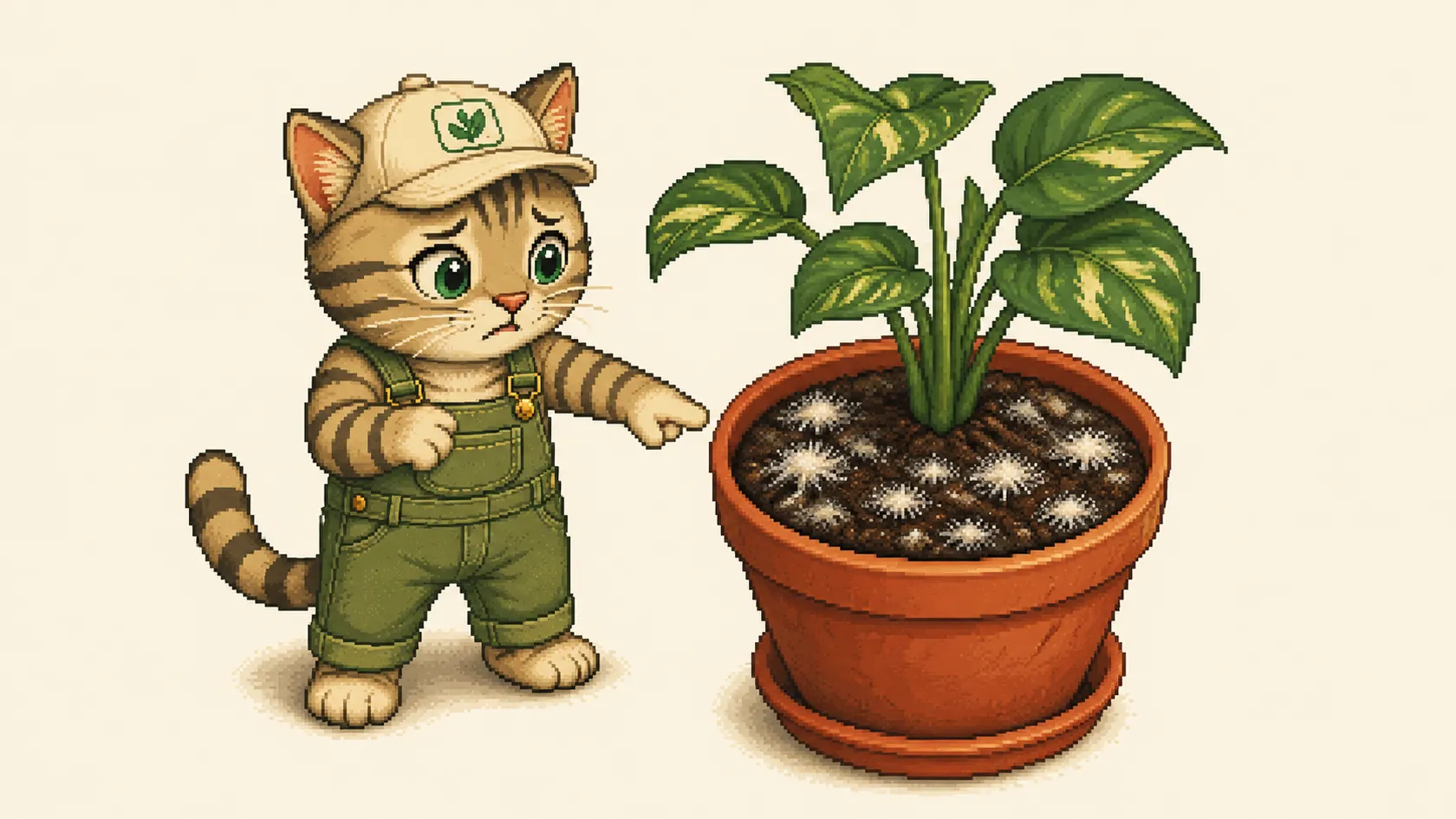
Wet coffee grounds on the surface grow mold. After a few days a white fuzz sits on top, because the fungus breaks down exactly this kind of organic material at a steady dampness.
The second effect is mechanical. The fine grounds dry into a crust that repels water. Water then runs down the side while the root ball underneath stays dry.
The third one is fungus gnats. A surface that stays damp and is rich in organic material is where they lay their eggs. Anyone who scatters coffee grounds on top regularly is building them a nursery.
For those three reasons coffee grounds never go on indoor soil as a thick layer, however well the plant is doing otherwise.
If you want to use them anyway
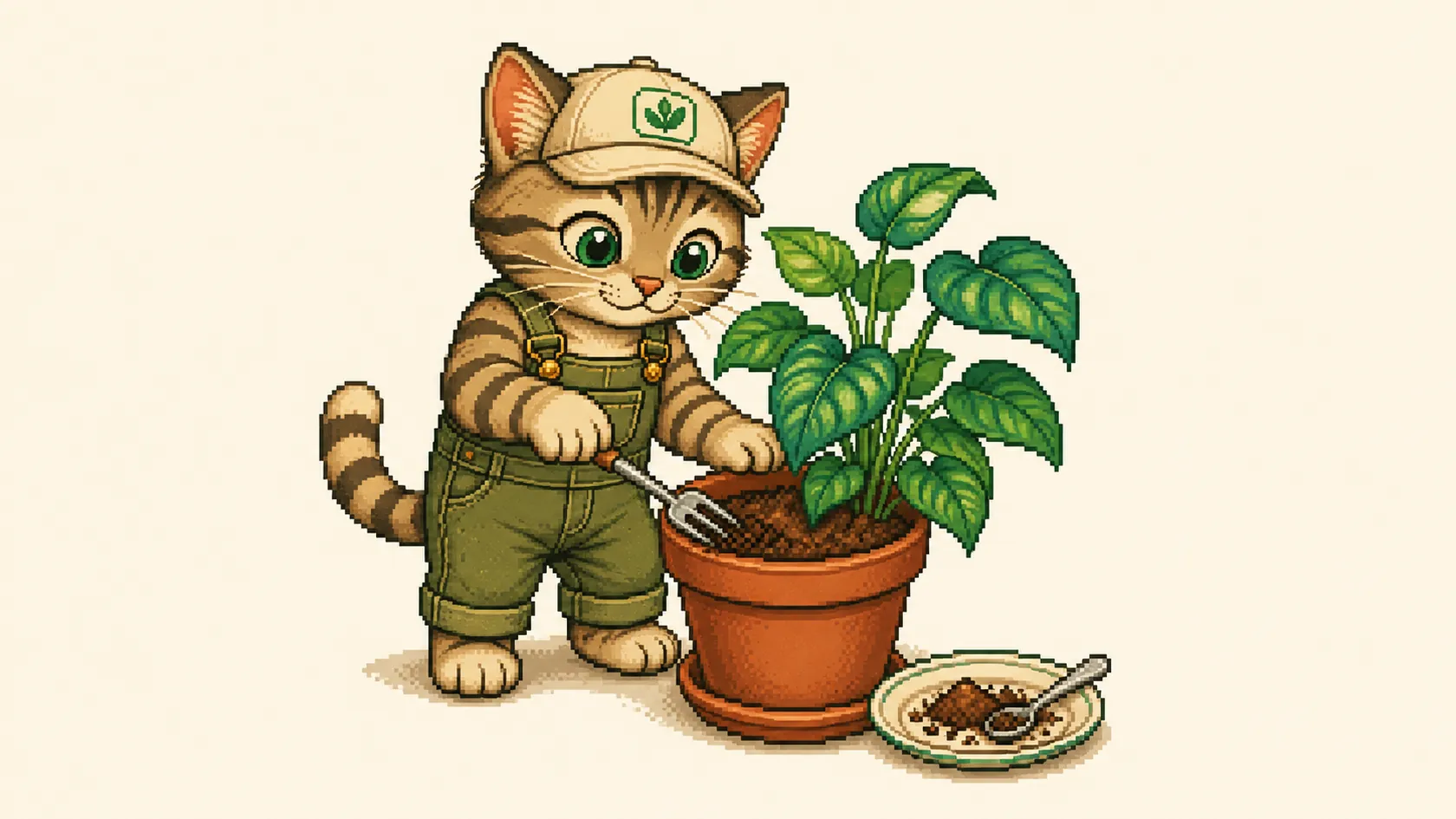
Dry the grounds completely before they go anywhere near a pot. Spread them thin on a plate or a baking sheet and leave them a day or two until they run loose.
Then scatter at most a teaspoon on a medium pot and work it flat into the top layer of soil with a fork. Worked in, it does not crust over and it dries out again after watering.
Keep a clear distance from the base of the stem. Organic material right against the stem holds dampness there, and that is exactly where rot problems start.
Repeat that every few weeks at most, and only while the plant is growing. As soon as a white film shows up, take the layer off and leave it alone in future.
For succulents, cacti and every species that wants to stand dry, even this amount is wrong. They need a surface that dries out quickly.
Composted, they work better
A compost heap is where coffee grounds belong. They break down there along with other material, and the nutrients end up in a form that roots can use.
If you have finished compost, mix a small amount of it into the soil when you repot. That is the only form in which coffee really acts as a nutrient source in a houseplant pot.
Without a garden, a worm bin takes coffee grounds too, in small amounts alongside other kitchen scraps.
Composted grounds still replace no liquid fertilizer. They improve the soil, they do not feed the plant on demand.
What coffee grounds cannot do
They do not replace fertilizer. A plant that has sat in the same mix for over a year and grows pale with small new leaves needs a complete fertilizer, not coffee.
They do not drive off fungus gnats. That tip comes around regularly and has the thing backward, because a damp organic layer encourages the larvae.
They do not reliably acidify a mix. A plant that really needs acidic conditions goes into soil blended for it and gets soft water.
They do not keep slugs or cats away. There is no solid evidence for those effects, and indoors the question rarely comes up anyway.
What actually feeds the plant
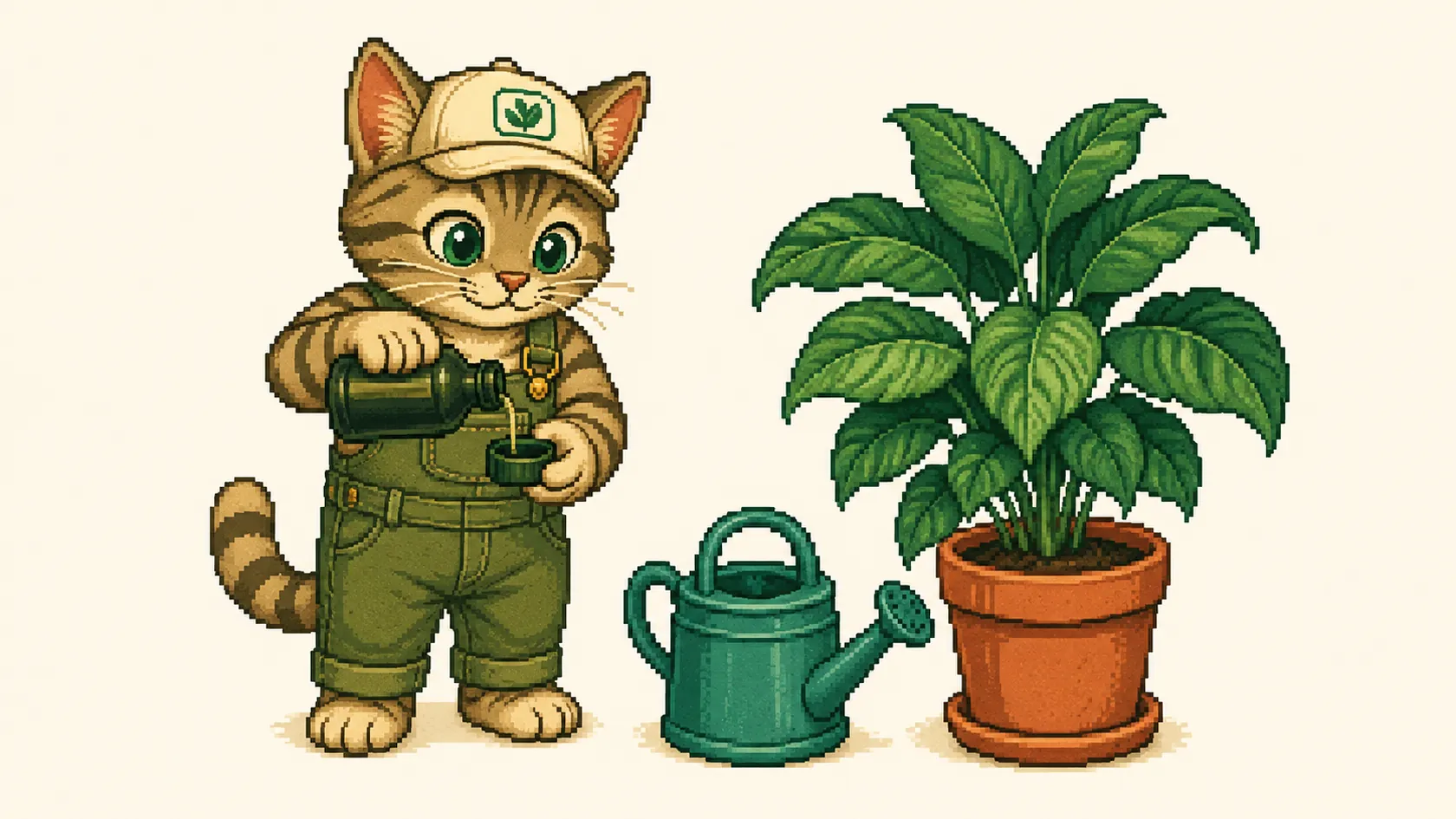
The simplest route is a liquid fertilizer for foliage or flowering plants, dosed by the instruction on the bottle. You feed while the plant is visibly growing, and not through the dark half of the year.
Water with plain water first if the soil has dried out. Concentrated feed on bone dry roots does more harm than good.
Freshly repotted plants get no fertilizer for several weeks, because fresh soil brings its own and disturbed roots react badly to salt.
If white crusts form on the rim of the pot and the leaf edges turn brown, you have fed too much rather than too little. Then flush the root ball through once with plain water.
Which plants make the effort worthwhile
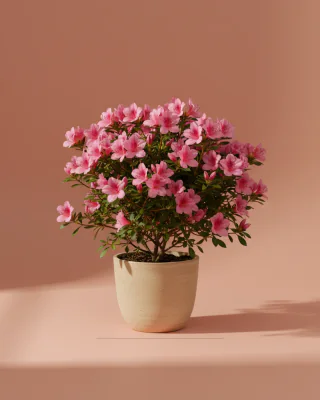
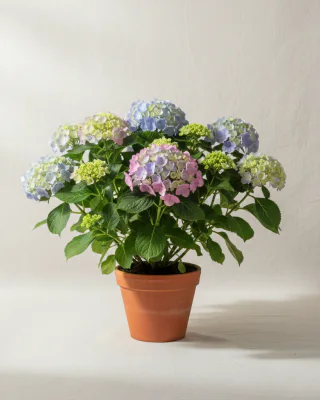
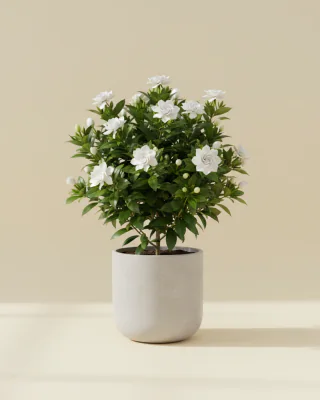
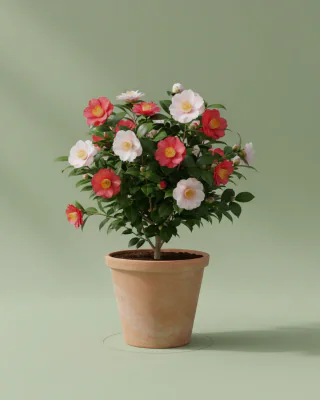
Species that naturally grow in acidic ground benefit most from a small amount. Indoor azalea, hortensia, gardenia and camellia in a pot belong to that group.
Even with them the effect stays small and hard to control, because hard water works against it. The more reliable route is a suitable mix and soft water.
For every other houseplant the benefit is so small that the case rests mainly on the disposal. If that is enough for you, work a small dried amount in and watch the surface.
Related plants
Keep reading
Common questions
Are coffee grounds good for plants?
As a soil improver in small amounts they are fine, as a fertilizer they fall short. The nutrients are organically bound and become available only slowly in a pot. Wet on the surface they grow mold and attract fungus gnats.
How often can you use coffee grounds on plants?
Every few weeks at most and only during the growing season, each time dried and worked in flat. About a teaspoon on a medium pot is enough. If a white film shows up, take the layer off and stop.
Which plants like coffee grounds?
Mostly species that grow in acidic ground, such as indoor azalea, hortensia, gardenia and camellia. Even for them the effect stays small, especially with hard water. For cacti and succulents coffee grounds are unsuitable.
Do coffee grounds keep fungus gnats away?
No, they work in the other direction. Fungus gnats lay their eggs in damp surfaces rich in organic material, which is exactly what scattered grounds create. What helps against the larvae is a surface that dries out.
Can you water plants with leftover coffee?
Leftover black coffee without sugar does no harm in small amounts, but it feeds the plant almost nothing. Coffee with milk or sugar does not belong in a pot, because sugar and fat rot in the soil.
How do you dry coffee grounds for plants?
Spread them thin on a plate or a baking sheet and leave them in the air for a day or two until they run loose. Stored wet, they grow mold in the collecting tub already.
Last reviewed: 2026-09-07