



What organic means in a pot
A mineral feed dissolves in water and is available to the roots straight away. An organic feed has to be broken down first, so it arrives gradually and keeps arriving after you stop.
That breakdown needs microbes, warmth, and a mix that is neither bone dry nor waterlogged. In a cold room in midwinter, very little of it happens.
The upside indoors is that a slow release is harder to overshoot, and the material also feeds the soil life that keeps a mix open and crumbly.
The downside is control. You cannot tell how much has been released, so a plant that needs a quick correction is better served by a diluted mineral feed.
When a houseplant actually needs feeding
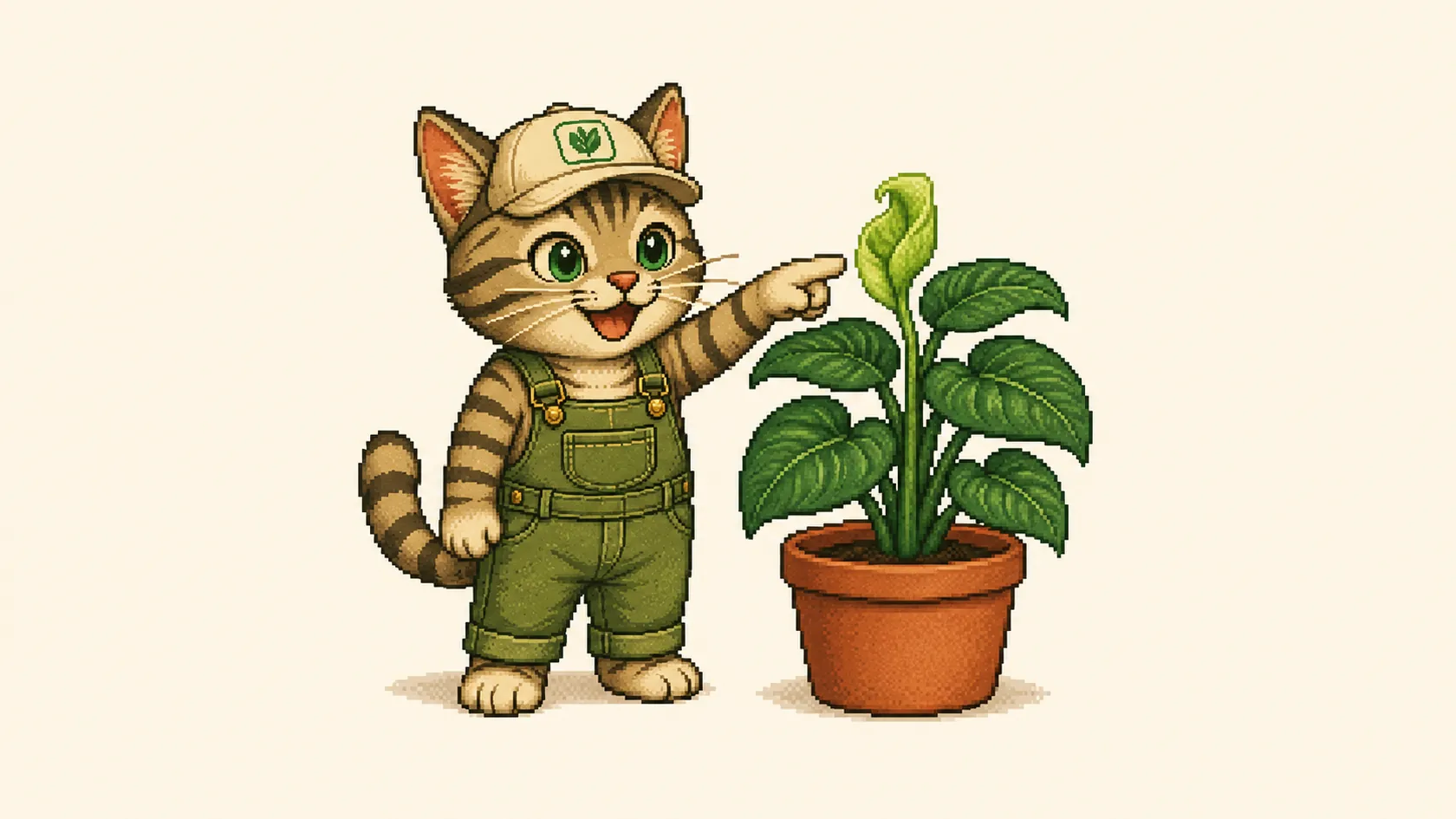
Feed when the plant is growing. New leaves opening at the tip are the signal, and that is usually spring through late summer under a normal window.
Fresh potting mix brings a supply with it, so a plant that was just repotted needs nothing for the first weeks.
Do not feed a plant that is sick, wilting, or standing in wet soil. Fertilizer does not repair roots, and it makes a struggling root ball worse.
Water first, then feed. Nutrients hitting dry roots can scorch them, and a damp root ball takes the solution up evenly.
The options that work indoors
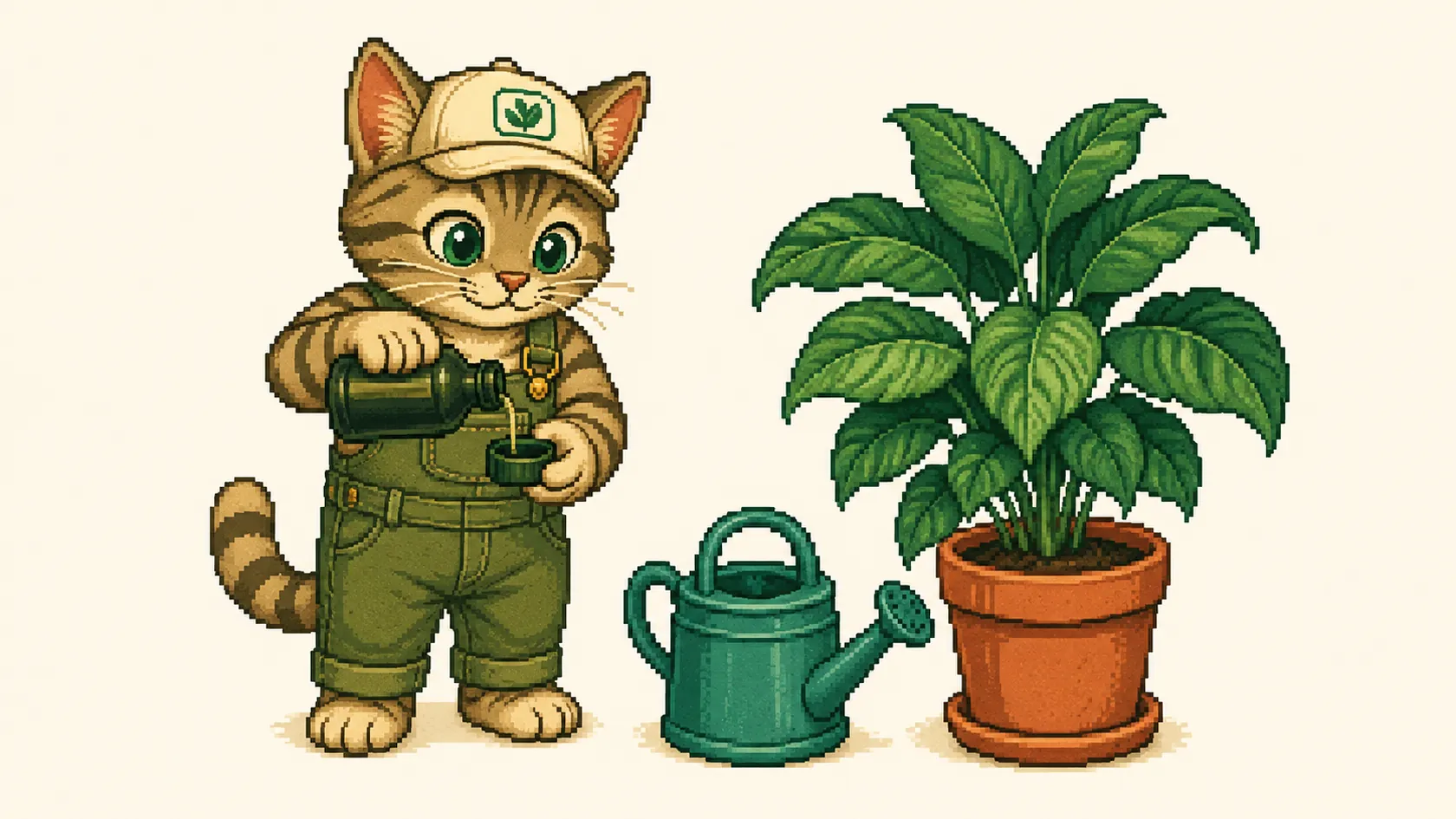
Liquid organic concentrates are the easiest to use indoors. They are diluted into the watering can, so you keep control of the amount, and there are low-odor versions made for indoor plants.
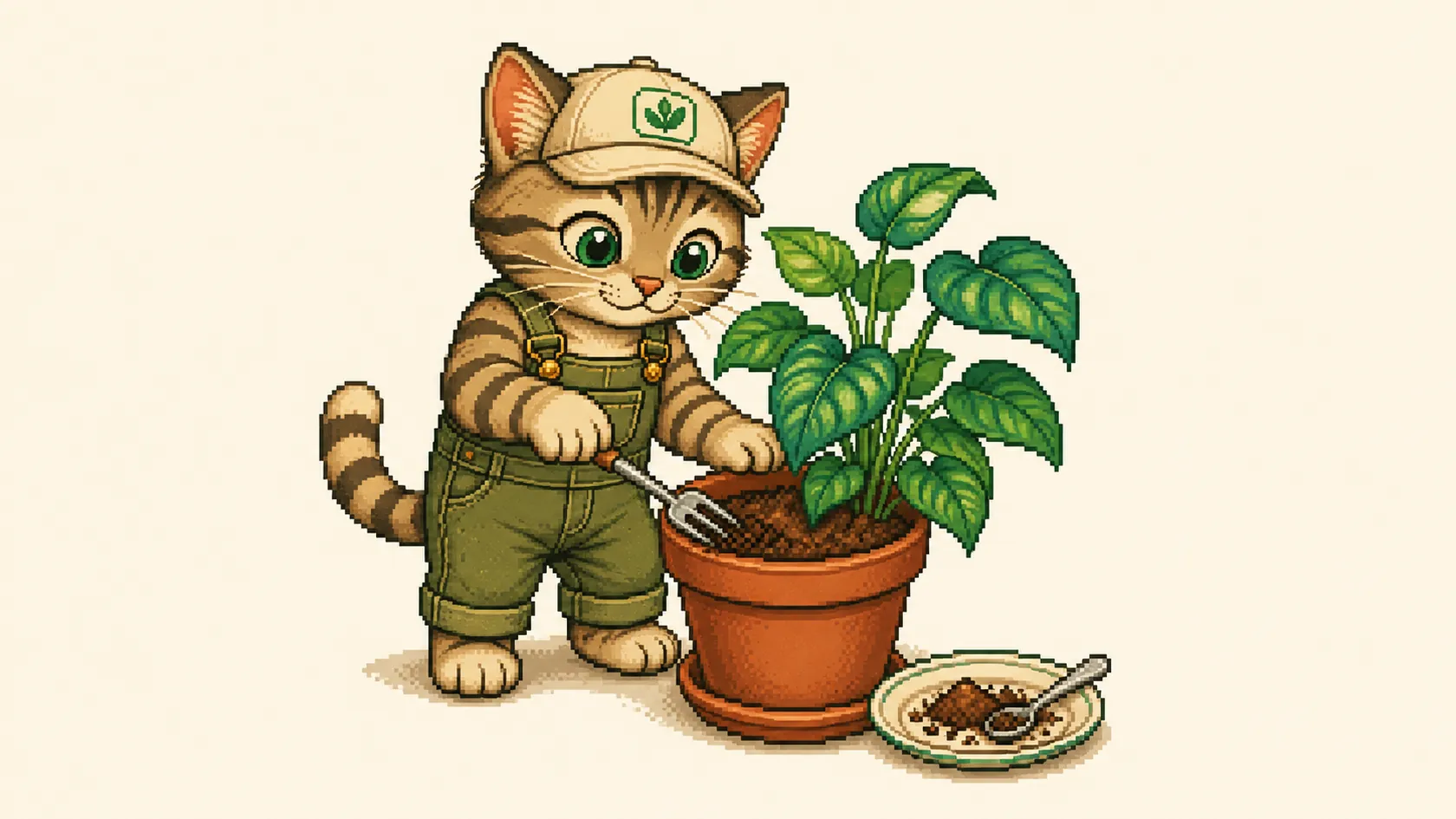
Worm castings are mild and slow. A thin layer worked into the top of the mix, or castings mixed in at repotting, releases nutrients over months without a strong smell.
Compost and worm-casting teas do the same job in liquid form. Use them fresh, because a container left standing goes anaerobic and smells like it.
Seaweed and kelp products are weak on nitrogen and are better thought of as a supplement than as the main feed.
Pelleted organic fertilizers made for pots release over weeks. They are convenient outdoors and can attract fungus gnats indoors when they sit on a permanently wet surface, so work them in rather than leaving them on top.
Blood, bone, and fish-based products feed well and smell strongly in a closed room. If you use them, water them in and expect a day or two of odor.
How much and how often
Measure the dose from the cap rather than by eye. Organic concentrates vary a lot in strength between products, so the label on the bottle is the only source for the amount.
Indoors, a weaker solution more often is easier on the roots than a strong dose now and then, because a pot has no soil around it to buffer a mistake.
Feed less as the light drops in fall and stop while the plant is not growing. Nutrients that are not taken up stay in the mix, and the microbes that release them slow down in a cool room too.
Flush the pot through with plain water every few months. Water until it runs out of the bottom, which carries accumulated salts out with it.
Kitchen remedies and what they really do
Coffee grounds hold little nitrogen, acidify the surface slightly, and go moldy when they sit wet on top of the soil. A thin dried layer worked in, or grounds that have been composted first, does no harm. They replace no fertilizer.
Eggshells are mostly calcium and break down far too slowly in a pot to feed anything this year.
Banana peels are much the same story. They rot on the surface, attract flies, and release very little before they do.
Cooled, unsalted cooking water from vegetables or pasta is fine to pour on a plant and is not a feed. Salted water is not, because the salt stays in the mix.
Milk and beer belong nowhere near a watering can. They leave residues in the soil that smell and go moldy.
Reading the plant instead of the calendar
Too little shows as pale older leaves on a plant that has stopped growing, especially when it has been in the same pot for over a year. Feeding during growth or repotting is the answer, not both at once.
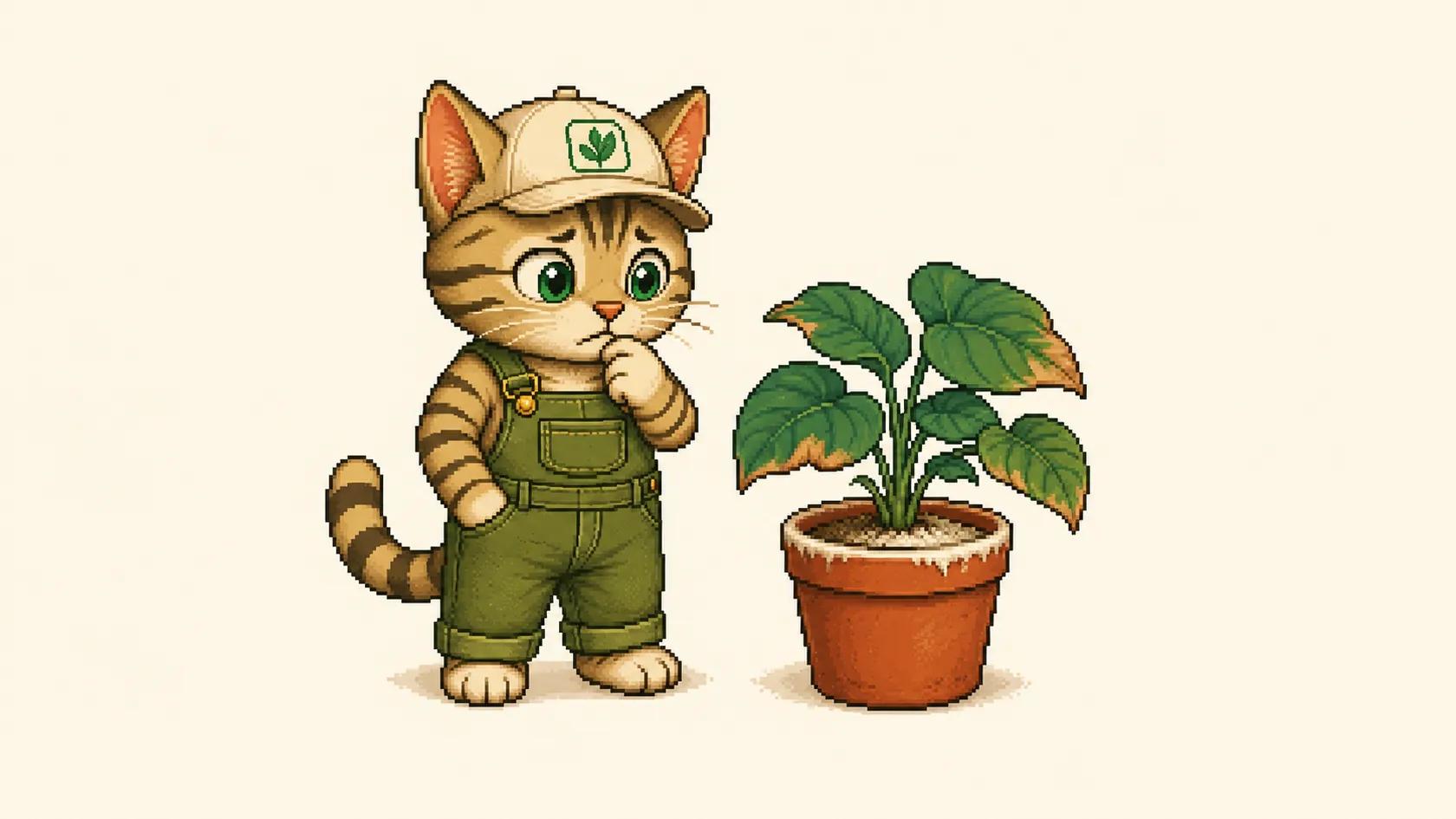
Too much shows as a white crust on the mix and the pot rim, brown leaf edges, and sometimes soft new growth. Flush the pot through and leave the feeding out for a while.
Small dark flies over the soil after you start feeding usually mean the surface is staying wet, which the organic material makes more attractive. Let the top layer dry between waterings.
The new leaf is the measure. If it comes out full sized and evenly colored, the plant is getting what it needs.
Related plants
Keep reading
Common questions
What is the best organic fertilizer for houseplants?
A liquid organic concentrate is the most practical indoors, because you dilute it into the watering can and stay in control of the dose. Worm castings worked into the top of the mix are the mildest slow option.
Can you use coffee grounds as fertilizer for houseplants?
Only as a small addition. Coffee grounds carry little nitrogen and go moldy in a wet layer on the surface. Dry them, work a thin layer in, and keep feeding the plant properly alongside.
How often should you use organic fertilizer on houseplants?
While the plant is growing, at the dilution the bottle states, and less often as the light drops in fall. A freshly repotted plant needs none for the first weeks, because new mix brings a supply.
Does organic fertilizer smell indoors?
It depends on the base material. Blood, bone, and fish products smell strongly for a day or two after watering in. Worm castings and low-odor liquid concentrates are the usual choice for a living room.
Are eggshells and banana peels useful for houseplants?
Not really. Eggshells are calcium that breaks down far too slowly in a pot, and banana peels rot on the surface and attract flies before they release much of anything.
Is organic fertilizer better than regular houseplant fertilizer?
It is slower and feeds the soil life in the pot, which suits a plant on a steady routine. A mineral feed is available immediately, which suits a plant that needs correcting now. Both deliver the same nutrients.
Last reviewed: 2026-09-07