

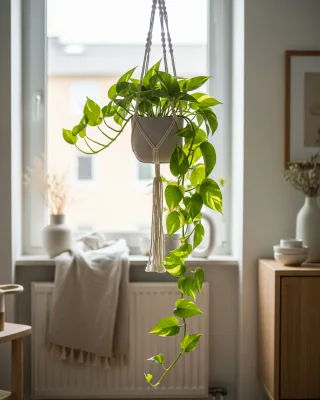
At a glance
- Light
- Low light tolerant
- Typical interval
- Every 6 to 8 days (summer)
Every 11 to 17 days (winter) - Climate
- 18–29 °C
- Humidity
- 40–70 %
- Pet safety
- Toxic to cats and dogs
- Scientific name
- Epipremnum aureum


When and how much water
Water golden pothos when the top 3 cm of soil feel dry to the touch. In summer that’s typically every 6 to 8 days. In winter, slow down to every 11 to 17 days. Use room-temperature water and let any excess drain. Never leave the pot sitting in standing water.
Adjust the timing for the light at the plant, the pot’s size and material, and the humidity indoors. Terracotta dries faster than glazed ceramic.
Light and placement
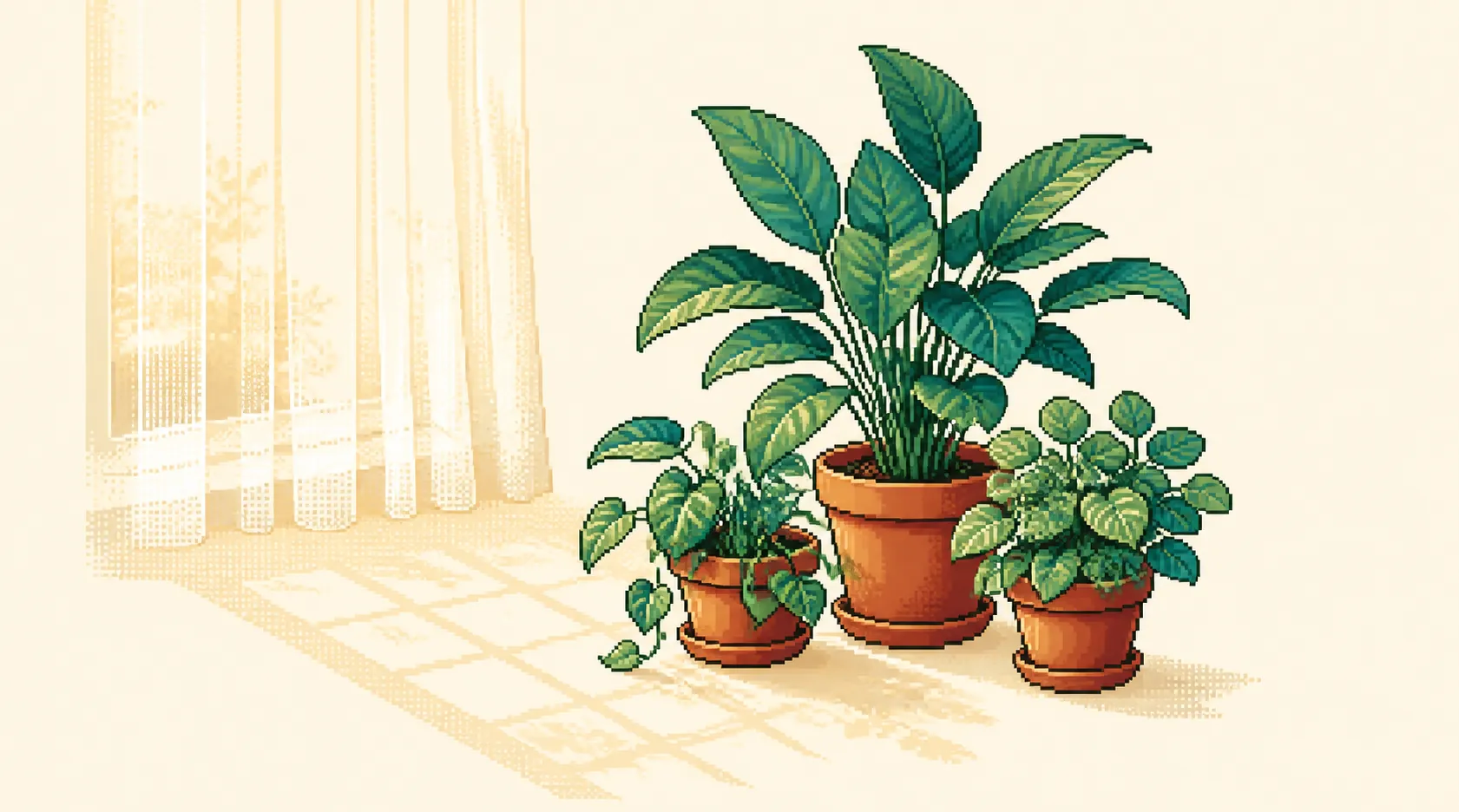
Golden pothos tolerates low light but grows faster in medium light. Place it near a north-facing window, or a couple of meters back from a brighter one.
Feeding
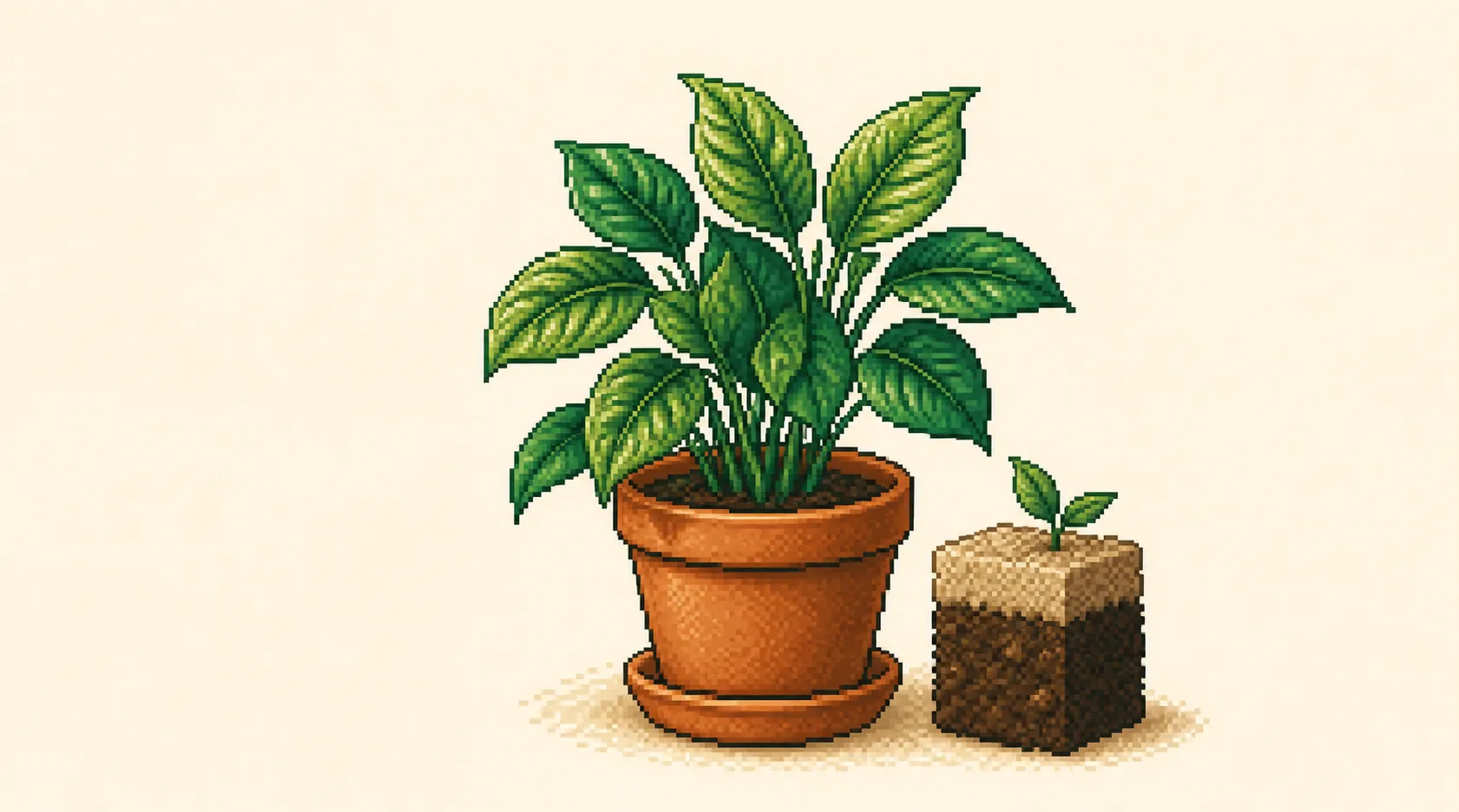
Feed golden pothos every 60 days while it’s actively growing. Use a balanced liquid houseplant fertilizer at half the strength on the label, and only on soil that’s already damp. Feeding dry roots can scorch them.
When growth pauses, skip the fertilizer and let it rest.
Temperature & humidity
Golden pothos is comfortable between 18 and 29 °C. Below 10 °C the leaves start taking damage, so keep it clear of cold drafts and unheated rooms.
It does best at 40–70% humidity. It doesn’t need misting.
Common problems
Yellowing, drooping, and dry edges often point to watering or drainage. Compare the signs before changing the routine.
Find what’s wrong
Toxic to pets?
Yes. Keep it out of reach.
Pet-safety information in the JungleBook uses ASPCA reference data where available. It is reference information, not veterinary advice.
Full Golden pothos toxicity guide →
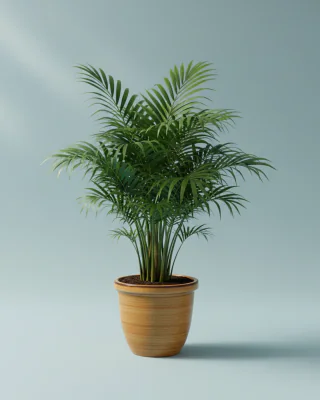
Pet-safe alternatives with similar light
Common questions
How often should I water a Golden pothos?
Water your golden pothos (Epipremnum aureum) when the top 3 cm of soil feel dry to the touch. In summer, that’s typically every 6 to 8 days. In winter, slow down to every 11 to 17 days.
How much light does a Golden pothos need?
Golden pothos tolerates low light but grows faster in medium light. Place it near a north-facing window, or a couple of meters back from a brighter one.
Is Golden pothos safe for cats and dogs?
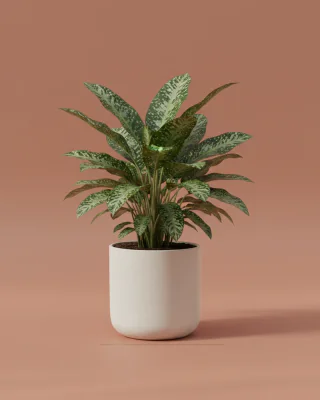
The plant contains insoluble calcium oxalate crystals. Chewing it can cause oral irritation, drooling, and vomiting. Keep golden pothos out of reach of pets, or pick a non-toxic alternative like cast-iron plant or parlor palm.
Why are my Golden pothos’s leaves turning yellow or drooping?
On a golden pothos, yellowing and soft growth usually mean overwatering: watch for yellowing leaves, black soft stems, or sour soil smell. Let the soil dry further between waterings and check drainage. If you see drooping vines, crispy leaf edges, or curling leaves instead, it’s likely thirsty. Water a little more often. With Botanicaly Pro, Botanicaly Bot can help assess visible signs from a photo and suggest possible causes.
Sources4 references
- Royal Botanic Gardens, Kew: Plants of the World OnlineTaxonomy · accepted name · native range · synonyms
- North Carolina State University Extension Gardener Plant ToolboxPlant description · light · water · yellowing · root rot · pests
- Royal Horticultural SocietyLight · watering · winter care · compost · cold drafts · pests
- ASPCA Animal Poison ControlScientific name · toxicity · toxic principle · clinical signs
Last reviewed: 2026-09-21