

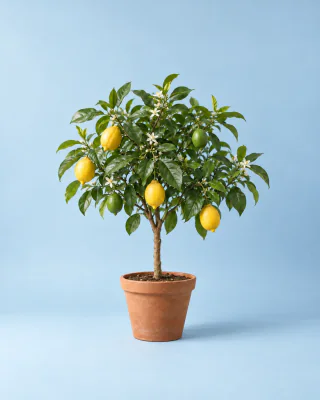
Indoor lemon tree care guide
Citrus limon

Quick answer
Water your indoor lemon tree when the top 3 cm (1.2 in) of soil feel dry. In summer that’s typically every 6 to 8 days.
 Not sure it’s this plant?Check yours with a photo, free
At a glance
- Light
- Bright / direct light
- Typical interval
- Every 6 to 8 days · summer
Every 11 to 17 days · winter - Climate
- 10–24 °C (50–75 °F)
- Humidity
- 50–70%
- Pet safety
- Toxic to cats and dogs
When and how to water
3 cm (1.2 in)
- Summer · Jun–AugEvery 6 to 8 days
- Winter · Dec–FebEvery 11 to 17 days
Use room-temperature water and let any excess drain. Never leave the pot sitting in standing water.
Adjust the timing for the light at the plant, the pot’s size and material, and the humidity indoors. Terracotta dries faster than glazed ceramic.
Light and placement
Bright / direct light
Indoor lemon tree needs several hours of direct sun. Turn the pot every week so it grows evenly. Place it directly in front of a south- or southwest-facing window.
Feeding
Lemon trees are hungry plants, so feed all year round with a citrus fertilizer, as its label directs. From late March to October use a high-nitrogen summer citrus feed, and from November to mid-March a balanced winter citrus feed.
Temperature & humidity
Climate10–24 °C (50–75 °F)
Humidity50–70%
Indoor lemon tree is comfortable between 10 and 24 °C (50–75 °F). About 10 °C (50 °F) is a safe winter minimum. How much cold it takes depends on the variety, and some tolerate about 5 °C (41 °F). Keep it clear of cold drafts.
It does best at 50–70% humidity. It doesn’t need misting.
Overwintering a lemon tree
Bring a potted lemon in as soon as autumn nights turn noticeably cooler and keep it bright and cool at about 10 °C (50 °F). Overwatering is the most common winter mistake.
Toxic to pets?
Yes. Keep it out of reach.
Pet-safety information in the JungleBook uses ASPCA reference data where available. It is reference information, not veterinary advice.
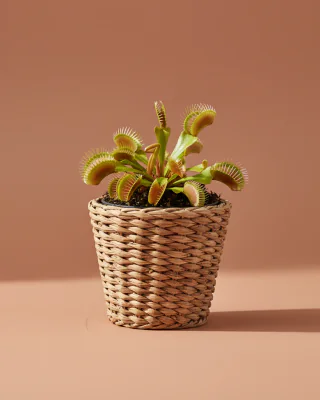
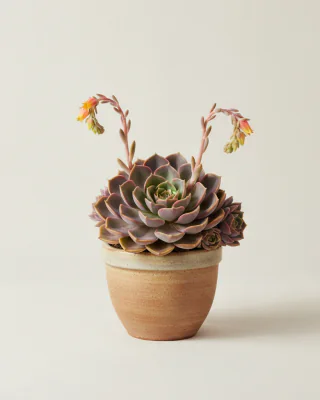
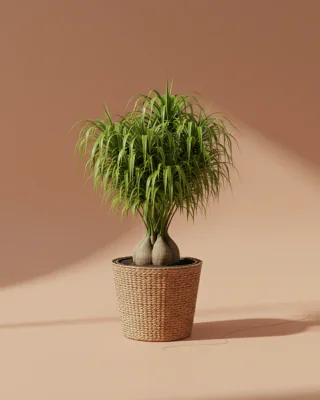
Pet-safe alternatives with similar light

Common questions
How often should I water an indoor lemon tree?
Water your indoor lemon tree (Citrus limon) when the top 3 cm (1.2 in) of soil feel dry. In summer, that’s typically every 6 to 8 days. In winter, slow down to every 11 to 17 days.
Sources5 references
- Royal Botanic Gardens, Kew: Plants of the World OnlineTaxonomy · accepted hybrid · hybrid formula · common names
- Royal Horticultural SocietyPlant profile · Cultivation · Growing Conditions · Pests · Diseases · Plant Care: Watering and humidity · Feeding · Repotting · Winter protection
- Iowa State University Extension and OutreachSpecies to Consider: Dwarf Lemon · Care: Light · Temperatures · Soils · Fertilizer · Potential Pests
- University of Wisconsin–Madison Division of ExtensionGrowing Citrus · Light and temperature · Potting medium · Watering · Fertilizing · Pests
- ASPCA Animal Poison ControlCitrus limonia pet-safety record, not Citrus × limon/Citrus limon
Last reviewed: