



What dry air looks like on a plant
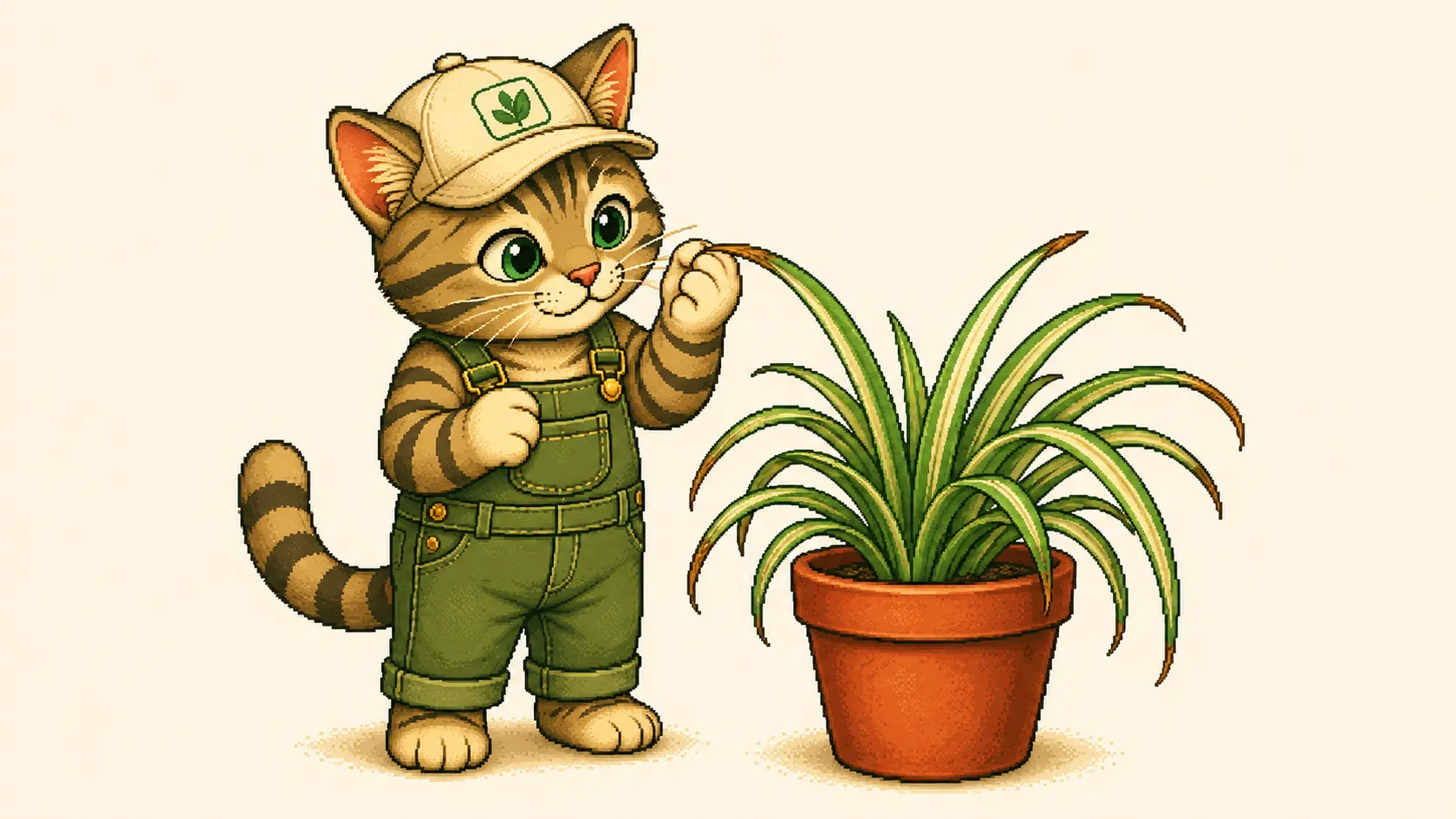
The clearest sign is a crisp brown tip or a dry brown edge with a sharp border, on old and new leaves alike, while the rest of the leaf stays green and firm.
Thin leaves also fold or curl during the warmest part of the day and open again in the evening. That is the plant reducing the surface it loses water from.
Some flowering plants drop their buds before they open when the air is dry and warm. Gardenia and hibiscus are the usual examples indoors.
Fine pale speckling and webbing between leaf and stem is a different finding. Spider mites build up quickly in warm dry rooms, and they are treated as pests rather than as a humidity problem.
Soft yellow lower leaves and soil that stays wet are not about air at all. Look at watering and drainage for those.
- Crisp brown tips and edges with a sharp border
- Thin leaves curling by afternoon, open again at night
- Flower buds dropping before they open
- Pale speckling and fine webbing, which means mites
Which plants care and which do not
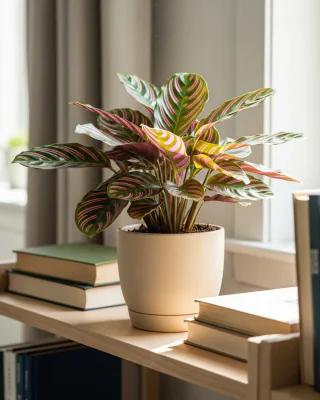
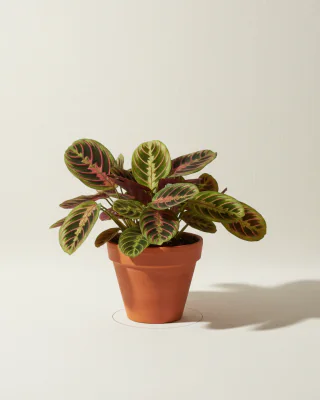
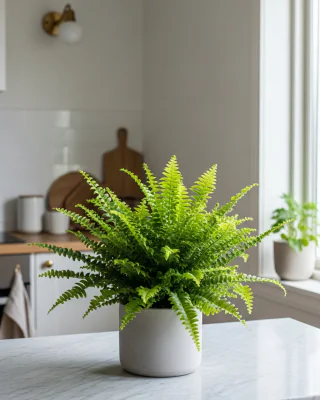
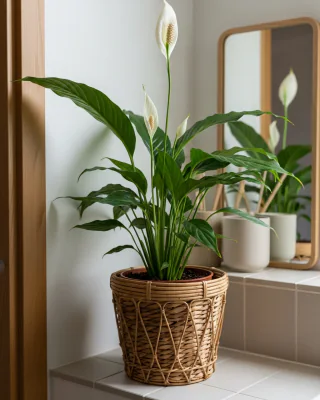
Plants from tropical forest floors react first. Calathea, prayer plant, Boston fern, and maidenhair fern show dry edges in a heated room within weeks, and a peace lily flags between waterings sooner than it would in a damp room.
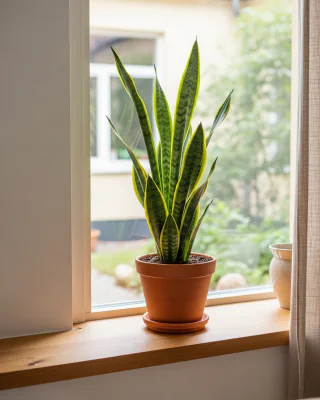
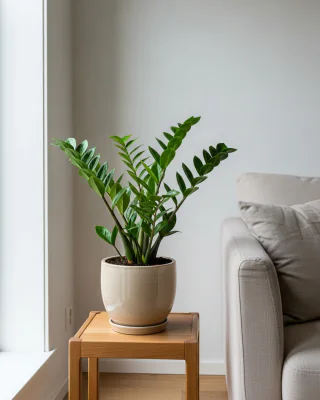
Plants that store water in leaves, stems, or rhizomes are unbothered. Snake plant, ZZ plant, jade plant, cacti, and most succulents come from dry air and need nothing added.
The large group in between simply copes. Pothos, monstera, rubber plant, dragon tree, spider plant, and moth orchids grow well in normal indoor air, and a damper corner only makes them a little happier.
What a given species prefers is on its own care guide. Use that before you rearrange a whole room for one plant.
What actually raises the humidity
Grouping plants together is the simplest thing that works. Each leaf gives off water, so the air between a cluster of pots stays damper than the air around one pot alone on a shelf.
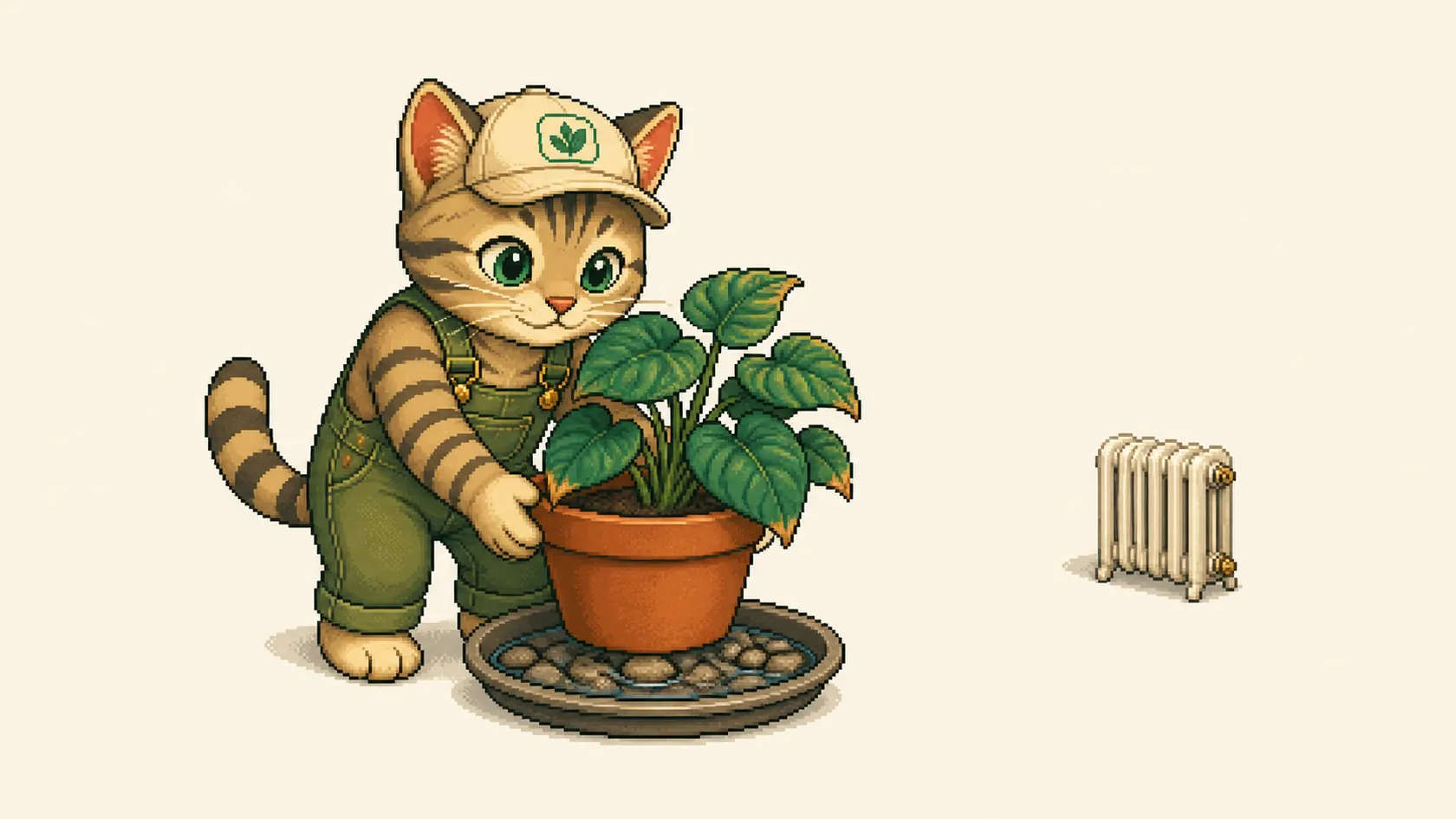
A pebble tray is the classic version of the same idea. Fill a shallow tray with pebbles and water, then stand the pot on the pebbles above the water line so the roots never sit in it. The effect is local and modest, and it costs nothing to keep going.
A room humidifier is the only method that changes the whole room rather than the few inches around a leaf. Keep it clean, refill it with fresh water, and keep the plant out of the direct stream.
A bathroom or kitchen window with usable light is often the easiest answer, because the room already runs damper than the rest of the home.
A glass cabinet, a cloche, or a clear box turns a small tropical plant’s own transpiration into a damp pocket. Open it regularly, because still, wet air with no movement invites mold.
What misting does and does not do
Misting raises the humidity around a leaf for minutes, not hours. It is a pleasant habit and it is not a way of watering a plant.
Water sitting on hairy leaves and in tight rosettes can mark them or rot the crown. African violets and many begonias are the plants that show this first.
Hard tap water leaves pale spots on the leaves as it dries. Wiping the leaves with a soft damp cloth does more for a dusty plant than spraying it does.
If you enjoy misting, do it in the morning so the leaves are dry by evening. The steady work is done by grouping, a tray, or a humidifier.
Heating season and where the plant stands
A radiator under the windowsill sends a warm dry updraft straight through the leaves above it. Moving the plant to a shelf beside the window instead of over the radiator changes more than any spray bottle.
Cold drafts do the same damage from the other direction. A tilted window in winter or an air conditioning vent in summer dries and chills leaves within hours.
In winter, plants use less water because there is less light, while the soil surface dries faster than before. Check an inch or two down rather than watering more often because the tips have gone brown.
Warm dry rooms are also when spider mites appear. Turn a few leaves over once a week during heating season, so you find them while there are still only a few.

Measuring it without chasing a number
A small hygrometer next to the plant tells you what your room actually does. Readings move through the day and across a single room, so a meter on the windowsill and one on the far wall will not agree.
Use it to compare, not to hit a target. The number that matters is whether this spot is drier than the last one, and whether it changes when the heating comes on.
The plant is the better instrument. New leaves that open cleanly and no fresh crisp edges mean the air suits it, whatever the display says.
Related plants
Keep reading
Common questions
How do I know if the air is too dry for my houseplants?
Look for crisp brown tips and sharply bordered dry edges on leaves that are otherwise green and firm, and for thin leaves that curl in the afternoon. Feel the soil first, because dry soil produces a similar leaf and needs a different fix.
Does misting houseplants help?
It lifts the humidity around a leaf for a few minutes and then it is gone. It also leaves water on hairy leaves and in rosettes, where it can mark them or rot the crown. Grouping plants, a pebble tray, or a humidifier hold the change for longer.
Do pebble trays work?
They make a small local difference in the air right around the pot, which is enough for one thin-leaved plant on a shelf. Stand the pot on the pebbles above the water so the roots stay out of it.
Which houseplants need high humidity?
Tropical forest-floor plants such as calathea, prayer plant, Boston fern, and maidenhair fern. Snake plants, ZZ plants, and succulents want nothing added. Check the plant’s own guide, since preferences differ inside a genus.
How do I raise humidity for plants in winter?
Move plants off the radiator shelf first, group them together, and run a humidifier in the room if you have one. Watering more often does not add humidity and usually adds a wet root ball instead.
Do houseplants make a room more humid?
A few plants change the air around themselves and very little else in the room. A dense group of large plants in a small room adds a noticeable amount, and airing the room out still moves more water than the plants do.
Last reviewed: 2026-09-07