



Tough plants with firm leaves shrug that off. Delicate species with thin foliage do better somewhere else.
Plants for a bright kitchen windowsill
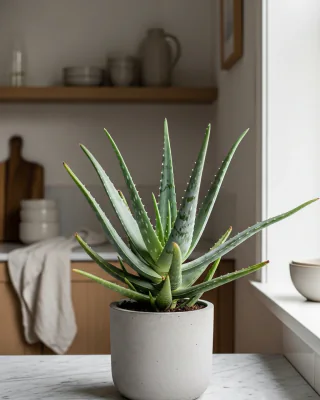
Aloe vera suits a sill with plenty of sun and tolerates a stretch of days when nobody thinks about watering. Its thick leaves are the reserve.
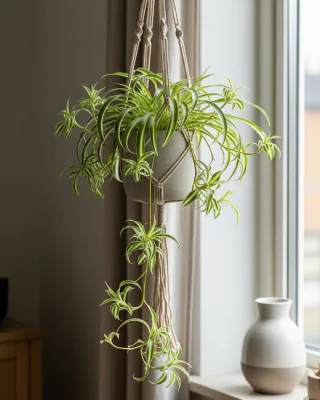
Spider plant is the classic kitchen plant. It grows fast, takes bright to partly shaded spots and hangs long stems with plantlets you can root in a glass of water.
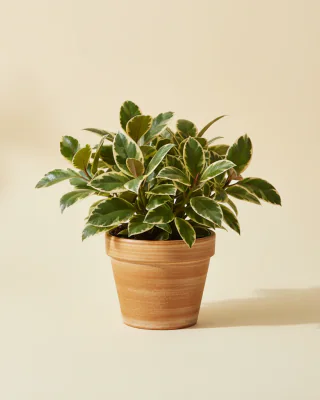
Baby rubber plant stays small and has firm leaves that wipe clean easily. On a narrow sill next to the sink it is one of the few plants that does not get in the way.
Inch plant turns silvery purple in good light and grows quickly. It trails nicely over the edge of a sill, as long as you shorten it regularly.
Plants for shelves, cabinets and darker corners
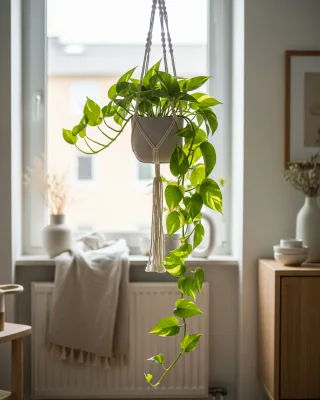
Golden pothos is the most practical plant for the top of a kitchen cabinet. It trails down over the edge, gets by away from the window and can be renewed any time from its own cuttings.
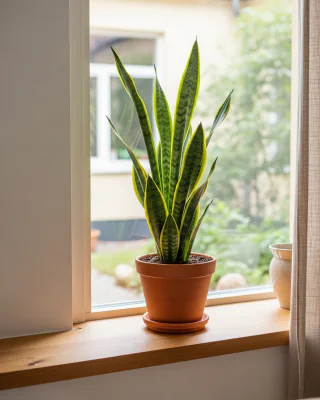
Snake plant stands upright, takes up almost no depth and handles both a bright window spot and the corner beside the refrigerator.
ZZ plant fits the darkest corner of a kitchen and asks for the least attention. Its glossy leaves wipe clean in one pass with a damp cloth.
Parlor palm brings height without width and copes with the part shade of a kitchen corner. It prefers a root ball that never dries out completely, which is easier in a kitchen that gets used.
Peace lily answers cooking steam with growth and nothing else. It shows thirst clearly by drooping and picks itself back up after watering.
Keeping kitchen herbs alive
Supermarket herbs are grown as a product, not as a plant. One pot holds dozens of seedlings crowded together, taking light and water from each other.
If you want to keep a pot like that, split it into two or three portions soon after you buy it and set them in fresh mix. After that the pot goes to the brightest window you have.
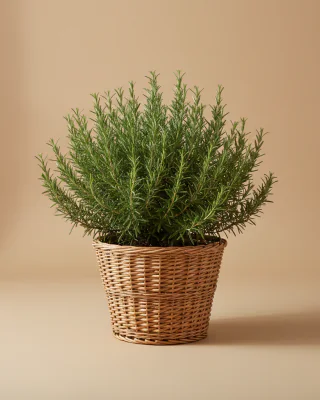
Rosemary, bay laurel and thyme want full sun and a root ball that dries out between waterings. Basil and parsley want it bright and evenly damp. A north window is not enough for any of them.
Always harvest from the top and never more than a third at once. Then the plant branches instead of running out into one long stem.

Grease, steam and drafts
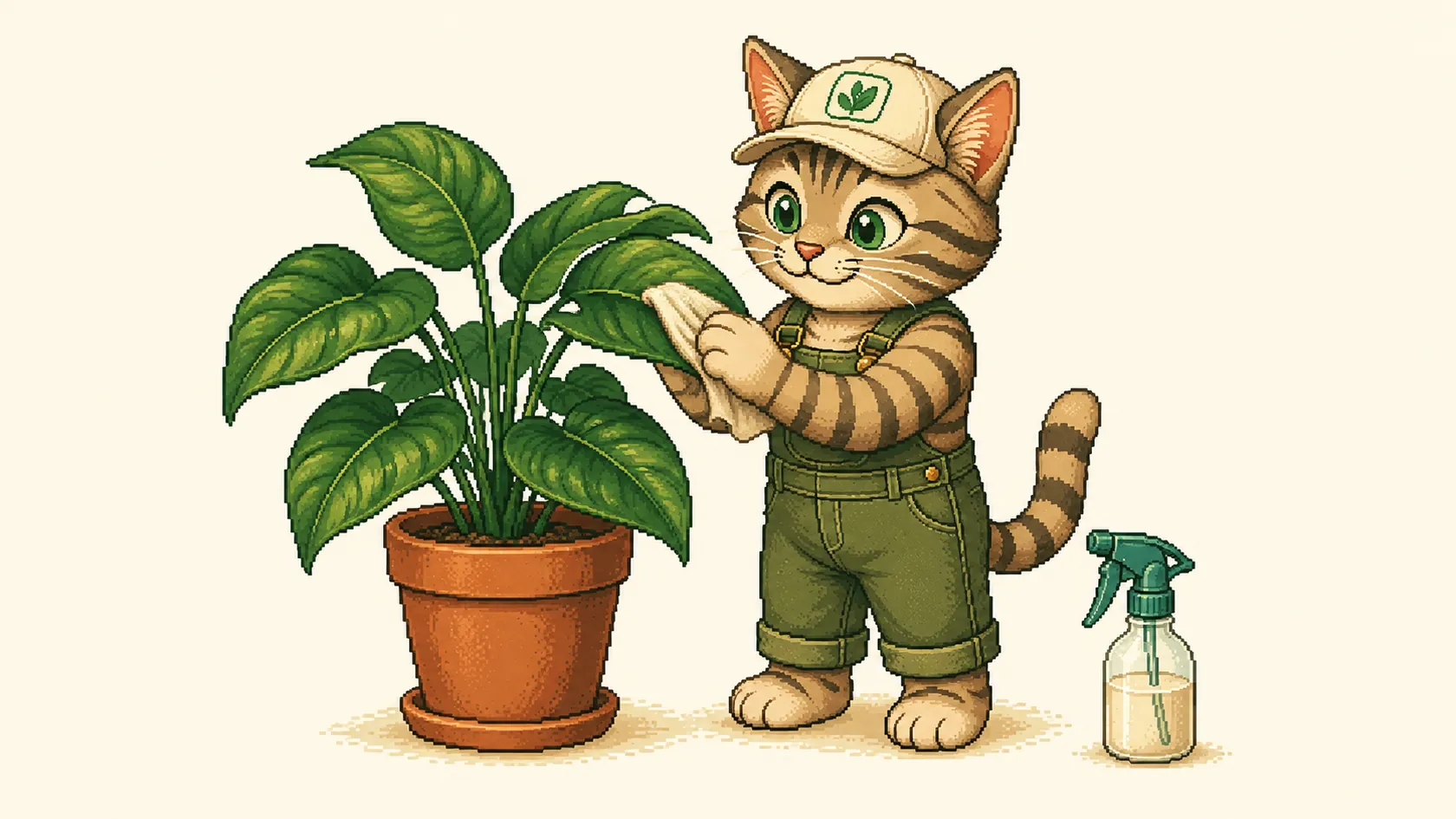
Wipe the leaves every few weeks with a soft damp cloth, supporting the underside with your other hand. For a stubborn grease film, lukewarm water with a single drop of dish soap works, followed by a second pass with clear water. More soap than that damages the leaf.
Hairy leaves like those of African violet do not get wiped. Dust them with a soft brush instead, which is one reason plants like that do poorly in a kitchen.
Steam from cooking lifts the humidity briefly. Ferns and prayer plants benefit from it, as long as they do not hang right over the stove where the heat gets too strong.
A spot right beside a window you open wide to air out the room is the worst place in the home in winter. Cold air hits a warm root ball there, and tropical plants drop leaves in response.
Ripening fruit in a bowl gives off ethylene. Flowering plants and orchids do better away from it, or they drop their buds.
Finding room without losing counter space
Trailing plants on top of the cabinets use space that stands empty anyway. The air up there is noticeably warmer and drier than at counter height, and the pot dries out faster to match.
A pot with a saucer next to the sink is practical, because watering and draining happen in the same place. Take the nursery pot out of the cachepot, water it in the sink and put it back once it has drained.
On top of the refrigerator it gets warm and the soil dries faster. For snake plant and ZZ plant that is no problem, for a fern it is.
Whether a plant suits a kitchen with a cat, a dog or small children is covered in its own care guide. Kitchen pots sit within reach more often than in other rooms, and leaves land near food more easily.
Watering in a room where a lot happens
Cooking heat and airing out dry pots unevenly. A fixed watering day fits here even less than in other rooms.
Feel the soil an inch or two down, or lift the pot. If it is dry at that depth, water until it runs out the bottom and empty the saucer after 15 to 20 minutes.
Leftover cooking water is only usable unsalted and cooled. Salt stays in the soil and builds up with every round.
Look at the soil surface now and then. Food crumbs and fallen leaves keep it damp and draw fungus gnats, which breed fast in a warm kitchen.

Related plants
Keep reading
Common questions
What are the best plants for a kitchen?
Species with firm leaves that wipe clean and take the swings: spider plant, golden pothos, snake plant, ZZ plant, baby rubber plant and aloe vera. At the window you can add herbs if the spot is sunny enough.
Which plants handle heat and steam in a kitchen?
Ferns, parlor palm and peace lily do well with the higher humidity from cooking. Straight over the stove it gets too hot for any plant, and that is also where most of the grease film settles.
Can I keep supermarket herbs alive in the kitchen?
Only if you split the pot. It holds dozens of seedlings in a tiny space, all in each other’s way. Divide them into two or three portions, set them in fresh mix and put them at the brightest window.
What plant can I put on top of the refrigerator?
Snake plant and ZZ plant, because the air up there is warm and dry and the root ball dries out faster. Ferns and prayer plants do badly there. Take the pot down to water it, or the water runs down the refrigerator door.
How do I get grease off plant leaves?
With lukewarm water and a soft cloth, supporting the leaf from below with your hand. For a stubborn film, one drop of dish soap in the water is enough, then wipe again with clear water. Hairy leaves only get dusted.
What plant works in a dark kitchen with no window nearby?
ZZ plant, snake plant and cast-iron plant get by on very little light. No plant lasts with no daylight at all, and then you need a grow light running several hours a day.
Last reviewed: 2026-09-07