


Light is the thing in short supply
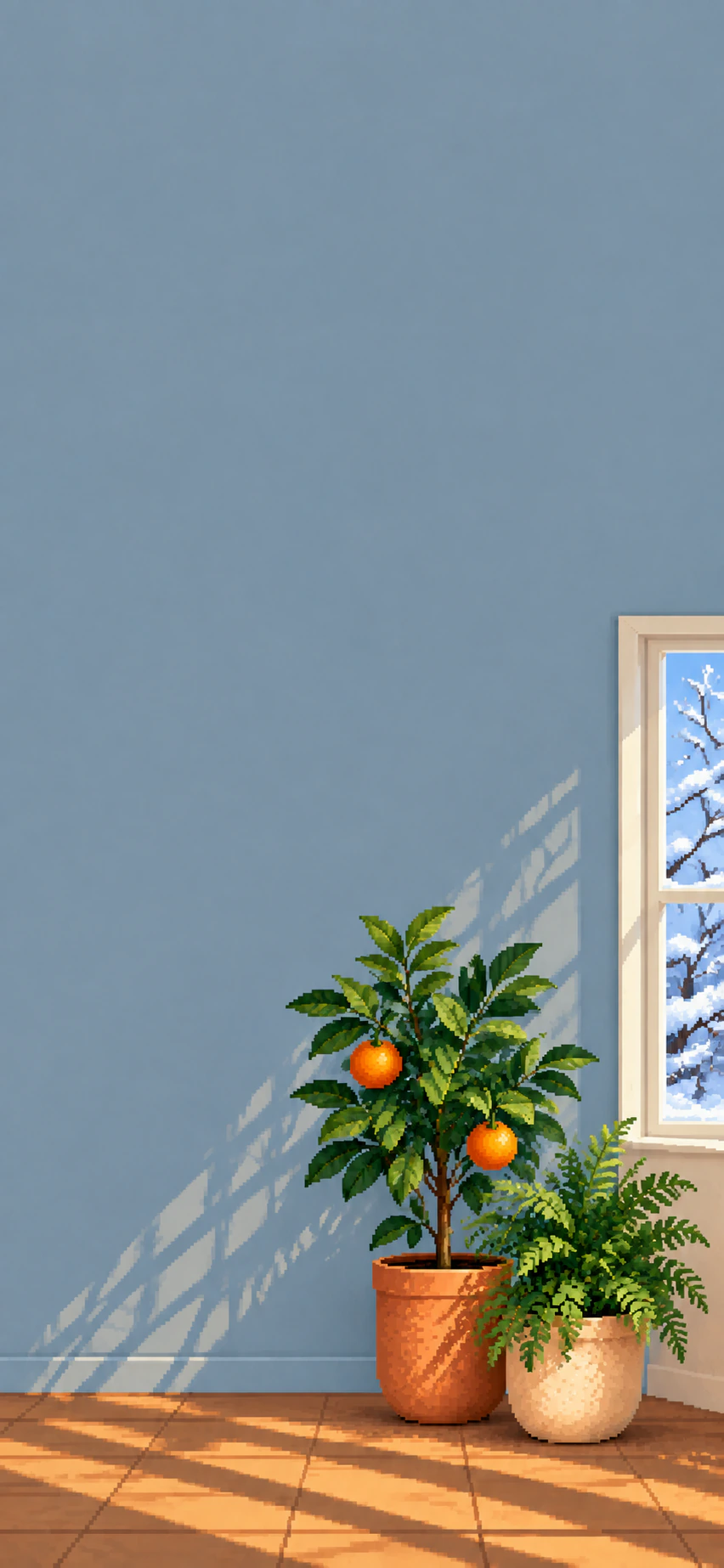
Move your plants closer to the window. A spot that worked at six feet from the glass in July delivers too little in December. Even a south window in winter gives less than a north window in June.
Clean the glass and pull heavy curtains right back. Both sound minor and both make a visible difference on a gray day.
Wipe the dust off the leaves as well. A closed layer of dust costs light the plant cannot spare now. A damp cloth is enough, and a soft brush for hairy leaves.
Turn the pots a quarter turn every few weeks so the growth does not lean into the window on one side.
A grow light is the only real substitute for light that is not there. It has to hang close enough above the plant and run for several hours a day, otherwise it stays decoration.
A shoot that comes out long, thin and pale in winter is not growth worth keeping. Cut it back in spring and the plant breaks compact again in better light.

Watering through the winter
The gap between waterings gets longer while the amount stays the same. Keep watering thoroughly until it runs out of the bottom, then empty the saucer.
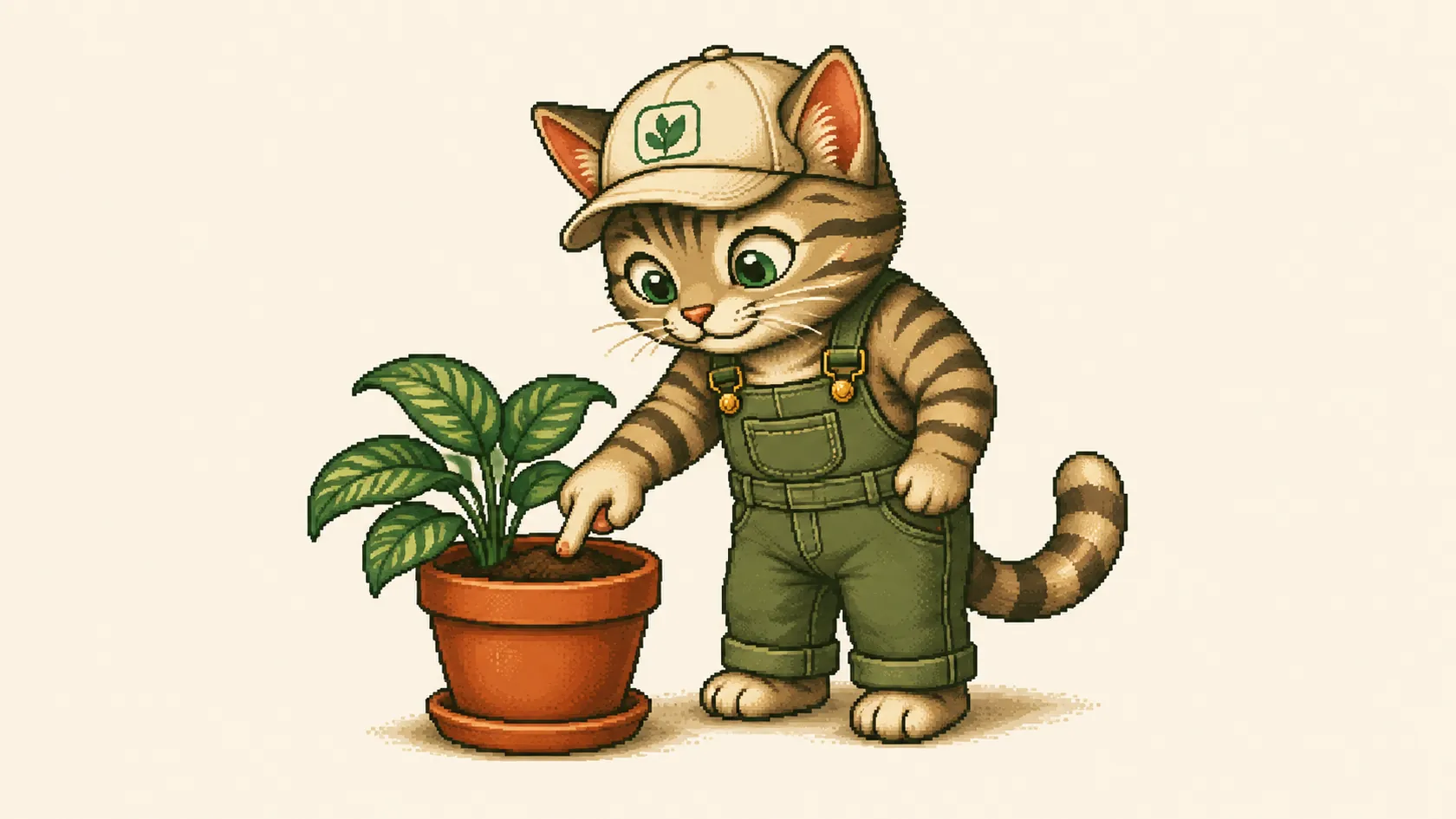
Check two inches down with a finger before every watering. In a cool room with little light the same pot can take twice as long as it did in summer.
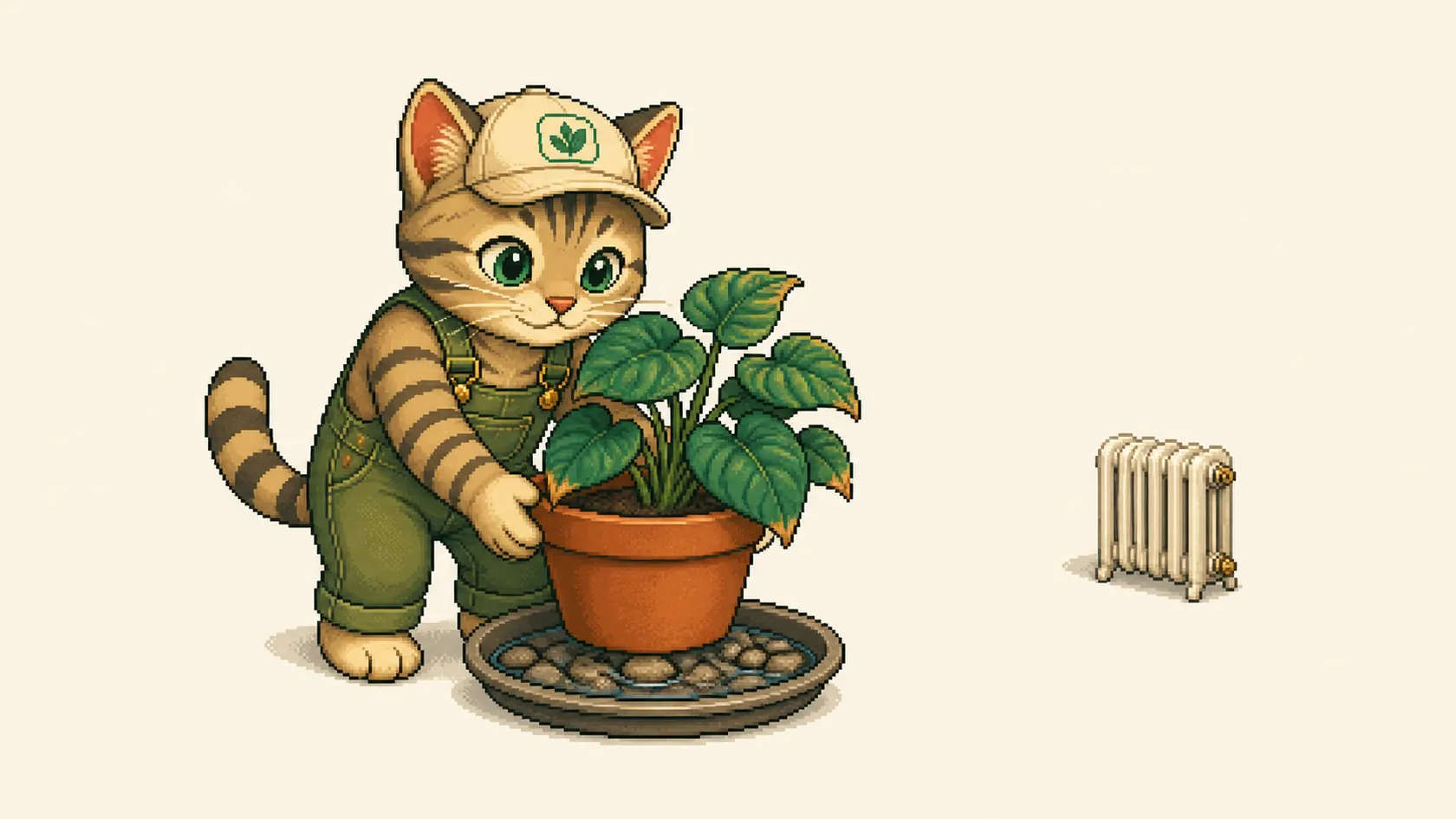
A spot directly above a radiator turns that around. There the root ball dries out faster than in summer even though the plant is barely growing, so those pots need water more often rather than less.
Use water at room temperature. Cold water straight from the tap lands on roots that are used to a heated room.
Soil that stays wet at a low temperature is the most common way to lose a plant in winter. The roots work slowly, the water sits there, and root rot follows.
Empty the saucer after ten minutes. That matters more in winter than at any other time, because the water stands far longer.
Dry heated air and temperature
Dry heated air shows up first as brown, dry leaf tips and edges. Species with thin leaves take it hardest, among them ferns, calatheas and indoor palms.
Group sensitive plants together. In a group the leaves release water into the same pocket of air, which stays damper than the open room.
A tray of pebbles and water under the pot helps as long as the pot stands above the water rather than in it. Misting lasts minutes and does not replace that.
The most effective step is a different spot. A cooler, less heated room has higher humidity on its own.
Cold windowsills are a problem of their own. Between the glass and the leaves it can be sharply colder than the room. A piece of foam board or a wooden board under the pot keeps the roots off the cold surface.
Move the plant aside before you open a window. Cold air straight onto warm leaves drops the foliage of a weeping fig and other sensitive species within days.
Feeding, repotting and pruning
Do not fertilize in winter. A plant that is barely growing in low light does not take the nutrients up, and the salts stay behind in the root ball.
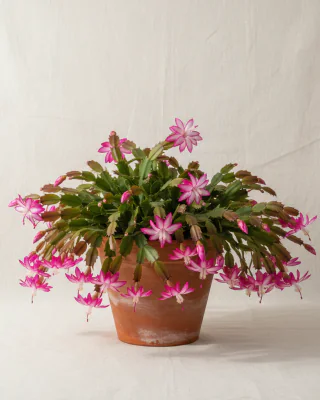
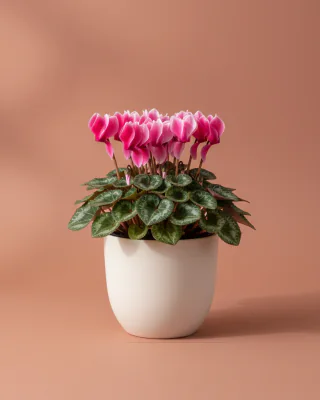
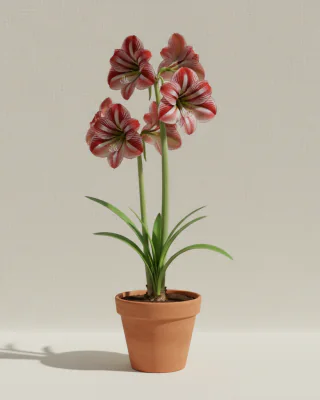
The exception is a plant that is active or flowering now, such as cyclamen, christmas cactus and amaryllis. Those get a weak feed while they are in growth.
Repot in winter only when a problem forces it, such as soil that will not dry, soft brown roots or a broken pot. With no reason to hurry, wait for spring.
Hold off on larger cutbacks too. The plant is hardly breaking now and the cuts stay open a long time. Single damaged leaves can come off at any time.
Pests in winter
Spider mites are the typical winter pest. Warm dry air is their best condition, and they build up quickly in heated rooms.
Look at the leaf undersides regularly, above all on plants sitting over a radiator. Fine pale speckling on the upper surface and thin webbing in the leaf joints are the first signs.
Mealybugs also turn up more often in winter. They sit as white cottony dots in leaf joints and along stems and stay hidden for a long time in dense growth.
Look new plants and holiday gifts over carefully before they join the others. Two weeks on their own spot is enough to notice an infestation.

Cool winter spots and winter bloomers
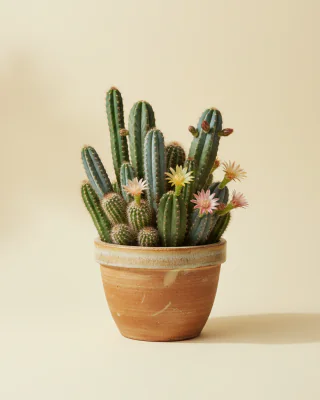
Not every houseplant wants a warm living room in winter. Cacti, many succulents, citrus, oleander and olive want a bright cool place where they are watered very little.
For many of those species that cool rest is what makes flowers possible the following year. A spot that stays warm all winter costs them the bloom.
Cyclamen last only a short while in a warm room. They flower for months when they stand cool and bright and are watered from below.
A christmas cactus is not a desert cactus. It wants soil that stays evenly damp, and it drops its buds when it is moved or turned while they are forming.
Bring plants that spent the summer outdoors back in before the nights turn cold. Check them over for pests first and rinse the leaves off.
Related plants
Keep reading
Common questions
How often should you water houseplants in winter?
Less often than in summer, and still on the finger test. Check two inches down and water only when it is dry there. Plants directly above a radiator are the exception, because their soil dries faster.
Should you fertilize houseplants in winter?
As a rule no, because they barely grow in low light and the nutrients stay in the pot. Plants that flower or push new growth in winter get a weak feed while they are active.
What helps against dry air from the heating?
Group the plants together, set the pot on a tray of pebbles and water without standing it in the water, or move it to a cooler room. Misting works for minutes and replaces none of the three.
Why is my houseplant losing leaves in winter?
Usually too little light, cold drafts at the window or soil that stays wet. Losing the odd old lower leaf is normal. When many leaves go within a few days, look at drafts and at the soil first.
Where should houseplants stand in winter?
As close as possible to the brightest window and not directly above a radiator. Leave a gap between the leaves and cold glass, and move the plant aside when you open the window.
Do houseplants need a grow light in winter?
Not every plant needs one, but it is the only real substitute for missing light. It earns its place at dark spots, with light hungry species, and when shoots come out long and pale.
Last reviewed: 2026-09-07