Poinsettia care guide
Euphorbia pulcherrima
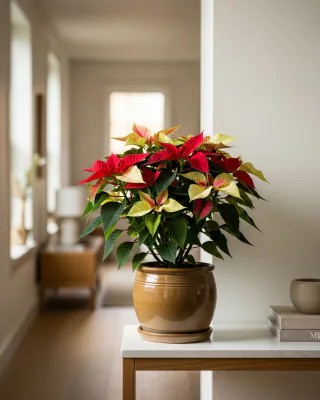
Give a poinsettia bright light, a steady 15–21 °C (59–70 °F) and no drafts. Water when the top of the soil feels dry, let the pot drain, and never leave water in the foil sleeve.
 Not sure it’s this plant?Check yours with a photo, free
At a glance
- Light
- Bright, near a sunny window
- Water
- When the top 2.5 to 5 cm (1–2 in) of soil is dry
- Climate
- 15–21 °C (59–70 °F)
- Humidity
- Normal room air, away from heaters
- Pet safety
- Toxic to cats and dogs (mild)
Just received a poinsettia?
Cold is the biggest risk on the way home. Even a few minutes of frost can blacken the leaves, and that damage cannot be undone, so carry it wrapped and take it out of its paper or plastic sleeve as soon as you are inside. Cutting the sleeve open is gentler than pulling it up over the bracts.
Give it the brightest spot you have, close to an east, west or south-east window, at 15 to 21 °C (59–70 °F). Keep the leaves off cold glass and away from radiators, heating vents and doors that open onto winter air.
Most poinsettias come in a decorative foil or a pot cover without holes, and water that collects there keeps the roots wet until they rot. Lift the plant out to water it at the sink, let it drain and empty the foil before you put it back, or cut holes in the bottom of the foil.
Then feel the soil. If the top 2.5 cm (1 in) is dry, water until it runs out of the bottom. If it is still damp, check again in a couple of days.
The small yellow buttons in the middle are the true flowers. Over the weeks they open, shed pollen and fall off. That is normal aging, and the colored bracts stay on long after. Leaves that drop in the first days usually point to a cold trip home, a draft or wet roots, so check those first.
Getting it to color again
A poinsettia colors up only after weeks of long nights. To get color by December, give it 14 hours of complete darkness every night from about 1 October, for example from 17:00 to 08:00 in a closet or under a cardboard box, and bring it back into bright light every morning so it gets 6 to 10 hours of light a day.
Keep nights around 16 to 18 °C (61–64 °F) and keep feeding every two weeks. Do not switch on a lamp or open the closet during the dark hours, because even a short spell of light can delay the color. The bracts start to color after about 6 to 8 weeks. Stop the dark routine once they are fully colored, usually in early December.
After Christmas, a plant that keeps its leaves gets the same bright spot and careful watering until spring. If it drops most of them, let it rest somewhere cool, about 10 to 13 °C (50–55 °F), and water only enough to stop the stems shriveling. In March or April, cut the stems back to 10 to 15 cm (wear gloves, the milky sap can irritate skin), repot one size up if roots fill the pot, and start feeding. From June it can stand outside once nights stay above about 16 °C (61 °F). Bring it back in by mid-September.
When and how much water
2.5 to 5 cm (1–2 in)
When the top 2.5 to 5 cm (1–2 in) of soil is dry
Check the soil every few days. When the top 2.5 to 5 cm (1 to 2 in) feels dry, water until it runs out of the bottom, then empty the saucer. In Botanicaly’s plant data that is about every 7 days in summer and every 10 days in winter, but the soil decides.
Take the plant out of its foil or plastic sleeve to water it, or cut holes in the bottom. Water that collects in the sleeve keeps the roots wet and leads to root rot.
Light and placement
Place a poinsettia in the brightest spot you have, close to an east, west or south-east window. Keep the leaves off cold glass and away from doors that open onto winter air.
Feeding
Do not feed a poinsettia while it is in color. Once the bracts fade and new growth starts in spring, give a balanced liquid fertilizer every two weeks at half strength, and keep going through summer and the autumn dark weeks.
Temperature & humidity
Climate15–21 °C (59–70 °F)
HumidityNormal room air, away from heaters
Keep it at 15 to 21 °C (60 to 70 °F), with no cold drafts and no heat from radiators. Below about 10 °C (50 °F) it can suffer chilling damage and drop leaves. Frost or a long spell of cold can kill it, and even a few minutes of frost on the way home can blacken the leaves.
Ordinary room humidity suits a poinsettia. Keep it away from radiators and heating vents, because warm, dry air makes the leaves drop. Do not mist it: wet bracts can get gray mold.
Why is my poinsettia losing leaves?
Cold is the most common cause: a cold trip home, a draft, temperatures below about 10 °C (50 °F) or leaves touching a cold window. Wet soil from water standing in the foil sleeve, dry soil and warm air from a heater also make leaves drop. Check what changed in the last few days and fix that first.
If the leaves and bracts wilt and turn black, it was frost or cold, and that damage cannot be undone. A few leaves falling in late winter is normal as the plant slows down. If it drops most of them, let it rest somewhere cool, about 10 to 13 °C (50–55 °F), with just enough water to keep the stems firm.
Poinsettia after Christmas: what now?
Sooner or later the bracts fade or turn greenish, the yellow buttons fall and the plant may drop leaves as it slows down in late winter. That is the end of its display, not a disease.
Many people compost it at this point, and that is fine. If you want to keep it, follow the after-Christmas steps in “Getting it to color again”: a cool rest if it drops most of its leaves, a cutback in March or April and regular feeding through summer.
Do not expect color again in a few weeks. The bracts only color after about 6 to 8 weeks of long, dark nights from about 1 October, so a kept plant colors again the next December at the earliest.
Toxic to pets?
Yes. Keep it out of reach.
Wear gloves when you cut or repot it. Keep the sap away from your eyes and skin, and wash your hands afterwards.
Pet-safety information in the JungleBook uses ASPCA reference data where available. It is reference information, not veterinary advice.
Full poinsettia toxicity guide →
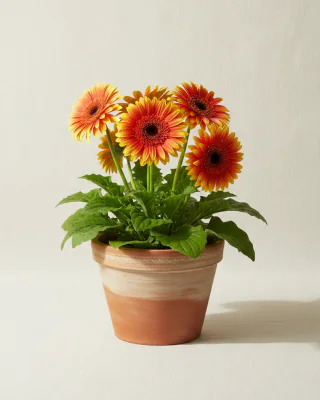
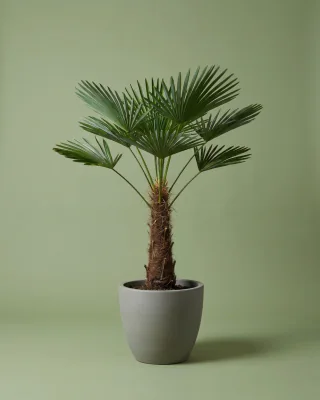
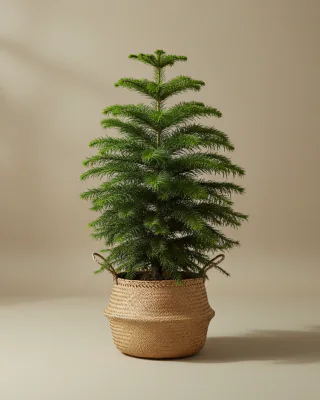
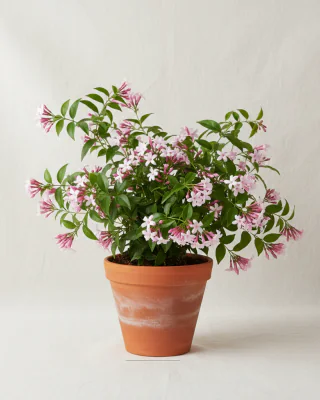
Pet-safe alternatives with similar light
Common questions
How often should I water a poinsettia?
Water a poinsettia when the top 2.5 to 5 cm (1 to 2 in) of soil feels dry. That is often about every 7 days in summer and every 10 days in winter, but a warm room can dry it faster. Water until it drains, then empty the saucer and sleeve.
Why is my poinsettia dropping leaves?
Cold is the most common cause: a cold trip home, a draft, or leaves touching a cold window. Wet soil from water standing in the foil sleeve, dry soil and warm air from a heater also make leaves drop. Check what changed in the last few days and fix that first.
How do I keep a poinsettia alive after Christmas?
Keep it bright, at 15 to 21 °C (59–70 °F) and watered when the top soil is dry. If it drops most of its leaves, let it rest cool, about 10 to 13 °C (50–55 °F), with only enough water to keep the stems firm. Cut it back to 10 to 15 cm (4–6 in) in March or April and start feeding.
How do I make my poinsettia turn red again?
From about 1 October, give it 14 hours of complete darkness every night, for example in a closet from 17:00 to 08:00, and bright light during the day. The bracts start to color after about 6 to 8 weeks. Any light during the dark hours delays it.
How much light does a poinsettia need?
A poinsettia needs bright light, close to an east, west or south-east window. Keep the leaves away from cold glass in winter.
Is a poinsettia poisonous to cats and dogs?
Yes, but mildly. ASPCA lists it as toxic to cats and dogs. The milky sap can cause drooling, vomiting or diarrhea, and serious poisoning is rare. Keep it out of reach and call your vet if your pet has symptoms.
Can a poinsettia go outside?
Only in summer. Put it out once nights stay above about 16 °C (61 °F), get it used to the sun over a week, and bring it back in by mid-September. Below about 10 °C (50 °F) it can suffer chilling damage, and frost can kill it.
Sources
- This guide follows established plant-care guidance and official ASPCA pet-safety references. How we verify our plant data →
- Sources: the RHS Euphorbia pulcherrima profile supports the minimum temperature, feeding, pruning, propagation and pest list. Iowa State University Extension, NC State Extension, Mississippi State University Extension, Nebraska Extension, WSU Extension and the Texas A&M Plant Clinic support the watering, temperature, leaf-drop, after-Christmas and reblooming guidance. The ASPCA Poinsettia record and Pet Poison Helpline support the pet-toxicity wording.
Last reviewed: