

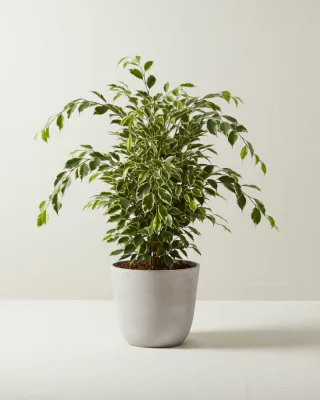
At a glance
- Light
- Bright indirect or filtered light
- Water
- When the surface has dried slightly
- Placement
- Stable and away from drafts
- Climate
- Warm and even
- Pet safety
- Toxic to cats and dogs
- Scientific name
- Ficus benjamina


When and how much water
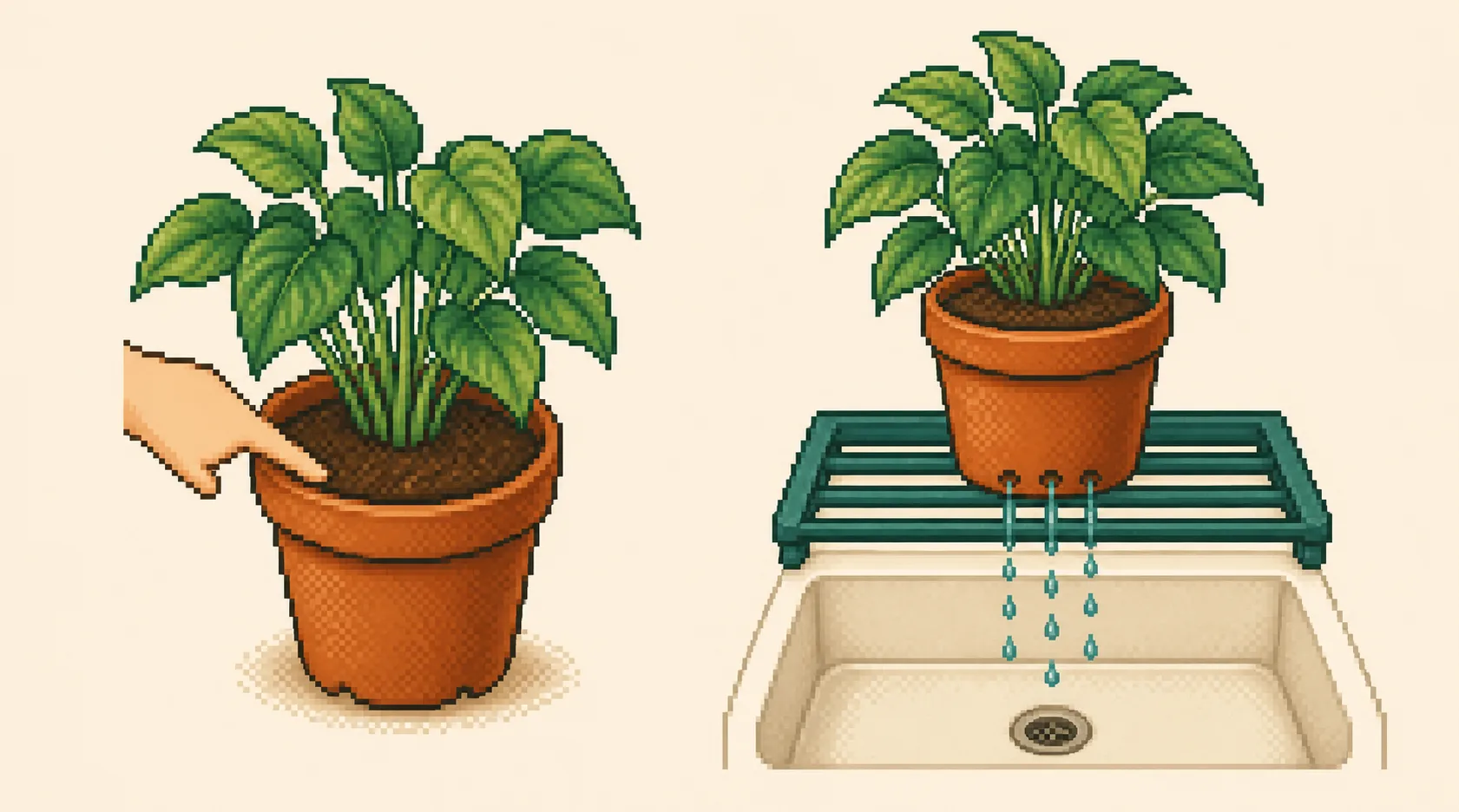
Feel the surface of the mix before watering. When it has dried slightly, water at room temperature and let the excess run out of the pot.
Growth slows in winter, so the plant may need water less often. Keep the mix lightly damp rather than saturated, and never leave the pot standing in water.
Light and placement
Give Ficus benjamina bright, indirect or filtered light. Gentle morning or evening sun can suit it. Once you find a bright position away from drafts, keep the plant there.

Feeding
From spring to late summer, use a high-nitrogen fertilizer according to the product directions. If the plant is dropping leaves or has stopped growing, check its conditions before feeding it.
Temperature & humidity
Keep conditions warm and even, away from cold drafts and large temperature changes. The RHS genus guide says most ornamental figs should remain above roughly 10–13°C.
Medium to high humidity suits a weeping fig. In a dry room, use a tray of damp pebbles or group it with other plants.
Common problems
When leaves fall, resist the urge to try three remedies at once. Work out what changed most recently, check the mix, and give one correction time to show an effect.
Find what’s wrong
Toxic to pets?
Yes. Keep it out of reach.
Pet-safety information in the JungleBook uses ASPCA reference data where available. It is reference information, not veterinary advice.
Full Weeping fig toxicity guide →
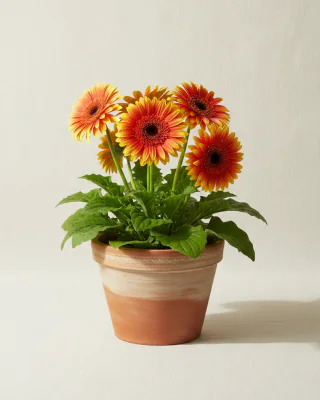
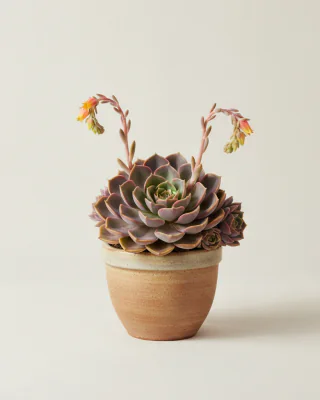
Pet-safe alternatives with similar light


Common questions
How often should I water a weeping fig?
Water when the surface of the mix has dried slightly. Use room-temperature water, let the pot drain, and check less often during slower winter growth.
How much light does a weeping fig need?
Give Ficus benjamina bright, indirect or filtered light. A little morning or evening sun can be suitable, but keep its position stable and avoid cold drafts.
Why is my weeping fig dropping leaves?
First check whether the plant was moved or exposed to a change in light, temperature or drafts. Then check whether the mix is persistently wet or dry and inspect the leaves and stems for pests.
Is Ficus benjamina toxic to cats and dogs?
Yes. ASPCA lists Ficus benjamina as toxic to cats and dogs, identifies ficin and psoralen, and lists gastrointestinal and dermal irritation.
Sources3 references
- Royal Botanic Gardens, Kew: Plants of the World OnlineTaxonomy · accepted name · native range · classification
- Royal Horticultural SocietyGrowing Conditions · Cultivation · Pests · Botanical Details · What are ornamental figs · Planting · Ongoing Care · Problems
- ASPCA Animal Poison ControlScientific name · toxicity · ficin and psoralen · clinical signs
Last reviewed: 2026-09-21