What you see
New leaves come out small, puckered or hooked, and tips or margins brown while the leaf is still unfolding. Older leaves stay green.



It shows on the newest leaves, not the old ones. Uptake fails more often than the supply runs out.
That makes the picture recognizable and the cause hard to pin down. The same symptoms appear when there is calcium in the pot but the plant cannot take it up, which happens far more often indoors than an empty soil does.
Treat a deficiency as a guess until you know what has been fed to this plant, how often, and what its watering has looked like. Without that history the leaves alone will not settle it.
The newest leaves come out small, puckered or twisted, and the edges can curl inward or hook. On some plants the leaf tips and margins go brown and papery while the leaf is still unfolding.
The growing tip is the part to look at. Damage that stops the tip, kills the youngest bud or leaves the new growth stunted while the older leaves stay sound and green is the pattern that points here.
Older leaves staying green is what separates this from a nitrogen shortage, where the oldest leaves go pale first. If the yellowing starts at the bottom of the plant, look elsewhere.
Damaged tissue does not repair. You read the result on the leaves that open after you change something.
Look at
Most likely cause
Calcium travels in the water column that the plant pulls up through its roots. When the root ball swings between bone dry and soaking wet, that flow stops and restarts, and the tissue forming during the dry stretch is the tissue that misses out.
Dry air and strong airflow pull the same way. Water goes to the leaves that lose the most, which are the big established ones, and the small enclosed new growth in the middle gets served last.
Water evenly and thoroughly, until it runs out of the base, and let the mix dry only to the point the plant is used to rather than to bone dry. That single change is what most of these cases need.
Give it several new leaves before judging. The leaves already formed keep their damage whatever you do.
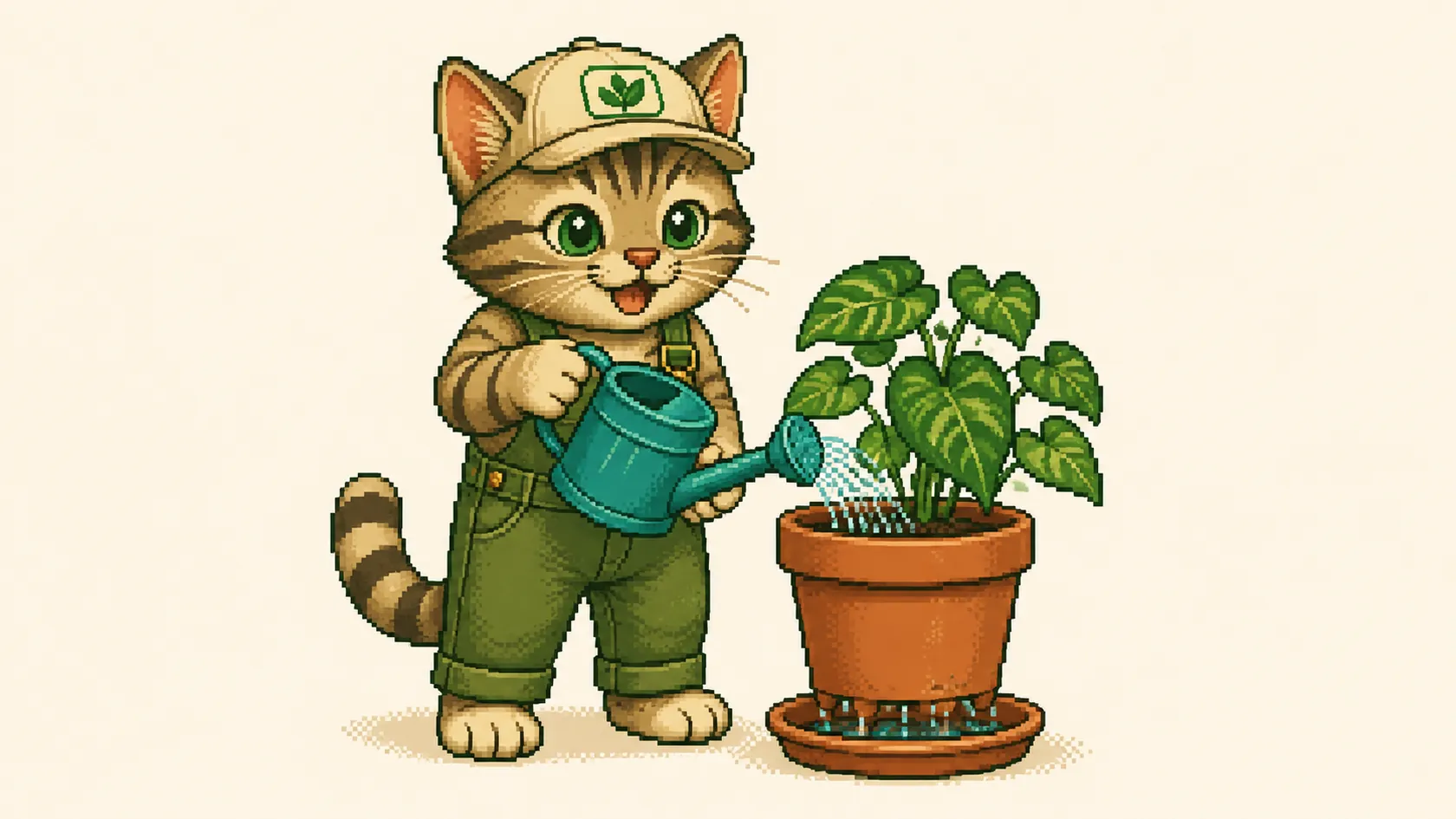
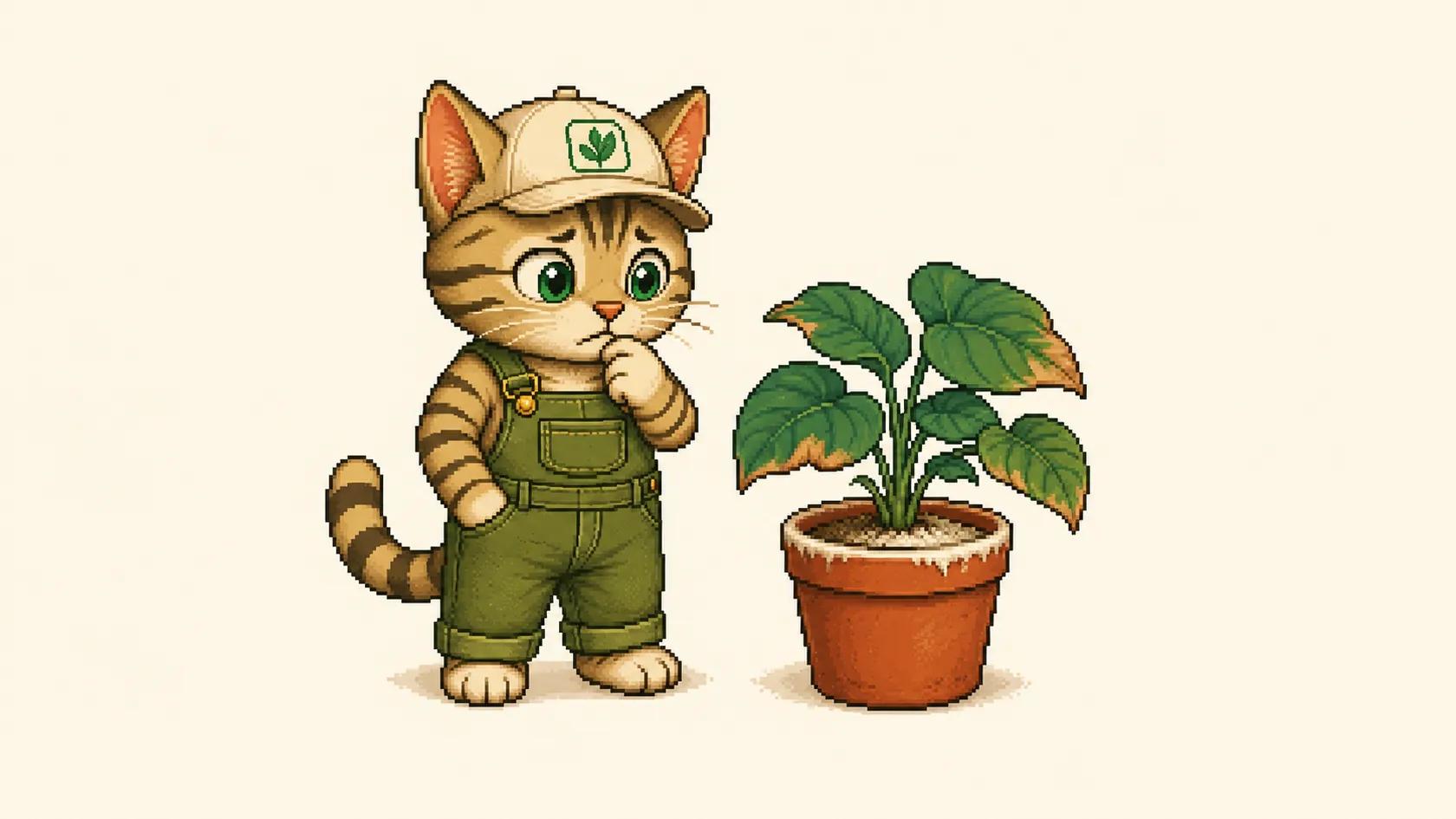
Fertilizer salts build up in a pot that is never rinsed through, and a heavily loaded mix makes it harder for roots to take up water and everything dissolved in it. A pale crust on the surface and on the pot rim is the visible version of that.
Feeding more in this situation makes it worse rather than better. More fertilizer is more salt, and the uptake problem is what is standing in the way.
Rinse the pot through with plain water until it runs freely out of the base, several times over, and pour away what collects underneath. Then leave fertilizer alone for a few weeks and watch the new growth.
Roots that have rotted in a pot that stays wet, or been broken during a repot, take up less water and reach less of the pot. The plant then behaves as though the mix were short of everything, whatever the mix actually holds.
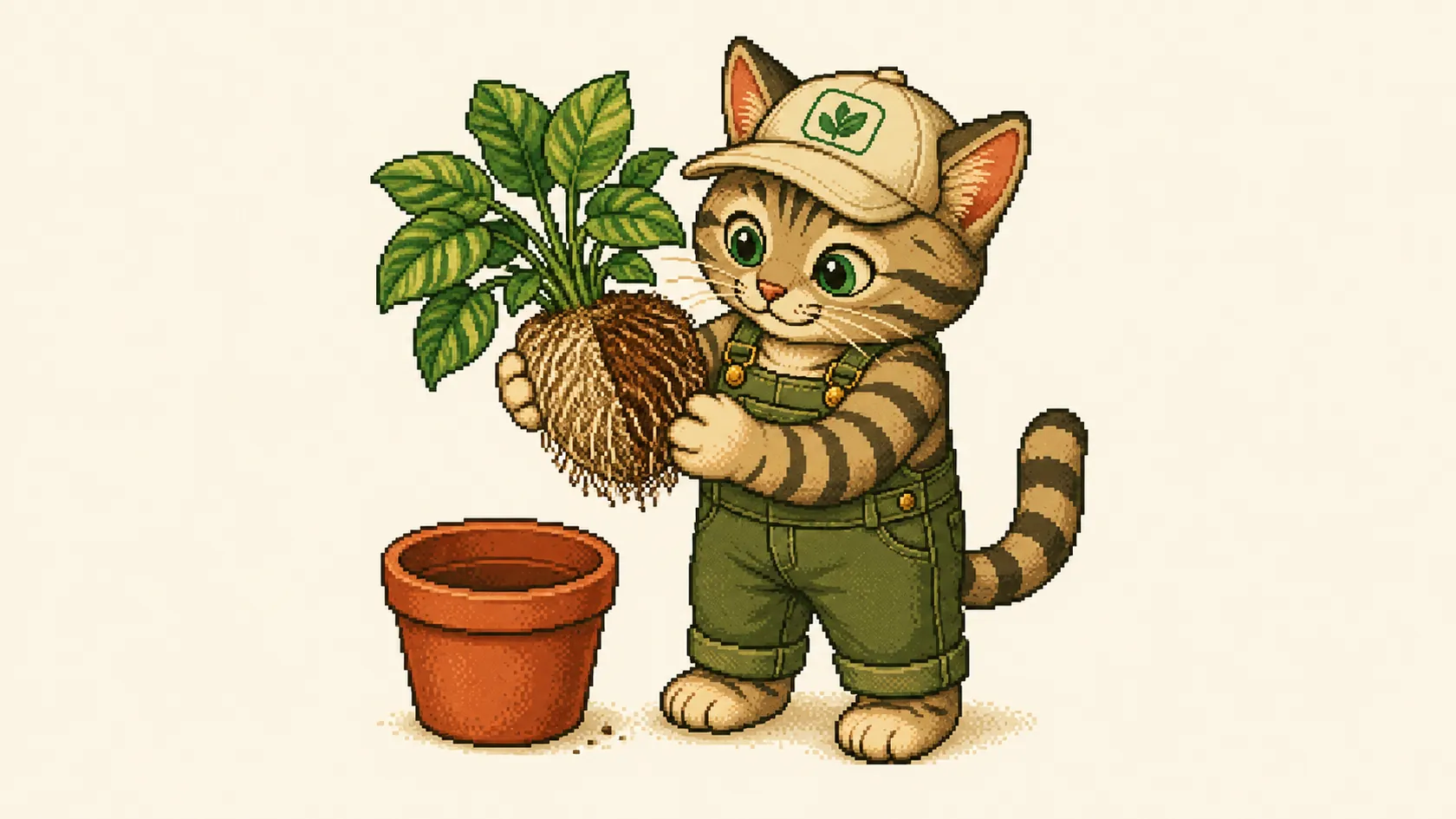
Lift the plant out and look. Firm pale roots are working. Dark, soft roots and sour smelling soil mean water has been standing too long, and a plant recovering from that produces poor new leaves for a while whatever you feed it.
Fix the water first. A pot that drains, a saucer emptied after every watering, and mix that has not collapsed give the roots the chance to work again.
This is the last explanation to reach for indoors, not the first. Fresh potting mix carries a supply with it, and tap water in many places brings calcium along with it as lime.
It becomes plausible where the plant has sat in the same old mix for years without repotting, where it grows in a soilless medium such as coir or bark that carries little of its own, or where it is watered only with rainwater or distilled water and fed with something that contains no calcium.
Repotting into fresh mix is the answer that fits a houseplant. A complete fertilizer that names calcium among its ingredients covers a soilless setup, used at the strength printed on its own pack.
Crushed eggshells break down very slowly in a pot and change little over a season. They are not a fix for a plant that is showing symptoms now.
Puckered, hooked new leaves also come from thrips feeding on the growing tip, from a knock that damaged the bud, from cold air on a windowsill, and from herbicide or aerosol drift. Those look alike on the leaf and are told apart by the rest of the situation.
Look into the growing tip in good light for tiny insects and silvery scarring before settling on a nutrient explanation. It is quicker to rule out than to reverse.
Change one thing at a time and write down the date. Two changes at once leave you with an improvement and no idea which one brought it.
It shows on the newest growth. Young leaves come out small, puckered or hooked, tips and margins brown while the leaf is still unfolding, and the growing point can stop altogether. Older leaves stay green, which is what tells it apart from a nitrogen shortage.
You cannot tell from the leaf alone. Go through the feeding and watering history first, look into the growing tip for thrips, and check the roots. Indoors, an uptake problem is a more likely reason than a mix that has run out.
Start with even, thorough watering and rinse the accumulated salts out of the pot. If the plant has been in the same old mix for years, or grows in coir or bark, repot into fresh mix or use a complete fertilizer that lists calcium, at the strength on its pack.
Very slowly. Shell breaks down over a long time in a pot, so it does nothing for a plant showing symptoms now. Fresh potting mix or a complete fertilizer answers the immediate question.
Hard water brings calcium into the pot rather than taking it away. What it can do is leave salts and lime behind that make uptake harder, which produces similar looking damage. Rinsing the pot through addresses that.
No. Leaves that formed while the supply was interrupted keep their shape and their brown margins. The measure of success is the leaves that open next.
Last reviewed: 2026-09-07