



Which houseplants grow from seed
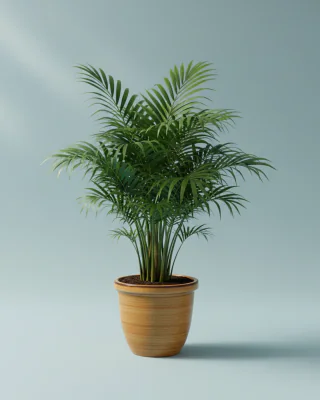
Palms are the classic case. Parlor palm and kentia palm are grown commercially from seed, and at home they come up slowly and unevenly.
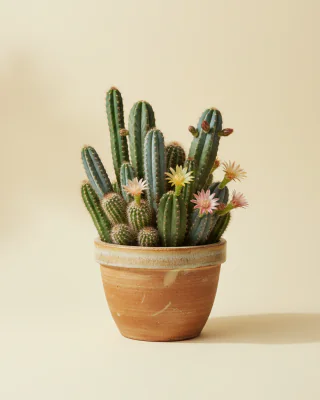
Cacti and many succulents do well, because their seed stays viable for a long time. The seedlings are tiny and want an evenly damp surface through the first year, then the opposite once they have some size.
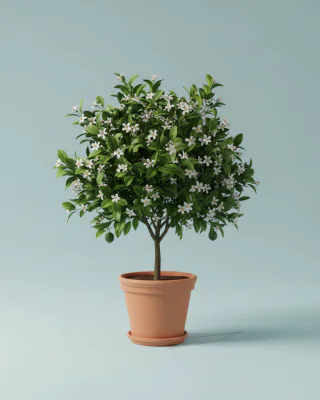
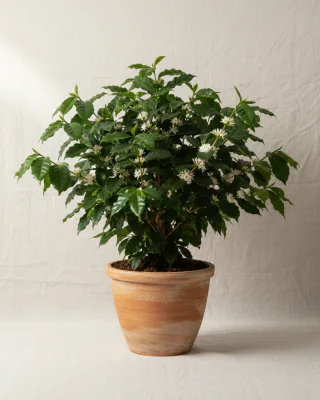
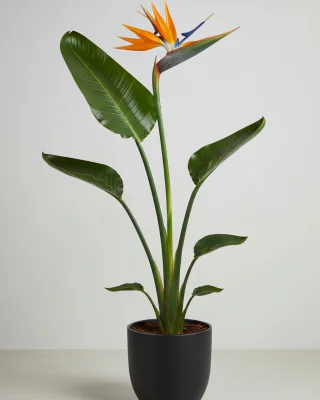
Lemon, coffee, banana and bird of paradise all grow from seed. With citrus and coffee the freshness is what counts, because those seeds lose the ability to sprout within a few weeks of leaving the fruit.
For a first try, pick something quick. Coleus, polka dot plant and lace fern give you a recognizable plant in a few weeks rather than a season.
Seed does not always give you the same plant back. Named cultivars split into a mix of forms, and variegated leaves rarely pass their pattern on through seed. When you want the plant you already have, take a cutting instead.
Orchids stay outside this. Their seed carries no food reserve and germinates only with a fungal partner or on a sterile medium in a lab.
Buying seed and preparing it
Look at the date on the packet before anything else. For palms, citrus and many tropical species, fresh seed is the single biggest factor, and old stock will not come up however well you treat it.
Large seeds with a hard shell get soaked first. Put them in hand-warm water for a few hours up to a day, until they have visibly swollen.
A very hard shell can be scratched as well. Rub the seed briefly on fine sandpaper or nick the shell in one spot without cutting into the kernel. It takes up water much faster afterward.
Some species need a cold spell before they will sprout. That mostly applies to hardy woody plants, and the packet says so when it applies.
The packet also carries the germination temperature, the time to expect and whether the seed needs light. Read those three before you sow, because they run a long way apart from species to species.
How to sow
Use a seed starting mix. It is low in nutrients and fine textured, so young roots spread easily and are not sitting in salts. Regular potting soil is too rich and burns fine root tips more readily.
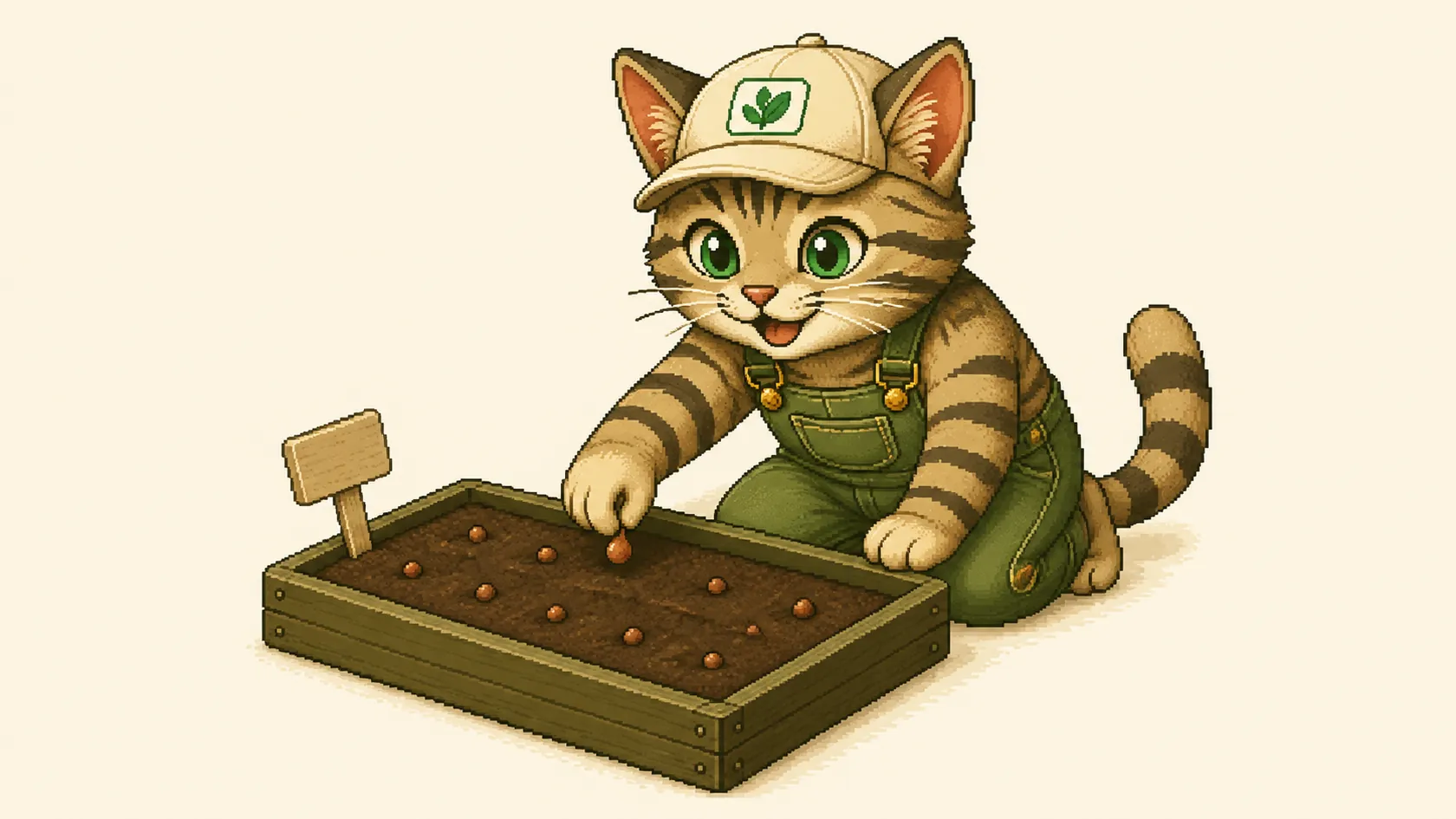
- Fill a shallow tray with seed starting mix and level it. Press it lightly without packing it down.
- Dampen the mix before you sow, with a spray bottle or by standing the tray briefly in water.
- Space the seeds out one by one. Crowded seedlings shade each other later and are hard to separate.
- Cover each seed to about its own thickness. Seeds that need light stay uncovered and are only pressed onto the surface.
- Label the tray with the species and the date. For anything that comes up over weeks, that label is the only way to keep track.
- Cover the tray with a lid or a clear bag and open it once a day for a few minutes.
Warmth, water and light until it sprouts
Warmth is where most home sowings fail. Tropical species come up far faster on a spot that stays warm around the clock, above a radiator or on a heat mat, than in a room that cools off overnight.
The mix stays evenly damp and neither dries out nor stands in water. Mist the surface or set the tray in water briefly and let it drain. A watering can from above washes the seeds out of place.
Seeds that need light want it before they sprout, and everything else only after. Bright with no direct midday sun suits both, because a covered tray in full sun heats up fast.
Sit out the germination time on the packet. Palms, cacti and many woody species come up spread over weeks, and an empty tray after ten days tells you nothing yet.
After germination
Take the cover off once the first seed leaves are standing. Under a lid the air stays saturated, and seedlings raised in it grow soft and give way easily.
Then give the tray the brightest spot you have. Too little light in the first weeks produces long thin stems that fall over, and that stretch never corrects itself.
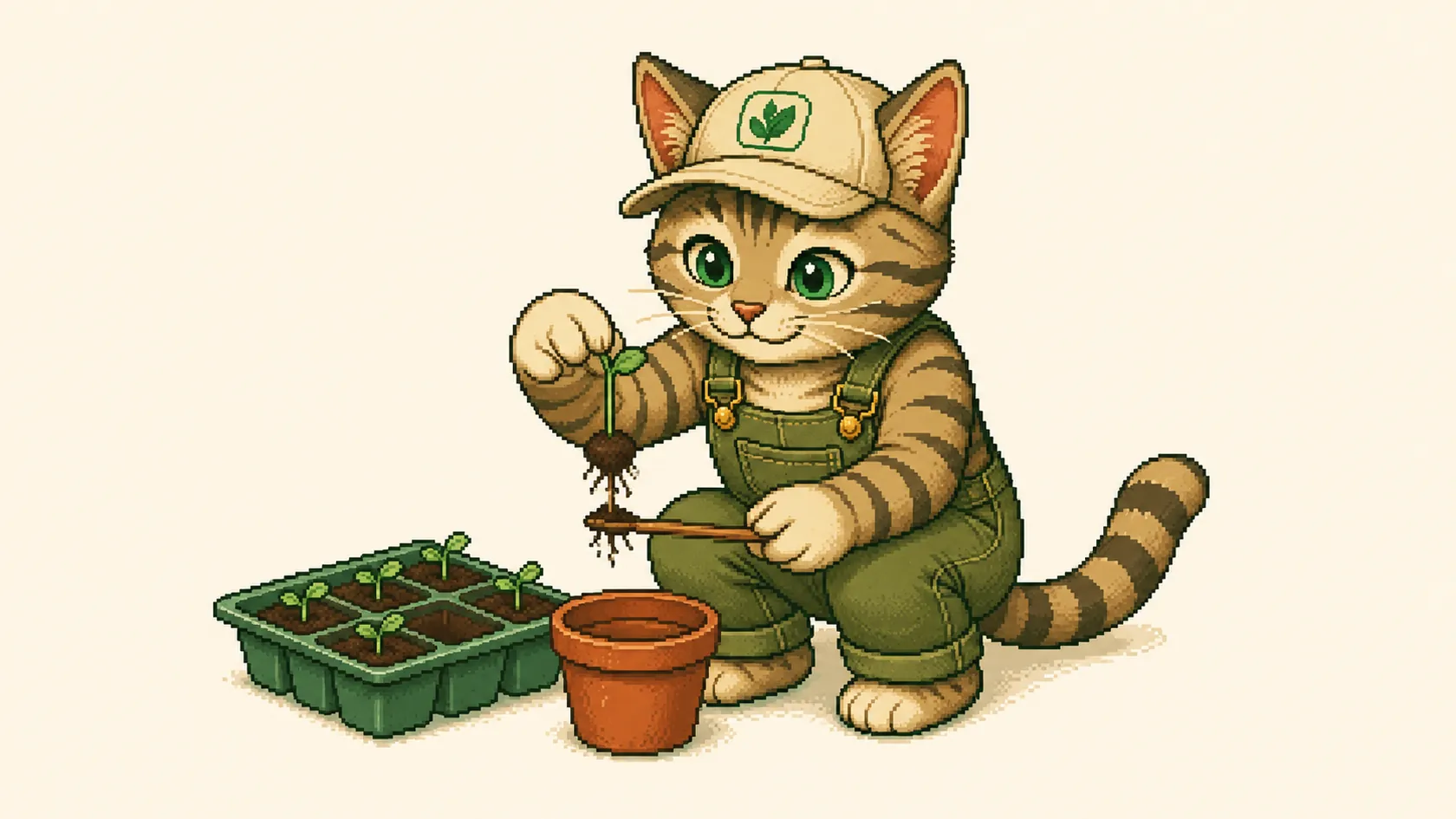
Prick the seedlings out once the first true pair of leaves has followed the seed leaves. Lift each one from underneath with a small stick, hold it by a seed leaf rather than the stem, and set it in its own small pot.
Normal care starts after that. A few weeks in fresh mix, then the seedling gets its first weak feed.
Move young plants into stronger light in stages. A seedling that goes straight from a covered tray to a south window burns.
What usually goes wrong
White fuzzy growth on the surface is mold, and it comes from warm still air over a mix that never dries. Ventilate longer, scrape the growth off and water less.
Seedlings that pinch in just above the surface and topple over are the classic loss in a seed tray. Fungi in constantly wet mix with no air movement are behind it. The ones that fall are gone, and the rest need drier, airier conditions to make it.
Fungus gnats find damp seed starting mix ideal. Their larvae feed on fine roots and can cost you a whole tray.
Uneven germination is the rule for many species rather than a fault. Leave the tray standing even after the first seedlings have been potted on.
Count on losses. A packet never comes up in full, and with old seed the whole sowing can stay empty.
Related plants
Keep reading
Common questions
How do you grow houseplants from seed?
Sow into damp seed starting mix, cover each seed to about its own thickness and keep the tray covered somewhere warm and bright. Once the seedlings are up, the cover comes off and they need as much light as you can give them.
How long does houseplant seed take to germinate?
It depends heavily on the species. Quick ones such as coleus show within one to two weeks, while palms and many woody plants take weeks to months and come up unevenly. The range is printed on the packet.
What soil do you use for starting seeds?
Seed starting mix, which is low in nutrients and fine textured. The low nutrient level pushes seedlings to make roots first, and it spares the sensitive root tips that regular potting soil can burn.
What does it mean when a seed needs light?
It means the seed only sprouts with light on it, so it is pressed onto the surface instead of being covered. Whether a species works that way is printed on the seed packet.
Why is my seed starting mix growing mold?
Because warm still air sits over a surface that never dries. Open the cover for longer each day, scrape the growth off and let the top of the mix dry slightly between waterings.
Can you plant a lemon or avocado seed from the fruit?
Yes, both sprout reliably while the seed is fresh. A lemon grown this way stays a seedling for many years before it carries fruit, and an avocado becomes a tall, sparse houseplant.
Last reviewed: 2026-09-07