What you see
Roots come out of the drainage holes, push up through the surface, or bulge the sides of a plastic pot.



Roots at the drainage holes and water running straight through mean the pot is full. Lift the plant out and look.
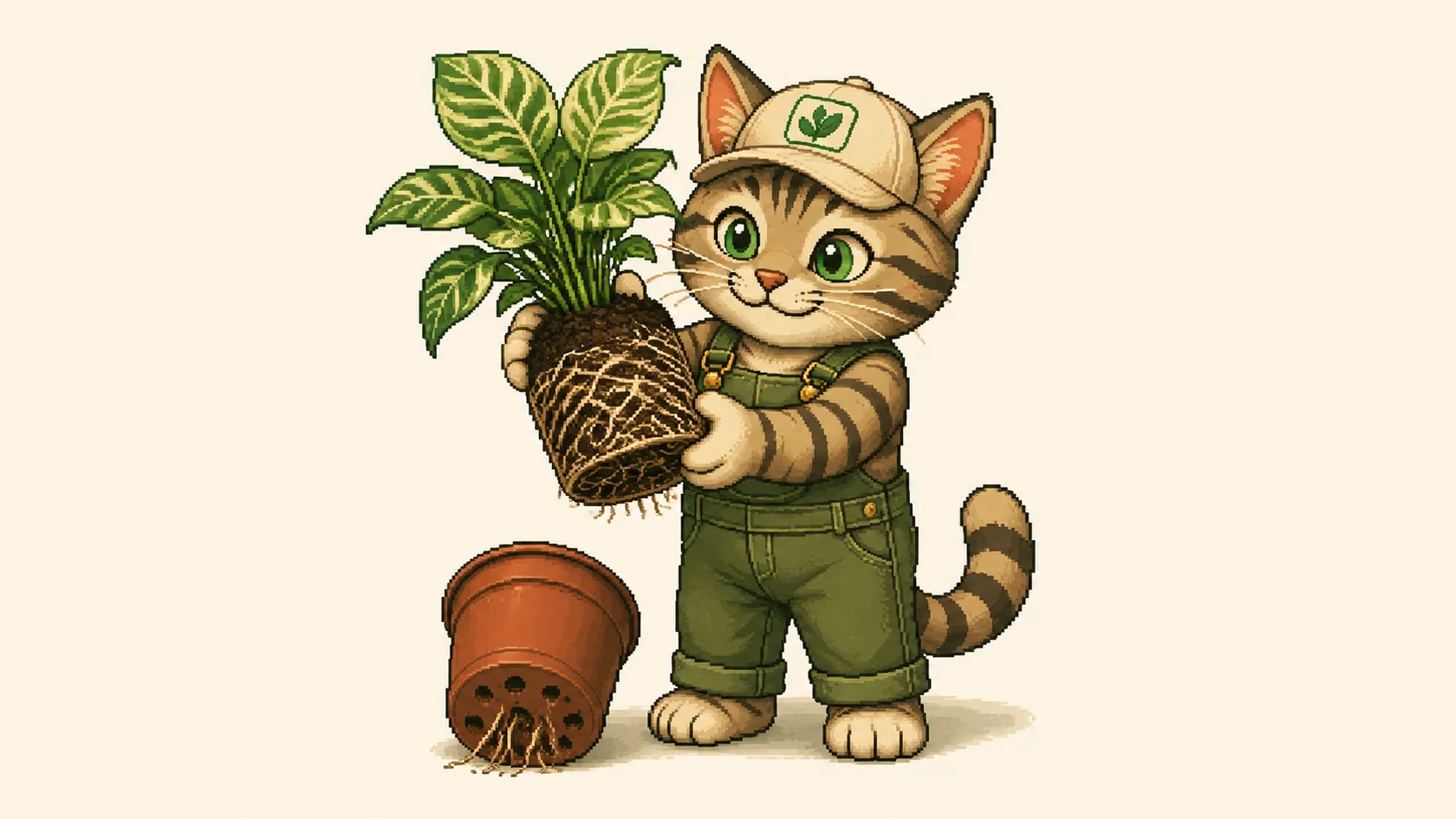
You do not need to guess. Slide the plant out of its pot and look at the outside of the root ball. That one look settles it, and it takes less time than reading about the symptoms.
Some plants flower better slightly crowded, so a full pot is not automatically a problem. It becomes one when the plant cannot hold enough water to get through a normal day.
Water the plant the day before, then lay the pot on its side, press the sides if it is plastic, and ease the plant out by the base of the stems rather than pulling on a single stalk. A stuck plant comes loose if you run a long knife around the inside wall first.
A healthy root ball has mix visible between the roots and falls apart a little when handled. A root bound one comes out as a solid block in the shape of the pot, with roots wound around the outside.
Look at the color while you are there. Firm, pale roots are fine even when they are crowded. Dark, soft roots that smell sour are a different problem and are treated as rot rather than as crowding.
Put the plant straight back if the roots still have mix around them. Repotting a plant that does not need it costs it several weeks of growth for nothing.
Look at
Most likely cause
This is the sign most people see first, and it is reliable. Roots leave through the holes because there is nowhere left to go inside the pot.
Roots pushing up out of the surface say the same thing. So does a plastic pot that has visibly bulged, or a root ball that lifts the whole plant slightly above the rim over a season.
A cracked terracotta pot belongs on the same list. A thick root mass expands with every watering and clay does not give.
None of this is urgent on its own. It tells you to check the root ball, and the check tells you whether to repot now or after the winter.
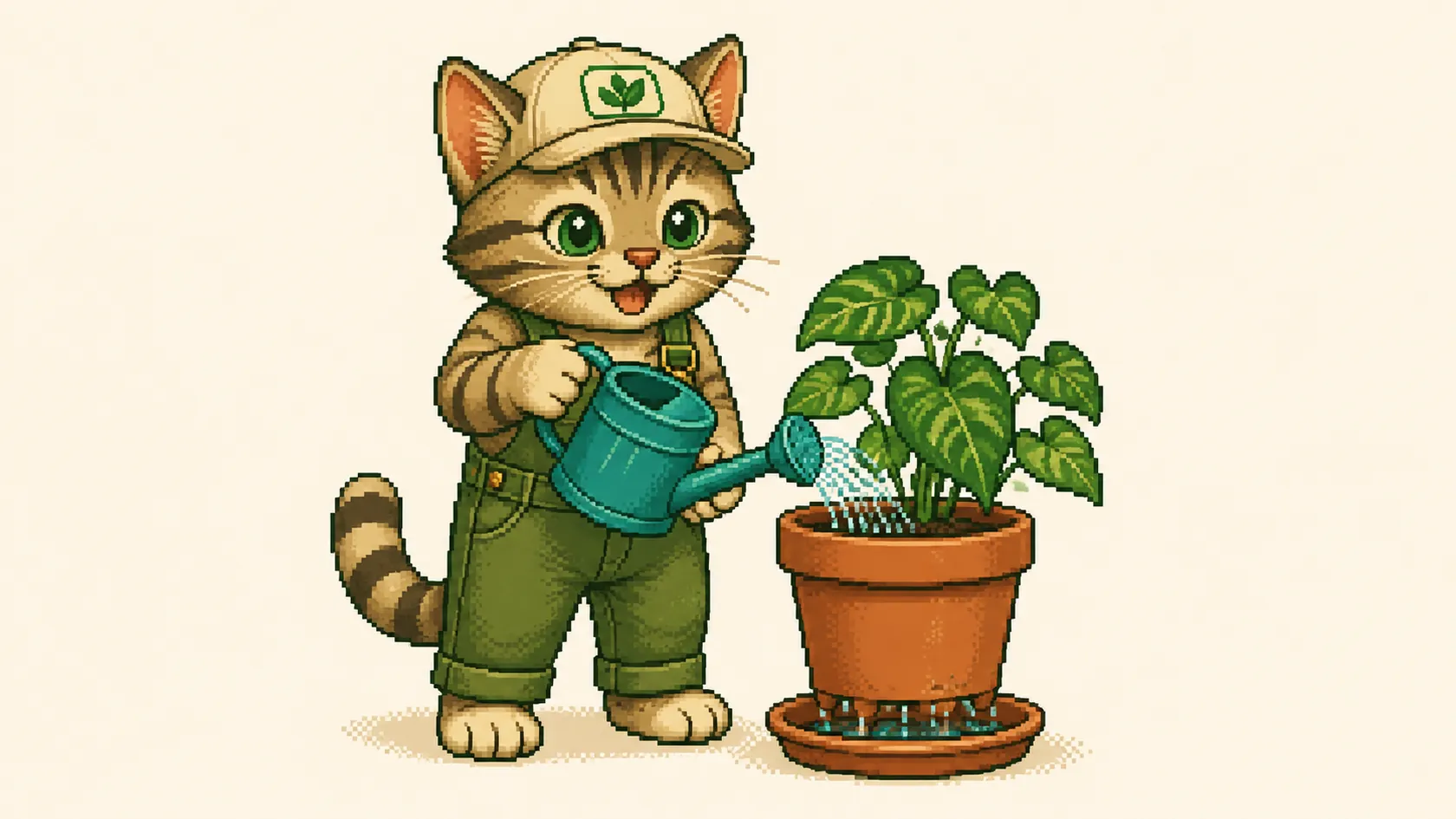
In a full pot there is little mix left to hold water, so what you pour finds the channels along the roots and comes out of the bottom within seconds. The root ball itself stays half dry.
The plant then wilts a day or two after watering, picks up when you water again, and repeats that cycle all summer. It is easy to read this as underwatering and to water more often, which does not help because the pot cannot hold more than it holds.
The pot also feels light very soon after watering, and the mix pulls away from the wall so the next pour runs down the gap instead of soaking in.
Until you can repot, water in two or three rounds a few minutes apart, or set the pot in a shallow dish of water for twenty minutes and pour off what is left. That gets water into the root ball rather than past it.
A plant with no room left puts out fewer and smaller leaves, and new ones can come in pale because the mix has been stripped of nutrients and there is very little of it left to feed from.
Fertilizer does not fix this for long. There is nowhere for the roots to take the nutrients from once the mix is exhausted, and salts build up quickly in a pot that holds almost no water.
Lower leaves yellowing one at a time over a long period fits this picture as well, especially in a plant that has been in the same pot for years.
Check the root ball before you change the feeding routine. Slow growth in winter is normal and needs nothing, while slow growth in a full pot in June is worth acting on.
Go up one size, meaning a pot an inch or two wider than the old one. A much larger pot surrounds the roots with wet mix they cannot reach, and that is how a crowding problem turns into a rot problem.
Loosen the outside of the root ball with your fingers before it goes in. Roots that have wound into a spiral keep circling in the new pot if nothing interrupts them, so tease the bottom mat apart and, on a solid block, make three or four shallow vertical cuts down the sides with a clean knife.
Set the plant at the same depth it sat before, fill fresh mix around it, firm it lightly and water it in. Skip fertilizer for about a month, since fresh mix comes with its own supply.
Expect a pause. The plant spends the first weeks growing roots into the new mix, and new leaves come after that.
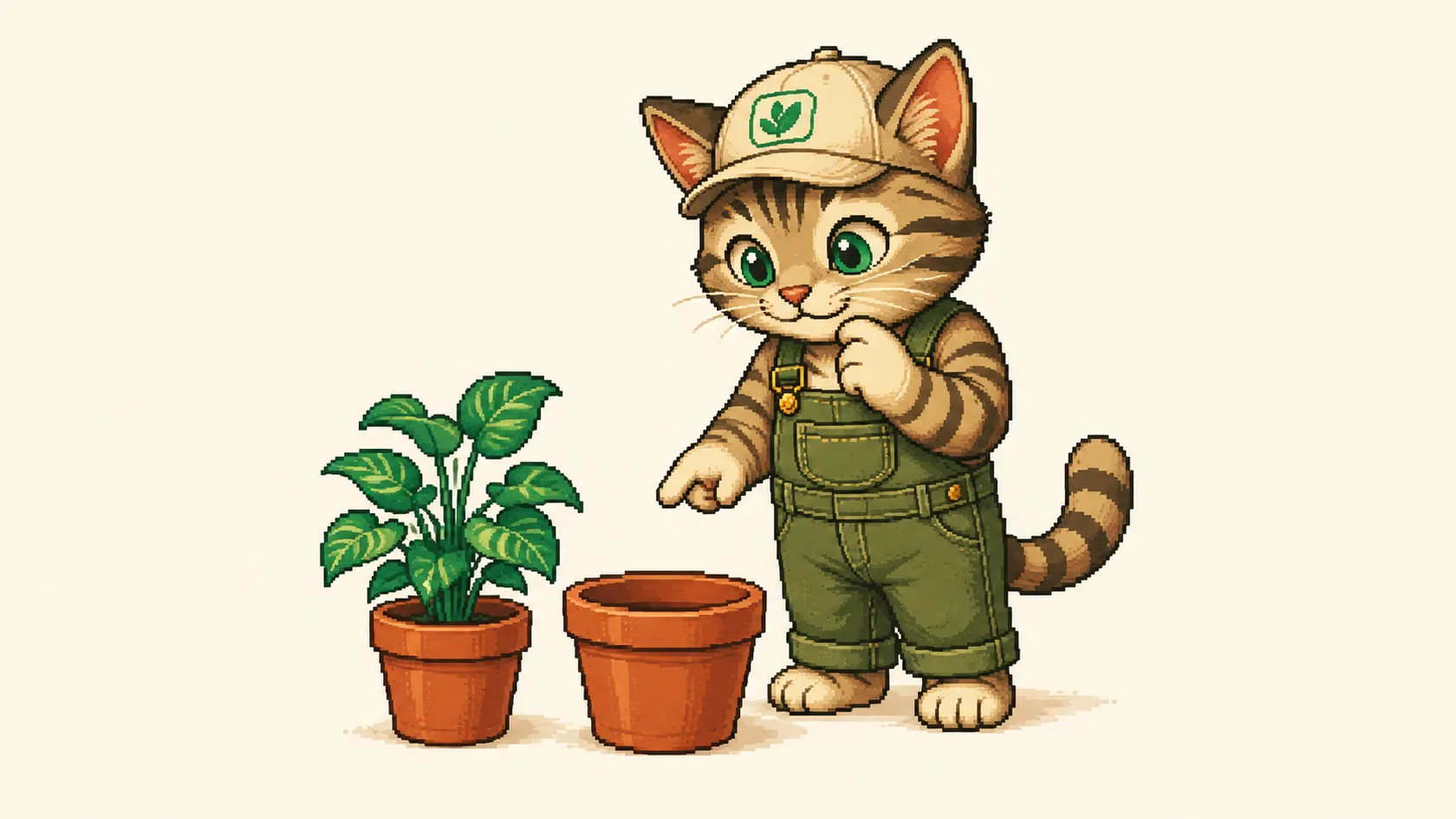
Sometimes the pot has to stay the same, either because it is already large or because the plant sits in a spot that fits nothing bigger. Root pruning is the alternative.
Take the plant out, remove the bottom third of the root mat and shave an inch off the sides with a clean, sharp blade, then repot into the same container with fresh mix all around. Do this at the start of the growing season, not in midwinter.
Cut back some of the top at the same time. A plant with a third less root cannot supply the same amount of leaf, and shortening the longest stems reduces what it has to carry.
Keep it out of hard direct sun for a couple of weeks afterward and water carefully, since a smaller root system takes up less.
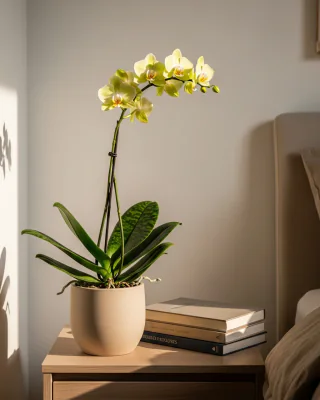
Moth orchids grow in a coarse bark mix in a pot the size of their roots and do not want more room. They get fresh bark every year or two rather than a bigger container.
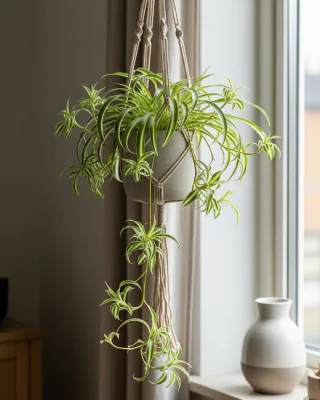
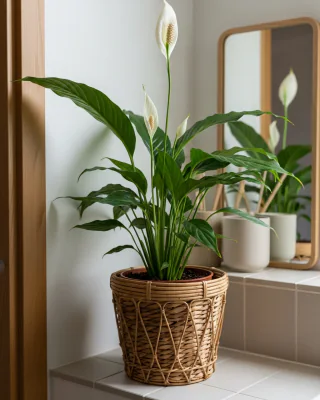
Peace lilies, spider plants, clivia and many bromeliads flower more freely when the pot is well filled. Repot those when water no longer soaks in, not at the first sight of a root.
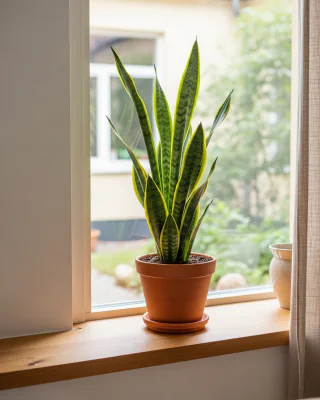
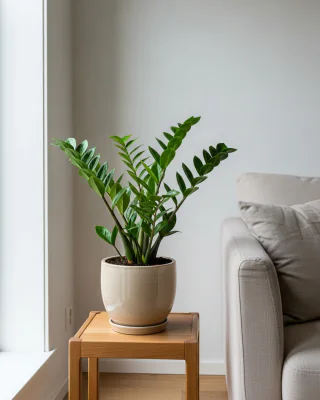
Snake plants and ZZ plants tolerate crowding for years and are far more likely to be harmed by a large pot of wet mix than by a tight one.
For everything else the readable rule is capacity. If the root ball still holds enough water to get the plant through a normal day, it can stay where it is.
Roots at the drainage holes or on the surface, a root ball that keeps the shape of the pot when lifted out, water running straight through, and a plant that wilts a day after watering. Growth slowing with smaller leaves fits the same picture.
Move it into a pot one to two inches wider with fresh mix, after teasing the outside of the root ball apart so the roots stop circling. Water it in, then skip fertilizer for about a month.
It becomes a problem when the pot no longer holds enough water for a day, so the plant swings between wilting and soaking. Mild crowding harms nothing, and a few species flower better that way.
Loosen them always and cut only when the root ball is a solid mat or the pot has to stay the same size. Then remove the bottom third, shave the sides, and shorten the top so the leaves match the roots that are left.
One to two inches wider than the old one. In a much larger pot most of the mix holds no roots, stays wet for weeks after watering, and that is where root rot starts.
In the growing season, when the plant can push roots into the new mix within weeks. Repotting in midwinter leaves fresh mix sitting wet around roots that are barely working.
Last reviewed: 2026-09-07