

Clivia care guide
Clivia miniata

During active growth, water when the surface begins to dry. Do not keep the usual thorough-watering routine. After the rest, or when buds develop, increase watering gradually.
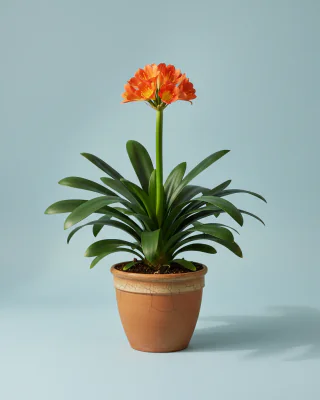
 Not sure it’s this plant?Check yours with a photo, free
At a glance
- Light
- Bright, indirect light
- Typical interval
- Every 8 to 12 days · summer
6-8 wk rest: water only if wilted. · winter - Climate
- 10–24 °C (50–75 °F)
- Humidity
- 40–60%
- Pet safety
- Toxic to cats and dogs
When and how to water
- Summer · Jun–AugEvery 8 to 12 days
- Winter · Dec–Feb6-8 wk rest: water only if wilted.
During active growth, water when the surface begins to dry. For the 6-8 week cool winter rest, water sparingly only when the leaves begin to wilt. Do not keep the usual thorough-watering routine. After the rest, or when buds develop, increase watering gradually.
Light and placement
Bright, indirect light
Clivia thrives in bright, indirect light. Direct midday sun can scorch the leaves. Place it 1–2 meters back from an east or west window, or behind a sheer curtain on a south window.
Feeding
Feed your Clivia every 30 days while it’s actively growing. Use a balanced liquid houseplant fertilizer at half the strength on the label, and only on soil that’s already damp. Feeding dry roots can scorch them.
When growth pauses, skip the fertilizer and let it rest.
Temperature & humidity
Climate10–24 °C (50–75 °F)
Humidity40–60%
Clivia is comfortable between 10 and 24 °C (50–75 °F) while it grows. In winter it needs a cool rest of six to eight weeks at about 10 °C (50 °F), such as in a cool or unheated room. A winter that is too warm is a common reason it does not flower. It usually copes down to 5 °C (41 °F), but keep it above that.
It does best at 40–60% humidity. It doesn’t need misting.
Toxic to pets?
Yes. Keep it out of reach.
Pet-safety information in the JungleBook uses ASPCA reference data where available. It is reference information, not veterinary advice.
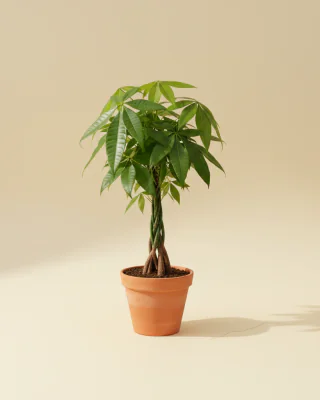
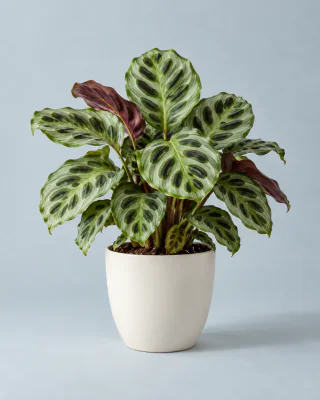
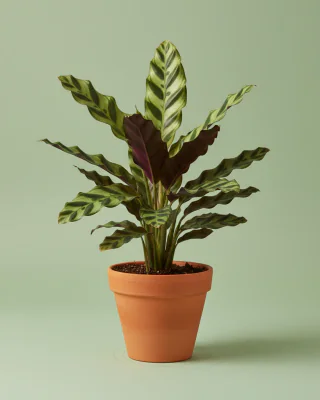
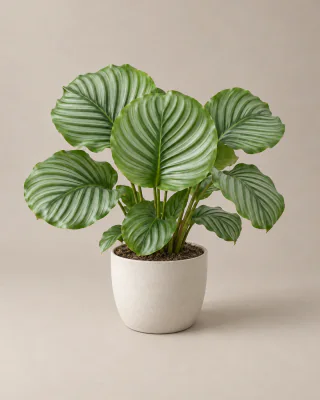
Pet-safe alternatives with similar light
Sources4 references
- Royal Botanic Gardens, Kew: Plants of the World OnlineAccepted species record · common name bush lily
- Royal Horticultural SocietyQuick facts · planting · ongoing care · watering · temperature · propagation · problems · How to Grow · cultivation · pests and diseases
- Iowa State University Extension and OutreachLight, Water, and Fertilizer · Dormancy/Rest · Repotting and Propagation · Pests and Disease
- ASPCA Animal Poison ControlScientific name · toxicity · lycorine and other alkaloids · clinical signs
Last reviewed: