



Which plants can be divided
Look at the soil surface. Several shoots coming up separately, side by side, mean several crowns that can be pulled apart. One stem rising from the mix means one plant.
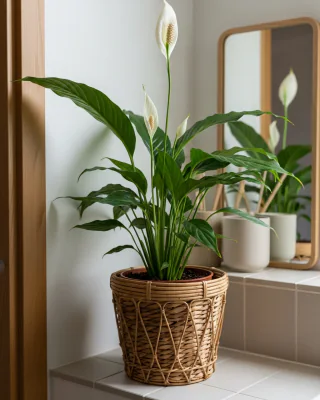
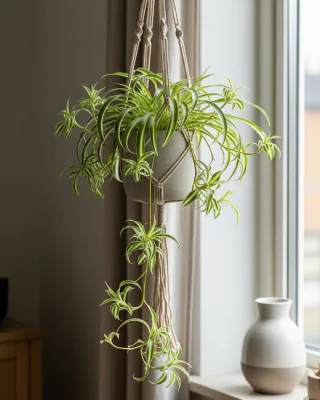
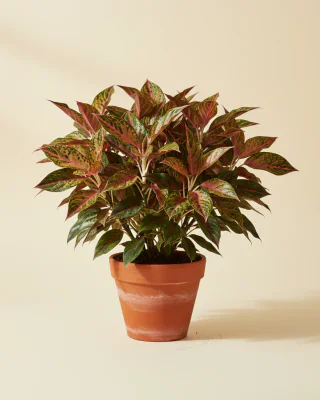
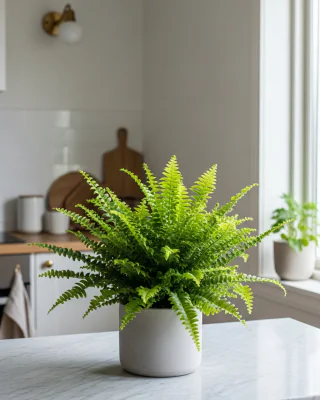
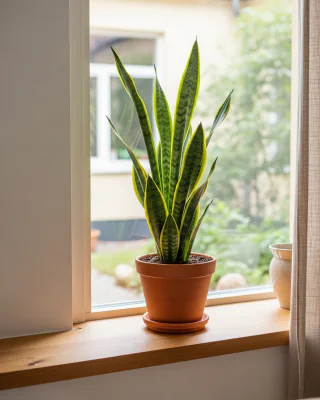
Peace lily, spider plant, Chinese evergreen, cast-iron plant, calathea, prayer plant, Boston fern, snake plant and most palms sold as a clump of stems all divide.
Monstera, rubber plant, dragon tree, fiddle-leaf fig and other single stemmed plants do not. Those are propagated by cuttings instead.
Nursery pots often hold several young plants set together to look full. Those come apart most easily of all, because they were never one plant.
When to divide
Do it in active growth, in spring or early summer, so both halves make new roots quickly into the fresh mix.
The plant tells you it is ready when the pot is crowded. Shoots pushed against the rim, roots at the drainage holes, water running straight through, and a pot that dries out within a day or two all say the clump has filled its space.
A plant in poor condition is not a candidate. Dividing halves the root system of each piece, and a plant already struggling with rot or a pest has nothing spare. Deal with that first.
Water the plant the day before. A damp root ball comes apart more cleanly and fewer roots tear.
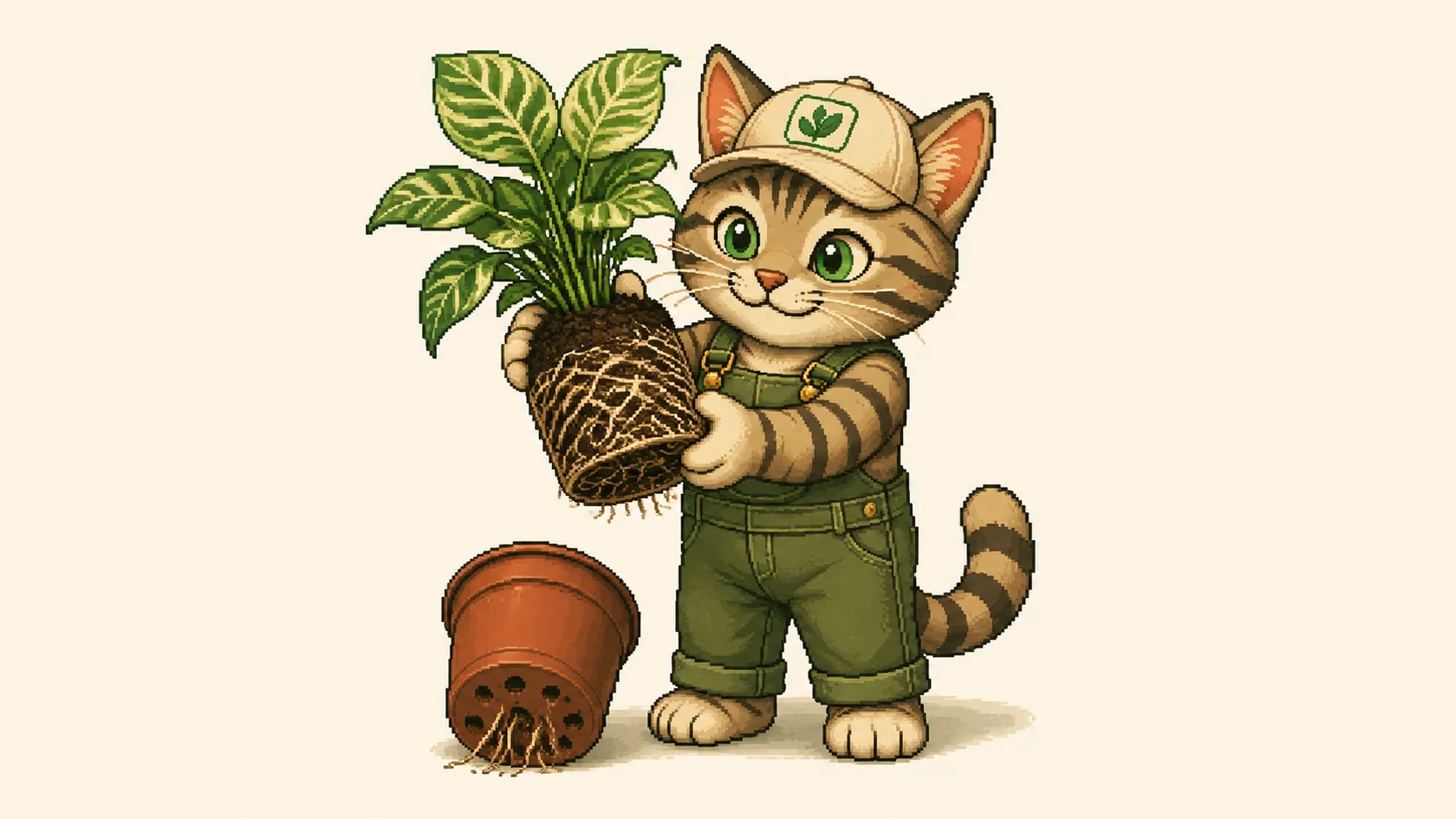
How to divide a houseplant
Work on a table you can cover, and have the new pots and fresh mix ready before the plant comes out of its pot. Roots left exposed dry out fast.
- Slide the plant out by squeezing the pot or running a knife around the rim. Do not pull it out by the stems.
- Shake and tease the loose soil off the outside of the root ball so you can see where the crowns separate.
- Find the natural gaps between shoots. Many clumps pull apart with thumbs alone once the soil is off.
- Cut through the dense parts with a clean knife where fingers will not do it. A clean cut heals better than a torn one.
- Check that every piece has leaves above and its own roots below. A piece with no roots is a cutting, not a division.
- Trim away dark soft roots and any leaves that are more damaged than sound.
- Pot each piece into a container just wide enough for its roots plus a ring of fresh mix, at the same depth as before.
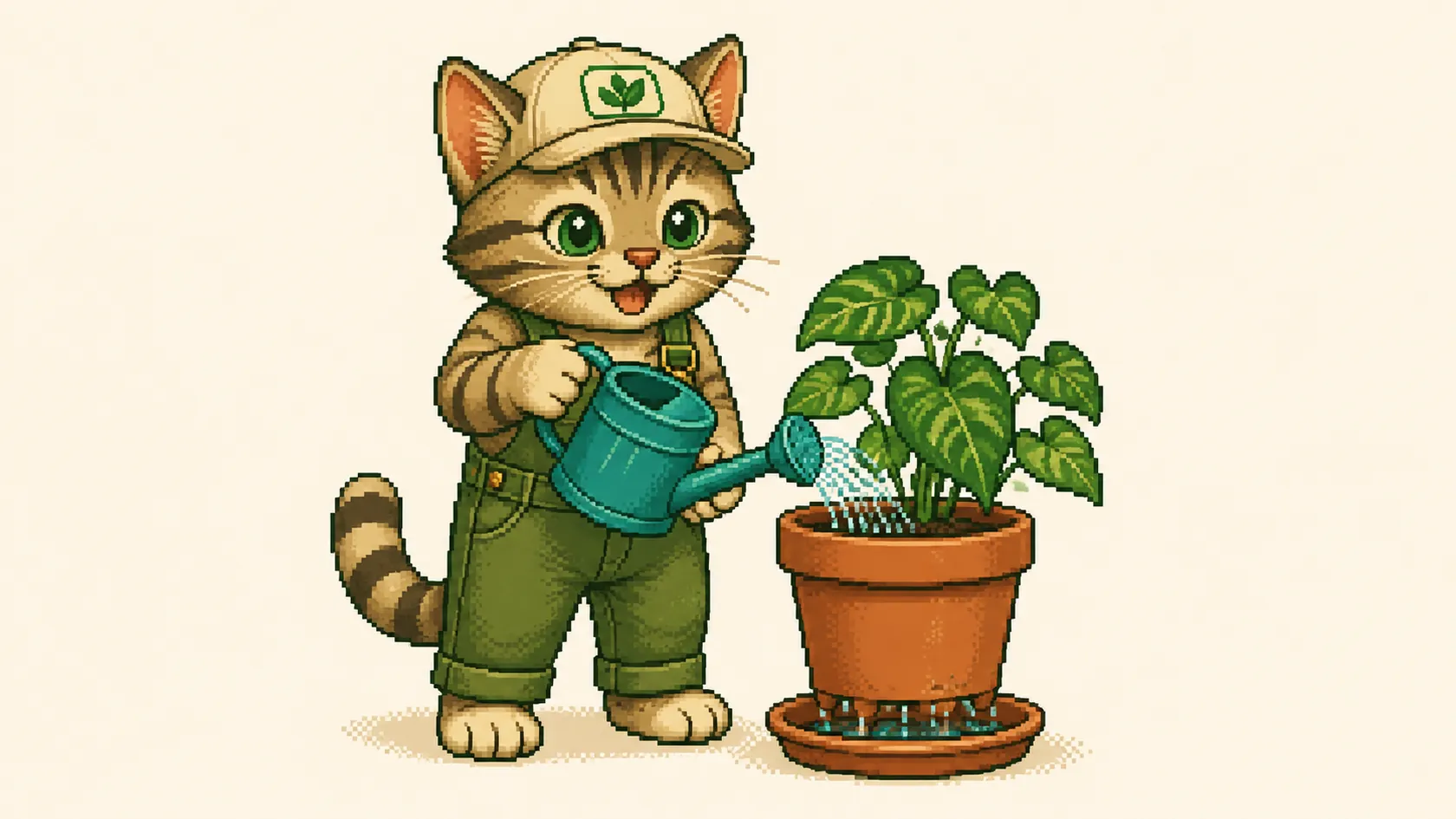
- Water once until it runs out of the base, then empty the saucer.
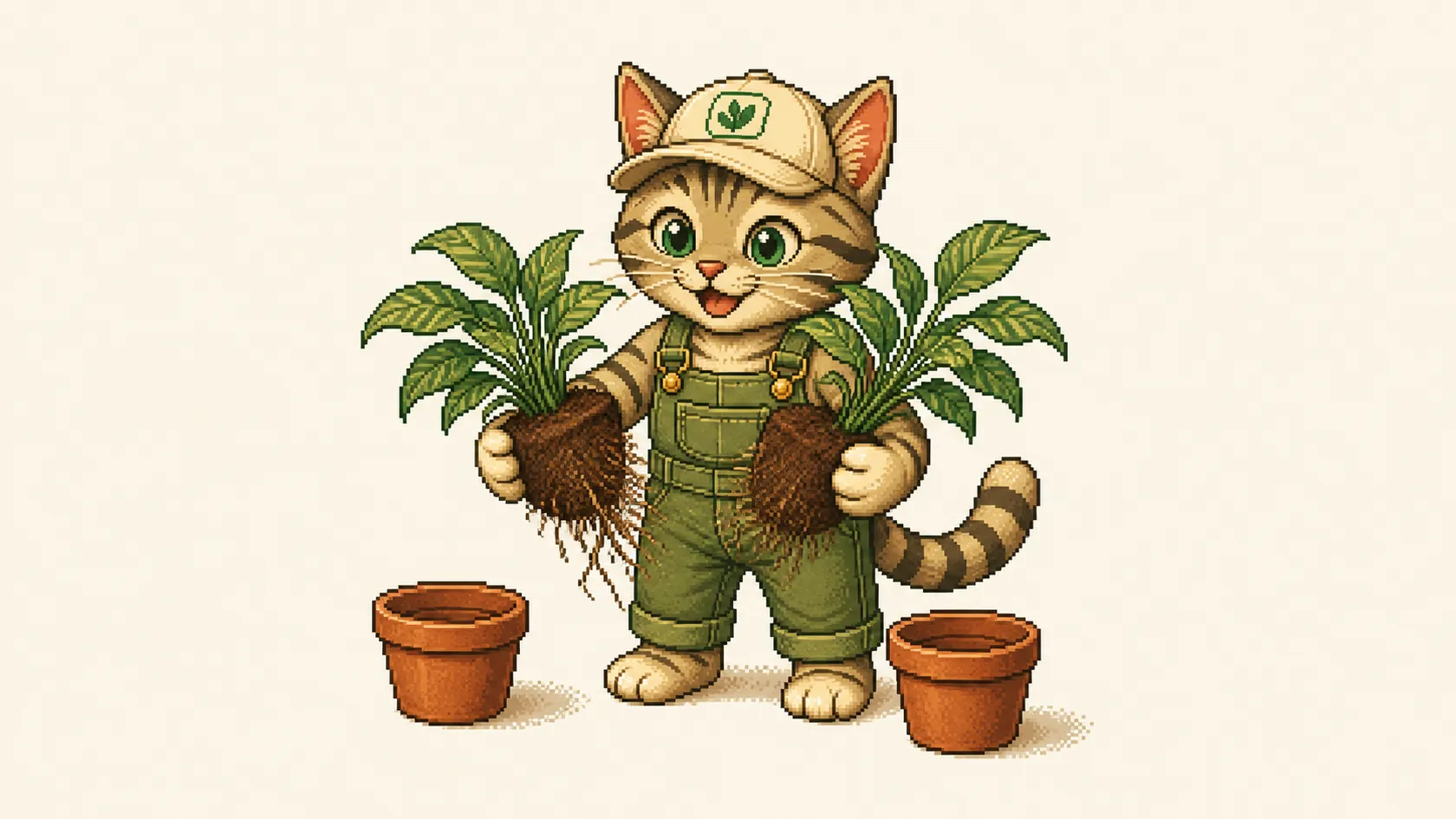
How small the pieces can be
Two strong halves beat five weak fragments. Every piece has to support its own leaves on its own roots from day one, so the fewer cuts you make, the faster both halves settle.
For a first division, split the clump in two. Very large, very crowded clumps take three or four pieces without trouble.
Each piece needs its own roots and at least a few healthy leaves. Below that it behaves like a cutting, and it needs a cutting’s conditions rather than a full pot.
Pot size follows the piece, not the pot it came from. A half sized plant in the old full sized pot sits in a lot of soil with no roots in it, and that soil stays wet.
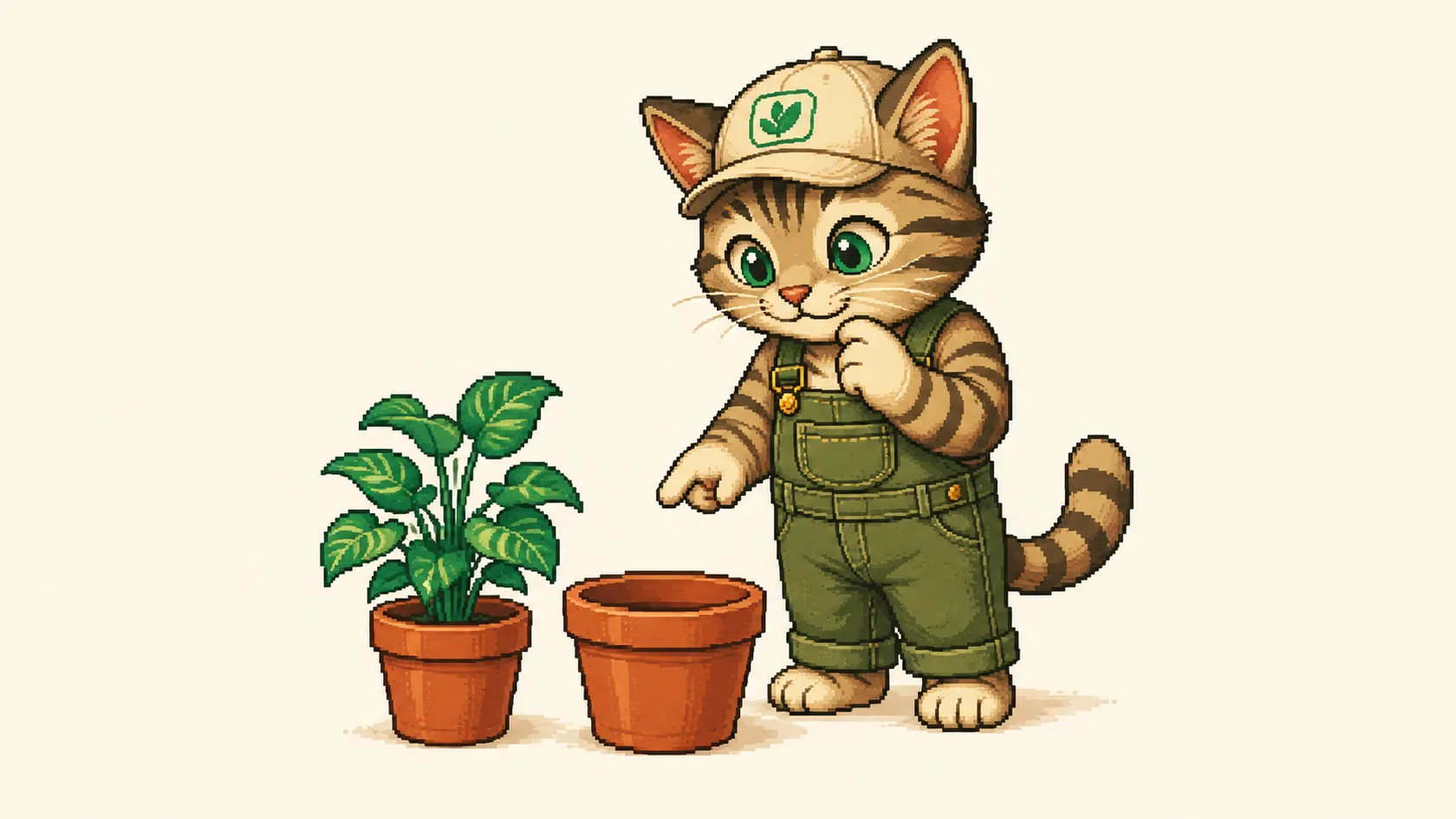
The first weeks after dividing
Put both pieces back in the light the parent plant had. Bright direct sun on a plant with a reduced root system pulls more water through the leaves than the roots can replace.
Expect drooping in the first days. Torn root ends take a little while to take up water again, and the leaves lift once they do.
Water when the top inch or two feels dry rather than on the old rhythm. A smaller root system in fresh mix uses water differently from the crowded pot it came out of.
Leave fertilizer alone for the first weeks. Fresh mix carries a supply, and damaged root tips take up little of it anyway.
New growth at the center is the sign it worked. Until then the plant is repairing roots, and nothing visible happens above the soil.
When a division fails
Leaves that keep drooping past the first week, in soil that is still wet, mean the piece has more leaf than root. Take off the largest or most damaged leaves so the roots have less to supply.
A piece that goes soft at the base has rotted. That follows too little root, a pot that is too large, or soil kept wet while the plant was not yet drinking.
Ferns and calatheas show the shock most, because their thin leaves lose water quickly. Keeping them out of a draft and out of direct sun for a few weeks makes the difference.
One half taking and the other failing is a common outcome. It usually reflects how the roots divided rather than anything you did afterward.
Related plants
Keep reading
Common questions
Which houseplants can be divided?
Plants that grow as a clump of separate shoots, such as peace lily, spider plant, Chinese evergreen, calathea, prayer plant, snake plant, Boston fern and clumping palms. Single stemmed plants like monstera and rubber plant are propagated by cuttings instead.
When is the best time to divide a houseplant?
In spring or early summer, while the plant is growing and can make new roots quickly. Dividing in winter works when a repot is forced on you anyway, and the pieces sit still for longer before they settle.
How do you divide a plant without killing it?
Water it the day before, take the soil off so you can see the crowns, and separate along the natural gaps with your hands where you can. Make sure every piece has both leaves and its own roots, and pot each one in a container only slightly wider than its root ball.
Can you divide a plant with only one stem?
No. One stem is one growing point, and cutting through it leaves a wound rather than two plants. Those plants are propagated from stem cuttings taken at a node.
Why is my divided plant drooping?
Torn root ends take a few days to take up water properly, so drooping early on is normal. If it continues past the first week in soil that is still wet, remove some of the largest leaves so the reduced roots have less to supply.
Do you need to cut the roots when dividing?
Only where fingers cannot separate a dense clump. Use a clean blade and cut in one pass, because a clean cut recovers better than torn tissue. Dark, soft roots come off at the same time.
Last reviewed: 2026-09-07