



There is one case where it goes in the trash without a second thought, and that is mix from a plant that died with rotted roots or came out full of insects.
What old potting mix has lost
The first loss is air. Peat and bark break down into fine particles that pack tightly, so the mix holds more water and less air than it did. That is why an old pot stays wet for so long after watering.
The second is nutrients. Everything soluble leaves with the water that runs out of the bottom, and the plant took the rest. A mix a year into a pot feeds almost nothing.
The third is what got left behind. Salts from fertilizer and from hard water stay in the mix and show up as a white crust on the surface and around the rim.
The fourth is root material. A used pot is threaded with old roots that keep breaking down and hold the mix in a mat.
None of that makes the mix dangerous. It makes it a raw material rather than a finished product.
When to throw it out instead
Mix from a plant that died with brown, soft roots goes in the trash. Root rot organisms live in the mix and in the pot, and the next plant meets them straight away.
The same goes for a pot that came out with white fluff on the roots and the inside wall, which points to root mealybugs. They survive in the mix and simply move house.
Mix that smells sour or looks matted and slimy has been wet for too long. There is nothing to recover there.
Do not reuse mix for seeds and cuttings. Both need clean, open material and neither has the reserves to survive a setback.
A plant that had fungus gnats is a milder case. Their larvae live in the top layer, so the material can be used after the top few inches are discarded and the rest has dried out.
Sift, dry and check it
Tip the mix into a bucket or onto a sheet and pull out the root mass with your hands. A coarse sieve or a piece of hardware cloth takes out the rest of the roots along with the lumps.
Let it dry before you store it. Damp mix in a sealed bag goes sour, and dry material is far easier to sift and to mix.
Pick out anything that does not belong. Slow release fertilizer prills, bits of plastic label, moss and stones all end up in there.
Look at what is left. If it feels dense and dark and squeezes into a ball that stays in one piece, it needs a lot of fresh material. If it still crumbles when you open your hand, it needs less.
Refresh it before it goes back in a pot
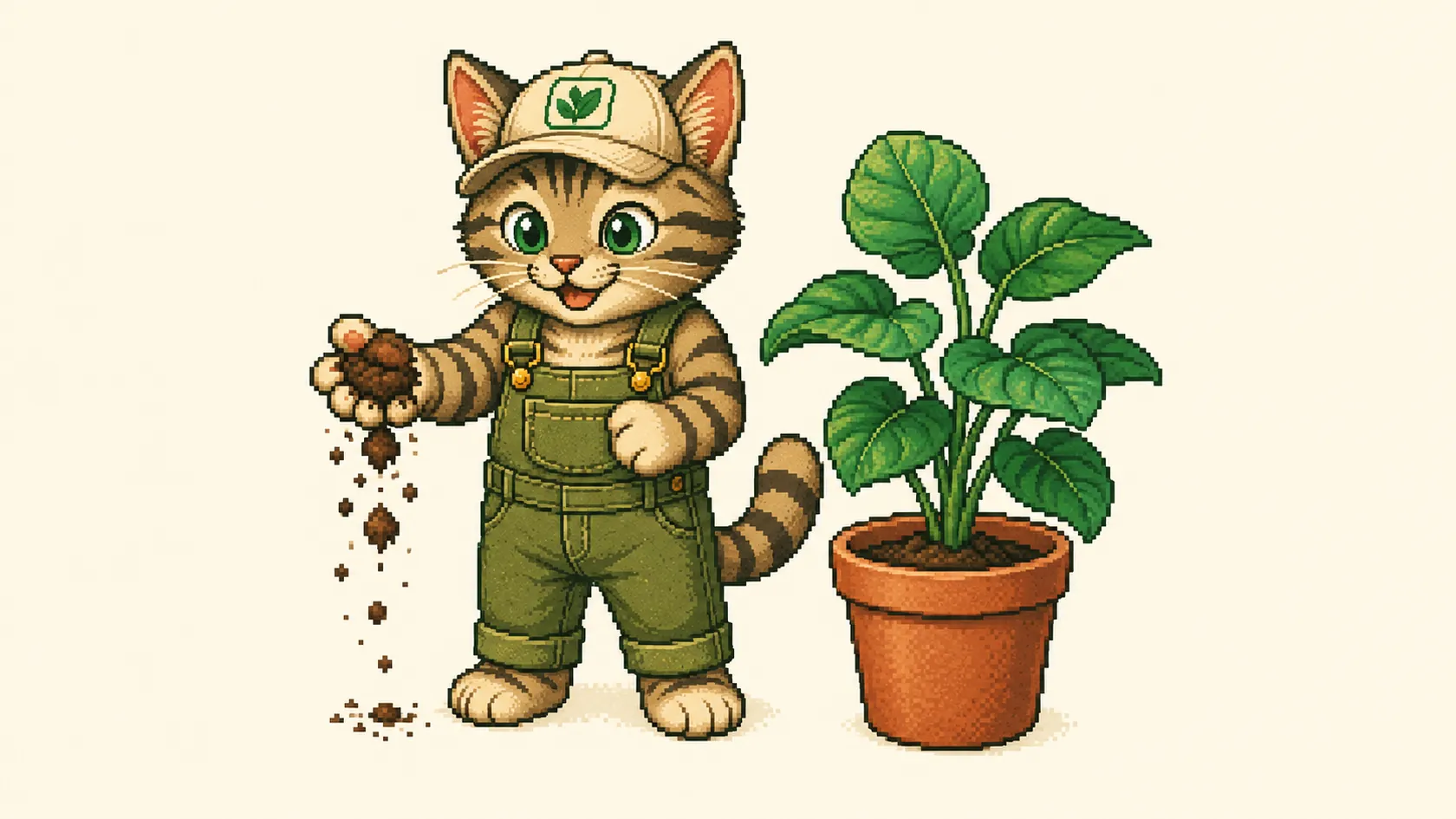
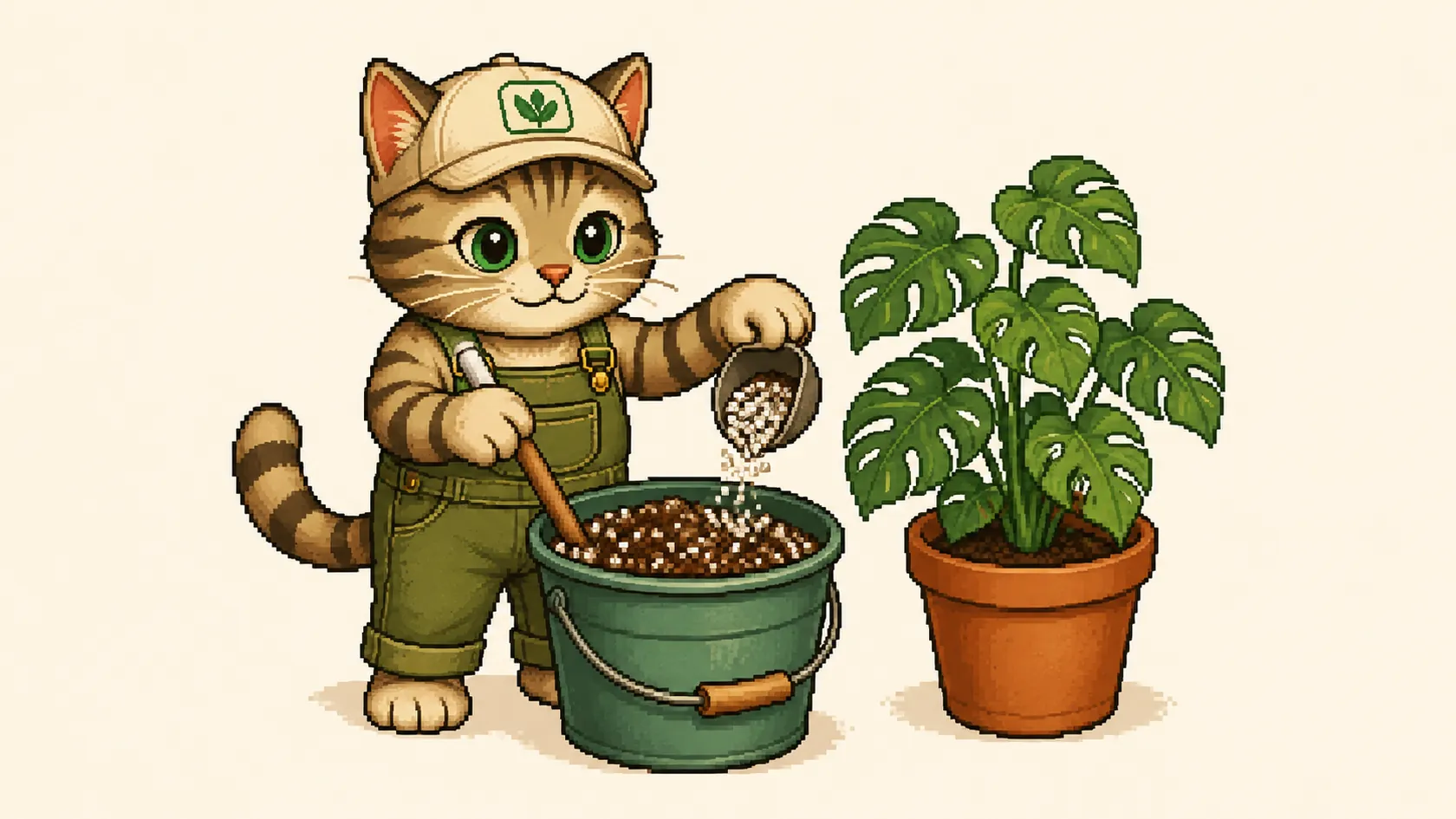
Mix the old material with fresh potting mix rather than using it alone. Half and half is a sensible starting point, and dense old material needs more fresh than that.
Add something to open it up. Perlite, pumice or coarse bark bring back the air spaces that broke down, and they are the part most people skip.
Add finished compost or worm castings if you have them, and plan to feed the plant during the growing season anyway. Refreshed mix carries very little on its own.
Water the first pot through thoroughly once it is planted. That washes out some of the salts the old material carried in.
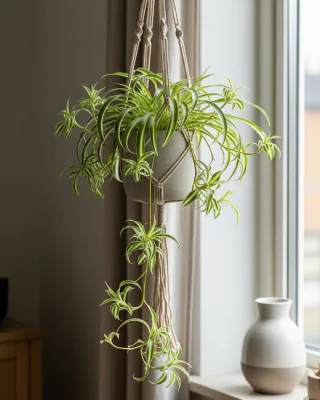
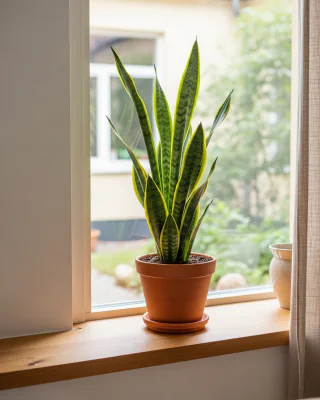
Keep the refreshed mix for tough, established plants. Pothos, snake plant, spider plant and monstera all take it without complaint.
Sterilizing at home
Heating mix in the oven or the microwave to kill what lives in it is a real technique, and gardeners have used it for a long time. It also fills a kitchen with a smell that is hard to explain to anyone else in the house.
Follow a method that gives you a temperature and a time rather than guessing. Too hot does more harm than good, because it changes the material itself and kills the useful organisms along with the rest.
It does nothing about the two things that actually limit old mix, which are lost structure and lost nutrients. You still have to open it up and feed it.
For houseplants the simpler decision is usually better. Reuse the mix from a healthy plant with fresh material added, and throw out the mix from a plant that failed.
Storing what you do not use
Store sifted mix dry, in a closed container or a bag you can shut, somewhere frost free. Wet mix in a warm bag is where fungus gnats breed.
Label the container with the date and what went into it. A bucket of unknown material a year later is a bucket you will not trust.
Bags of new mix follow the same rule. An open bag that stood outdoors at the store carries more eggs and larvae than a sealed dry one, so close what you open.
Old mix that fails every test still has a use. Spread it on an outdoor bed or a container garden, where structure and cleanliness matter far less than they do in a houseplant pot.
Related plants
Keep reading
Common questions
Can you reuse potting soil?
Yes, for established plants, once you have sifted out the old roots and mixed it with fresh potting mix and something coarse such as perlite. Do not reuse it for seeds, cuttings or a plant that is already struggling.
How do you know if old potting soil is still good?
Squeeze a handful. If it crumbles apart when you open your hand it still has structure. If it stays in a dense ball, smells sour or looks matted, it has been wet too long and is not worth recovering.
Do I need to sterilize reused potting soil?
Not for ordinary houseplant use. Heating mix in an oven is a real method, but it does nothing about the lost structure and nutrients that actually limit old material, and the smell is memorable. Discard mix from a plant that died instead.
Can I reuse soil from a plant that died?
Not if it died with brown soft roots or came out with insects on the roots. Both live on in the mix and in the pot. If the plant died of drought or neglect, the mix itself is fine to refresh and reuse.
What do I add to old potting soil?
Fresh potting mix as the base, plus perlite, pumice or coarse bark to bring back air spaces. Finished compost or worm castings help, and the plant still needs feeding during the growing season.
How long does potting soil last in the bag?
An unopened bag kept dry and frost free stays usable for a long time. An opened bag that sat damp is the one to be careful with, since that is where fungus gnats and mold get in.
Last reviewed: 2026-09-07