



How hard your water is comes from your utility’s water quality report. That number varies so much between cities that no general statement about tap water holds everywhere.
Temperature, chlorine and chloramine
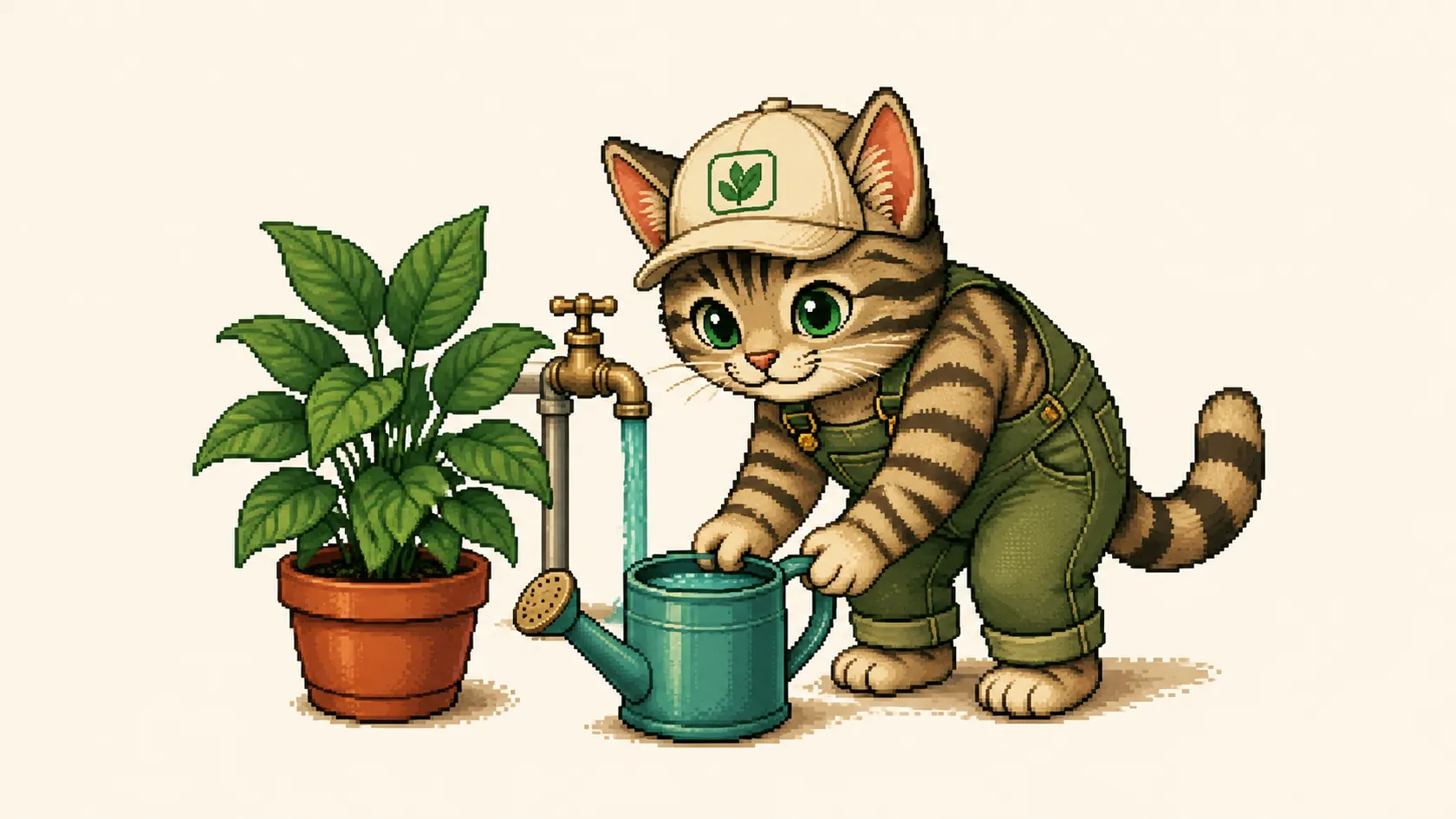
Use it at room temperature. Straight from the cold tap it stalls tropical roots for hours, and on sensitive foliage cold water leaves marks. A filled watering can standing in the room reaches the right temperature by itself.
Chlorine is the reason to let water stand, and the amounts in drinking water are small enough that most houseplants never react to them. An open container overnight lets a good share of it leave the water.
Chloramine does not behave the same way. Many utilities now use it instead of chlorine because it is more stable, and being more stable means standing the water out does very little. Your utility’s report says which one your system uses.
The habit is often explained as getting rid of the calcium, and that part is wrong. Hardness stays in the water however long the can sits, since nothing about standing removes dissolved minerals.
How to see hard water in the pot
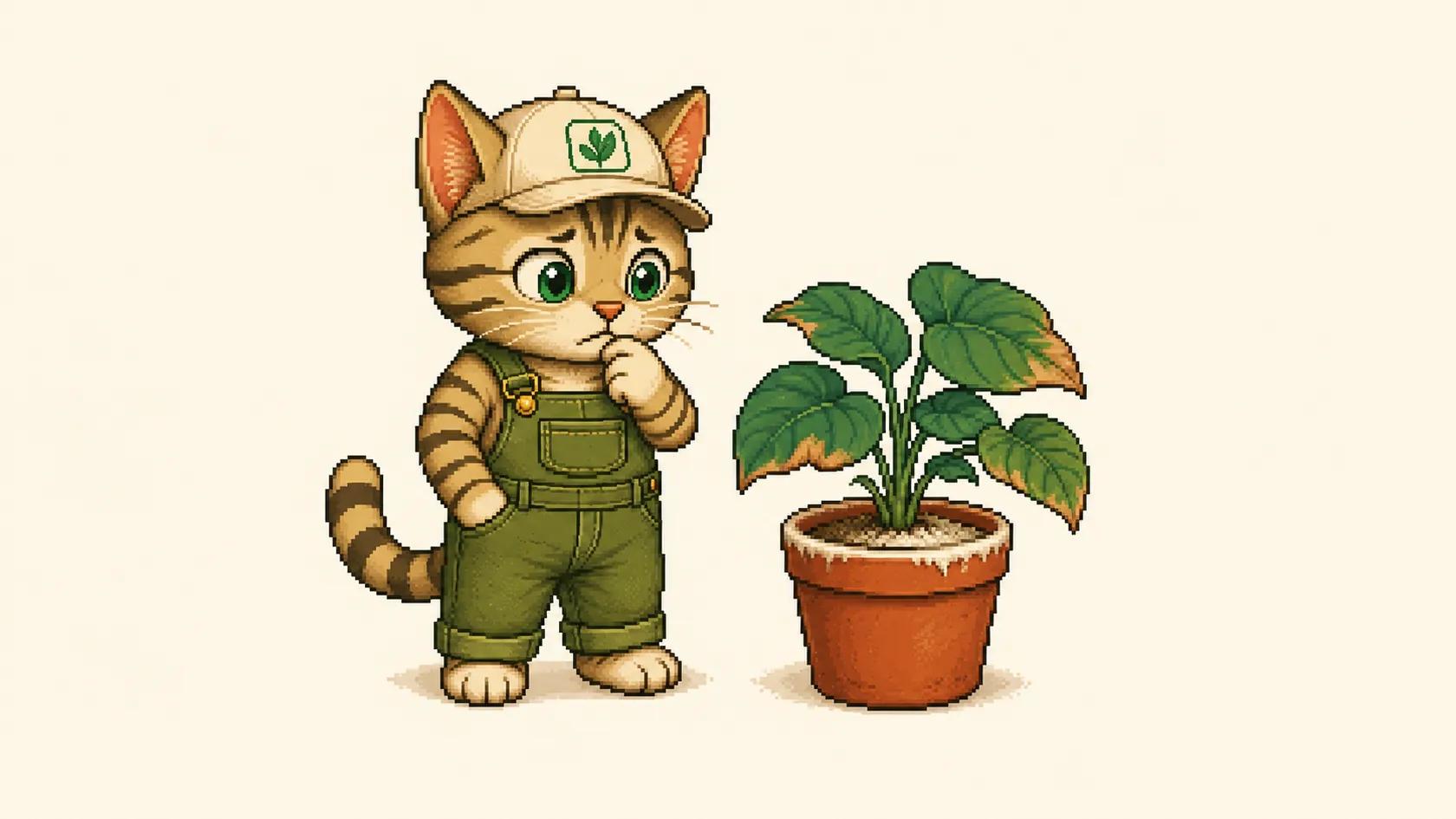
The first sign is a white crusty rim on the pot and a pale film on the surface of the mix. On terracotta the same deposit spreads down the outside wall.
On leaves, splashes dry to light spots that wipe off. That is cosmetic and not damage.
The real effect happens in the mix. Calcium raises the pH slowly, and in mix that has gone alkaline the plant takes up iron and some other nutrients less easily. You see it in young leaves going pale while the veins stay green.
Thorough watering keeps it in check. When you water until it clearly runs out of the bottom, some of the accumulated salts leave with it, and repotting every year or two resets the count entirely.
Which plants react to it
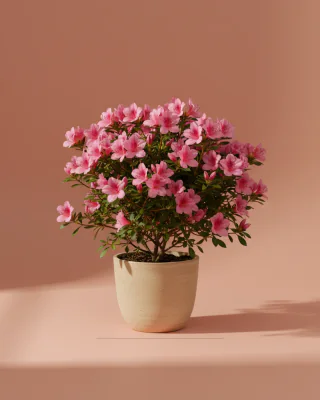
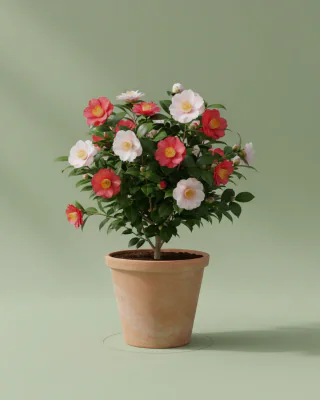
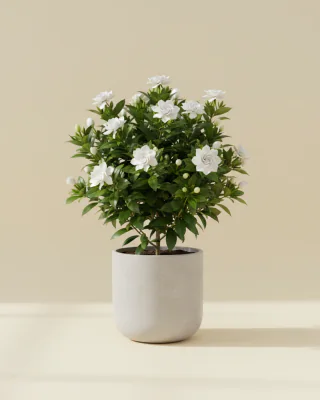
Azalea, camellia and gardenia come from acid soils and go pale between the veins on hard water fairly quickly. They are the usual candidates for something softer.
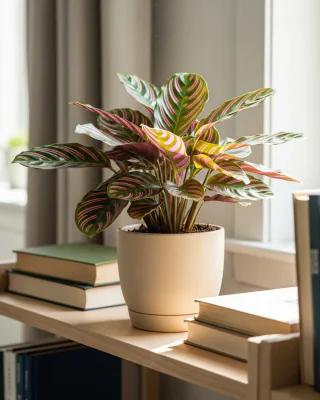
Calatheas and prayer plants answer hard water with dry brown leaf edges. Dry indoor air produces the same edges, so with those plants the two causes overlap and are worth changing one at a time.
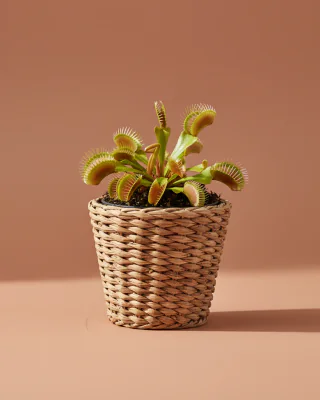
Carnivorous plants such as Venus fly traps do not tolerate the dissolved salts in tap water at all. They get rainwater or purified water only.
Orchids in bark usually manage on medium-hard water. Where the water is very hard, calcium deposits show on the roots and the bark, and collected rain is the better choice from then on.
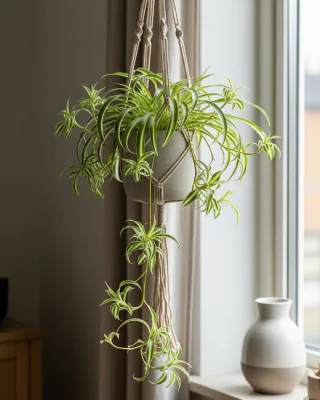
Spider plants and dracaenas brown at the tips readily, and fluoride in treated water is one of the reported causes alongside dry air and fertilizer salts. Since the causes overlap, the practical test is switching that plant to distilled or collected rainwater for a couple of months and watching the new leaves.
Ways to dechlorinate, and what they are worth
Standing the water uncovered for a day is enough for free chlorine and costs nothing. It does nothing measurable for chloramine, fluoride or hardness.
Boiling drives off chlorine faster and drops part of the calcium out as scale on the bottom of the pot. Use the cooled water off the top and leave the sediment behind. The remaining hardness stays dissolved, so this does not turn hard water into soft water.
Aquarium water conditioners neutralize both chlorine and chloramine, which is the one household product that handles chloramine directly. Use it at the dose on the label.
Water from a freshwater aquarium is usable as watering water and brings a small amount of nutrients with it, as long as no medication or salt has gone into the tank.
- Standing overnight: free chlorine only
- Boiling: chlorine plus some calcium as sediment
- Aquarium conditioner: chlorine and chloramine
- Nothing on this list removes dissolved hardness
Distilled, reverse osmosis and filtered water
Distilled water contains no calcium and no other minerals. It does no harm, since the nutrients come from fertilizer rather than from the water, and for calcium-sensitive plants it is a clean solution.
For a whole collection it gets expensive and tedious. The workable version is to reserve it for the few plants that need soft water and keep everything else on the tap.
Water from a reverse osmosis unit behaves like distilled water. A pitcher filter reduces hardness only partly and is a stopgap for a few pots rather than an answer.
Mixing lowers hardness proportionally. Half tap and half distilled is often enough for a calathea browning at the edges, and it halves the cost as well.
Softened water and well water
A household water softener trades calcium for sodium, and that sodium accumulates in the mix with every watering. Softened water is the one tap source worth avoiding for plants.
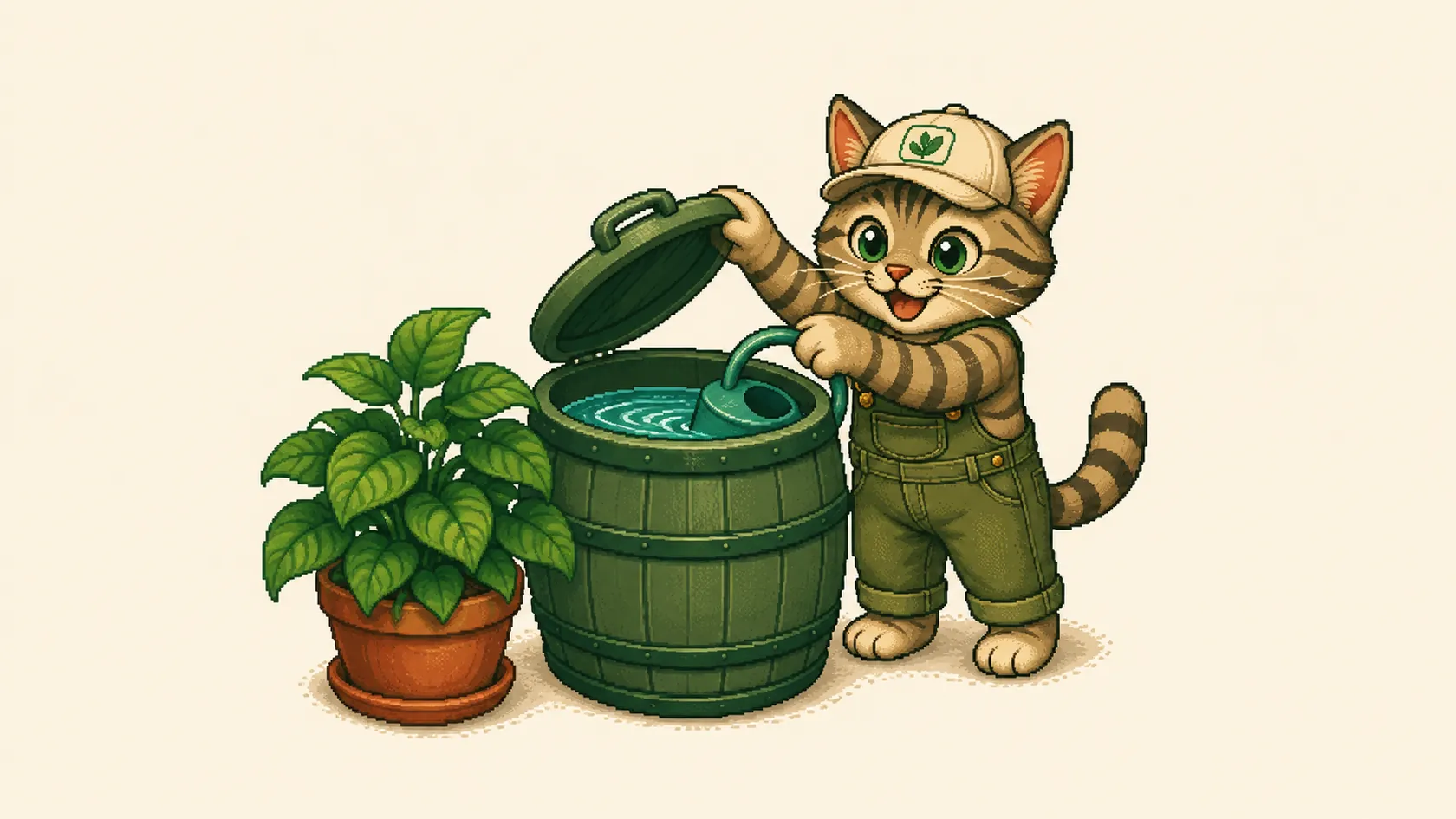
Most systems leave one line untreated, often the outside spigot or the cold kitchen tap. Fill the watering can there, or collect rainwater for the plants.
Well water varies enormously and can be very hard or high in iron or other minerals. A water test tells you what you are pouring, and until then a white crust building up in the pots is the signal to switch those plants to something else.
Softened water that has already been used for months shows up as a crust and stunted growth. Repot into fresh mix rather than only changing the water, since the sodium is already in the old mix.
What does not belong in the watering can
Milk brings no usable nutrient benefit and leaves residues in the mix that can smell and grow mold. Beer and leftover wine are out for the same reason.
Salted cooking water and pasta water are out, because the salt stays in the mix and builds up with every pour. Unsalted, cooled vegetable or pasta water is harmless and still replaces no fertilizer.
Mineral water with a high mineral content behaves like very hard tap water. Condensate from a dryer or a dehumidifier is free of calcium but can carry residues from the appliance, so leave it out.
Coffee and tea left in a cup are dilute enough to do little either way, and they attract mold on the surface. Pour them out and use plain water.
Related plants
Keep reading
Common questions
Is tap water bad for plants?
Not for most houseplants. It becomes a problem when the water is very hard, when it comes through a water softener, or when the species is one of the few that reacts, such as carnivorous plants and azaleas.
How do you dechlorinate tap water for plants?
Let it stand uncovered for a day for free chlorine, or use an aquarium water conditioner if your utility uses chloramine, which does not leave the water by standing. Neither method changes hardness.
Should you let tap water sit before watering plants?
It is worth doing mainly for temperature, and it also releases free chlorine. Calcium content does not change however long the can sits, so standing water is not a fix for hard water.
Is softened water safe for houseplants?
No. A softener replaces calcium with sodium, which accumulates in the mix with every watering. Fill the can from an untreated line such as an outside spigot, or use collected rainwater.
Is hard water harmful to houseplants?
Most tolerate it. Over the years the calcium raises the pH of the mix, and then young leaves go pale while the veins stay green. Water thoroughly so it drains from the bottom, and repot every year or two.
Can you water plants with boiled water?
Yes. Boiling drops part of the calcium out as sediment, so use the cooled water off the top and leave the residue in the pot. The rest of the hardness stays dissolved, so it does not become soft water.
Last reviewed: 2026-09-07