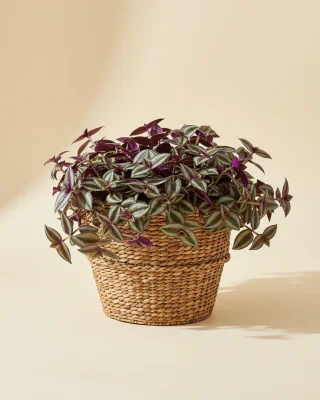
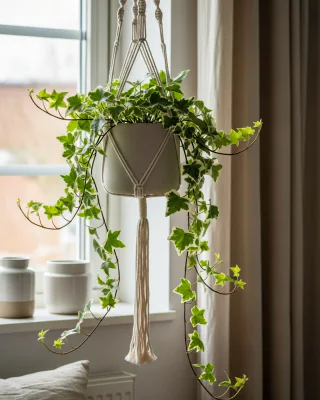
What you see
Long gaps between leaves, smaller paler new growth, and the plant standing well back from the window or in a room that faces away from the sun.



Wide gaps between the leaves mean light. Move it brighter first, then cut it back.
The stem that already stretched will not shorten again. What you can change is the light it grows in from now on, and where you cut so the new growth comes out short and full.
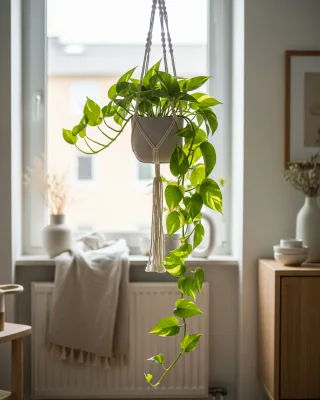
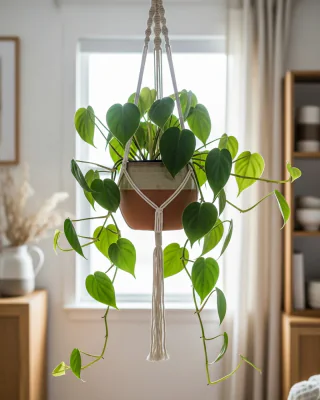
Measure the plant with your eyes along one stem. Where the leaves sit close together the plant had enough light, and where they spread apart it did not. On most houseplants you can read the last year off a single stem that way.
New leaves that come out smaller and paler than the ones below them say the same thing. A plant short of light makes cheap leaves and long stems to carry them toward the window.
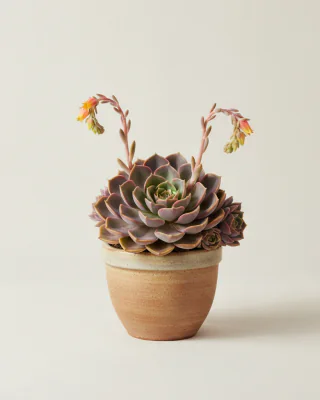
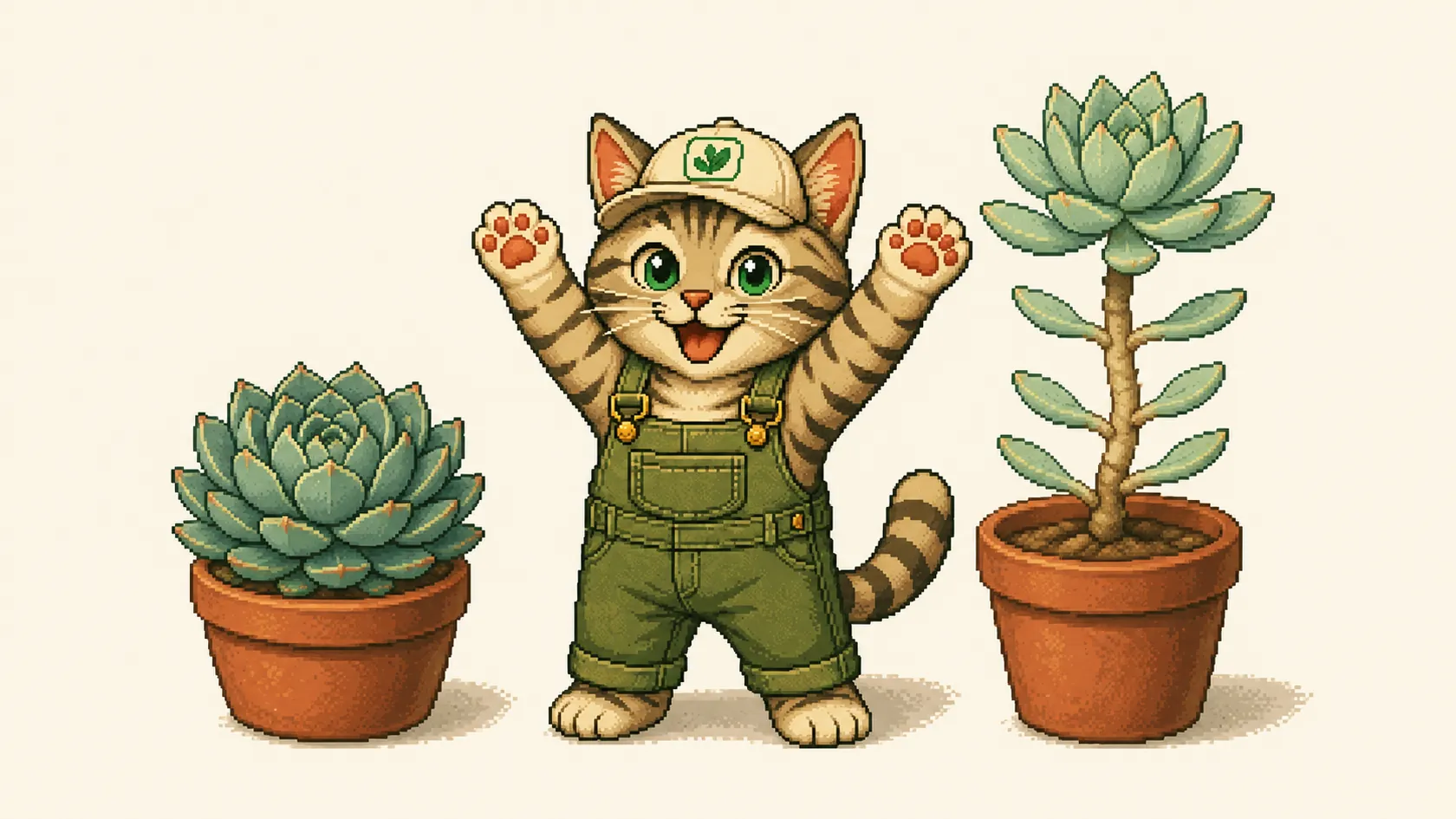
Rosette plants show it differently. An echeveria stretches upward into a tower and the leaves point down instead of sitting flat, and a cactus goes thinner and paler at the top than at the base.
None of this is damage you can reverse. The bare stretch stays bare, because the buds that would have filled it never formed.
Look at
Most likely cause
This is behind nearly every leggy plant. A plant that cannot reach the light it needs invests in stem instead of leaf, and the gaps get longer the further it has to reach.
Distance from the window matters far more than it looks. Light falls away sharply as you move into a room, so a plant six feet back can be in a fraction of the light of one on the sill.
Move the plant closer to the brightest window you have, clean the glass and pull sheer curtains back. Do that before you cut anything, because a cutback without more light gives you the same picture again in a few months.
Increase the light in steps over a couple of weeks. A plant taken from a dim corner straight onto a south windowsill scorches, and a stretched plant is more sensitive than most.

A plant lit from one side grows toward it. The stems on the window side stay short and the ones behind stretch across the pot, and the whole plant ends up lopsided rather than evenly leggy.
Turn the pot a quarter turn every week or two. That alone keeps most upright plants growing straight, and it costs nothing.
A pale wall behind a plant bounces light back and evens it out. A dark wall or a bookshelf takes that away.
A plant that has already leaned for a long time will not straighten. Turning it evens out the new growth, and the old lean gets cut off in spring.
Most stretching happens between fall and early spring. Indoor light drops steeply, rooms stay warm, and a plant kept warm and watered keeps growing on a fraction of the light it needs.
The winter growth is the part that comes out long, thin and pale. On many plants you can point to exactly where the season started on the stem.
Water more sparingly through that stretch and stop feeding. A plant pushed to grow in low light stretches faster, so slowing it down is part of the answer.
Move plants closer to the glass for the winter and cut the stretched growth back in spring, when there is enough light for the new shoots to come out short.
Feeding a plant that is short of light makes the stretch worse. Nitrogen pushes soft leafy growth, and in low light that growth comes out long and weak.
Warmth does the same on its own. A plant standing over a radiator in winter keeps growing at summer speed on winter light, and the result is the thinnest growth of the year.
Succulents and cacti add watering to that list. Water in the dark months keeps them growing when they would otherwise sit still, and they stretch quickly.
Feed in the growing season and at the strength on the label. More fertilizer never substitutes for light, and the salts stay behind in the pot.
Cut in the growing season, from spring through late summer, once the light where the plant stands has already improved.
Put the cut a few millimeters above a leaf node, the joint where a leaf or leaf stalk meets the stem. The plant breaks from the one or two nodes below your cut, so that is where the new shoots start.
Cut different stems at different heights. Taken all to the same length, a trailing plant regrows as a flat brush, and staggered cuts fill it in across the whole pot.
A third of the plant is a sensible ceiling in one pass. For a plant that is bare at the bottom with firm green stems low down, a harder cutback is often the shorter route, because nothing more is coming from the old growth.
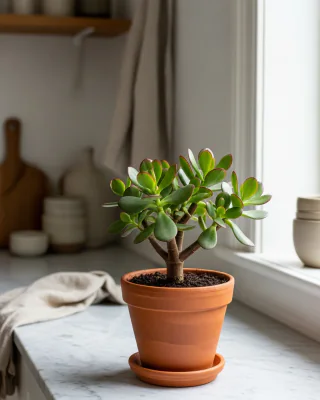
Palms and snake plants do not regrow from a cut, so a stretched one is dealt with by light and by removing individual leaves at the base. On a leggy succulent, cut the rosette off with a short piece of stem, let it dry for a day or two and root it as a cutting.
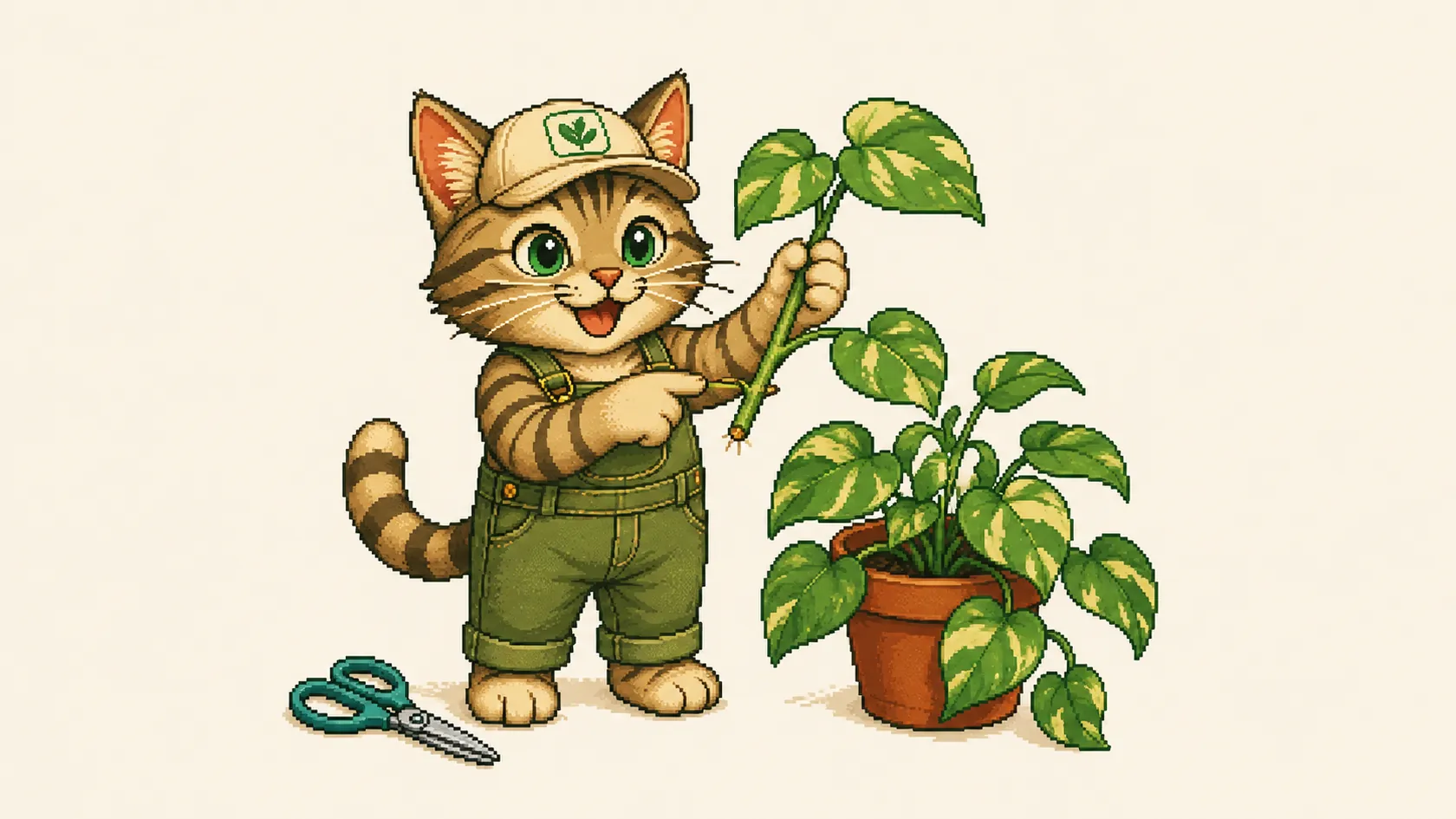
Pinch the growing tips on soft-stemmed plants while they are young. Taking the tip off makes the plant break lower down, and a coleus or an inch plant kept pinched stays dense on its own.
Put the cuttings back in the pot. Rooted pieces planted around the parent fill the bare middle in one season instead of waiting for the old stems to do it.
A grow light is the honest fix for a room that cannot supply the light. It has to hang close above the plant and run for several hours a day, otherwise the stretch continues under it.
Judge the result on the new growth rather than on the old stems. When the gaps between the leaves come out short, the plant has the light it needs and nothing else has to change.
Too little light in almost every case. A plant that cannot reach enough light puts its energy into stem rather than leaf, so the gaps between the leaves get longer and the new leaves come out smaller.
The stretched stem stays stretched, because the buds that would have filled it never formed. What you can change is the growth from here on, by improving the light first and cutting the bare stems back afterward.
A few millimeters above a leaf node, the joint where a leaf meets the stem. The plant breaks from the one or two nodes below the cut. Cut different stems at different heights so it fills in evenly.
Give it the brightest spot it tolerates, turn the pot every week or two, hold off on fertilizer in the dark months and pinch the tips of soft-stemmed plants while they are young.
Because it grew in low light, usually through winter while it was still being watered. Cut the rosette off with a short piece of stem, let the cut dry for a day or two, and root it in a bright spot.
It stops the stretching if it hangs close above the plant and runs several hours a day. It does not shorten the stems that already stretched, so a cutback in spring is still part of the job.
Last reviewed: 2026-09-07