What you see
Every tip points at the same window and the shaded side of the plant is thinner. The stem curves in a steady arc rather than hanging limp.



Leaning is normal growth toward the brightest side. Turn the pot a quarter turn every time you water.
The lean is worth reading rather than fixing blind. It tells you the light arrives from one direction, and it often tells you the amount is less than the plant would like.
Cells on the shaded side of a stem lengthen more than the ones on the lit side. The stem curves toward the light as a result. This is ordinary growth, not damage, and a plant that never leans at all is usually one that sits under light coming from above.
Look at the plant from the side before you touch anything. Note where the window is and whether the tips all point the same way.
Then look at the stem between the leaves. Direction and supply are two different findings, and the spacing of the leaves is what separates them.
Look at
Most likely cause
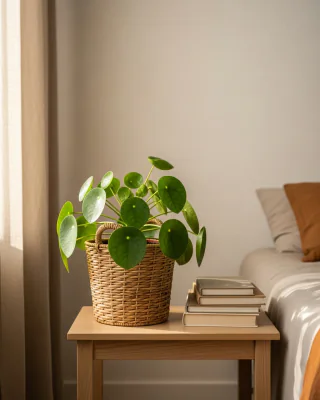
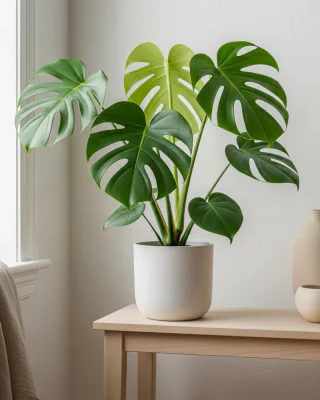
One window means one direction. The side facing the glass gets most of the light and the far side stays in shade, so each new leaf angles the same way and the plant tilts over a few months. A Chinese money plant on a sill shows it within a season, with every flat leaf facing the pane.
Turn the pot a part turn each time you water. A quarter turn is enough. New growth then comes out on the side that was shaded, and the tilt evens out over several weeks as those shoots fill in.
Watering is a good moment for this because your hands are already on the pot. Put a small pen mark on the rim if you lose track of which side faced the room.
Old stems will not swing back. Turning the pot changes the direction of what grows next, and the growth already on the plant stays where it is until new leaves balance it.
A lean on its own is direction. A lean with long bare stretches of stem between the leaves is a supply problem.
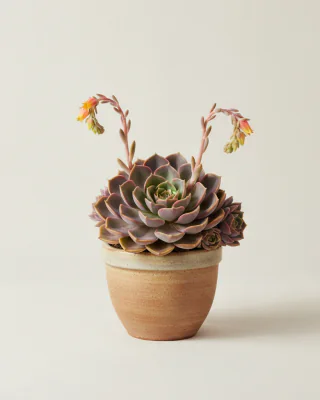
Measure it with your eye. Leaves set close together mean the plant has enough to work with. Inches of bare stem between one leaf and the next mean it is reaching, and the new leaves usually open smaller and paler than the ones below them. A stretched Echeveria shows the same picture in miniature, with the rosette opening out and the stem lengthening under it.
Move the plant closer to the glass. A foot makes a real difference. Light falls away across a room far more steeply than your eyes suggest, because they adjust as you walk.
Clean the window and wipe the leaves. Dust on a pane and dust on foliage both cost light, and both take a minute.
Pull a sheer curtain fully back instead of leaving it half drawn. A shelf overhead or a chair in front of the plant takes away more than the position gives.
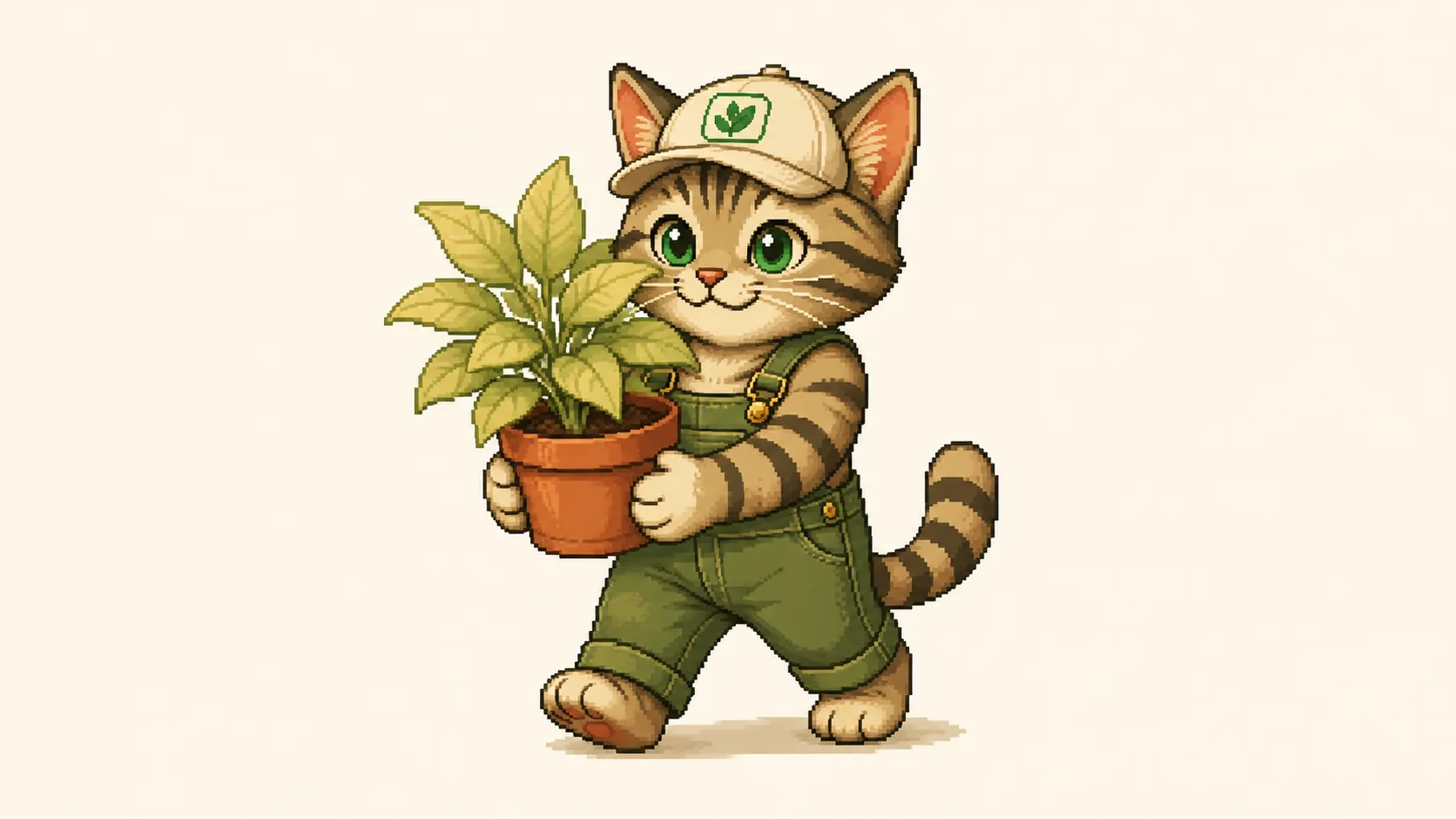
A young green shoot is still flexible and its direction responds to turning the pot. Once a stem thickens and goes woody, the curve is built into the wood and stays there.
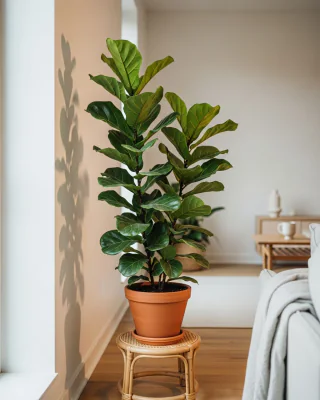
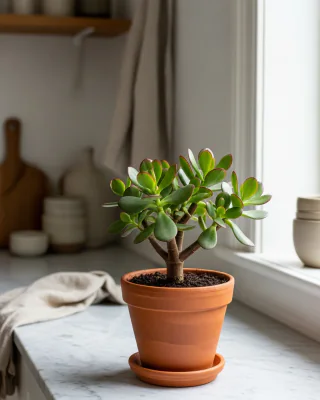
That is why an old jade plant or a tall fiddle-leaf fig keeps its bend however patiently you rotate it. The wood was laid down at that angle and will not be talked out of it.
Cutting is the fix. Prune the bent stem in spring, above a leaf or a visible bud, and the plant pushes new shoots from below the cut. Keep turning the pot while those shoots grow so they come up straight.
Cut lower than feels comfortable if the bare stretch is long. New shoots come from around the cut, so a timid cut leaves the bare part of the stem in place.
A stake carries weight. It stops a heavy stem from snapping or pulling the pot over, and it buys time while new growth comes in. It has no effect on the light the plant is asking for.
Tie loosely with soft ties, crossed in a figure eight between stem and stake, and leave room for the stem to thicken. A tight tie scars the bark and can strangle the stem as it grows.
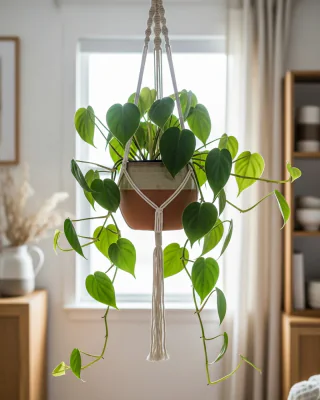
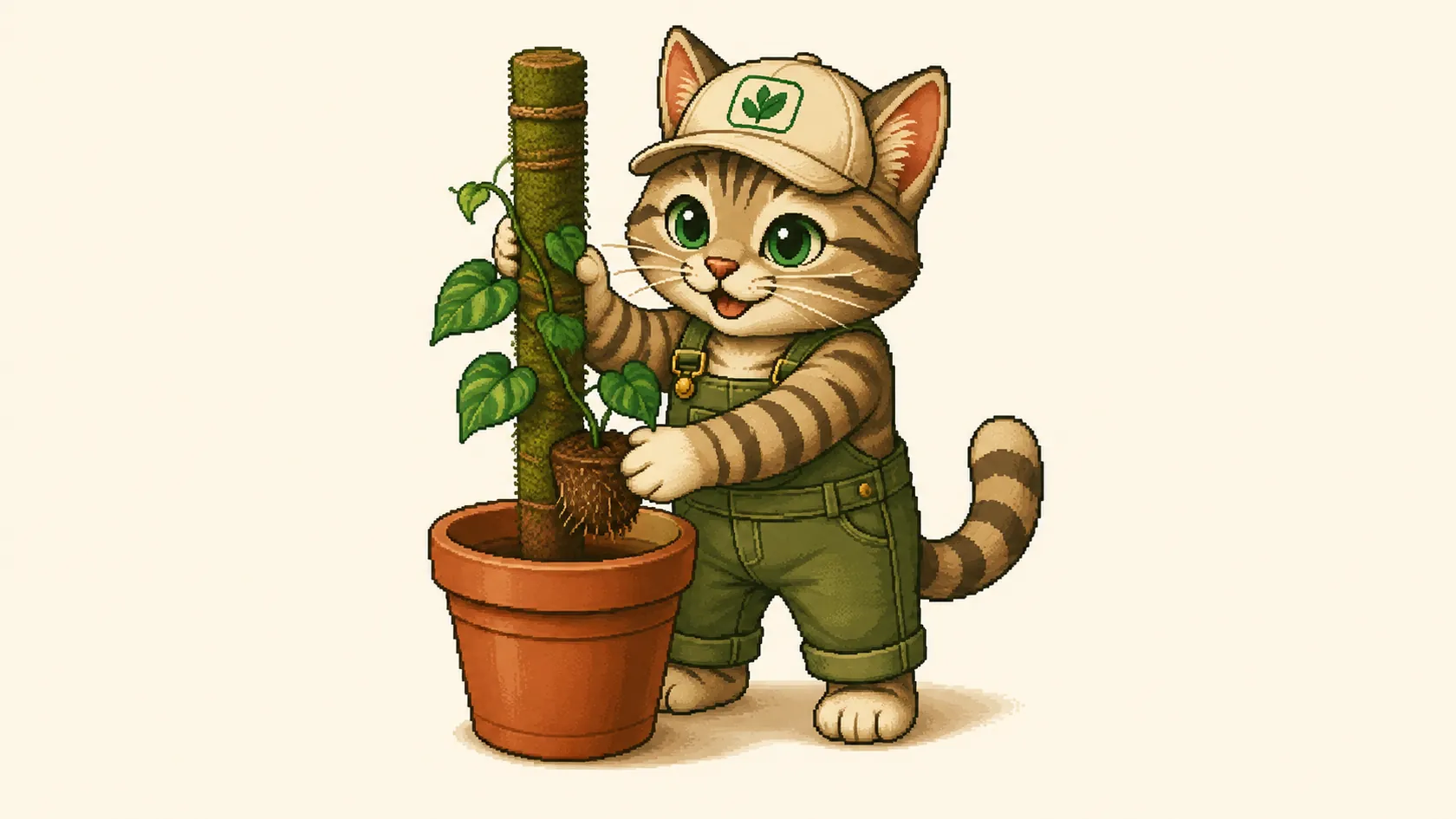
Climbing plants are a separate case. A Monstera or a heartleaf philodendron sprawls because it has nothing to hold, and a moss pole gives the aerial roots something to grip. That is support the plant actually uses.
Check whether the plant is bending or sagging. A growth lean is firm. The stem holds its leaves in a steady curve and you can feel the stiffness when you touch it.
A droop is soft. Stems and leaf stalks give way under their own weight, the plant looks deflated, and it happened over a day or two rather than over months.
That is a watering question. Lift the pot and feel the soil an inch or two down. A light pot with dry soil means the plant ran out of water, and it will lift again within hours of a thorough drink.
A heavy pot with wet soil and a droop points the other way. Roots standing in water stop taking any up, so the leaves sag while the soil is soaked. Turning the pot or moving it brighter does nothing for either case.
A lean took months to build and it takes months to even out. Turning the pot and moving the plant brighter both act on growth that has not happened yet.
Read the result in the new shoots. Leaves set closer together, larger and darker than the ones before them, mean the plant is now getting what it was reaching for.
Change one thing at a time. Move the plant and cut it back in the same week and you will not know which of the two it answered.
The shaded side of a stem grows longer than the lit side, which curves the stem toward the brightest point in the room. Every houseplant does this. It becomes noticeable when the light arrives from one window and nothing corrects the direction.
A quarter turn each time you water keeps the growth even without any tracking. The interval takes care of itself, because a thirsty plant in bright light is watered more often than a slow one in a dim corner.
Soft green shoots will change direction once the light does, so the tips lift within a few weeks. A stem that has already thickened keeps its curve permanently. Pruning is the only thing that removes an old bend.
Not always. A plant with tightly spaced leaves that leans is telling you where the light comes from. Add long bare stretches of stem and small pale new leaves and it is telling you there is not enough of it.
Stake it if the stem is heavy enough to snap or tip the pot. Support keeps the plant safe while it regrows. It does not change the direction of future growth, so keep turning the pot as well.
A light placed directly above the plant removes the one-sided pull, so new growth comes up straight. A light set off to one side simply becomes the new direction the plant leans toward.
Last reviewed: 2026-09-07