What you see
Firm raised blisters or corky tan bumps on leaf undersides, mostly on older leaves, with no insects and no spreading edge.



Raised blisters on the underside, no insects and no spread. It comes from water, not from disease.
It happens when the roots take up more water than the leaves are giving off. Cells in the leaf swell, some of them burst, and the tissue that heals over the break stays raised and corky.
It is not a disease and it does not travel to the next plant. What it points to is a combination of a wet pot and conditions where the plant is barely drinking.
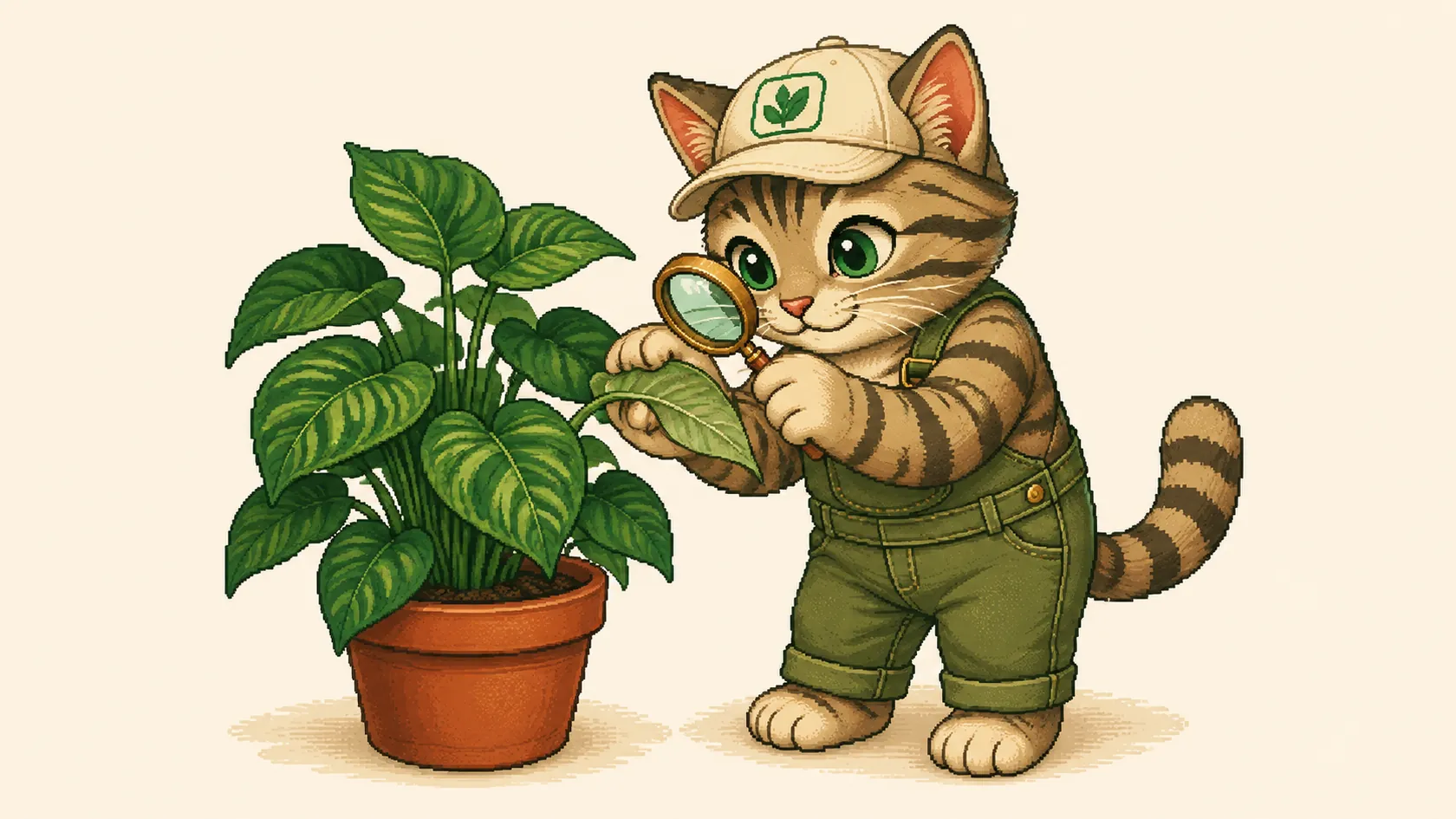
Look at the underside of an affected leaf in good light. Early edema looks like tiny water filled blisters in even numbers across the surface. Older damage is tan or brown, raised and corky, and the leaf may curl or cup around it.
It appears on the oldest and largest leaves first, because they were on the plant while the conditions built up. New leaves that open afterward come out clean if the conditions changed.
Rub a spot with a finger. Edema is part of the leaf and does not move. Scale insects lift off with a fingernail, mealybugs smear white, and sooty mold wipes away.
There is no webbing, no honeydew, no insects and no spreading margin. A spot that grows week by week or has a yellow halo around it belongs to another page.
Look at
Most likely cause
This is the usual combination. A cool, dull room in winter, a plant with slowed growth, and a watering rhythm carried over from summer. The roots keep taking water up and the leaves are giving off very little, so the pressure has nowhere to go.
A pot that stays wet and an outer pot holding water out of sight both keep the roots supplied around the clock, which makes it more likely.
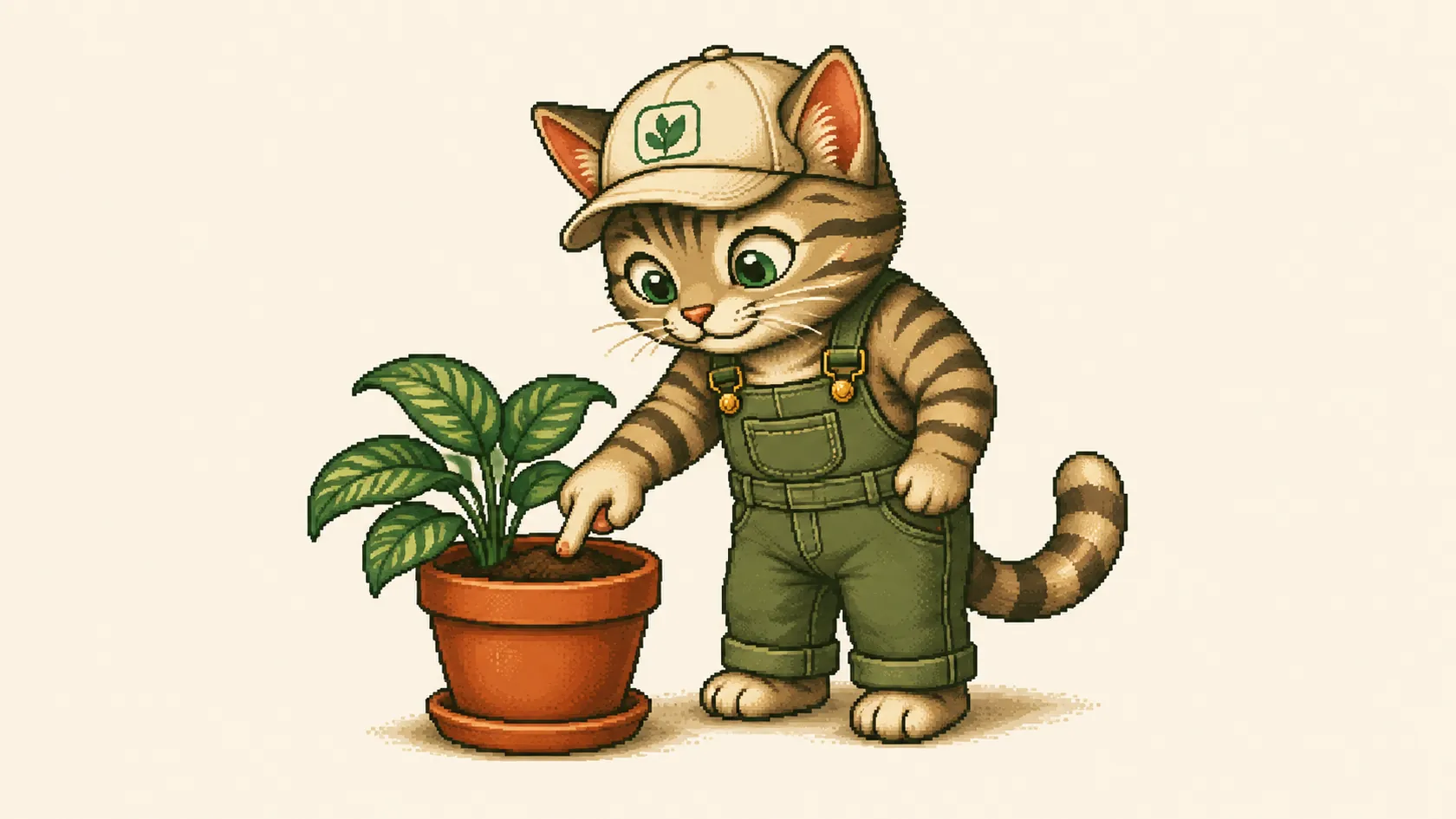
Water less often and let the mix dry down further between waterings than you would in summer. Feel it an inch or two down and water only if it is dry there.
Empty the saucer and the outer pot after every watering. That single habit removes the constant supply that keeps the pressure up.
Water in the morning where you can, so uptake happens while the plant is lit and giving off water rather than through the night.
Leaves give off water into the air around them. When that air is already damp and does not move, the leaf cannot lose much, and the water arriving from the roots stays.
Crowded shelves, a group planting, a closed bathroom, a propagation box and a plastic cover over a new cutting all produce that. A humidifier running close to a plant in a cool room does the same.
Move the plants apart so air passes between them, and open the room up for a while each day.
This is where the standard advice to raise humidity works against you. A plant showing edema is not short of water in the air, so a pebble tray or a humidifier makes the picture worse rather than better.
Light drives the whole process. A plant in a dim corner gives off far less water than the same plant on a bright sill, whatever the pot is doing.
A dark spot combined with a regular watering routine produces the same pressure as an overwatered pot in good light. Short winter days do it to plants that were fine all summer.
Move the plant closer to the window for the dim months, or add light. Then adjust the watering to what the plant is actually using in that spot.
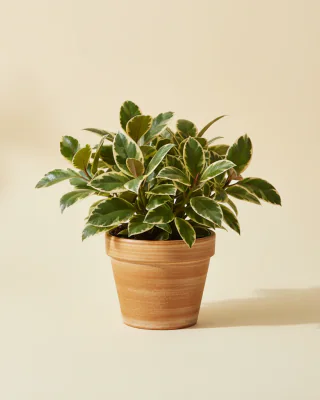
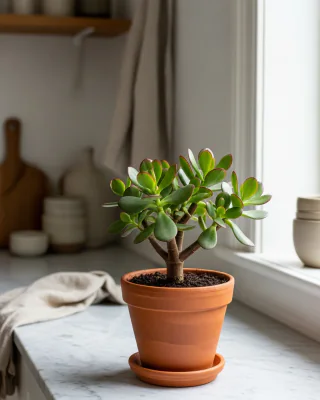
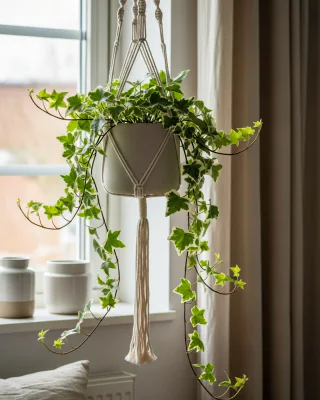
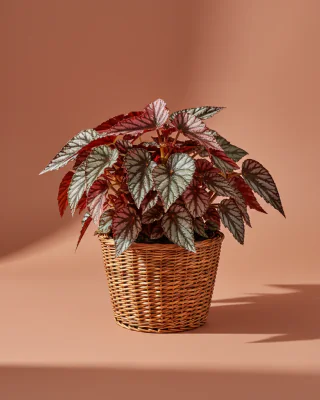
Some plants show this readily and others almost never. Thick leaved plants such as peperomia, jade plant and succulents, ivy, and a number of begonias are the ones that turn up with it most.
The bumps are healed tissue and they stay. No treatment turns them back, and there is nothing to spray for.
Leave the leaves on the plant. They still work, and a plant that has just been through this needs the leaf area it has.
Take off only leaves that are more damaged than sound, or badly cupped, and only once the plant is growing again.
Read the result on the leaves that open next. Clean new growth means the conditions changed, and it is the only confirmation you get.
Corky bumps on a leaf underside also come from old thrips scarring, from mite damage on some plants, and from chemical residue after a spray. Those are told apart by looking for the insects and by knowing what has been applied.
Check the undersides and the leaf axils in good light before settling on edema. It is faster to rule out an insect than to explain a spray that did not work.
Change one thing at a time and note the date. Watering, position and airflow changed all at once leave you with an improvement and no idea which change earned it.
Small raised blisters or corky brown bumps that form when roots take up more water than the leaves give off. Cells swell and burst, and the tissue that heals over stays raised. It is a response to conditions rather than a disease.
No. It is a physical response inside the plant, so it does not move to a neighbor. Several plants on the same shelf can show it at once because they share the room, the light and the watering routine.
By changing the conditions rather than by spraying. Let the mix dry further between waterings, empty the saucer, move the plant into better light, and get air moving around the leaves. The existing bumps stay.
No. That tissue has healed over and keeps its shape. The measure of success is that the leaves opening after the change come out clean.
Rub the bump. Scale lifts off with a fingernail and leaves a mark on the leaf, and edema is part of the leaf and does not move. Scale also comes with a sticky film on the leaves below, which edema never does.
Thick leaved plants show it most, including peperomia, jade plant and other succulents, along with ivy and a number of begonias. Any plant can show it under a wet pot with dim light and still, damp air.
Last reviewed: 2026-09-07