



What bottom watering actually fixes
Dry mix repels water. Peat based and coir based mixes shrink away from the pot wall once they dry out hard, so water poured on top runs down the gap and out of the hole in seconds while the middle of the ball stays dry.
Standing the pot in water gets past that. The mix takes the water up slowly and evenly, and the dry core wets through instead of being bypassed.
It also keeps the leaves and the crown dry. Plants with hairy leaves or a tight rosette, such as African violet and many succulents, mark or rot where water sits on them.
It does nothing for a plant that is wilting because the roots have rotted. Lift the pot and check the roots before deciding that more water is the answer.
How to bottom water, step by step
Use room temperature water. Cold water straight from the tap slows uptake on tropical foliage plants.
- Take the pot out of its outer pot or off its saucer. It needs an open drainage hole.
- Stand it in a bowl, a tray or a sink with water reaching about a third of the way up the pot.
- Leave it until the surface of the mix has darkened. Small pots take minutes, large ones longer.
- Lift the pot out as soon as the top is damp, and do not wait for the water to disappear from the bowl.
- Let it drain over the sink until it stops dripping, then put it back in place.
- Pour away what is left in the bowl rather than standing the next pot in it.
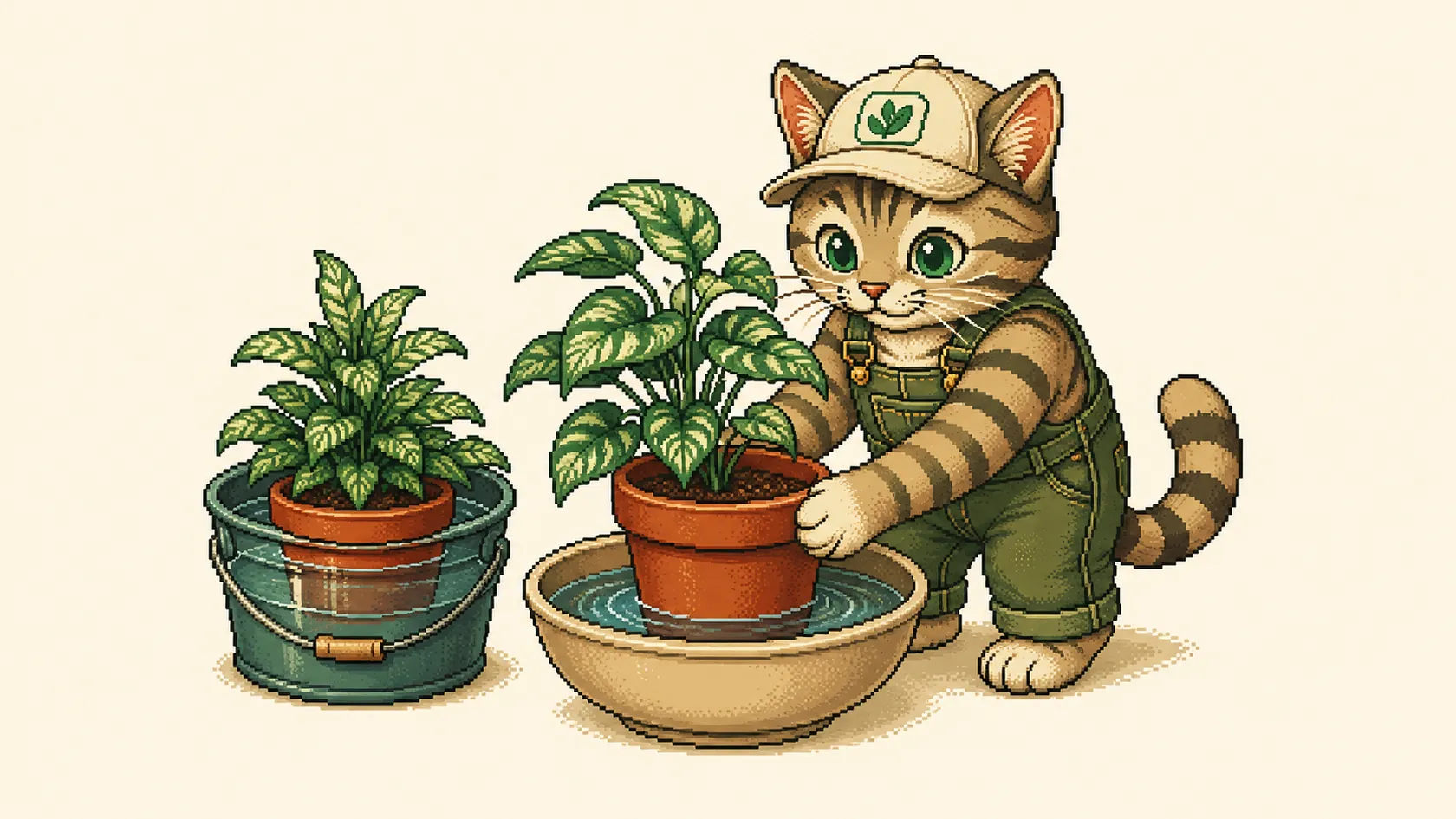
How long to leave the pot standing
The darkening surface is the signal, not the clock. A small pot of fine mix can be through in ten minutes, a large pot of coarse bark takes considerably longer.
Leaving a pot in water for hours is where the method turns into a problem. The mix ends up saturated, the air spaces stay full, and the roots sit in it long after the plant has taken what it needs.
If the surface has not darkened at all after a long soak, water has not made it up through the ball. That happens when the mix has compacted hard or the roots have filled the pot completely. Both are answered by repotting rather than by a longer soak.
Several pots in one tray finish at different times. Take each one out when its own surface changes.
Which plants suit it
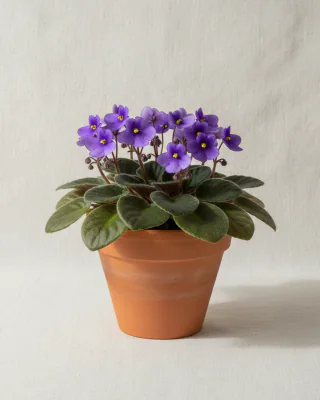
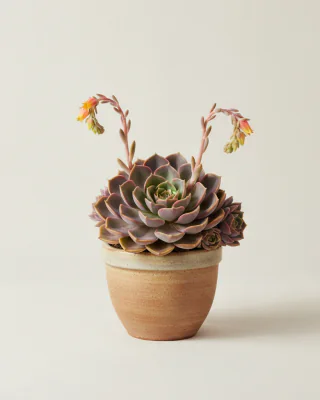
It suits plants that mark when water sits on them. African violet, gloxinia and other soft hairy leaves stay clean this way, and a compact echeveria rosette keeps water out of its center.
It suits small pots that dry out fast and hard, and any plant whose mix has pulled away from the pot wall.
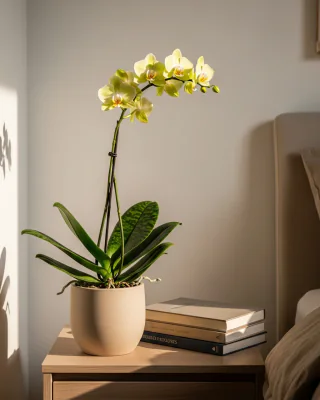
It is a poor fit for a moth orchid in coarse bark, which takes up little that way and is easier to soak in a bowl for a few minutes and then drain. It is also a poor fit for a large floor pot that no bowl can hold and that you cannot lift out again.
Cacti and succulents can be bottom watered, as long as the pot comes out promptly and the mix dries out fully before the next round.
Why the pot still needs watering from the top
Water moving upward carries dissolved salts from fertilizer and hard tap water toward the surface, where they collect. A pale crust on the soil and on the pot rim is what that looks like.
Those salts stay in the pot unless something rinses them out. Water from the top now and then until it runs freely out of the base, and pour away what lands in the saucer.
How often depends on how much you feed and how hard your tap water is, so watch the surface of the mix instead of following a set rhythm.
Fungus gnats are the second reason to alternate. Bottom watering leaves the top layer dry, which discourages them, but a crust of salts and a compacted surface both hold water in ways you cannot see until you rinse them through.
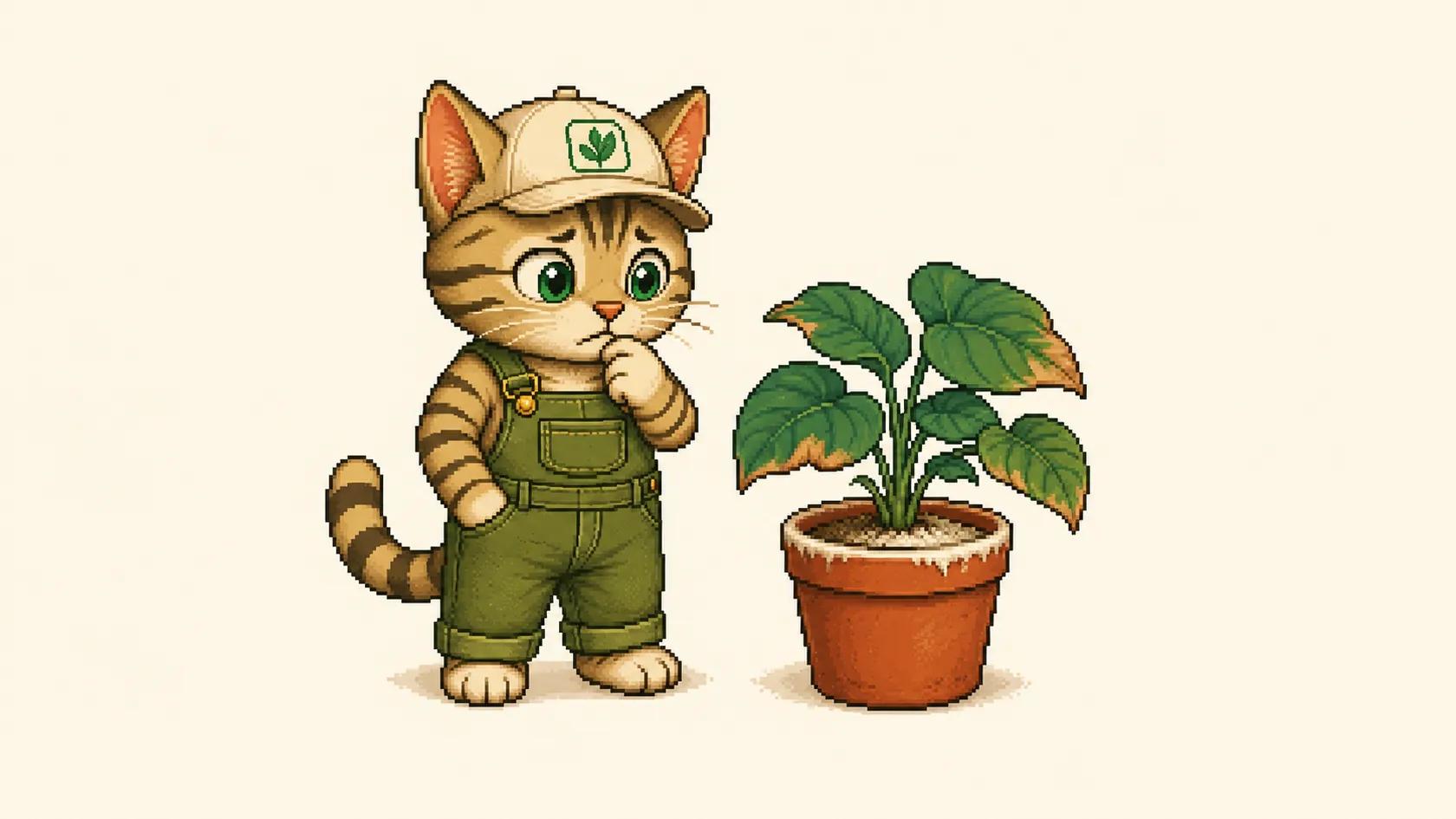
How to tell it worked
Lift the pot before and after. A root ball that has taken water up is noticeably heavier, and that weight is the most reliable check you have.
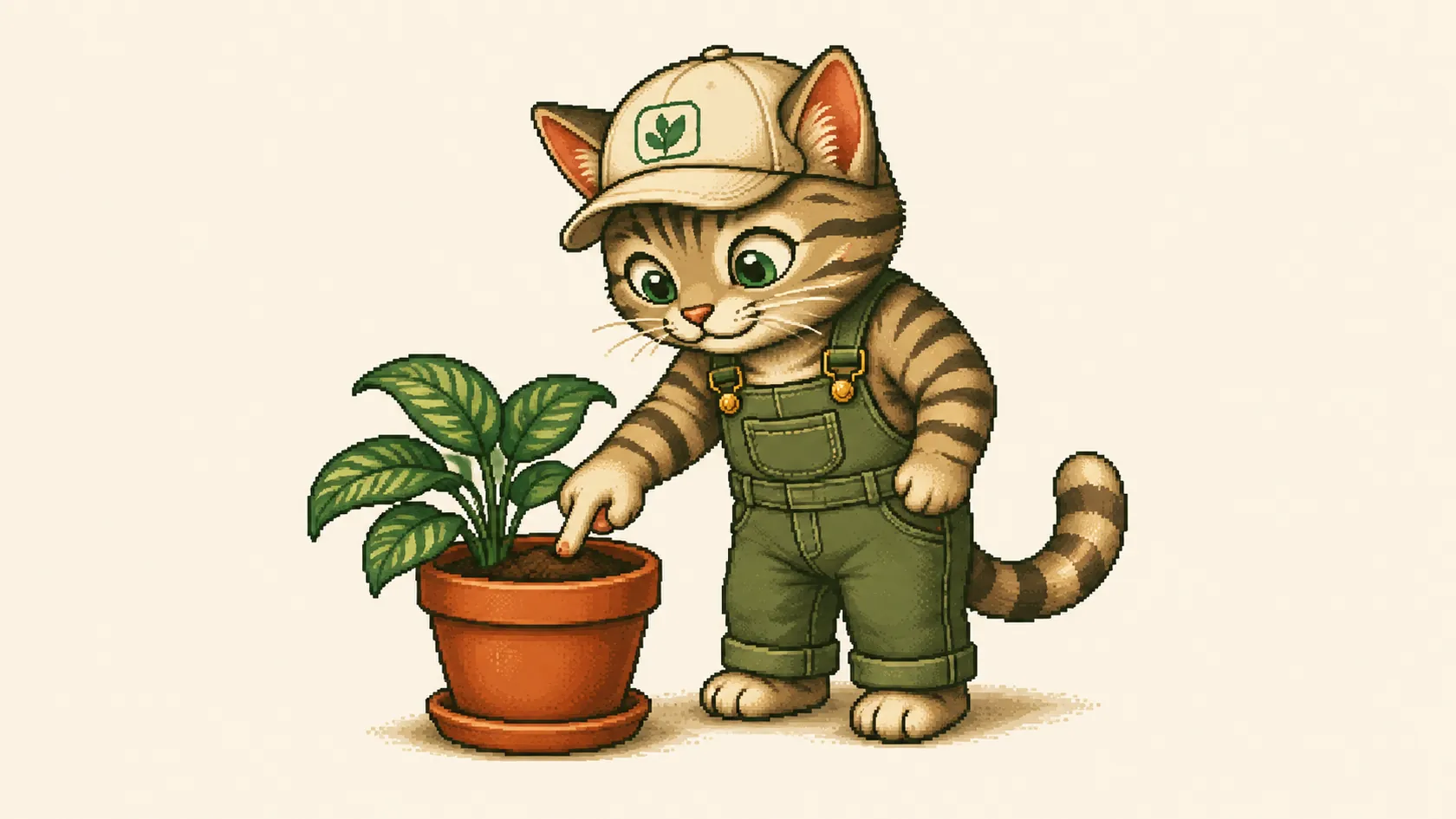
Push a finger an inch or two into the mix an hour later. Damp there and dry a little deeper means the water stopped partway and the pot needs a second, shorter soak.
The decision to water at all stays the same as before. Feel the mix down to your first knuckle and water only if it is dry there, because a method that wets the whole ball is the wrong thing to use on a ball that is already wet.
Related plants
Keep reading
Common questions
What is bottom watering for plants?
You stand the pot in a few inches of water and let the mix draw it up through the drainage hole, then take the pot out once the surface has darkened. It wets the whole root ball and keeps the leaves dry.
How long should you bottom water plants?
Until the surface of the mix darkens, which is minutes for a small pot and longer for a big one. Take the pot out then rather than leaving it standing, and let it drain before it goes back.
Is bottom watering better than watering from the top?
It is better at wetting a root ball that has dried out hard and at keeping water off the leaves. It also leaves salts behind in the mix, so a thorough top watering that runs out of the base still belongs in the routine.
Can you bottom water a plant without drainage holes?
No. Water only enters through the hole in the base, so a pot without one cannot be watered this way. Either keep the plant in a grow pot inside that container, or drill a hole.
Does bottom watering help with fungus gnats?
It keeps the top layer of soil drier, which is where gnat larvae hatch, so it makes the pot less attractive to them. It is a support to sticky cards and a drier surface rather than a treatment on its own.
How often should you bottom water houseplants?
On the same signal as any other watering. Feel the mix an inch or two down and water only when it is dry there, because the method changes how the water arrives and not how much the plant needs.
Last reviewed: 2026-09-07