



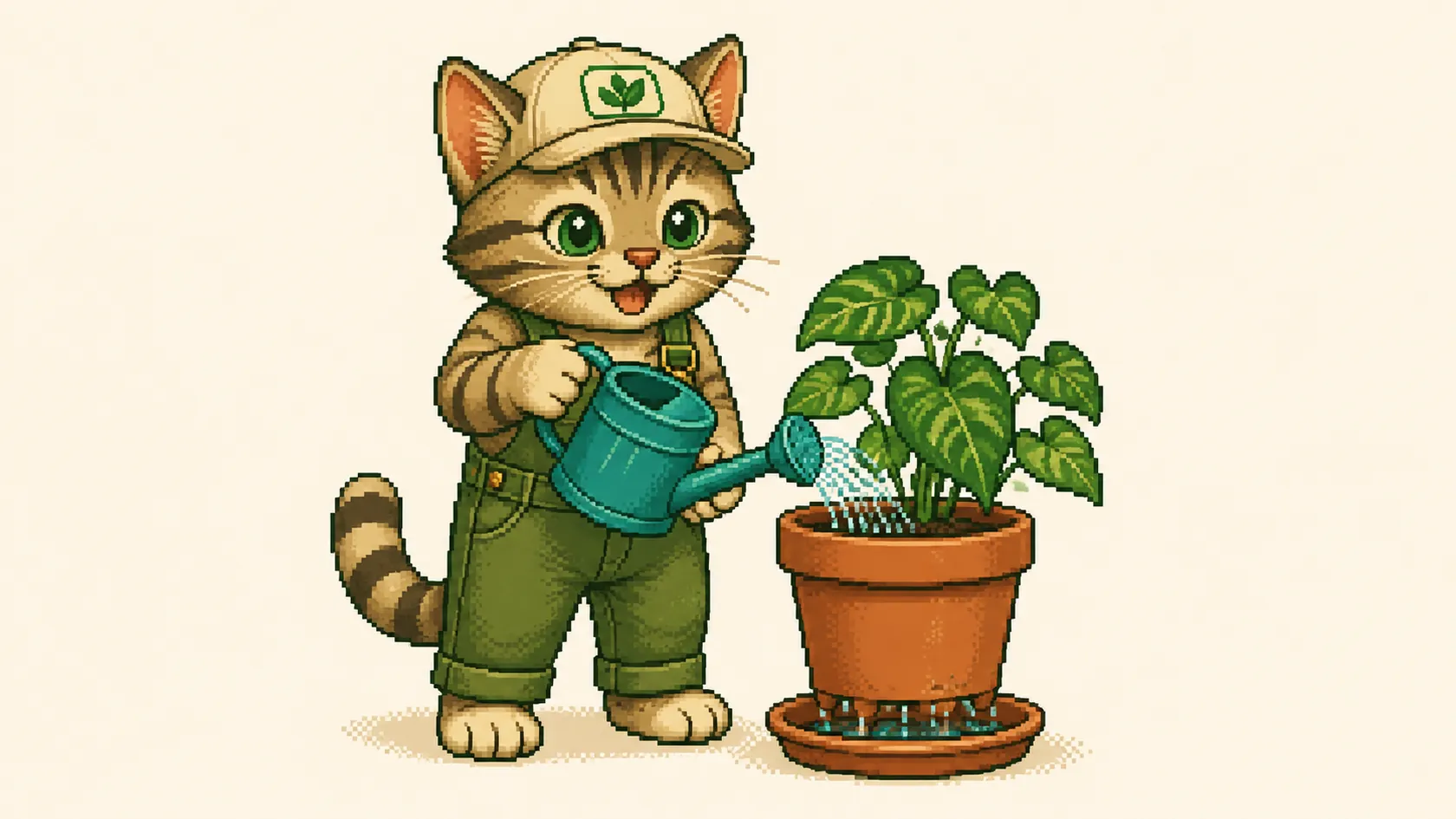
The part people skip is the start. Roots have to reach the wet zone before the system does anything, so the first weeks are watered from the top like any other pot.
How the pot actually works
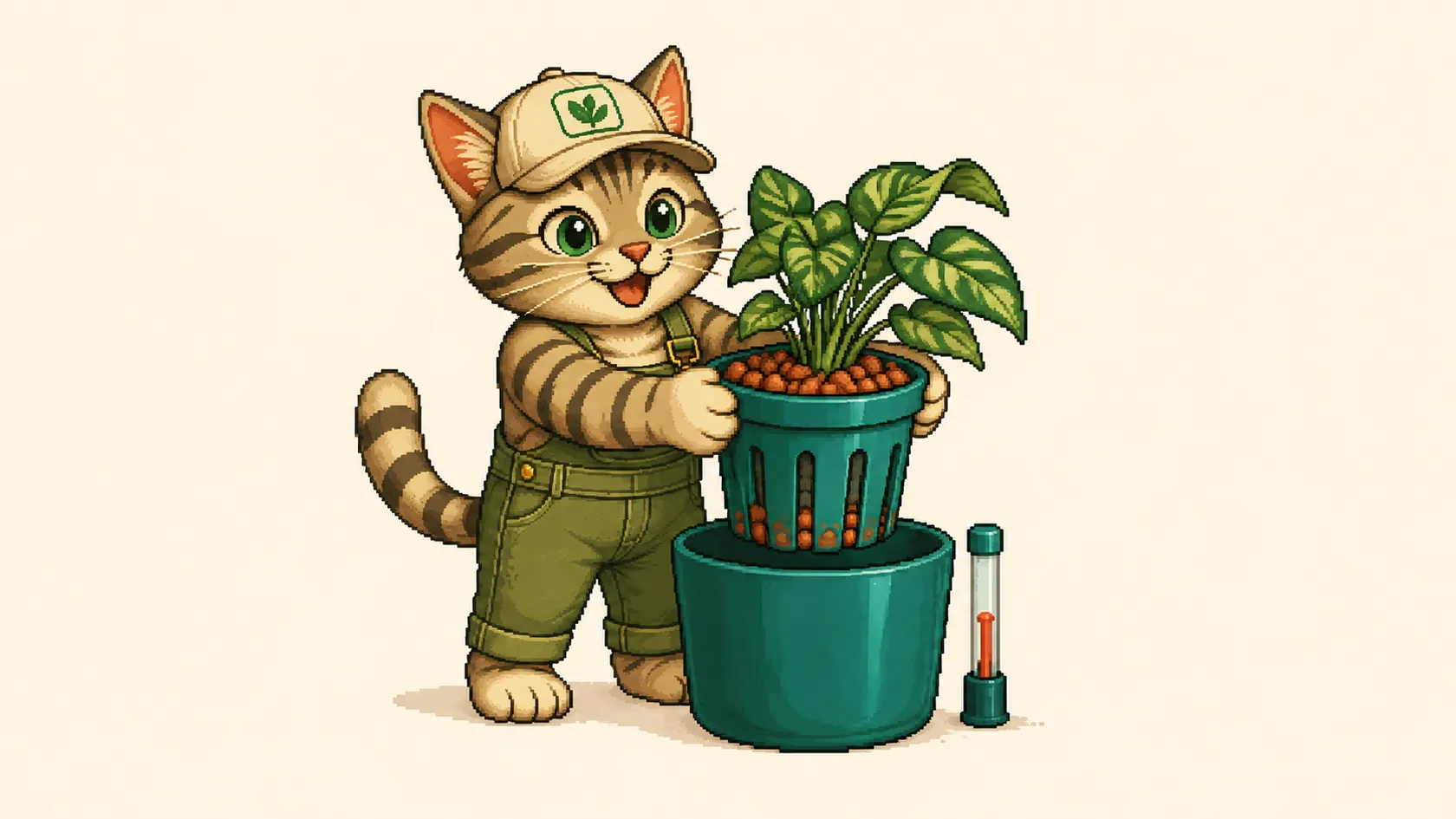
There are three parts. A reservoir in the base holds the water, an inner pot or a wick sits in it, and a fill tube with a gauge lets you top it up and see the level without lifting anything.
Water moves upward by capillary action, the same effect that pulls water into a sponge. Dry mix pulls, wet mix does not, so the flow slows down on its own once the lower layers are wet.
That means the top of the mix stays comparatively dry while the bottom stays damp. Roots follow the water down, and after a few weeks most of the root mass sits in the lower half of the pot.
The reservoir is separated from the mix by an air gap in most designs. That gap is what keeps the root ball from standing in water, and it is the reason a pot with a blocked or overfilled reservoir behaves like a pot with no drainage at all.
Plants that suit one, and plants that do not
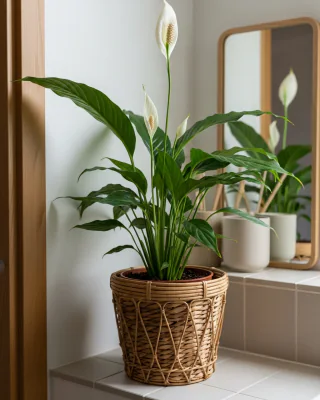
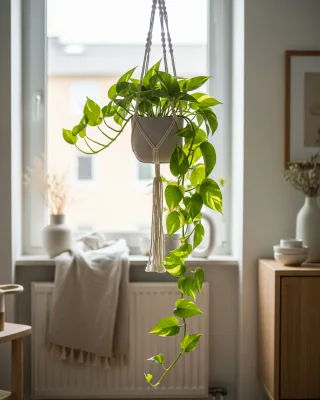
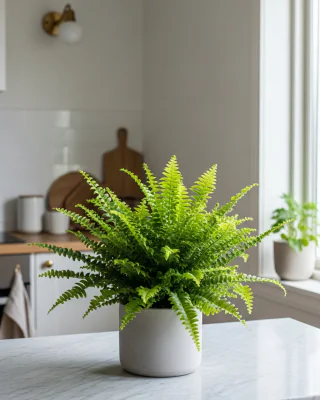
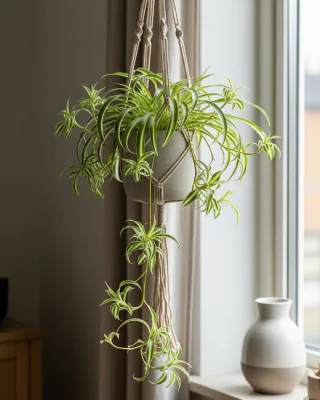
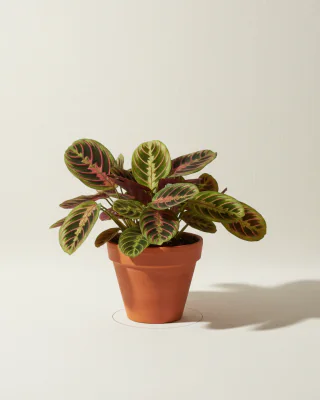
Steady drinkers do well. Peace lily, ferns, prayer plants, calatheas, spider plant, pothos, umbrella plant and most palms would rather never dry out completely, and a reservoir removes the swings between soaked and bone dry.
Plants that store water are the wrong fit. Snake plant, ZZ plant, jade, cacti and other succulents need the root ball to dry through between waterings, and a permanently damp lower layer is the condition their roots rot in.
Orchids in bark do not belong in one either. Their roots need air around them and a bark mix does not wick, so the reservoir sits there doing nothing while the roots stay wet at the base.
Large floor plants gain the most in practice. They hold a lot of mix, they are heavy to lift and awkward to water thoroughly, and the reservoir turns a weekly job into a monthly one.
- Good fit: peace lily, ferns, calathea, prayer plant, spider plant, pothos, palms
- Poor fit: snake plant, ZZ plant, jade, cacti and other succulents
- Poor fit: orchids and anything in a coarse bark mix
- Best value: large floor plants that are hard to water thoroughly
Setting one up
Use a mix that wicks. A peat or coir based potting mix with some perlite pulls water upward well, while a chunky bark or cactus mix breaks the column and leaves the reservoir untouched.
Fill the wick chamber or the soil column with mix and pack it a little firmer than the rest, then pot the plant normally above it. A hollow gap anywhere in the column stops the water where it is.
Water from the top for the first few weeks and leave the reservoir empty. The roots are still in the upper half at that point, and filling the base early keeps the lower mix wet with nothing growing in it.
Start using the reservoir once the plant has grown into the pot, which for a freshly potted plant is usually a matter of weeks rather than days. From then on you fill the tube and let the level run to empty before you refill.
Filling, and the dry spell in between
Fill until the gauge reads full and then leave it alone. Topping it up daily keeps the lower mix saturated permanently, which is the main way these pots go wrong.
Let the reservoir run empty and stay empty for a few days before refilling. That short dry spell gets air back to the roots and is the single habit that separates a working self-watering pot from a slow rot.
How long a filling lasts depends on the plant, the light and the season, so read the gauge rather than the calendar. The same pot empties much faster in July than in December, and a plant that has stopped growing barely draws at all.
In winter, many people stop using the reservoir entirely and water from the top. Water use drops with the light, and a full reservoir in a cold room stays full for weeks.
Flushing out the salts
Nothing drains out of the bottom of these pots, so fertilizer salts and minerals from hard water stay in the mix and concentrate over time. A white crust on the surface and browning leaf edges are what that looks like.
Flush the pot every few months. Water heavily from the top, let it run through the overflow or tip the pot out over a sink, and empty the reservoir afterward rather than letting the salty water be drawn back up.
Feed at a lower strength than you would in a normal pot, and skip feeding entirely while the plant is not growing. There is no runoff to carry the excess away.
Repot into fresh mix every year or two. That resets the buildup completely and is also the moment to check that the wick column has not compacted.
When a normal pot is the better choice
For plants that want to dry out, a plain pot with an open drainage hole gives you the control the reservoir takes away. Feeling the mix two inches down and watering only when it is dry beats any container feature.
Small pots gain little. They hold small reservoirs that empty in days, so you are back to checking constantly, and the pot costs more.
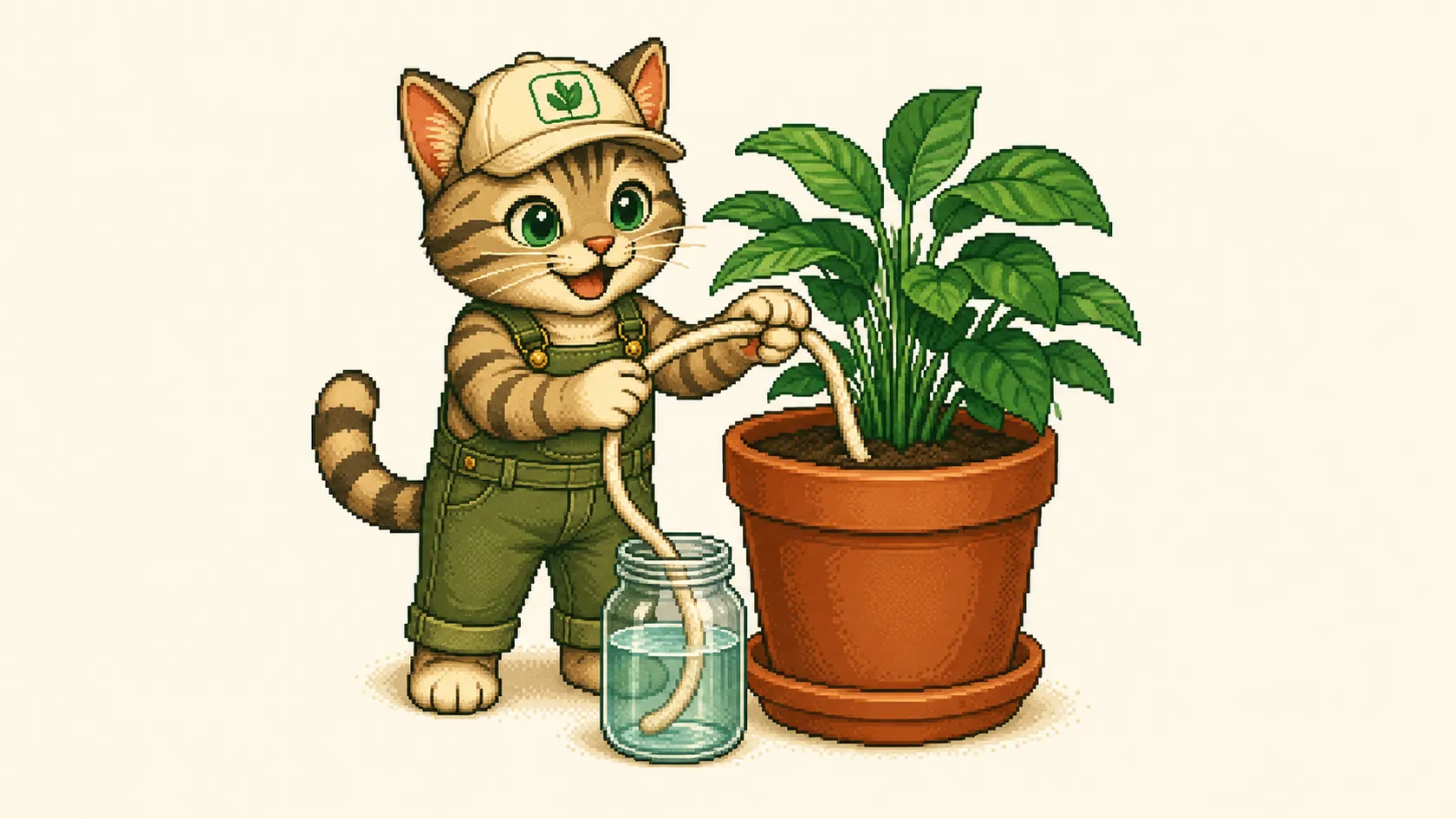
For a vacation, a plain pot plus a temporary measure does the same job. Grouping plants out of direct sun, a deep watering before you leave, and a wick from a water jar into the mix cover a couple of weeks.
A cachepot with clay pebbles in the bottom is the low-effort middle ground. The growing pot drains freely, sits above the water rather than in it, and you can still see what is going on.
Related plants
Keep reading
Common questions
Do self-watering pots really work?
They work for plants that like steady water, as long as the mix wicks and the roots have grown down into the lower half. They do not suit succulents and other plants that need to dry out between waterings.
How often should I fill a self-watering pot?
When the gauge reads empty, and after a few days of it staying empty. That short dry spell gets air back to the roots. How long a filling lasts changes with the season, so read the gauge rather than a fixed interval.
Can you overwater in a self-watering pot?
Yes, mostly by refilling before the reservoir has run empty or by watering heavily from the top while the base is full. A blocked overflow does the same, since the root ball then sits in standing water.
Do you still water from the top?
Yes, for the first weeks after potting while the roots are still shallow, and every few months to flush out fertilizer salts. Empty the reservoir after flushing rather than letting that water be drawn back up.
What soil is best for a self-watering pot?
A standard peat or coir based potting mix with some perlite, because it wicks water upward reliably. Chunky bark and gritty cactus mixes break the water column and leave the reservoir unused.
Are self-watering pots good for succulents?
No. Succulents and cacti store water and need the root ball to dry through, and a permanently damp lower layer is where their roots rot. Use a pot with an open drainage hole and a gritty mix instead.
Last reviewed: 2026-09-07