



What the hole actually does
Potting mix holds a certain amount of water and no more. What it cannot hold sits in the spaces between the particles, and those spaces are where air belongs.
With a hole in the base, the surplus runs out within minutes and air moves back in behind it. Without one, that water stays at the bottom of the pot and the roots growing there sit in it.
Roots in that zone stop taking up water, then die and rot. The plant above starts wilting and dropping leaves, which reads as thirst, and watering it again makes the same problem worse.
The hole also lets you rinse the pot. Salts from fertilizer and hard tap water build up in the mix, and the only way out is water running through and away.
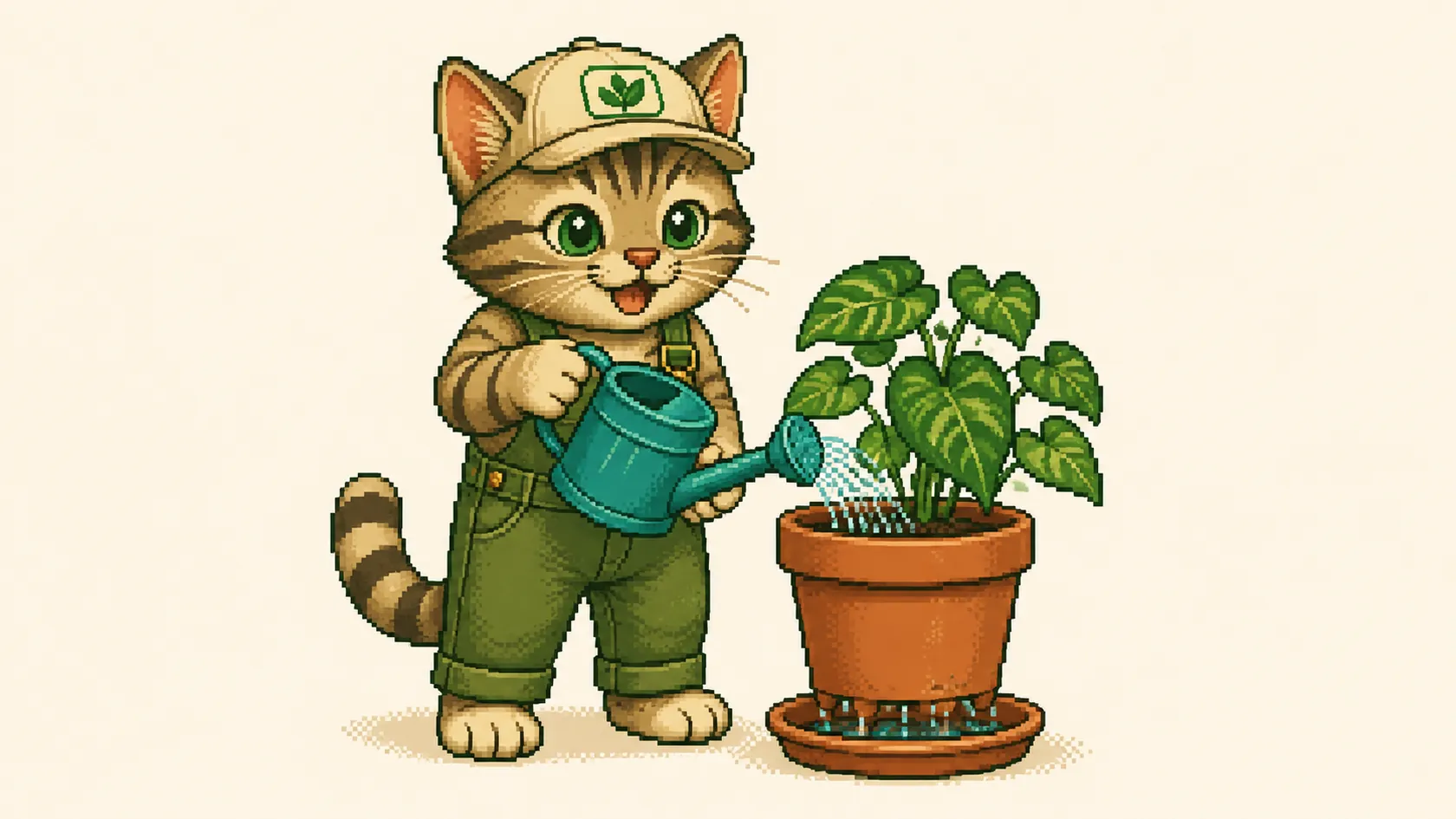
How to tell water is not leaving
Water until it should run out of the base and watch. Nothing arriving in the saucer after a thorough watering means either the hole is blocked or the mix has compacted so hard that water cannot get through it.
Look at the underside of the pot. Roots grown through the hole, a plug of compacted soil, or a nursery pot pressed flat against a solid outer pot all close the route.
Lift the plant out of its outer pot after watering and look inside. Water standing in the bottom out of sight is common, because the outer pot fills before anyone notices.
Soil that stays dark and wet at the surface for a week, a sour smell, mold on the surface and fungus gnats around the pot all point the same way.
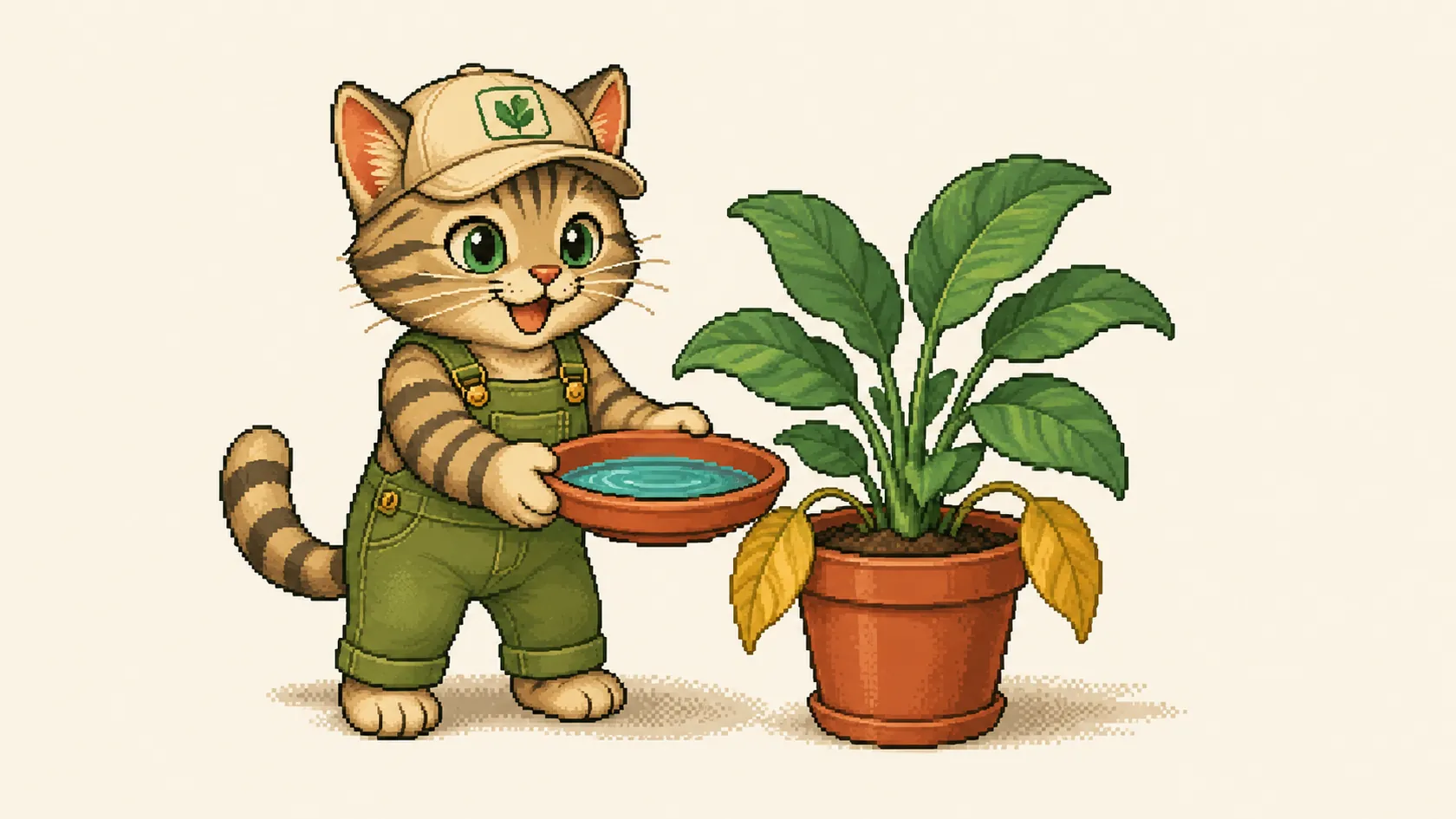
A pot with no hole, done properly
The straightforward arrangement leaves the plant in its plastic grow pot and stands that inside the decorative container. The grow pot has the holes, the container is a shell that protects the surface it stands on.
To water, lift the grow pot out, water it over the sink until water runs out of the base, let it drip, and put it back.
If you water without lifting it out, tip the outer pot out after about ten minutes. Water left standing reaches the mix through the holes and the root ball takes it straight back up.
In a tall container you cannot see into, stand the grow pot on an upturned saucer or a layer of clay pebbles, so it sits clear of whatever collects underneath.
Planting straight into a sealed container is the arrangement to avoid. The water has nowhere to go, and the level rises invisibly with every watering.
Drilling a hole
Ceramic, terracotta and concrete pots take a hole with a masonry or tile drill bit. Work slowly, keep the tip wet, and use no hammer action, because the shock is what cracks the pot.
Glazed ceramic chips at the surface. A strip of tape over the spot gives the bit something to bite on so it does not wander.
Plastic and resin take a hole in seconds with an ordinary bit, or with a heated skewer.
One hole in the middle of the base is enough for a small pot. A wide, heavy pot benefits from several spread across the base.
Wear eye protection and hold the pot steady on a surface you do not mind marking.
What a gravel layer does and does not do
A layer of gravel or clay pebbles in the bottom of a pot with no hole holds a reservoir of standing water under the mix. The mix sits in contact with it and wicks it back up, so the wet zone moves closer to the roots rather than away from them.
It also costs you rooting space. In a small pot, an inch of pebbles is a noticeable share of what the plant had to grow in.
The same layer inside a grow pot that already has holes does no harm and no particular good. Water leaves through the hole either way.
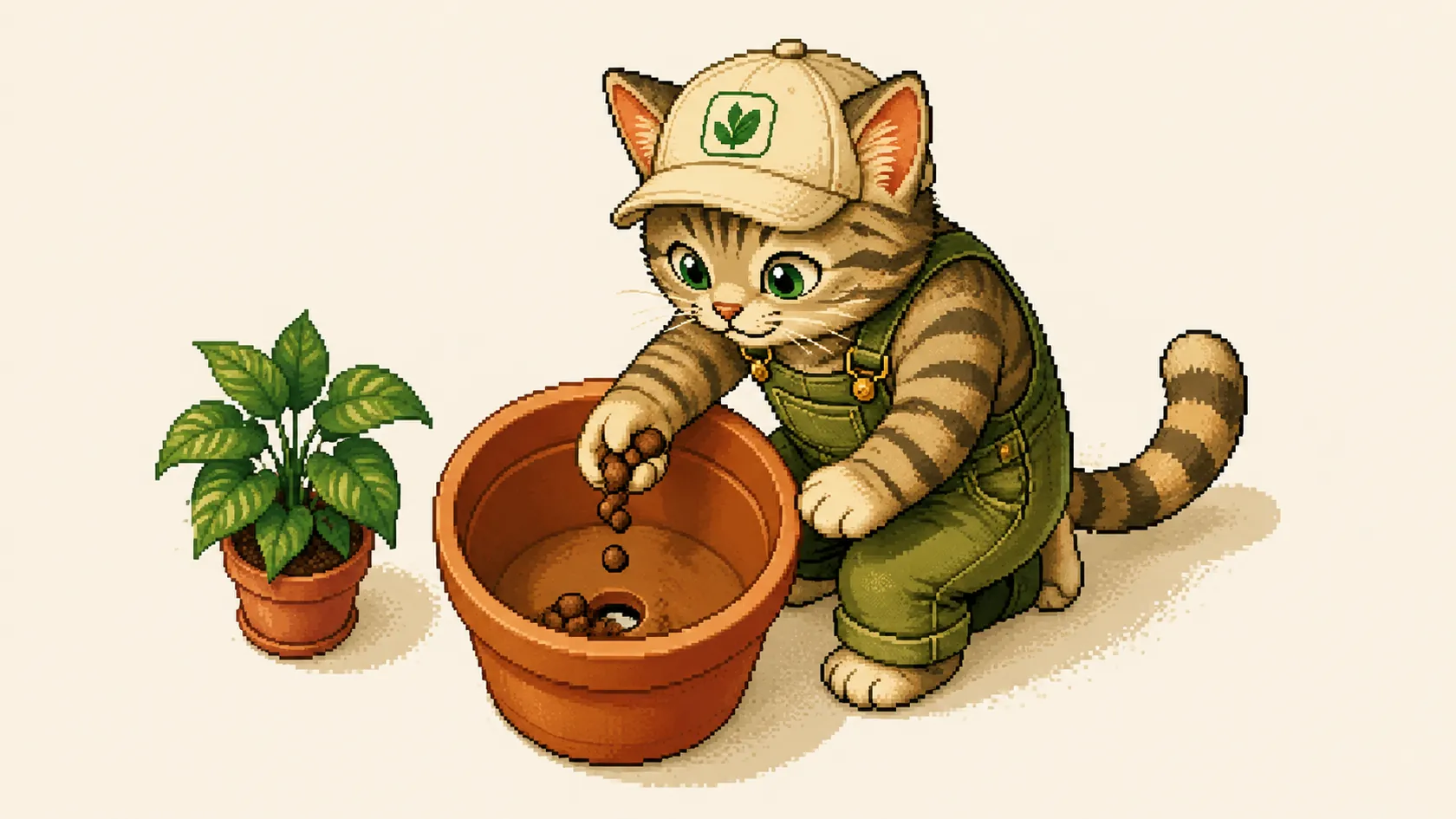
What is worth doing is keeping the hole clear. A shard of broken pot laid loosely over it stops mix washing out without blocking the flow.
Plants said to cope without drainage
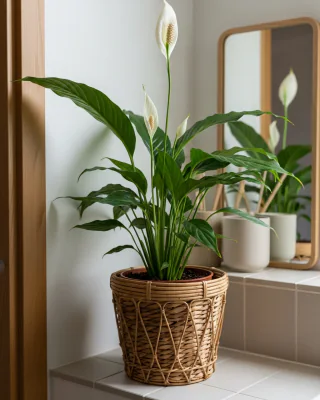
Some plants take a wet root zone better than others, and none of them prefers standing water. A peace lily forgives a soaked pot for longer than a snake plant does, which is tolerance rather than a preference.
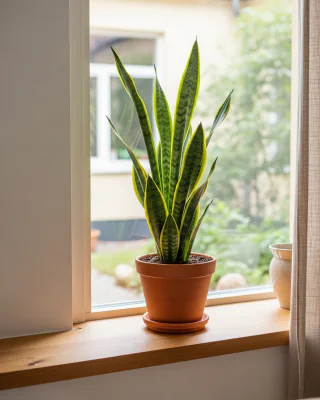
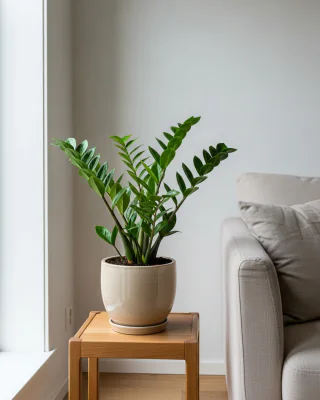
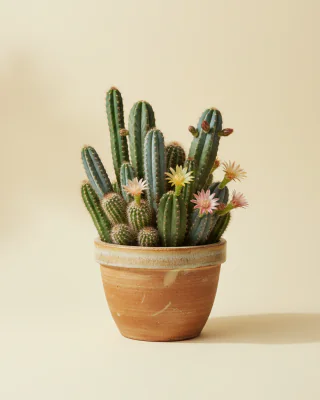
Succulents, cacti, snake plant and ZZ plant sit at the other end. Their roots and stems store water, and a pot that cannot drain is the fastest way to lose them.
Terrariums and closed glass vessels work on a different principle, with a small planting, careful watering by the spoonful, and an owner watching the glass. That is a considered setup rather than a plant potted into a sealed jar.
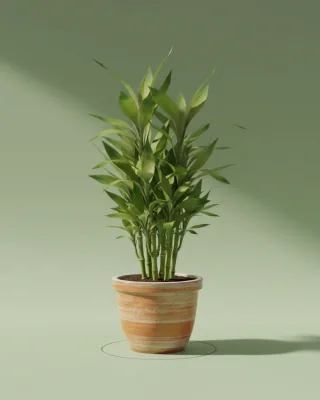
Water plants growing in a vase of water, such as lucky bamboo, are not an exception either. Those roots are adapted to water, and they need it changed rather than left standing.
Related plants
Keep reading
Common questions
Do plants really need drainage holes?
Yes. Water the mix cannot hold has to leave so air can get back to the roots, and the hole is the only route out. It is also how salts from fertilizer and tap water get rinsed out of the pot.
What can I do with a pot that has no drainage hole?
Keep the plant in a plastic grow pot with holes and stand that inside the decorative pot. Lift it out to water, let it drain, and put it back. The alternative is to drill a hole in the base.
Can you use rocks instead of a drainage hole?
No. A layer of rocks holds standing water under the mix, and the mix wicks it back up, so the wet zone ends up nearer the roots. It also takes away rooting space.
How do I drill a drainage hole in a ceramic pot?
Use a masonry or tile bit, no hammer action, and keep the tip wet while you work slowly. Tape over the spot first so the bit does not wander on the glaze, and wear eye protection.
Which plants can live in pots without drainage holes?
None prefer it. Some, such as peace lily, tolerate a wet root zone for longer than others, while succulents, cacti, snake plant and ZZ plant fail quickly. Tolerance is not a reason to choose a sealed pot.
How many drainage holes does a pot need?
One in the middle of the base is enough for a small pot. Wide, heavy pots drain more evenly with several spread across the base, since a single hole leaves the corners wetter.
Last reviewed: 2026-09-07