



Neither is better. The question is whether the plant in front of you wants to dry out quickly or stay evenly damp, and how often you are realistically going to water it.
What the pot wall changes
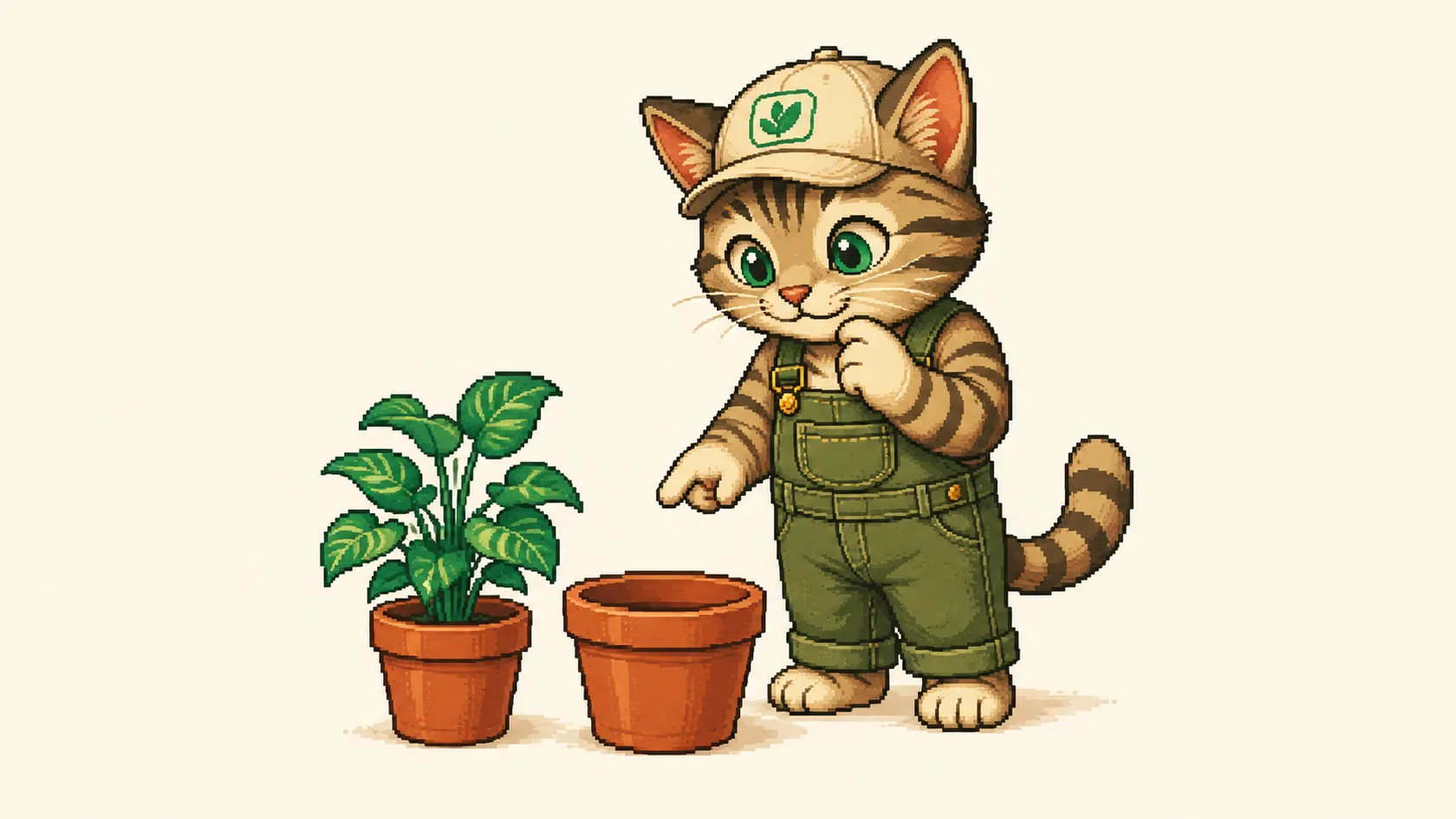
Unglazed terracotta pulls water into the clay and lets it evaporate off the outside. That takes water out of the whole depth of the root ball rather than only the surface, and it brings air in behind it.
It also cools the mix slightly, in the same way a damp cloth cools a bottle. In a hot room that is welcome, and on a cold windowsill in winter it is not.
Plastic does none of that. The mix dries from the top down, the lower half stays damp longest, and in a large pot that lower half can hold water for weeks.
Glazed ceramic behaves like plastic, since the glaze seals the clay. A glazed pot looks like terracotta and waters like plastic, which is the mistake behind a lot of unexpectedly wet root balls.
When terracotta is the better pot
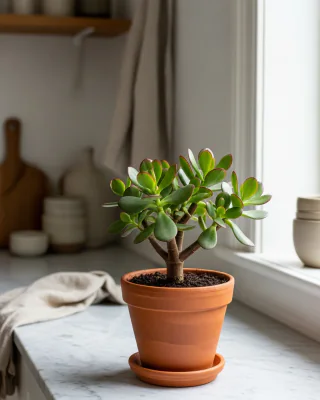
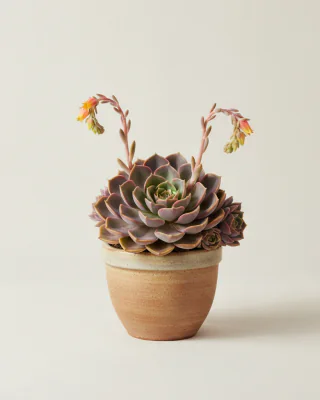
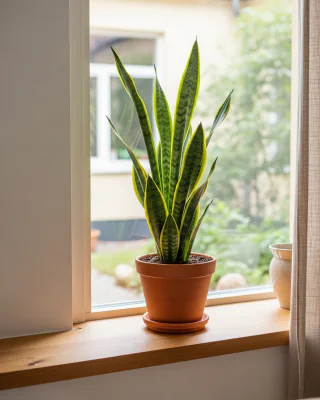
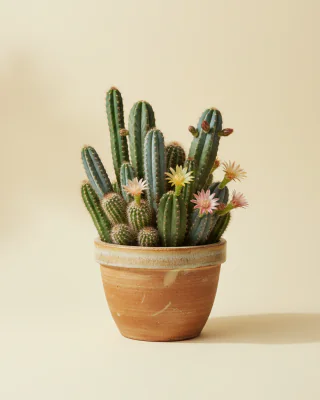
It suits everything that wants to dry out. Cacti, succulents, jade, snake plant, ZZ plant and most desert plants get exactly the fast drying and the air at the roots that they are built for.
It suits heavy-handed watering. If your plants tend to sit wet, clay gives you a margin of error that plastic does not, and it is a reasonable fix for a repeated rot problem.
It suits tall and top-heavy plants. The weight of the clay lowers the center of gravity and keeps a large plant upright without extra ballast.
It suits cold rooms and short winter days, where any pot dries slowly and the extra evaporation keeps a root ball from staying sodden for weeks.
When plastic is the better pot
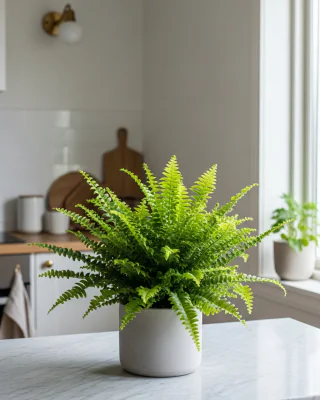
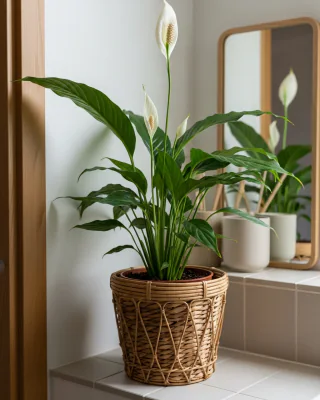
It suits plants that hate drying out. Ferns, calatheas, prayer plants, peace lily and most thin-leaved tropicals stay more even in plastic, and even is what they want.
It suits large floor plants for practical reasons. A big clay pot with wet mix in it is heavy enough that the plant never gets moved, turned or cleaned.
It suits anyone who waters less often than they mean to. A plastic pot buys days, and for a plant in a bright warm room that can be the difference between thriving and wilting weekly.
It suits seedlings, cuttings and nursery growing. Small plastic pots hold the steady damp young roots need, and they cost little enough to keep a supply of every size.
- Terracotta: succulents, cacti, snake plant, ZZ plant, heavy waterers, cold rooms
- Plastic: ferns, calathea, prayer plant, peace lily, large floor plants, cuttings
- Glazed ceramic: waters like plastic whatever it looks like
- Either one: only with an open drainage hole
The drainage hole outranks the material
A pot without an open hole in the base collects every excess drop right at the root ball. That single fact does more damage than any material choice, and terracotta does not save a pot that cannot drain.
Keep the plant in a growing pot that drains and set that inside the decorative one. Then tip the outer pot out after watering, and put clay pebbles in the bottom so the inner pot stands above whatever collects.
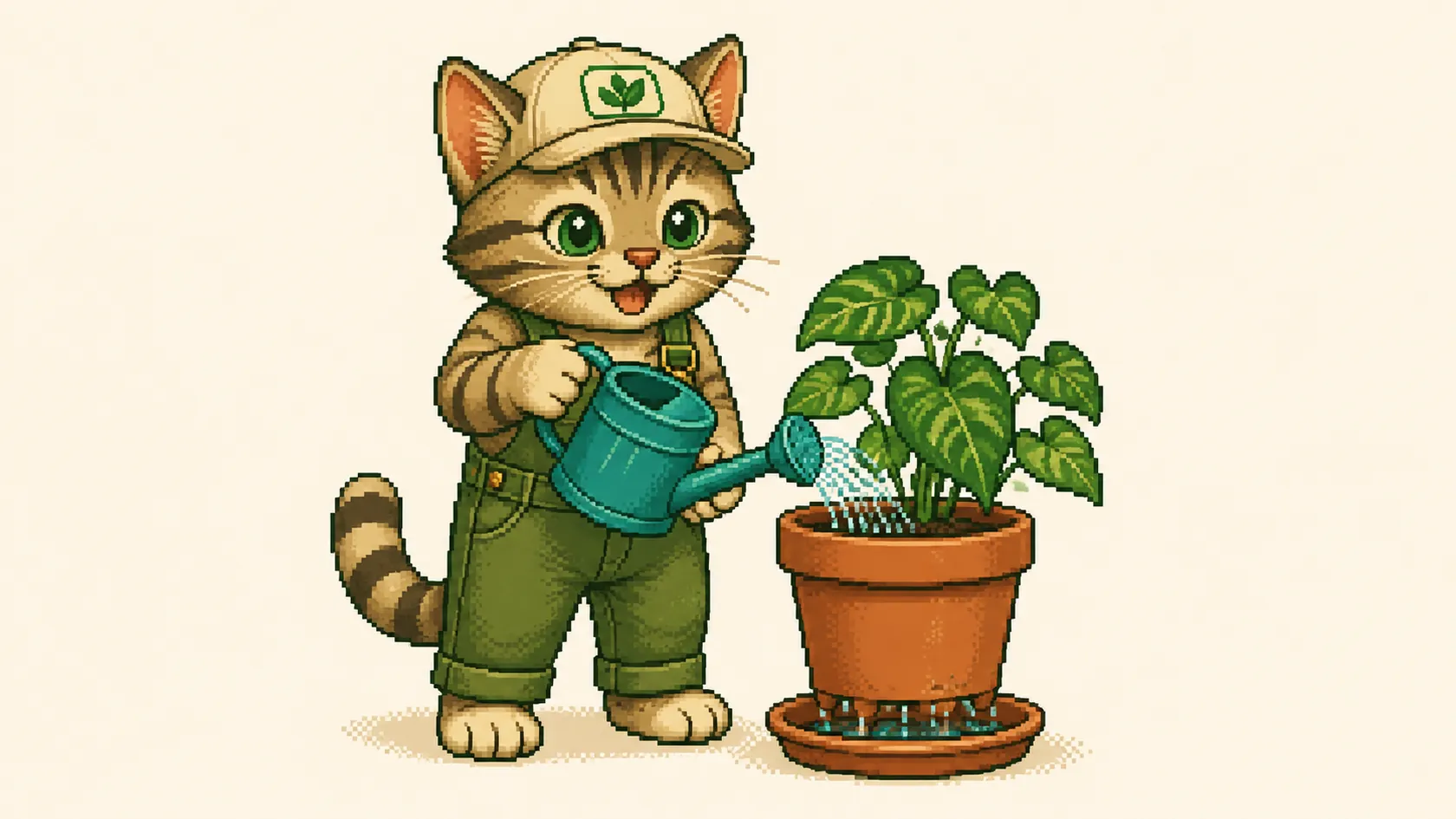
Empty the saucer twenty minutes after watering. A terracotta pot standing in a full saucer wicks that water back up into the mix, so clay is actually less forgiving here than plastic.
Check the hole when you repot. Roots and compacted mix seal it quietly over a couple of years, and a pot that used to drain stops doing so without anything visible changing.
Weight, breakage, crusting and cost
Clay chips and cracks. A pot left outside through a freeze usually splits, since the water in the porous wall expands, and a full pot dropped onto a hard floor rarely survives.
Plastic goes brittle in sunlight over years, especially thin nursery pots on a bright windowsill. It also warps under a root ball that has filled the pot completely.
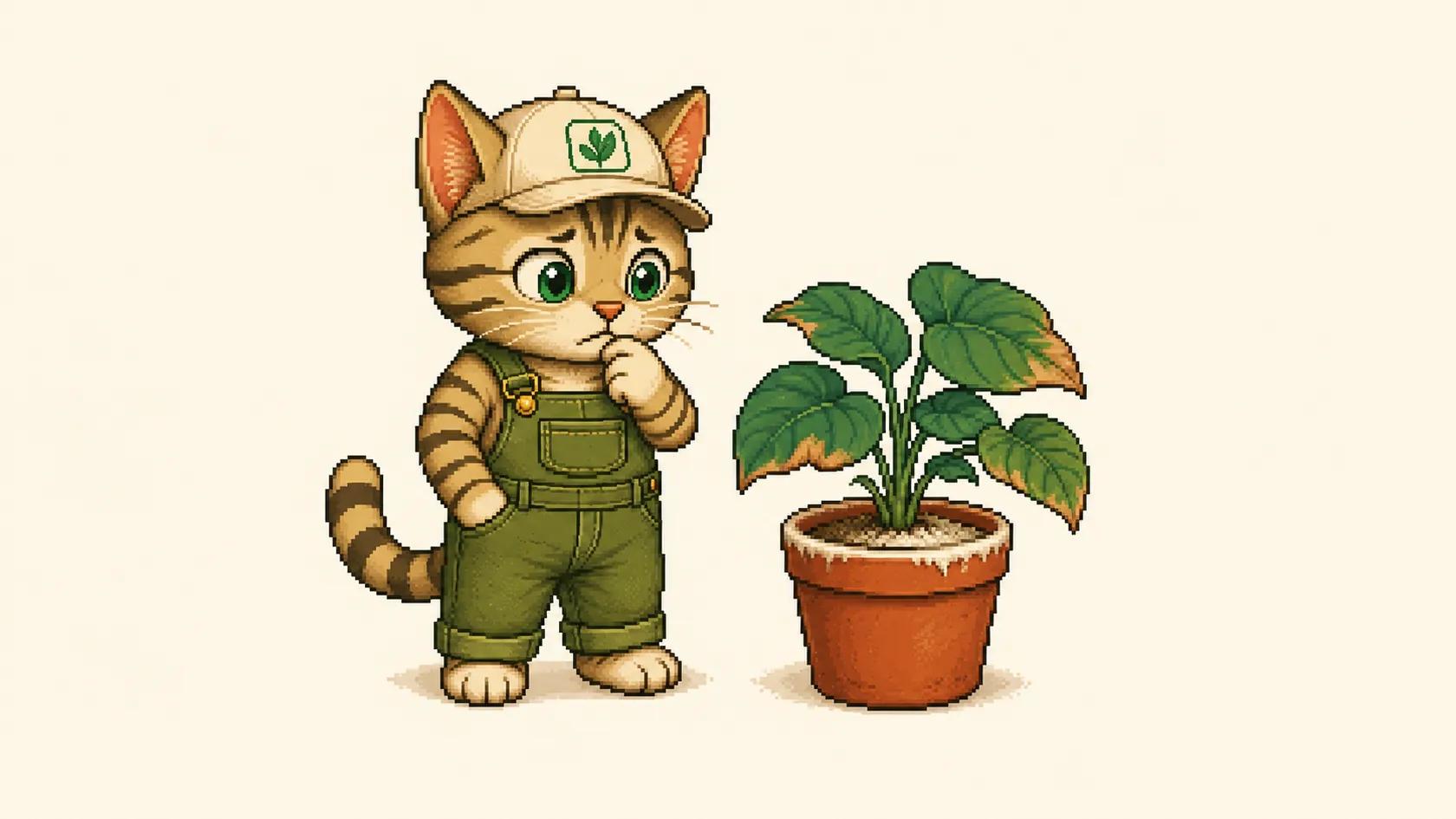
Terracotta shows a white crust on the outside where hard water and fertilizer salts evaporate through the wall. It is cosmetic, and it scrubs off with a stiff brush and hot water, with a soak in a vinegar solution for the stubborn parts before rinsing and reusing.
Clay is heavier and more expensive per pot. For a shelf of small plants that is a fair trade. For twenty pots in a growing setup it is not, which is why nurseries grow in plastic and sell into decorative pots.
Switching between the two
Change your watering, not just the pot. The same plant in terracotta needs water noticeably sooner than it did in plastic, and moving it the other way means waiting longer between waterings than the old habit says.
Check the mix rather than the interval for the first month either way. Push a finger two inches in and water only when it is dry down there, and a new rhythm settles within a few weeks.
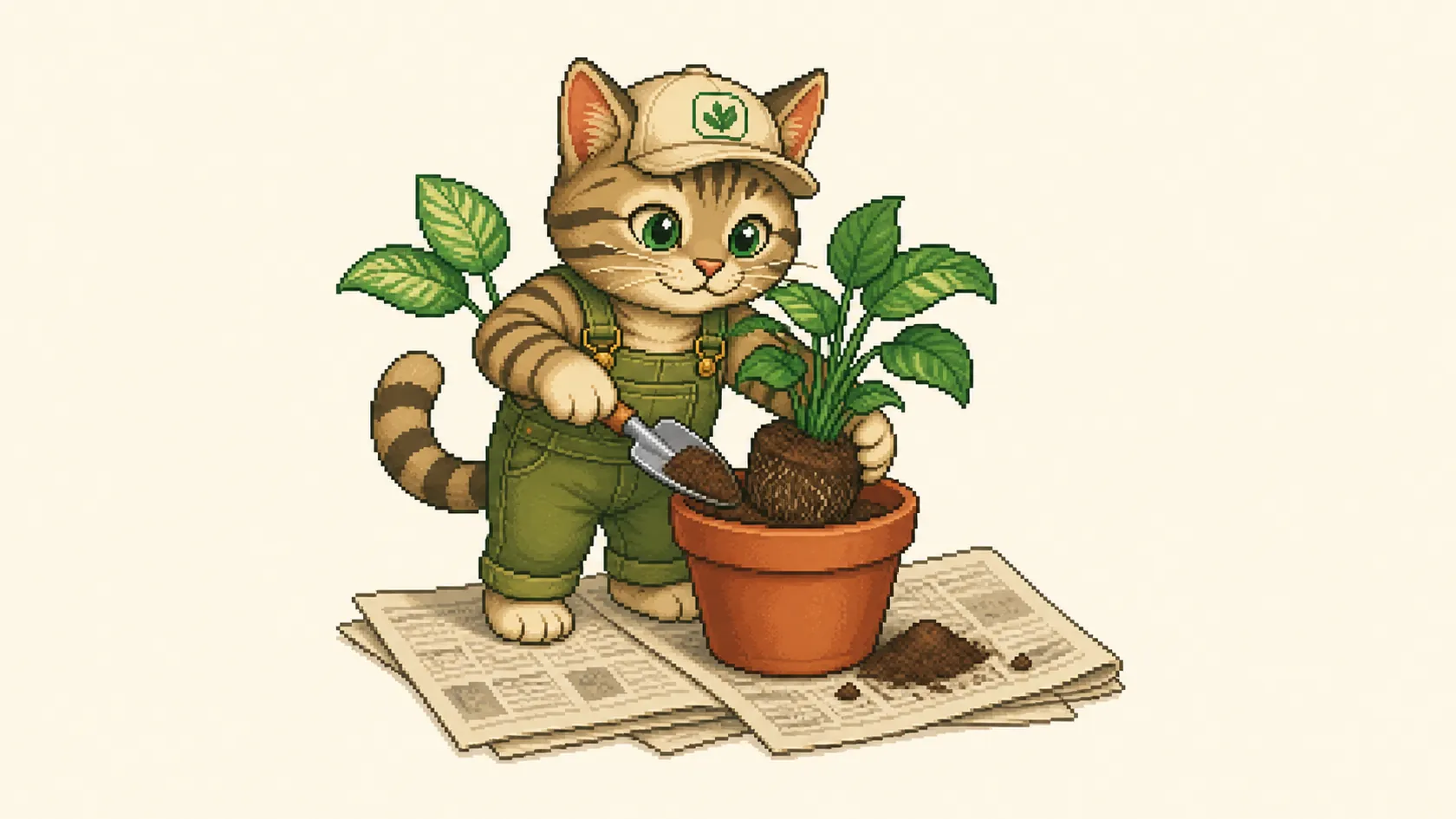
Soak a new terracotta pot in water for an hour before planting into it. Dry clay pulls water out of fresh mix immediately, which leaves a newly potted plant dry the same day.
Consider the mix at the same time. A fast-draining mix in a terracotta pot in a warm bright room can dry within a day, which is right for a cactus and too fast for almost anything else.
Clean a used pot before it takes a new plant. Scrub the salt off, rinse well, and let clay dry out fully, since the old crust and old mix carry the buildup from the last plant into the next one.
Related plants
Keep reading
Common questions
Are terracotta pots better than plastic?
Only for plants that want to dry out between waterings, since the porous wall lets water evaporate from the whole root ball. Plants that prefer even dampness do better in plastic, so the plant decides rather than the material.
Which plants should go in terracotta pots?
Cacti, succulents, jade, snake plant and ZZ plant, and anything you tend to water too often. Tall top-heavy plants benefit as well, because the weight of the clay keeps them upright.
Do plastic pots cause root rot?
The pot does not, but it holds water longer, so the same watering routine leaves the mix wet for more days. Rot comes from mix that never dries and from a pot that cannot drain, in either material.
How often do you water plants in terracotta pots?
Sooner than the same plant in plastic, though no fixed interval fits. Check two inches down with a finger and water thoroughly when it is dry there, and the pattern becomes clear within a few weeks.
What is the white residue on my terracotta pot?
Minerals from hard water and fertilizer salts that evaporate out through the porous wall. It is cosmetic. Scrub it off with a stiff brush and hot water, and soak stubborn crust in a vinegar solution before rinsing.
Do glazed ceramic pots work like terracotta?
No. The glaze seals the clay, so water leaves only from the top and the drainage hole, exactly as in plastic. Treat a glazed pot as a plastic pot when you decide how often to water.
Last reviewed: 2026-09-07