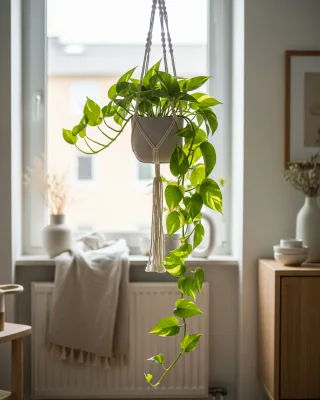
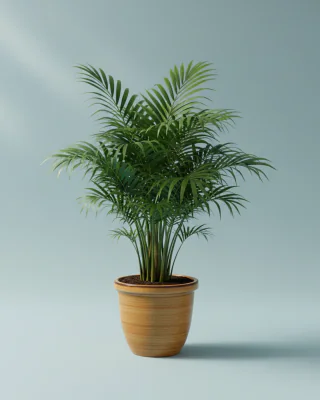
What you see
White or gray specks the size of a pinhead on wet mix that jump several inches when disturbed rather than crawling or flying.



Tiny specks that jump off the wet surface are springtails. They eat decay, not roots, and they follow wet mix.
The giveaway is the jump. Touch the wet surface or lift the pot and a scatter of white or gray specks springs several inches in one direction at once, which no other common soil resident does.
So treat the finding as information about your watering. Dry the top layer out between waterings and the population falls on its own, without anything sprayed on the plant.
Springtails are about a sixteenth of an inch long, white, gray or sometimes purple, and shaped like a short grain of rice. Under a phone camera zoom you can see six legs and a plump body with no wings.
The jump comes from a forked appendage folded under the abdomen that snaps against the ground. That is a defensive escape, not flight, and it lands them somewhere random rather than on a leaf.
They live in the top layer of the mix, on the rim of the pot, in the saucer and in any standing water. Numbers rise for a day or two after watering and drop again as the surface dries.
They also turn up in the bathroom, around a sink or in the tray under a shower plant, since they follow damp rather than plants specifically.
Look at
Constant surface damp is the whole story. Watering little and often keeps the top layer permanently wet, and that layer is where springtails feed and lay eggs.
Rich, organic mixes give them more to eat. Fresh potting mix with a lot of bark, coir or compost often arrives with a small population already in it, which then multiplies or dies back depending on how you water.
Debris on the surface feeds them directly. Fallen leaves, spent flowers, a mulch of coffee grounds or a decorative moss layer all hold water and rot slowly.
Terrariums and closed propagation boxes are their ideal home, and there they are often introduced deliberately because they clean up mold and droppings.
Not in a normal pot. Springtails feed on decomposing material and fungi and are part of what breaks organic matter down into something roots can use.
In very high numbers in seed trays they occasionally graze on the softest tissue of a germinating seedling that is already struggling in soggy mix. Even there the wet mix is the problem and the springtails are the symptom.
They do not bite people, do not carry disease into the home and do not damage the house. Finding them indoors says the mix is wet rather than that the plant has an infestation.
If leaves are yellowing, wilting or spotting, look for the cause elsewhere. A pot wet enough for springtails is usually wet enough for root problems, and that is what to check next.
Fungus gnats are the common confusion. Those are dark flying insects that rise off the surface and drift around the room, and their larvae are thin translucent maggots with a black head that do feed on fine roots.
Root aphids are pale, slow and stay clustered on the roots and the inner pot wall, often with a white waxy dust. They do not jump and they do damage the plant.
Soil mites move as slow pale dots and never spring. They are harmless in the same way springtails are.
Fine white threads that form a web through the mix are fungal growth rather than an animal. That has its own cause, again a surface that never dries.
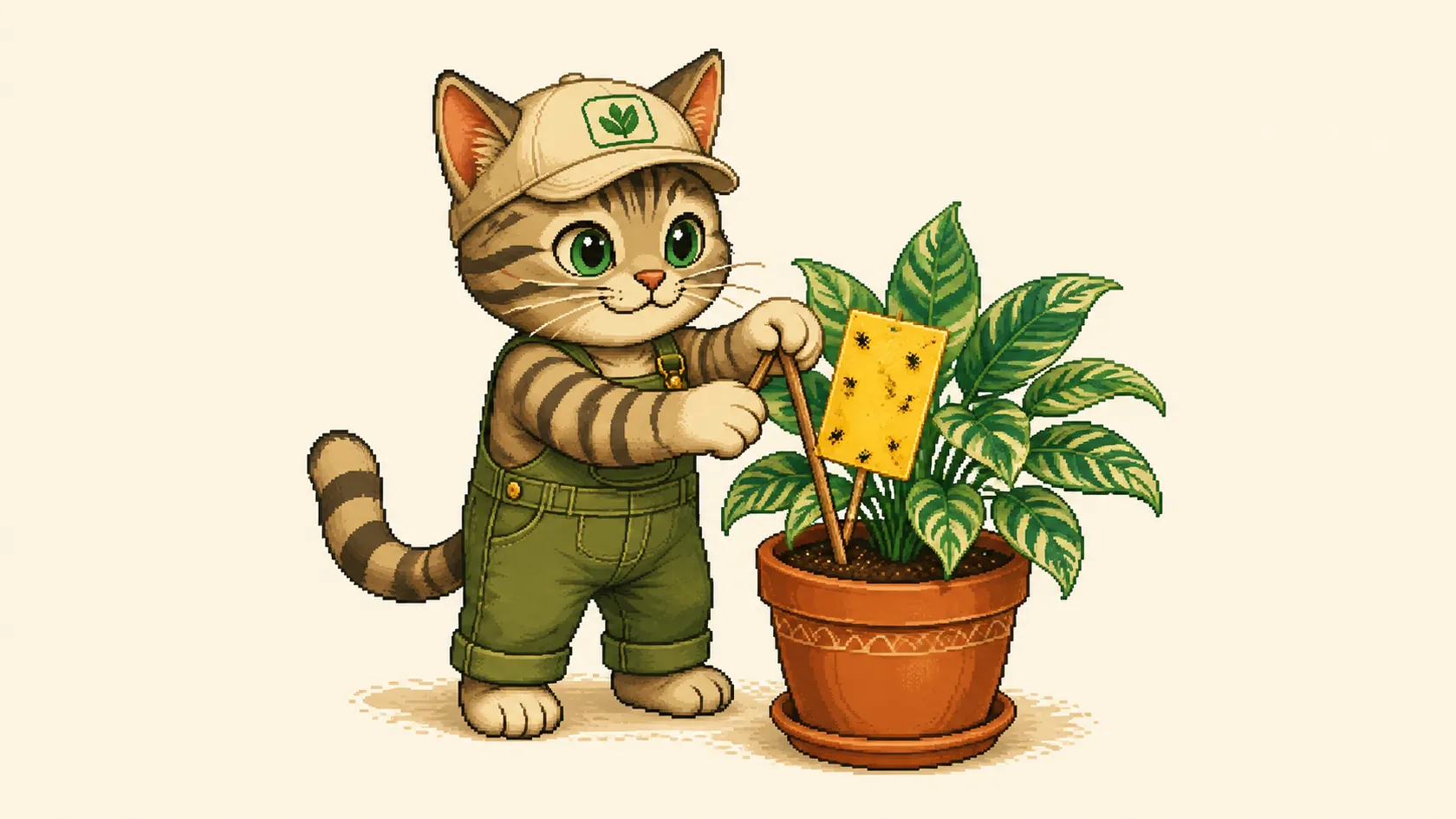
Let the top inch or two of mix dry out before you water again, and check with a finger rather than by looking. Springtails need continuous damp at the surface, and a dry layer breaks the cycle within a couple of weeks.
Water thoroughly when you do water, until it runs out of the drainage hole, then pour the saucer off half an hour later. Thorough and less often beats a splash every day for the plant as well.
Clear the surface. Take off fallen leaves, spent flowers and any decorative moss, and scrape away the top half inch if it is matted and sour.
A thin layer of coarse sand, grit or fine gravel on the surface dries fast and gives them nowhere to live. It also makes it obvious the next time the mix is staying wet.
For a pot that is badly overrun and permanently wet, repot into fresh, well-draining mix and rinse the old mix off the roots. Check while you are there whether the pot drains at all.
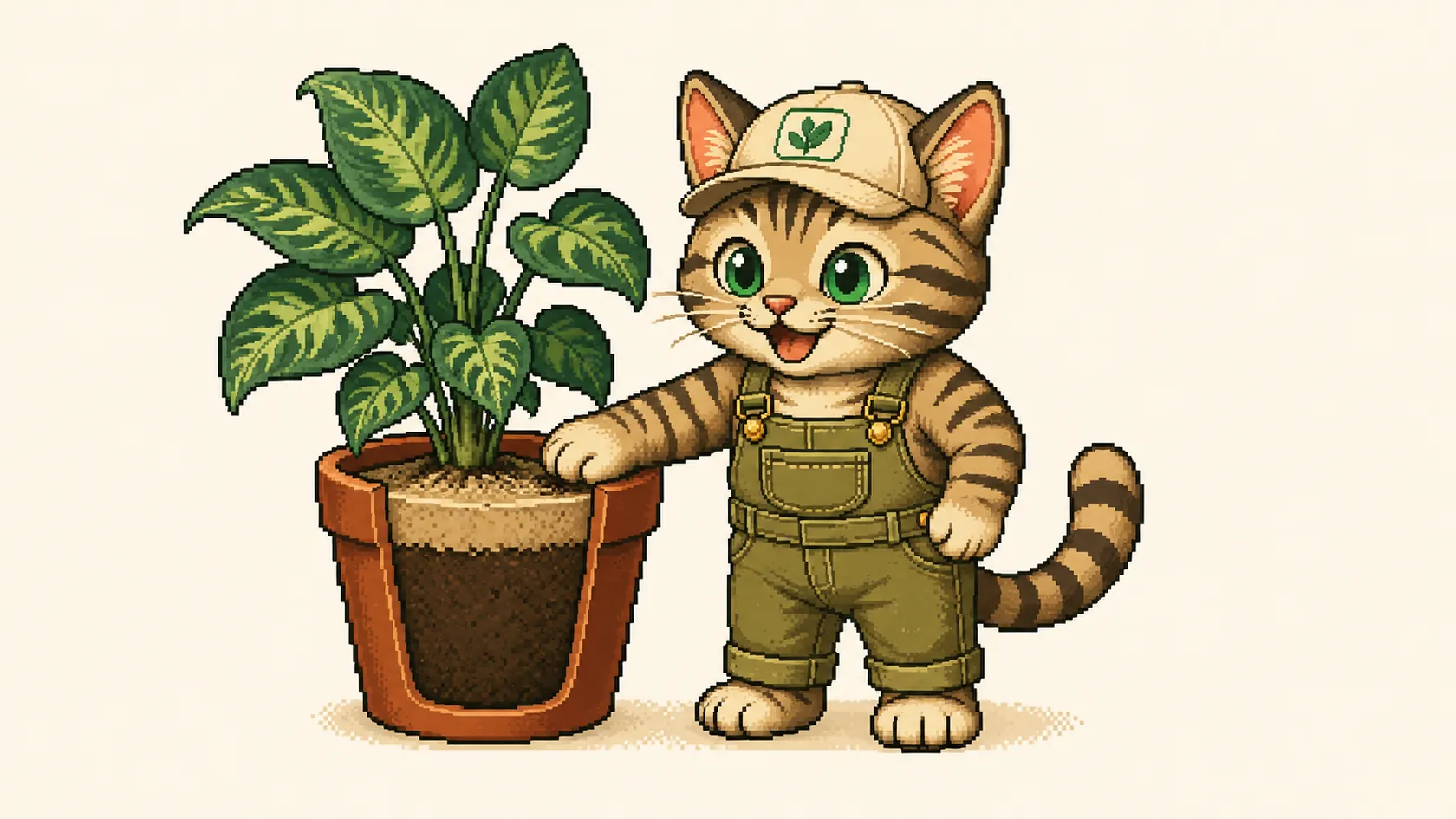
Insecticide sprays on the leaves reach nothing. The animals live in the mix, they are not feeding on the plant, and the spray leaves residue on foliage for no benefit.
Drenching the mix with dish soap solution, hydrogen peroxide or cinnamon does not deal with the cause and can damage roots. As soon as the mix is wet again the population returns.
Letting a plant wilt hard to dry the pot out costs you more than the springtails do. Dry the surface, not the whole root ball, unless the species wants that anyway.
In a closed terrarium, leave them where they are. They are doing the cleanup that keeps the glass from turning moldy.
No. They feed on decaying matter and fungi in the mix rather than on roots or leaves. Large numbers tell you the surface stays wet, and that condition is what is worth changing.
Let the top inch or two dry out between thorough waterings, clear leaves and moss off the surface, and empty the saucer. A thin layer of coarse sand on top removes the damp habitat they need.
Springtails jump off the surface and cannot fly. Fungus gnats are small dark flies that take off and drift around the room, and their larvae feed on fine roots, so those are worth treating.
No. They have no interest in people or pets, carry nothing into the home and cause no damage to the house. Finding them indoors points at damp rather than at an infestation.
Water brings them up to the surface where you can see them, and a freshly wetted top layer is where they feed. As the surface dries over the following days they retreat and the numbers look lower.
Only when the mix stays sodden however you water it, which usually means the pot drains poorly or the mix has broken down. Then repot into fresh, well-draining mix and rinse the old mix off the roots.
Last reviewed: 2026-09-07