



What a west window gives you
Morning is bright but indirect, because the sun is on the other side of the building. From mid-afternoon it comes through the glass directly and stays until it sets.
That afternoon sun lands harder on a plant than the same hours through an east window, since the room and the glass have been warming all day.
The season swings it further. In summer a west window can be the warmest place in the home, and in midwinter it may give an hour or two of weak direct light.
Anything between the sun and the plant changes the answer. A sheer curtain, a balcony above, a screen or a tree outside all turn direct sun into bright indirect light.
- At the glass: hours of direct afternoon sun in summer.
- About a yard back: bright light with little direct sun.
- To the side of the window: indirect light all day.
- Behind a sheer curtain: bright and filtered, the easiest spot for foliage plants.

Plants for the glass itself
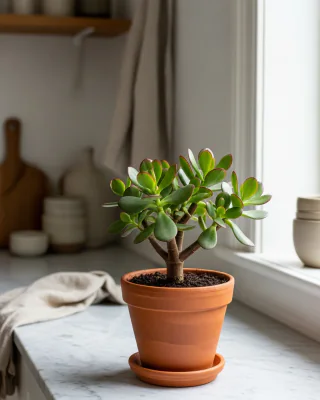
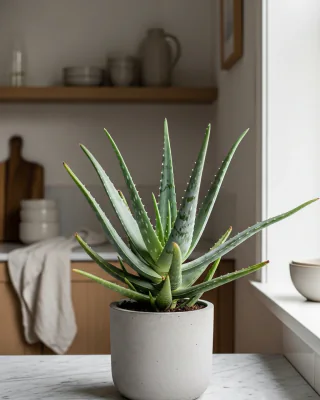
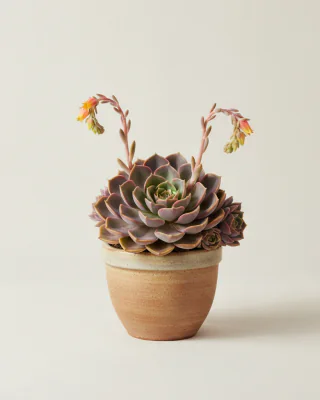
Right at the window, choose plants built for strong light. Jade plant, aloe vera, echeveria and most cacti color up there instead of burning, and the extra hours keep them compact rather than stretched.
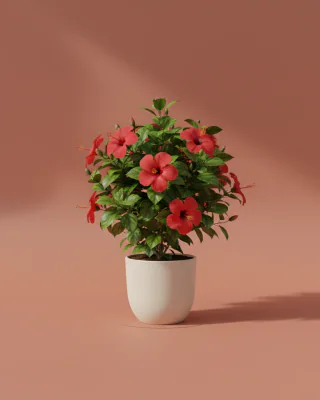
Hibiscus and geranium flower better with those afternoon hours than without them. In a spot that only ever gets indirect light, flowering usually stops after the buds the plant came home with.
Snake plant and ZZ plant take the position too, though neither needs it. They do the same job a couple of yards into the room.
A plant coming from a shadier spot has to make the move in steps. Bring it closer over two or three weeks, or the leaves facing the glass bleach to dry pale patches that never green up again.
Plants for a yard back from the glass
Set back out of the direct beam, the light is bright and steady all day, which is what most foliage houseplants want.
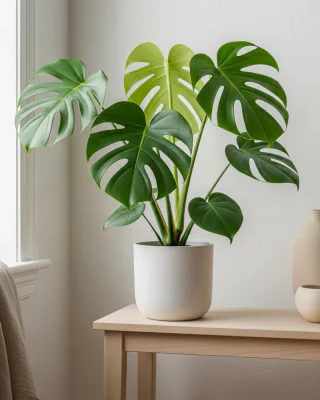
Monstera, golden pothos, rubber plant and heartleaf philodendron grow well there and keep their markings. Deeper in the room they stretch, the gaps between leaves get longer, and variegated ones fade toward plain green.
Calathea, Boston fern and other thin-leaved plants belong to the side of a west window rather than in front of it. Direct sun scorches them, and the warm afternoon air pulls water out of the leaves faster than the roots replace it.
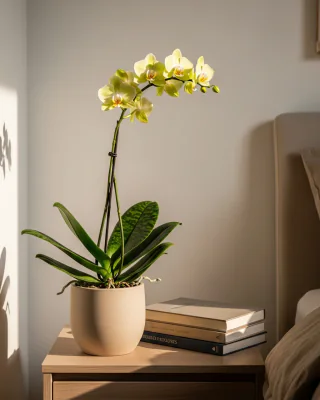
Moth orchid does well in a west window behind a curtain. Leaves that turn yellowish with a red tint are getting more sun than the plant needs.
Watering in a west window
Warm afternoon light dries a pot faster than the same plant would dry in a north window, so check by feel rather than by the day of the week. Push a finger two to three inches in. Dry means water.
Terracotta dries faster still. In a hot summer window that suits a succulent and works against a fern.
Water in the morning where you can, and pour off what stands in the saucer. Water sitting there through a hot afternoon warms up and keeps the roots wet at the worst time of day.
Do not water because the surface looks dry. In a bright window the top layer dries within a day while the ball underneath is still full.

Reading sun damage
Sunburn shows as dry bleached patches on the side facing the glass, usually in the middle of a leaf rather than at the tip. The tissue is dead and stays as it is.
It appears most after a move, and in early spring when the sun reaches further into the room than it did all winter.
Move the plant back a yard or hang a sheer curtain, then watch the new leaves. Whether they come out clean is the answer, not what the damaged ones do.
Leaves that go pale green all over with no dry patches mean the opposite. That plant is standing too far from the window, not too close.

Judging the spot over a few weeks
Stand at the window at four in the afternoon in summer and look at where the sun actually lands. The bright patch on the floor behaves like a south window, and the shaded part of the room does not.
Leave a new plant in one place for a few weeks before deciding. Growth leaning toward the window, longer gaps between leaves, and small new leaves all read as too little light.
Turn the pot a quarter turn every week or two so the plant grows evenly instead of leaning.
In winter, everything moves closer. A plant that needed a yard of distance in July often sits at the glass from November to February.
Related plants
Keep reading
Common questions
Is a west-facing window good for plants?
Yes, for most houseplants. It gives bright indirect light through the day and direct sun in the afternoon, so sun lovers at the glass and foliage plants set back from it both have a place in the same window.
What plants are best for a west-facing window?
At the glass, jade plant, aloe vera, echeveria, cacti, hibiscus and geranium. A yard back, monstera, golden pothos, rubber plant and heartleaf philodendron, with a moth orchid behind a sheer curtain.
Is a west window too hot in summer?
It can be. The sun arrives after the room has warmed all day, so a plant at the glass sits in the warmest place in the home. A sheer curtain or a yard of distance settles it.
Do succulents do well in a west-facing window?
They do well right at the glass, where the afternoon hours keep them compact. A succulent that has been standing in a dim spot has to be moved closer over two or three weeks, or it bleaches.
Which is better, a west window or an east window?
East gives gentle morning sun and stays cooler, which suits ferns, calathea and African violet. West gives stronger, warmer afternoon sun, which suits succulents and flowering plants. Both are bright enough for foliage plants set back from the glass.
How far from a west window should a plant stand?
Sun lovers at the glass, foliage plants about a yard back or to the side. A plant leaning toward the window or opening small new leaves is standing too far away.
Last reviewed: 2026-09-07