



So the decision is not between bright and dark. It is between sun landing on the leaf and a spot a yard further into the room that is still very bright.
What actually happens at a south window
The leaves get several hours of direct sun a day. Add the heat that builds between the glass and the sill, especially when the window stays closed and there is no shade.
The mix dries out faster there than at any other window. A small pot on a sunny sill can dry through in a single day in high summer.
The same window looks completely different in winter. The sun sits low, the light coming in is much weaker, and there is usually a radiator under the sill. The same spot is then a dry place with little light.
Look at what stands outside. A south window under a balcony, a tree or an overhang behaves in summer more like a very bright spot without hard midday sun.
Species that want direct sun
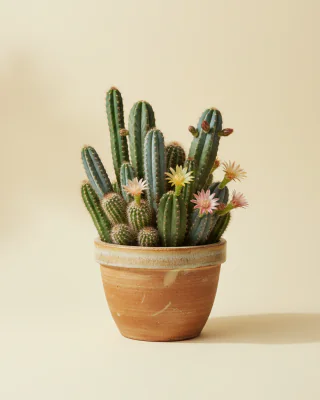
Cacti are the obvious choice. They need plenty of light to stay compact, and indoors they only get that at a south window. In winter most of them stand cooler and much drier.
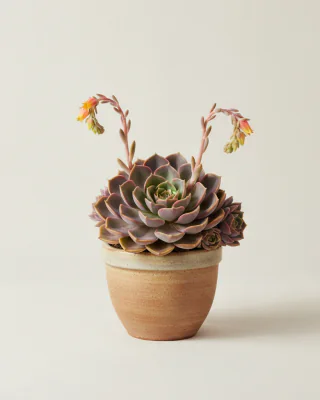
Echeveria and other leaf succulents show their strong color and short gaps between leaves in a sunny spot. In too little light they stretch pale and tall.
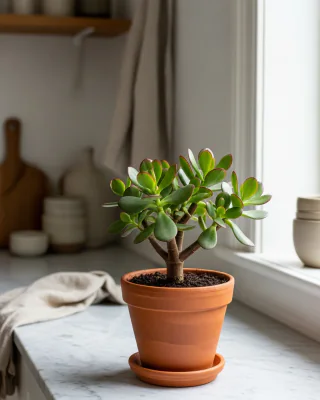
Jade plant takes full sun once it is used to it and stores water in its thick leaves. It is one of the most straightforward candidates for the sill.
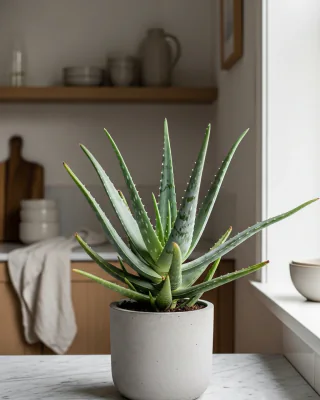
Aloe vera also likes it bright and sunny. It needs a pot that drains well and an open mix, because it handles wet soil badly.
Ponytail palm stores water in its swollen base and does well in a sunny, warm spot. It grows slowly and holds its shape for years.
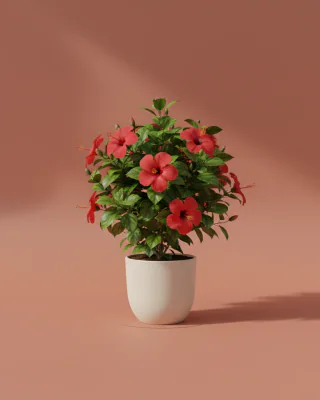
Hibiscus flowers most reliably in strong light and needs far more water than the succulents on this list. It answers dryness by dropping buds.
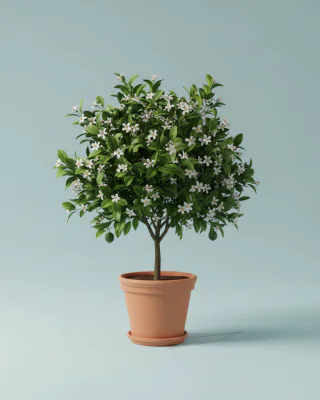
An indoor lemon tree wants as much summer sun as it can get and a bright, cooler spot in winter. A south window with a radiator under it is a poor place to overwinter it.
Bougainvillea needs full sun to set flowers at all, and in too little light it stays a frame of leaves with no color.
Snake plant does as well at a south window as in part shade. In the sun it grows faster and takes a little more water.
Whether any of these species is a problem around pets or children is covered in its own care guide.
What belongs a yard further back
Monstera, golden pothos, calathea, ferns and most philodendrons grow under trees where they come from. Direct midday sun bleaches their leaves and leaves dry pale patches that never go back.
Three to six feet beside or behind the window they still stand very bright, without sun landing on the leaf. At a south window that position is the most productive one in the whole home.
A sheer curtain or a blind turns hard midday sun into filtered light. That lets you use the same sill for more sensitive species.
Orchids are a special case. The moth orchid wants plenty of light and burns in midday sun. Behind a curtain, or off to the side of a south window, is where it belongs.
Getting a plant used to the sun
Even a sun-tolerant plant burns if it comes straight from the garden center or from a dark corner into full sun. Its leaves are set up for the weaker light it had.
Put it to the side or behind a sheer curtain for two or three weeks first, then move it closer to the glass step by step.
The same goes in spring for plants that spent the winter at that window. The sun gets stronger fast from February on, and last year’s leaves are not ready for it.
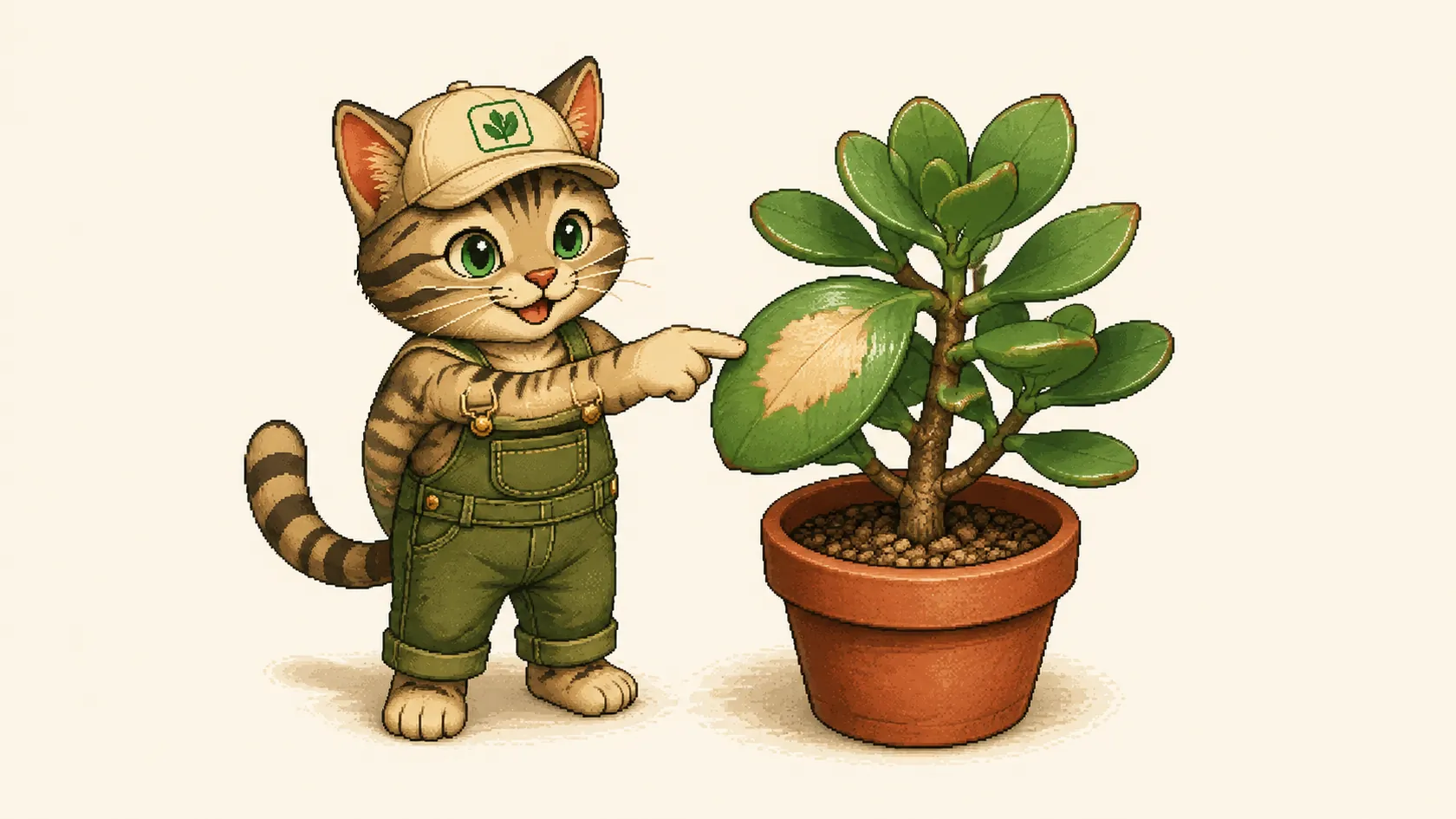
Sunburn looks like bleached, dry areas in the middle of the leaf, often on the side that faced the glass. Those areas do not turn green again. Move the plant back and judge the result by the new growth.
Watering and pots at a south window
On a sunny sill you water more often than anywhere else in the home, and the finger test still decides. Feel an inch or two into the soil and water only when it is dry there.
Then water until it runs out the bottom, and empty the saucer after about twenty minutes. With cacti and succulents the saucer stays completely dry after watering.
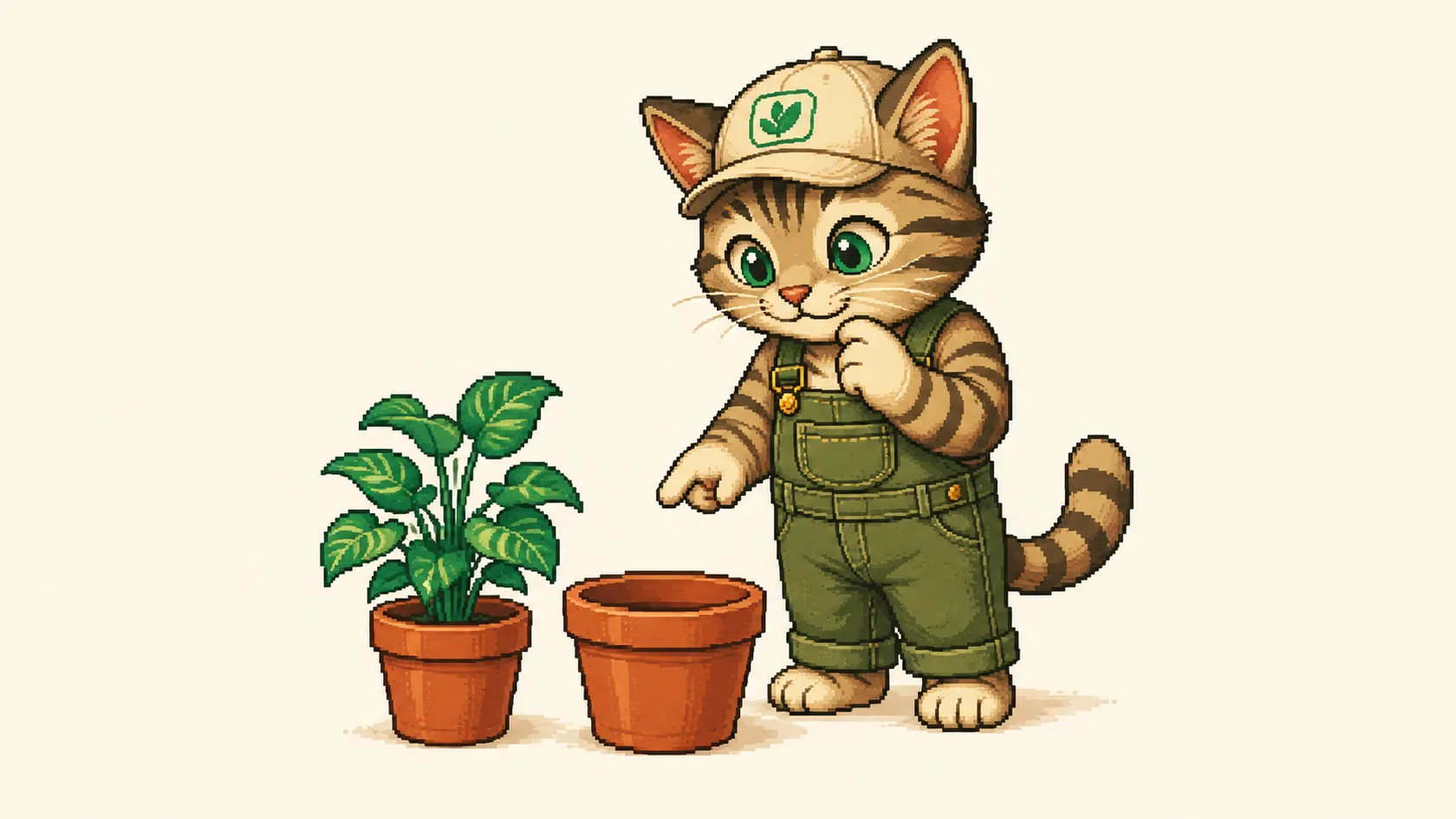
A terracotta pot gives off moisture through its wall and keeps the root ball cooler. For succulents at a south window that is an advantage, and for thirsty plants like hibiscus it means extra waterings.
Keep dark pots out of direct sun. They heat up, and warm wet soil is exactly the state in which roots take damage.
Larger pots buffer better. A small one in full sun dries through faster than any routine keeps up with.
Summer and winter in the same spot
In high summer heat builds up behind closed windows. Air the room out on hot days without putting the plants in the cold stream, or move sensitive pots out of the way over midday.
In winter the radiator runs under the sill. Warm dry air from below and a cold pane in front meet on the same plant, and a spot slightly to the side helps.
Most species barely grow in winter. Water more sparingly then and do not feed, because a plant that is not growing does not take up the nutrients.
Reading leaf damage at a south window
Dry, pale patches in the middle of the leaf point to sun. They sit where the light lands directly and stop spreading once the plant is moved.
Dry edges and tips on an otherwise green leaf point more to a shortage of water or dry air. The pot is usually light then and the root ball has pulled away from the rim.
Fine pale speckling across the leaf surface and faint webbing in the axils point to spider mites. They breed especially fast in warm, dry air, which is why they turn up more often at south windows.
Change one thing and watch for a week or two. Leaves that are already damaged do not recover, and the new growth tells you whether the spot is right now.
Related plants
Keep reading
Common questions
What houseplants can take direct sunlight?
Cacti, leaf succulents such as echeveria, jade plant, aloe vera and ponytail palm, plus flowering species like hibiscus, bougainvillea and citrus. All of them need acclimating if they stood darker before.
What plants are best for a south-facing window?
On the sill itself, the sun-tolerant species. Three to six feet to the side, or behind a sheer curtain, Monstera, golden pothos and orchids work too, because it is very bright there without sun on the leaf.
How do I fix sunburn on plant leaves?
Move the plant out of direct midday sun and reintroduce it to more light gradually. The bleached areas will not turn green again, and you can cut off badly damaged leaves. The new growth shows whether the change worked.
How often do I water plants in a south-facing window?
More often than in the rest of the room, and still by the finger test. Small pots in full sun can dry through daily in high summer, and the same plant at the same window needs a fraction of that in winter.
Can a Monstera take direct sun?
Not full midday sun. The leaves bleach and pick up dry patches. A very bright spot set back from a south window, or behind a sheer curtain, suits it well.
Does a curtain help at a south-facing window?
Yes. A light, pale curtain or a blind turns hard midday sun into filtered light and cuts the heat on the sill at the same time. That makes the same spot usable for more sensitive species.
Last reviewed: 2026-09-07