



What an east window gives a plant
Morning sun is the mild part of the day. The light is direct, so it counts as real sun for a plant that needs some, and it lands before the room has heated up, so leaves lose less water while it does.
By late morning the direct beam has gone and the window delivers bright indirect light for the rest of the day. Most foliage houseplants grow well on exactly that.
The window is bright enough for plants that want good light and gentle enough for plants that scorch in the afternoon. Very few positions in a home do both.
What the window faces matters as much as the compass. A tree, a balcony above, or a building close opposite takes the morning sun away and leaves you with a north window in practice.
Plants that do well on an east sill
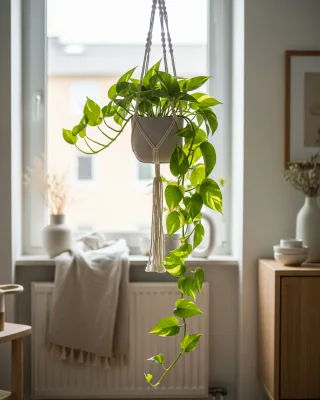
Golden pothos takes the light without complaint and keeps its variegation better here than in a dim corner. It also tells you plainly when it is thirsty.
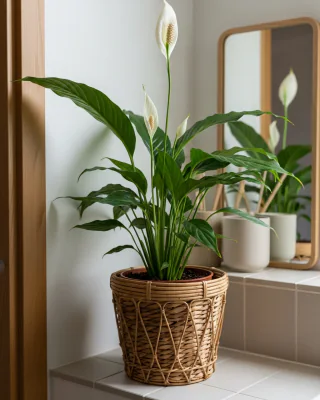
Peace lily flowers more reliably in this kind of light than in the shade it is usually sold for, and it stays out of the afternoon sun that browns its leaf edges.
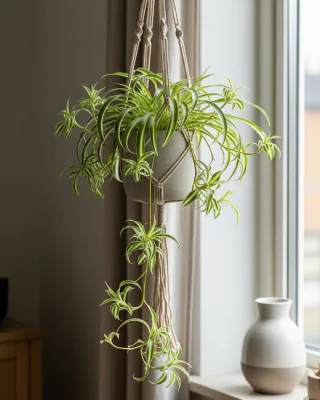
Spider plant likes the brightness and produces more offsets in it, with none of the pale tip burn that a hot window can cause.
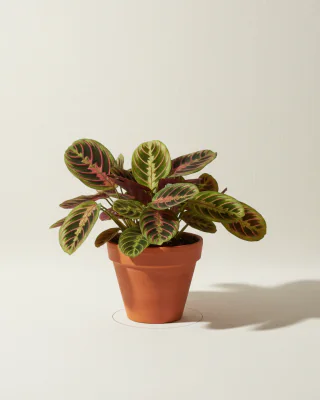
Prayer plant and calathea suit the position because the direct light is short and early. Both mark in strong afternoon sun and both look flat in a dark corner.
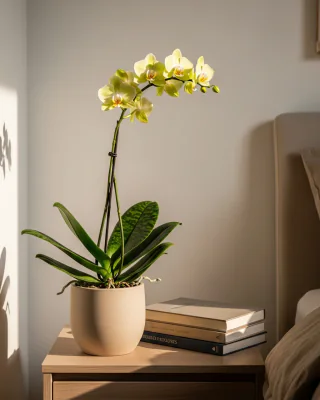
Moth orchid is a classic east window plant. Gentle morning light supports flowering, and the leaves stay dark green rather than reddening the way they do in hard sun.
Chinese evergreen and heartleaf philodendron both grow steadily in the bright indirect part of the day and need no special position on the sill.
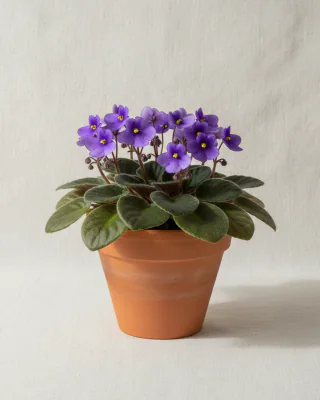
African violet flowers well in morning light and stays compact, where a darker spot leaves it stretched and shy of flowering.
Monstera puts out larger leaves here than in a dim room, as long as it stands a little back from the glass rather than pressed against it.
Each of these plants has its own care guide, and any toxicity or pet safety information belongs there rather than on this page.

Plants that will want more
Cacti, most succulents, string of pearls and other sun plants take the morning light and then wait through a long dim afternoon. They stretch, pale and lean toward the glass over a season.
Flowering plants that need strong light, such as hibiscus and citrus, flower poorly here compared with a south or west window.
A plant leaning hard toward the window, growing with long gaps between leaves, or losing its variegation is asking for more light. Move it onto the sill itself, or to a brighter window.
In a room where the east window is the only one, a grow light extends the bright hours for those plants without moving them.
Where to stand the plant
Light falls away quickly with distance from the glass. A plant on the sill and the same plant six feet into the room are in different conditions, whatever the window faces.
Sun plants go on the sill. Foliage plants that want bright indirect light do well on the sill or just beside it, and the shade tolerant ones can sit a little further back.
Keep leaves off the glass in winter. The pane runs much colder than the room and a leaf resting on it takes cold damage overnight.
Turn the pot a quarter every couple of weeks. Plants grow toward the light, and turning keeps the shape even rather than one sided.

How the window changes through the year
The sun rises further north in summer and further south in winter, so an east window that gets a long slice of morning sun in June may get almost none in December.
Winter is the tighter season. Growth slows, the plant uses less water, and a spot that was comfortable in summer can be too dim. Moving plants closer to the glass for the winter months is a normal adjustment.
In summer, an east window with no shade outside can carry more heat than expected on long mornings. A plant with thin leaves that starts showing pale patches on the window side wants a step back or a thin curtain.
Watch the new growth rather than the calendar. Leaves that come out smaller and paler than the ones before them mean the light is no longer enough.
Watering at an east window
Plants in brighter light use more water than the same plants in a dim corner, so a pot on an east sill dries out faster than one across the room.
The decision still comes from the mix. Feel it an inch or two down and water only if it is dry there, because light changes the pace and not the rule.
A sill above a radiator is a separate problem. The rising warm air dries leaf tips and speeds the pot up, so either move the plant off the heat or check it more often through the heating season.
Water in the morning where you can. The pot has the whole day to take it up, and leaves that get splashed dry before evening.

Related plants
Keep reading
Common questions
What plants are best for an east facing window?
Foliage plants that want bright indirect light with a little gentle sun. Golden pothos, peace lily, spider plant, prayer plant, calathea, moth orchid, Chinese evergreen, philodendron, African violet and monstera all suit the position.
Is an east facing window enough light for houseplants?
For most of them, yes. It gives a few hours of mild direct sun and bright light afterward, which covers the majority of tropical foliage plants. Cacti, succulents and heavy flowering plants want more.
Can succulents grow in an east facing window?
They survive there and usually stretch over time, because the direct light stops by late morning. Keep them right on the sill, watch for long gaps between leaves, and consider a brighter window or a grow light if they lean and pale.
Do plants get sunburned in an east facing window?
Rarely, because the direct sun arrives while it is still low and the room is cool. A thin leaved plant pressed against the glass on long summer mornings can still bleach, and a step back from the pane fixes it.
Is an east or west facing window better for plants?
East light is gentler, since the sun arrives before the room warms up. West light is stronger and hotter in the afternoon, which suits sun lovers and scorches thin leaved plants that would be fine on the east side.
How far from an east window should plants sit?
Sun lovers go on the sill itself. Bright indirect plants do well on the sill or just beside it, and shade tolerant ones can sit further back. Light drops off quickly with distance, so a few feet makes a real difference.
Last reviewed: 2026-09-07