



So the list of species matters less than one habit. Check the soil before every watering and the same plants last for years.
What actually kills a tough plant
Roots need air as well as water. Soil that stays wet fills the gaps between the particles, the roots suffocate, and rot follows in the dark and airless pot.
The signs read like thirst, which is the trap. Limp leaves, yellowing and a droopy plant all show up when roots have rotted, because a rotted root cannot take up water. Watering again then makes it worse.
The species on this list are especially easy to overwater because they show almost nothing for weeks. A snake plant looks fine right up until the base goes soft.
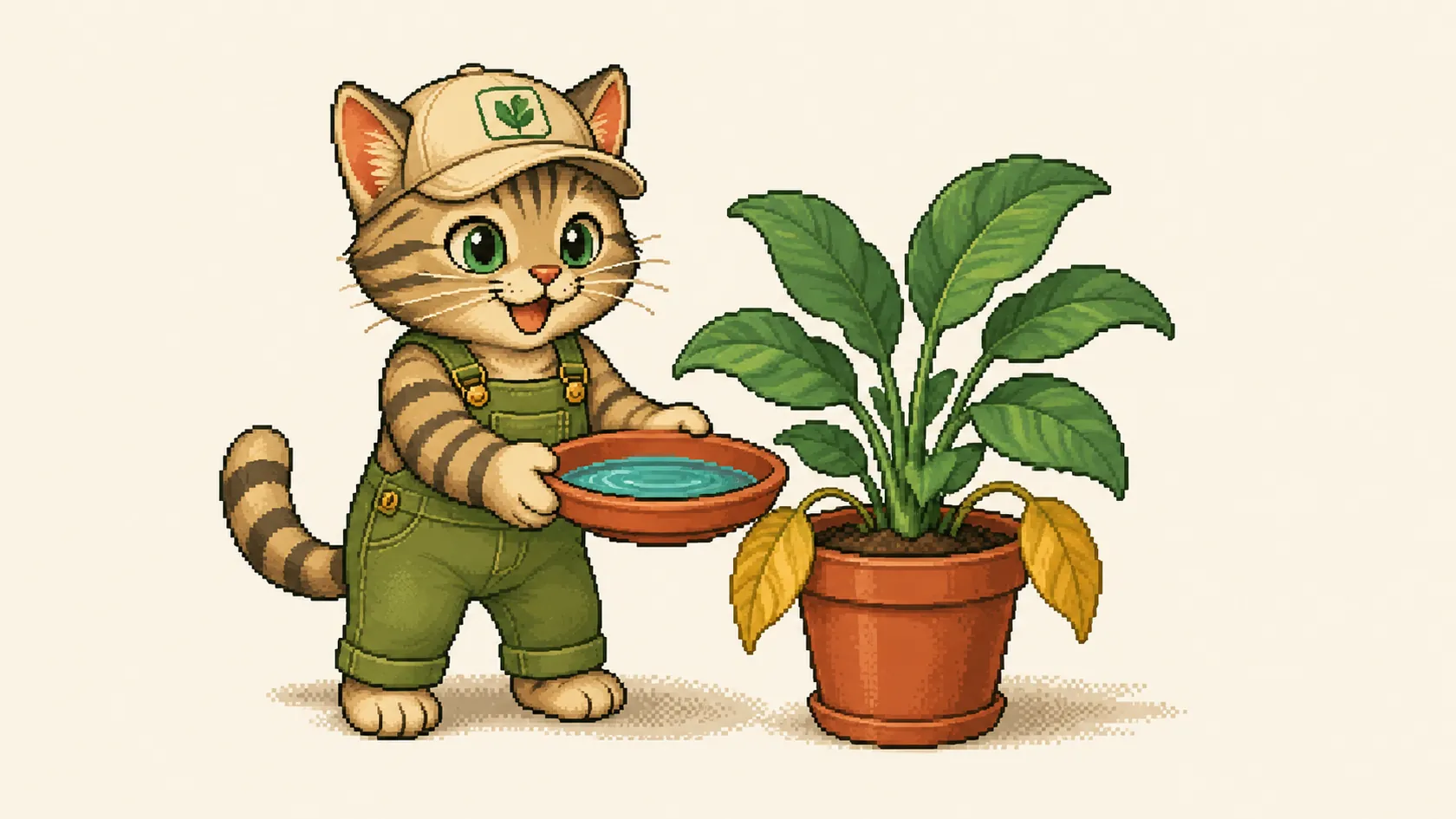
The other real killer is a decorative pot with no way out. Water runs through the soil, collects in the outer pot where nobody looks, and the root ball stands in it.
The species that forgive the most
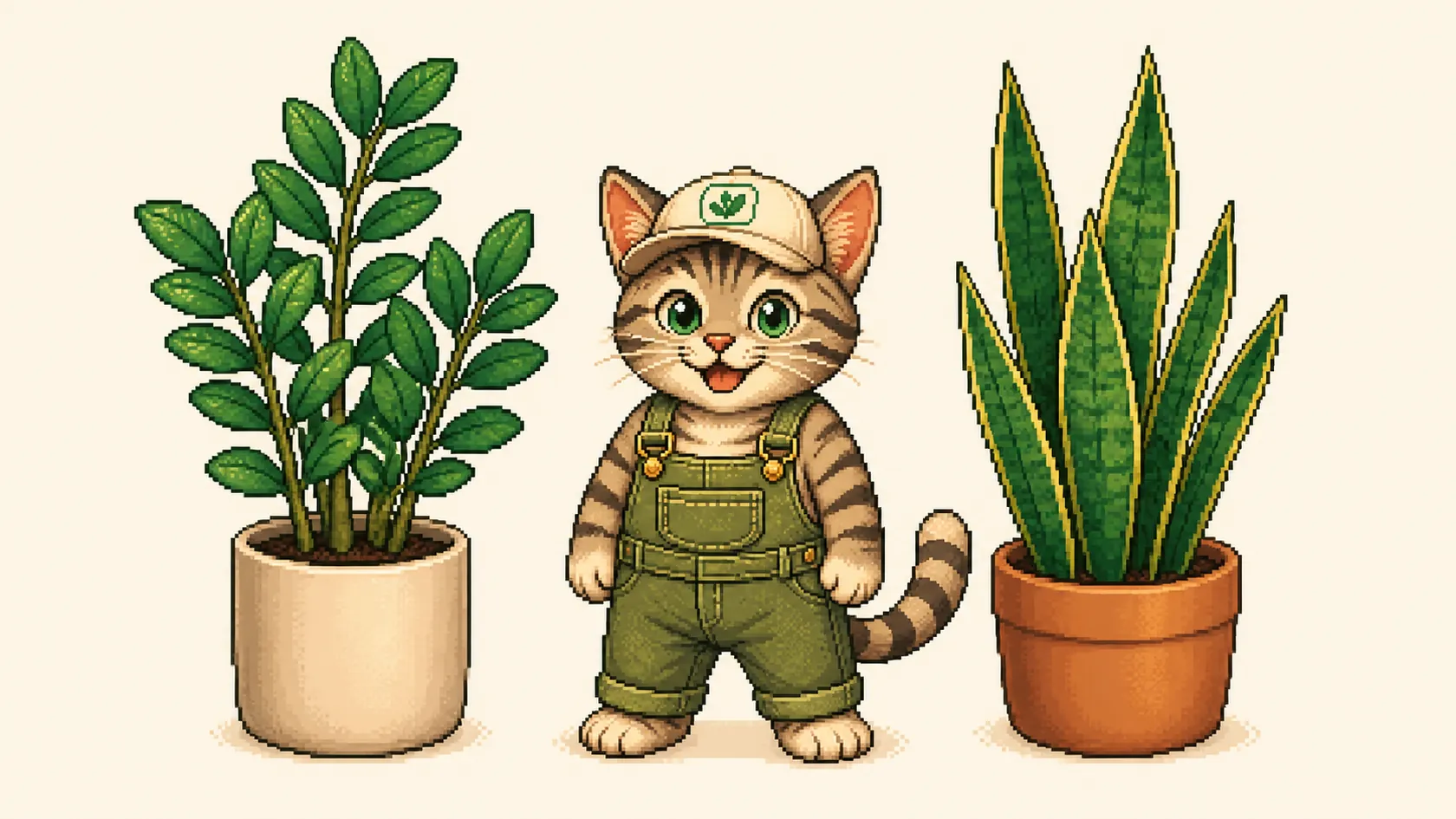
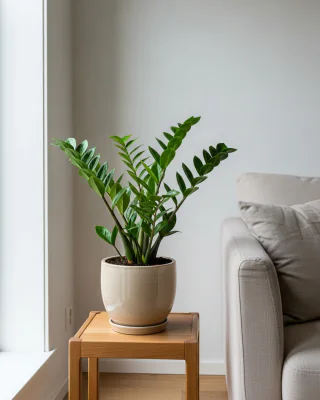
ZZ plant is the toughest of the common houseplants. It stores water in thick rhizomes and stalks, stands well back from a window and goes weeks between waterings.
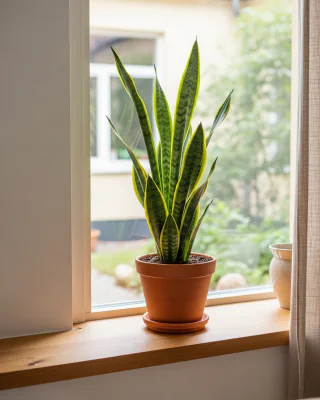
Snake plant is next. Upright, narrow, happy in a range of light and reliably killed only by wet soil.
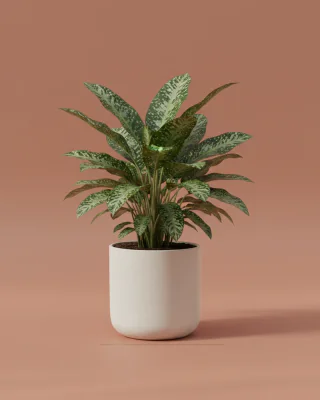
Cast-iron plant takes the spots nobody else will, including a cool dim hallway. It grows very slowly and asks for very little.
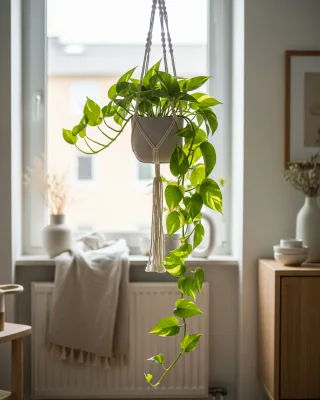
Golden pothos is the forgiving trailer. It handles moderate light, tells you plainly when it is thirsty by going limp, and recovers quickly after a drink.
Heartleaf philodendron does the same with softer leaves and copes with an irregular routine.
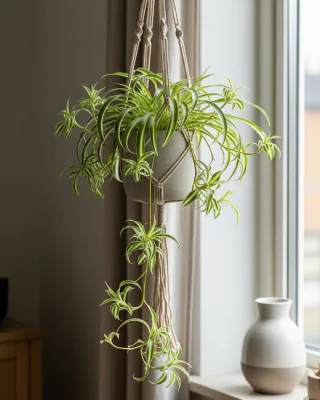
Spider plant grows fast enough to feel rewarding and shrugs off a missed week. It answers hard water with brown leaf tips and keeps growing anyway.
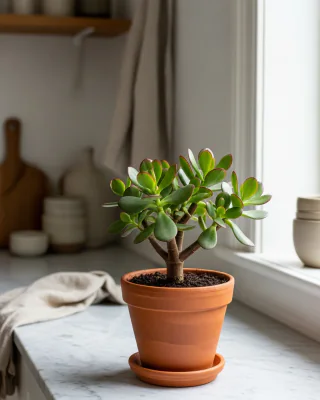
Jade plant stores water in its leaves and does best when the soil dries right out between waterings. It wants a bright spot in return.
Dragon tree grows narrow and upright, takes little floor space and puts up with dim corners. Hard tap water shows on the leaf tips.
Ponytail palm keeps a reserve in its swollen base and is happier forgotten than fussed over.
Wax plant tolerates long dry gaps and rewards a bright spot with flowers. It dislikes being moved once it settles.
Whether a species is a problem around pets or children is covered in that plant’s own care guide.
Watering without a schedule
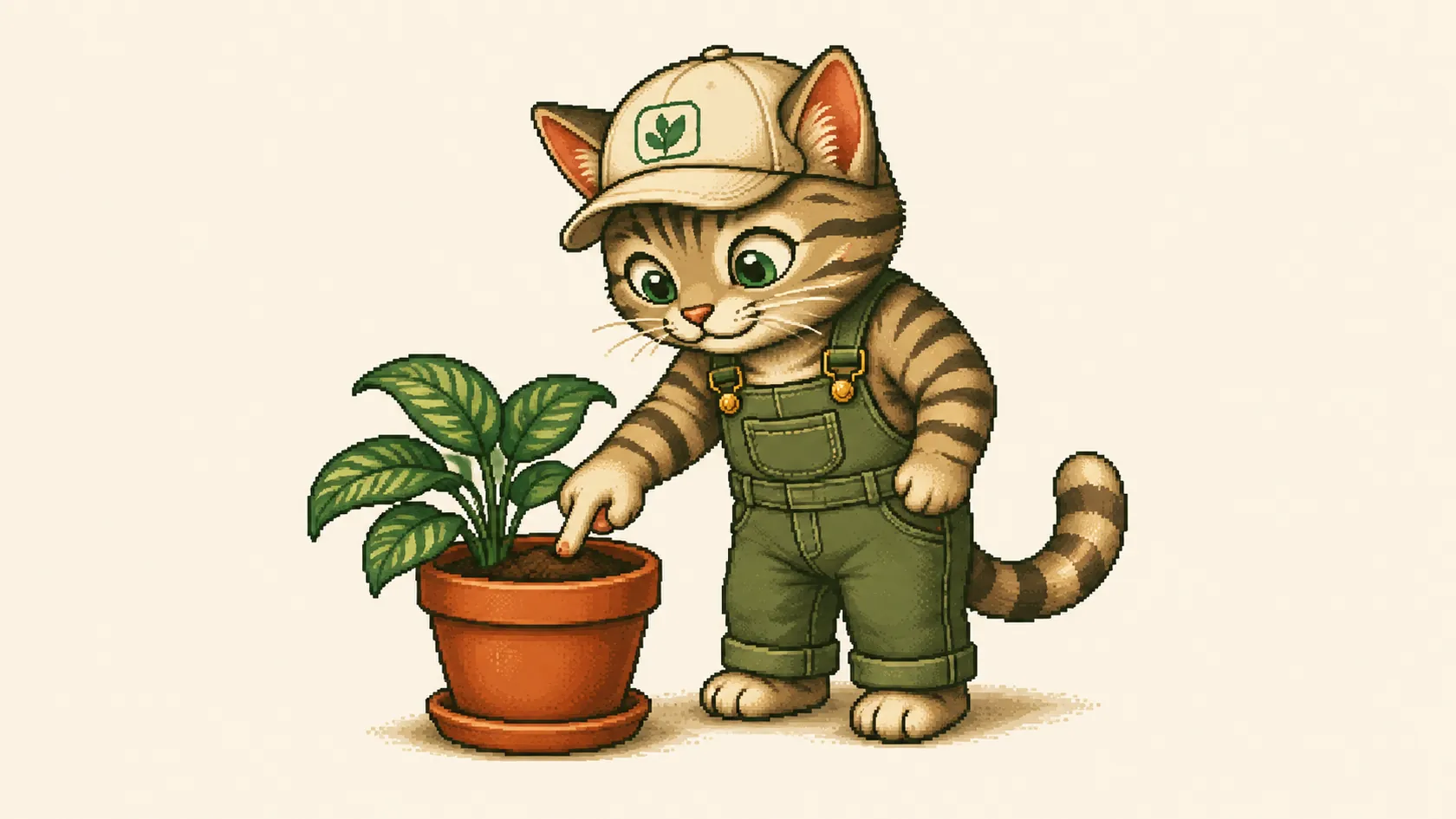
Push a finger an inch or two into the soil before every watering. For most plants on this list, wait until it is dry that far down, and for the water-storing ones wait until the whole pot is dry.
Pot weight is the quicker check for a shelf of plants. Lift each pot right after watering so you know what full feels like, and a light pot then tells you the answer without touching the soil.
Water until it runs out of the drainage hole. A splash on the surface wets the top inch and leaves the roots below it dry, which is how a plant can be both overwatered and thirsty.
Empty the saucer or the cachepot half an hour later. This one step prevents most of the deaths on this page.
In winter these plants use much less water. The gap between waterings gets longer on its own, and the finger test is what tells you by how much.
The pot does half the work
The pot the plant actually sits in needs an open hole in the bottom, even when it disappears inside something prettier.
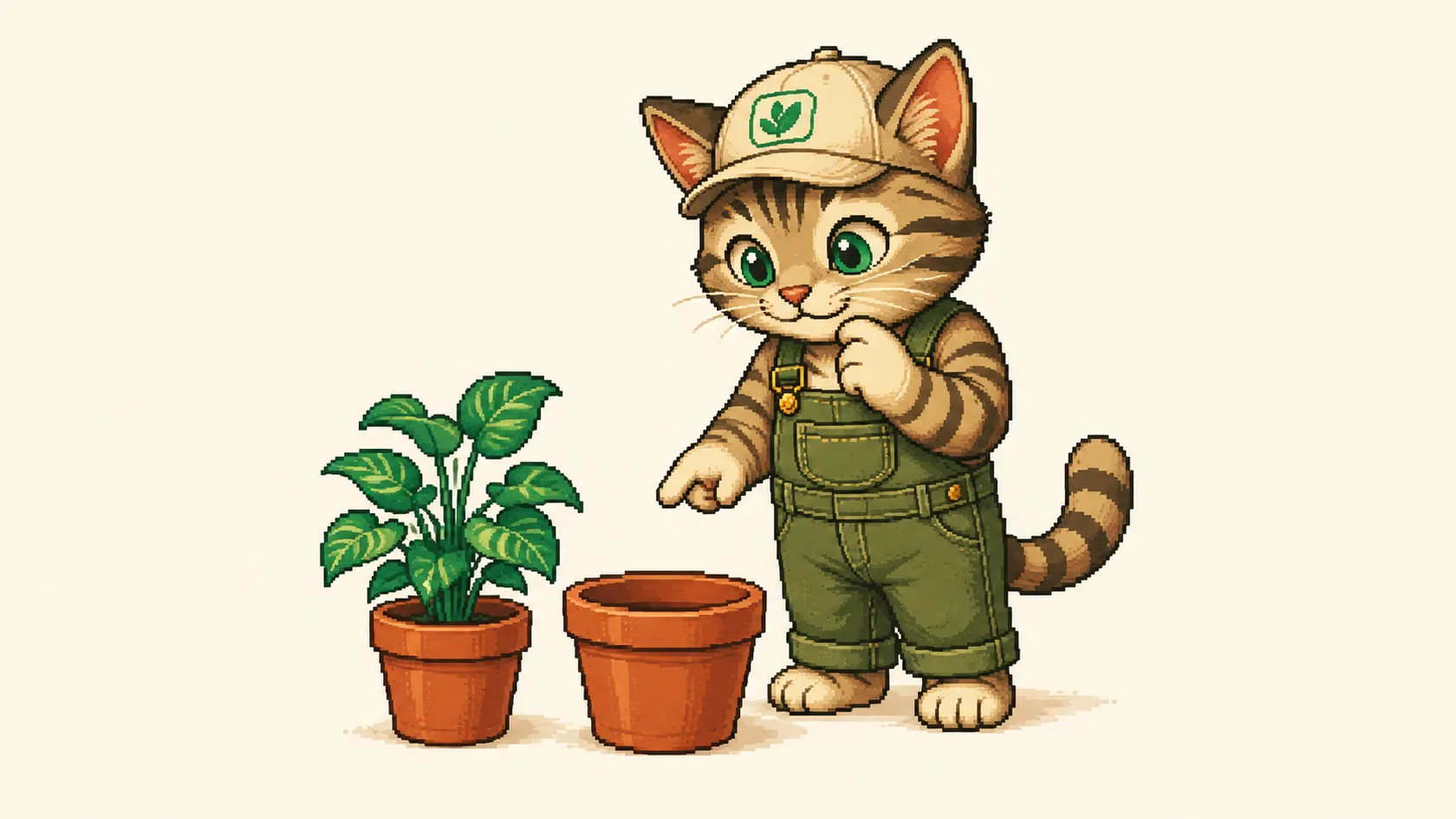
Choose the smaller pot rather than the larger one. A lot of soil with no roots in it holds water for weeks, and that is the condition these plants dislike most.
Terracotta helps if you tend to water too much, because it loses water through the walls. Plastic holds it longer and suits someone who forgets.
An open mix matters more than the brand of the bag. Ordinary potting soil with a handful of perlite or coarse bark stirred through it drains better and lets the roots breathe.
Tough does not mean no light
Every plant here still needs daylight. They tolerate a dim corner by growing slowly, which is a different thing from managing without light.
In a windowless room none of them lasts. Either a grow light runs several hours a day, or you swap the plant with one from a bright room every couple of weeks.
Jade plant and wax plant are the exceptions on the list. Both want a genuinely bright spot, and in a dark corner they stretch and go pale.
Watch for stretched growth with long gaps between small leaves. That is the plant asking for more light, and moving it a few feet closer to the window usually settles it.
Feeding and repotting stay rare
Slow growers use little fertilizer. Feed only while the plant is putting out new leaves, and skip it entirely through the dark months.
Fertilizer that the plant does not use stays in the pot. A white crust on the soil or the pot rim, along with brown leaf tips, means it is time to flush the pot through with plenty of plain water.
Repot when roots grow out of the drainage hole, when the plant dries out within a day or two, or when water runs down the side instead of soaking in. A calendar is not a reason.
Move up one pot size only. The step from a small pot to a large one puts the root ball in the middle of wet soil it cannot reach.
When a tough plant already sits wet
Stop watering and take the plant out of the pot. Firm pale roots are healthy, and brown soft roots that come apart in your fingers are rotted.
Cut the rotted roots off with clean scissors and remove the soil that came with them. Wet old soil around a damaged root ball keeps the problem going.
Repot into fresh dry mix in a pot with a drainage hole, no bigger than the old one. Wait a few days before the first watering so the cut surfaces dry.
Then leave it alone in a bright spot out of direct sun. Recovery shows as a new leaf, and until that appears the plant needs very little water.
Related plants
Keep reading
Common questions
What indoor plants are hard to kill?
ZZ plant, snake plant, cast-iron plant, golden pothos, heartleaf philodendron and spider plant survive the most neglect. Jade plant and ponytail palm are just as forgiving if you can give them a bright spot.
What is the hardest houseplant to kill?
ZZ plant. It stores water in rhizomes and thick leaf stalks, gets through weeks without water and puts up with a spot well away from the window. The one thing it will not survive is soil that stays wet.
Why do my hard-to-kill plants keep dying?
Almost always too much water rather than too little. Wet soil suffocates the roots, and the wilting that follows looks like thirst, so the plant gets watered again. Feel the soil before every watering and empty the saucer afterward.
What plant is best for someone who forgets to water?
A water-storing species such as ZZ plant, snake plant or jade plant. All three hold a reserve and prefer the soil to dry right out. Pair one with a pot that has a drainage hole and the routine takes care of itself.
Are hard-to-kill plants also low light plants?
Mostly, though not always. ZZ plant, snake plant, cast-iron plant and golden pothos handle a dim corner by growing slowly. Jade plant and wax plant are tough about water but still want a bright window.
How do I know if a tough plant is overwatered?
Look for soft yellowing leaves low down while the soil is still damp, a sour smell from the pot, or a mushy base. Lift the plant out and check the roots. Brown and soft means rot, and pale and firm means the problem is somewhere else.
Last reviewed: 2026-09-07