



What dry air actually does
A leaf loses water through its surface all day. When the air is dry that loss speeds up, and the roots have to keep pace.
Where they cannot, the tissue farthest from the water supply dries first. That is the leaf tip and the leaf edge, which is why brown tips are the standard complaint in a heated room.
Thin, broad leaves lose the most. Thick leaves, waxy leaves and narrow leaves lose far less, and that difference is the whole selection on this page.
Not every brown tip is the air. Salts from fertilizer, hard water and letting a pot dry out completely all produce the same edge, and none of them is fixed by raising humidity.
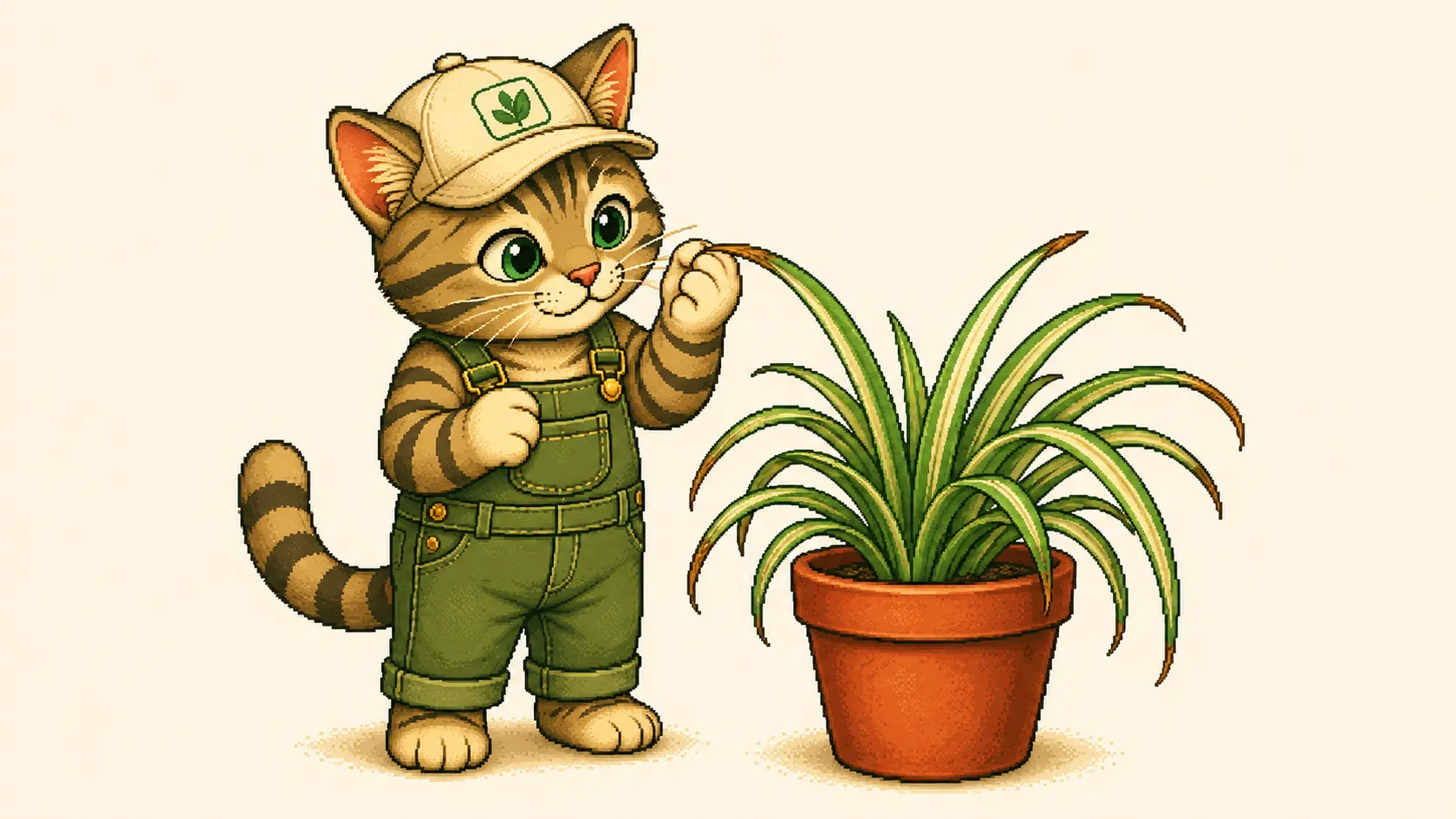
Plants that take dry air
Snake plant is the first name on the list. It stores water in upright leaves with a tough surface and takes dry heated air, low light and a forgotten watering without complaint.
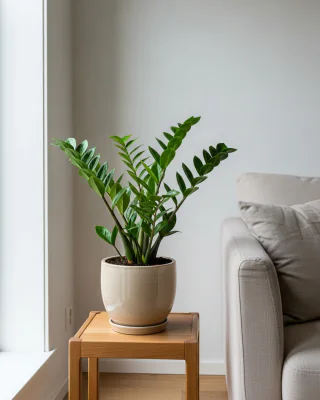
ZZ plant does the same by way of thick underground rhizomes. It is the plant that survives an office over Christmas.
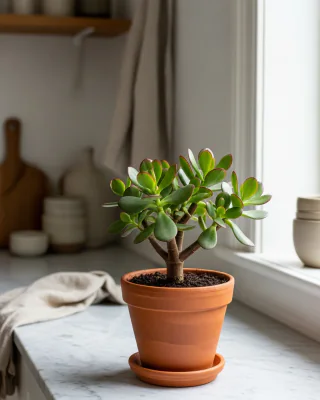
Jade plant carries its reserve in fat round leaves and would rather be dry than damp at any time of year.
Aloe vera works the same way and adds an upright shape that suits a bright windowsill.
Echeveria and most cacti come from places where dry air is the normal state. They ask for light rather than humidity.
Cast-iron plant earned its name in Victorian parlors, where dry heat and dim corners were the conditions. It grows slowly and objects to almost nothing.
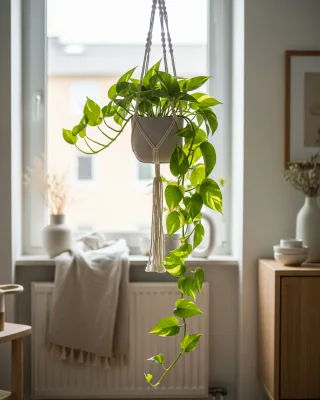
Golden pothos has a firm waxy leaf and holds up in dry rooms where softer trailers give up.
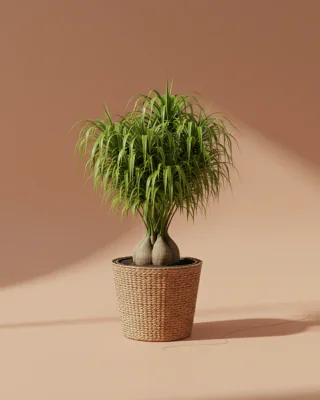
Ponytail palm stores water in the swollen base of its trunk. It is not a palm, which is exactly why it takes dry air better than one.
Dragon tree and corn plant carry narrow leathery leaves. They will show the odd dry tip in a very dry room and keep growing regardless.
Spider plant and wax plant round out the list, one tough and adaptable, the other thick leaved and slow. Each of these plants carries its own safety information on its own care guide, including anything that matters for pets.
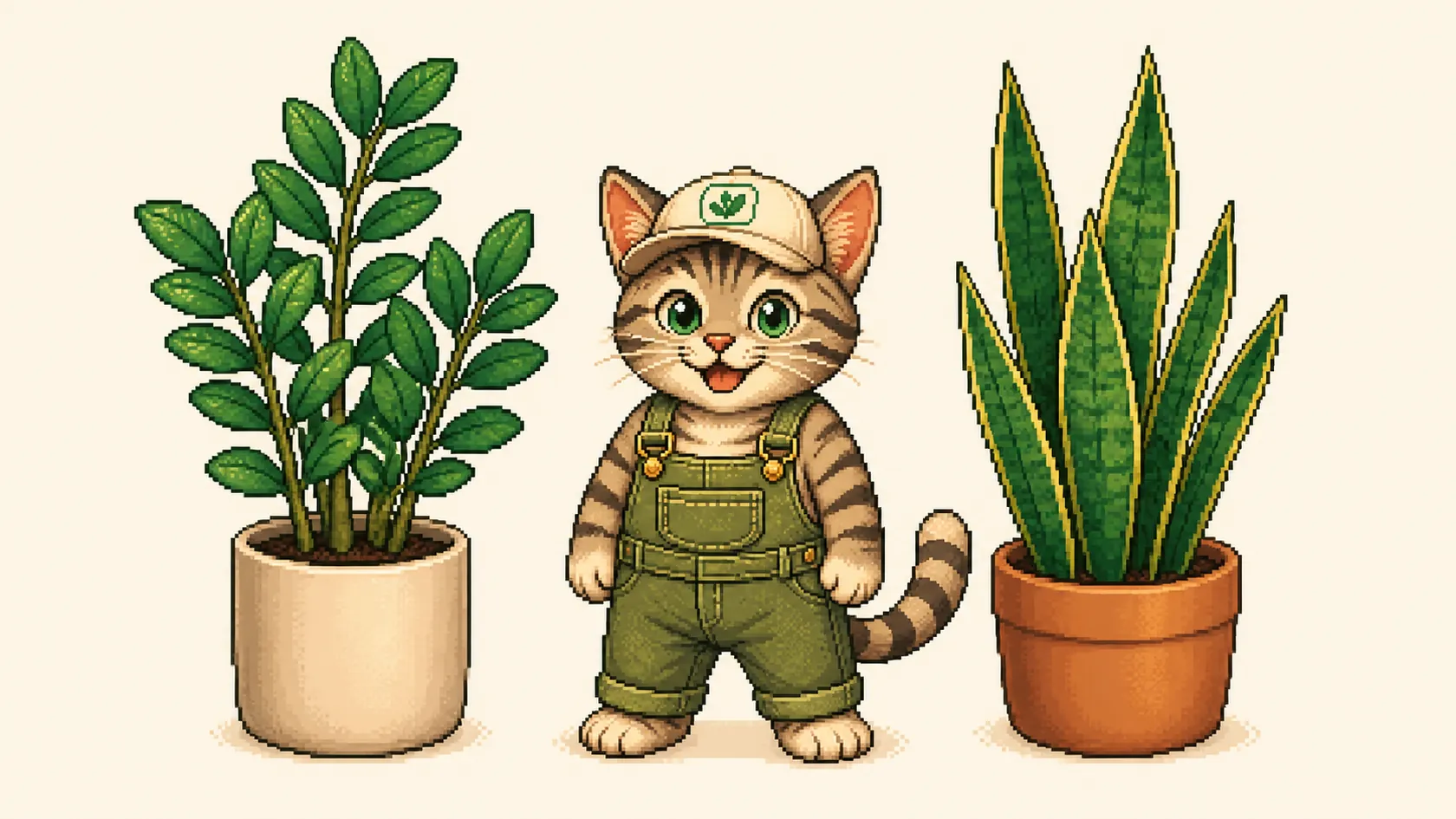
What makes a plant tolerant
Storage is the first mechanism. Thick leaves, swollen stems and underground rhizomes hold a reserve the plant draws on while the air pulls at it.
The leaf surface is the second. A waxy or leathery skin loses water slowly, which is why a jade leaf and a fern frond behave nothing alike in the same room.
Leaf shape is the third. A narrow upright leaf presents less surface to dry air than a wide flat one of the same weight.
Growth rate ties it together. Plants that grow slowly use less water, and most of the plants above are slow. A slow plant in a dry room is easier than a fast one anywhere.
Which plants will fight you
Calathea and prayer plant come from forest floors where the air stays damp, and in a heated room they answer with brown, crisping edges within weeks.
Ferns are the same story with less patience. A boston fern in a dry living room drops fronds and browns from the tips.
Nerve plant collapses flat when the air dries out and recovers only if you catch it early.
Alocasia, maidenhair fern and most carnivorous plants belong in the same group. They are all worth growing, and none of them belongs in a room you cannot keep humid.
Deciding this at the store saves the whole argument. A plant that suits the room you actually have is easier than any accessory bought later.
What matters more than humidity in a dry room
Watering comes first. Every plant above prefers the soil to dry out between waterings, and the fastest way to lose one is to water it on a schedule.
Water thoroughly until it runs out of the bottom, empty the saucer, and check two inches down with a finger before the next round.
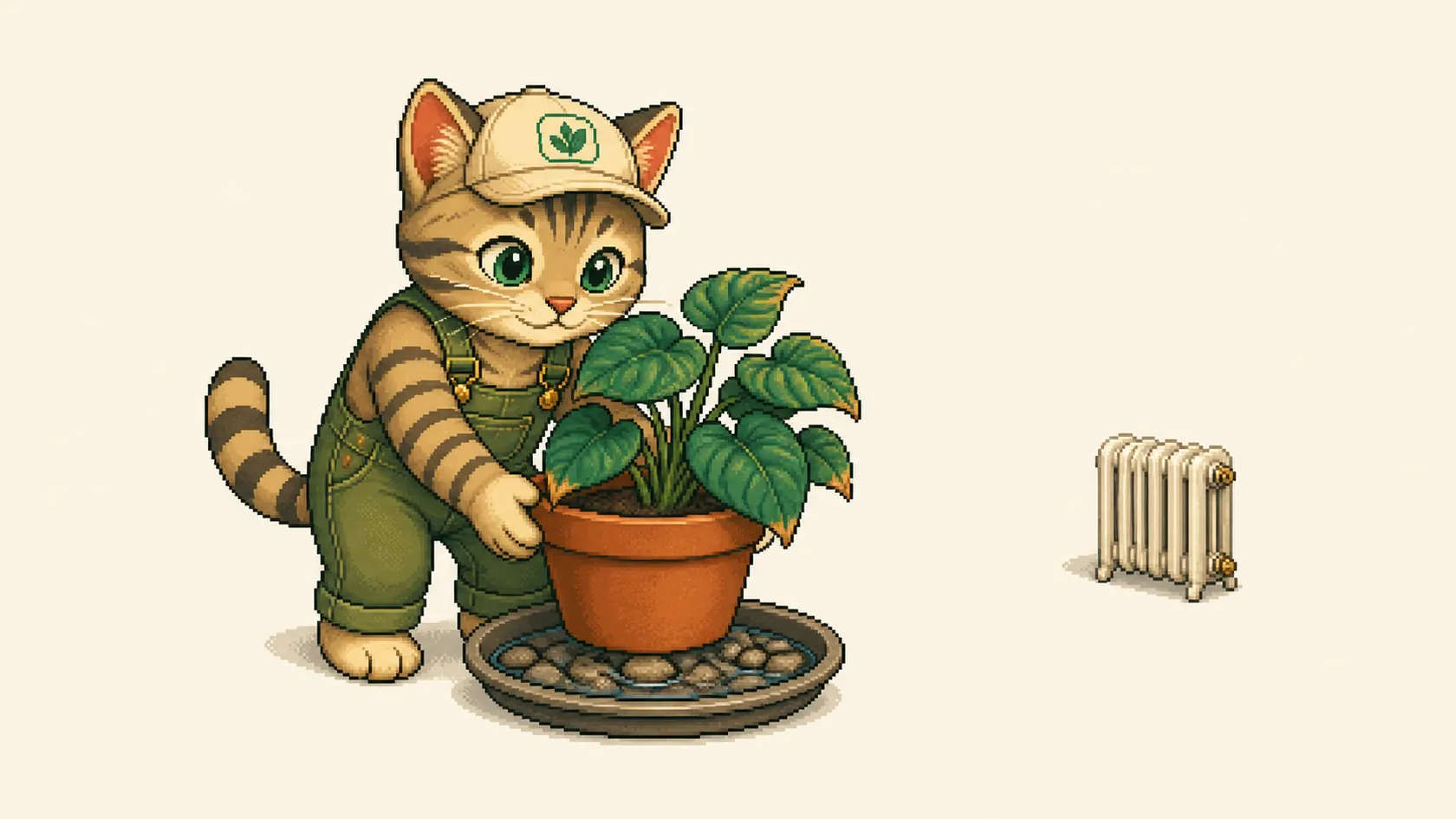
Keep them off the radiator. A pot directly above a heat source dries out faster than anything else in the house, and that is a watering problem rather than a humidity one.
Light decides the rest. Most of these plants come from bright places, and in a dark corner they stretch even though the air suits them.
Use an unglazed clay pot for the succulents. It loses water through its wall, which suits a plant that wants to dry out and forgives a generous hand.
If you want a plant that needs humidity anyway
Group the sensitive plants together. Leaves standing close release water into the same pocket of air, and that pocket holds better than a single pot in the open.
Stand the pot on a tray of pebbles with water below the pebble line. It raises humidity right around the plant as long as the pot itself is never in the water.
Choose the coolest room you have. Cooler air of the same water content reads as higher humidity, which is why a bathroom or an unheated bedroom suits these plants without any equipment.
A room humidifier is the reliable route when a whole collection needs it through the winter. Misting is not, because it wets the leaf for minutes and leaves water sitting in the joints overnight.
Related plants
Keep reading
Common questions
Which houseplants tolerate low humidity?
Snake plant, ZZ plant, jade plant, aloe vera, echeveria, cacti, cast-iron plant, golden pothos, ponytail palm, dragon tree and spider plant. All of them either store water or carry a tough leaf surface that loses little.
What humidity do houseplants need?
It depends entirely on the species, and no single figure covers a shelf of them. Plants from dry regions are comfortable in the air a heated home provides, while forest floor plants show dry edges in the same room.
Do brown leaf tips always mean the air is too dry?
No. Fertilizer salts in the soil, hard water and letting the pot dry out completely produce the same brown edge. Check watering and the soil surface before you buy anything to raise humidity.
Do succulents need extra humidity indoors?
No, and damp air works against them. They come from places where the air is dry for months, and what they want indoors is light and soil that dries out between waterings.
Does misting help in a dry room?
Not in any lasting way. The leaf is wet for a few minutes and the air is unchanged afterward, and water left in leaf joints overnight can start fungal spots. Grouping plants or a pebble tray keeps working between visits.
Is a bathroom better for humidity loving plants?
Usually yes, because it is cooler and damper than the rest of the home. The limit is light, so check that the window supplies enough before you move a plant in.
Last reviewed: 2026-09-07