



The layout follows the light, not the other way round.
Put the shelf where the light is
The wall beside a window works better than the wall opposite it. Light falls off quickly as you move into a room, so a shelf a couple of feet to the side of the glass gets far more than one across from it.
A shelf mounted across the window itself is the brightest option there is. Glass shelves or narrow wooden ones let light through to the plants below, and a curtain rail usually has to come off for it.
Stand at each shelf position and look toward the window before you drill. How much open sky you can see from that point is roughly what a plant standing there will get.
Watch what the shelves above do to the ones below. A row of full pots on the top shelf shades everything under it, which is why the lowest level needs the most tolerant plants.
Which plant belongs on which level
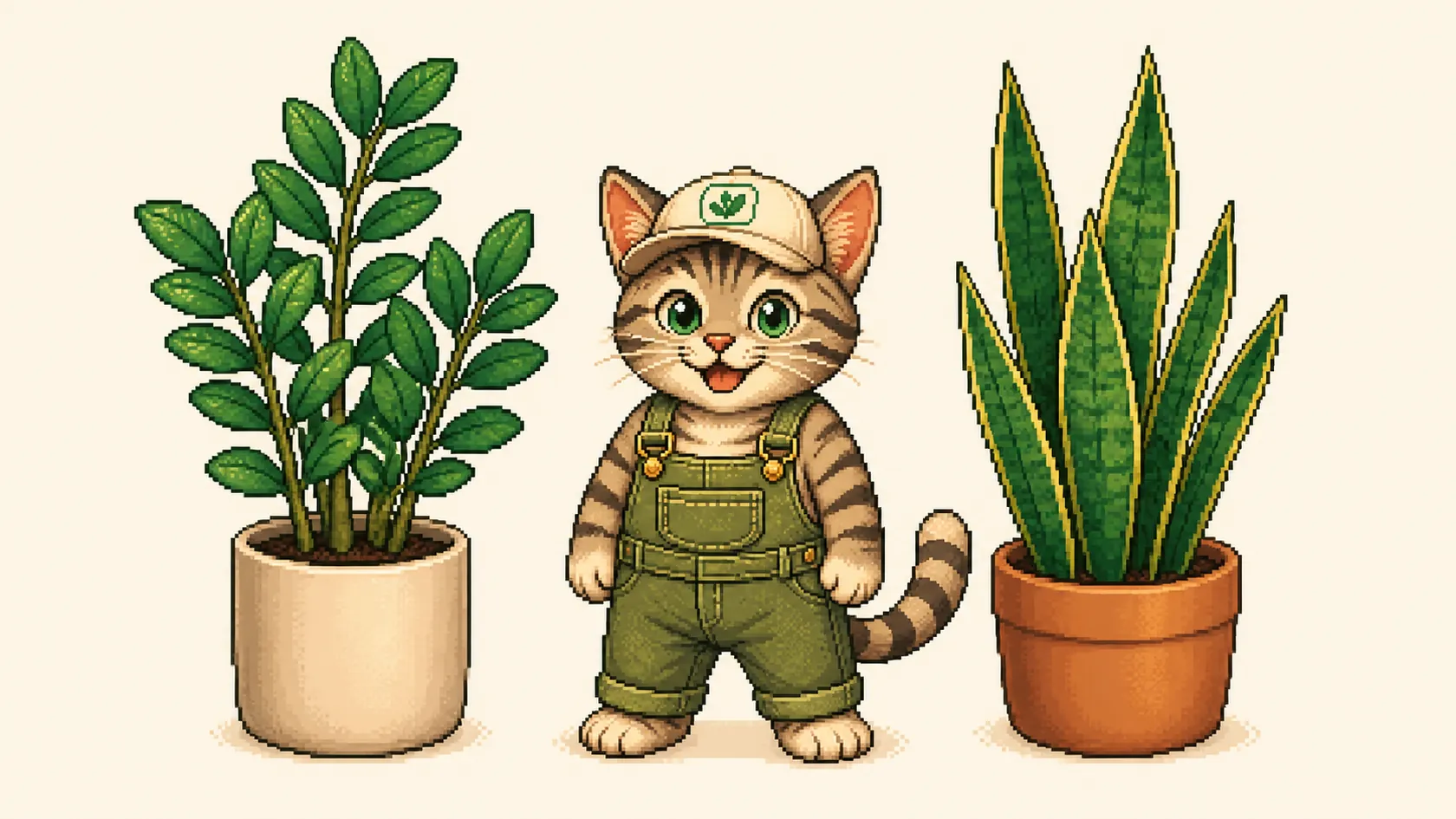
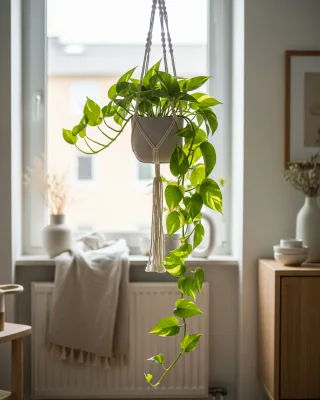
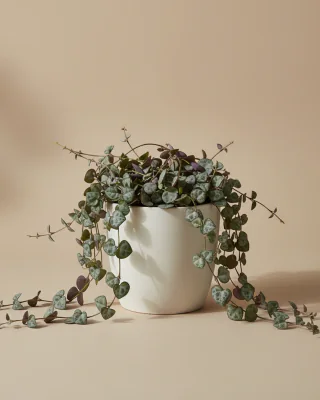
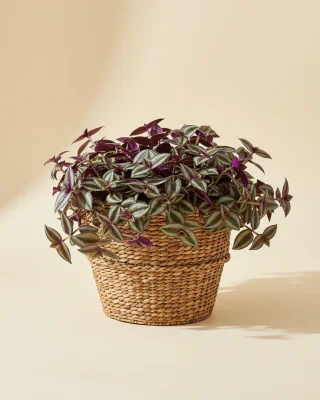
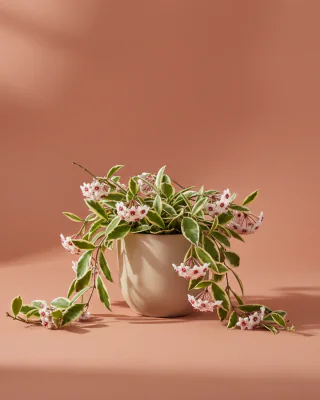
Put the trailing plants on top. Golden pothos, string of hearts, inch plant and wax plant hang into free air from a high shelf and get the best light in the arrangement.
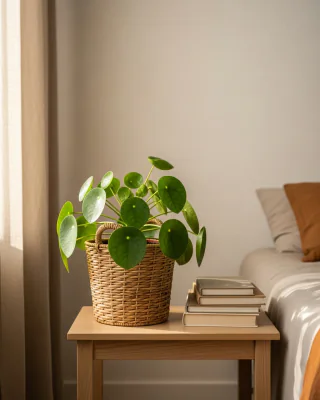
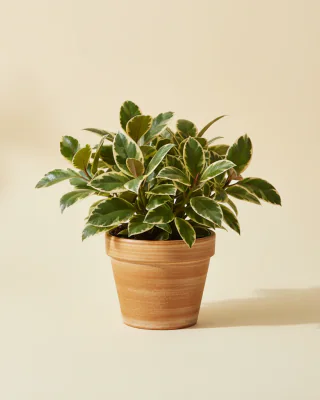
Middle shelves suit upright and bushy plants that stay small. Chinese money plant, small philodendrons and baby rubber plant hold their shape at eye level and are easy to reach for watering.
The bottom shelf is the darkest spot on the unit, so it gets the species that tolerate shade. A cast-iron plant, a ZZ plant or a fern in a bathroom shelf all work there.
Leave space between pots. Leaves pressed against each other stay damp, hide pests and grow lopsided. Air moving through the gaps is worth more than a tightly packed shelf.
Keep plants with similar water needs on the same level. A succulent next to a fern forces two rhythms in the same reach.
What a shelf of plants actually weighs
A pot that feels light in the shop is heavy when it is full of wet mix, and a shelf holds several of them. Wet soil, ceramic pots and a saucer of water add up to a load most people do not plan for.
Fix the brackets into studs or use anchors rated for the load, and check what the shelf material itself can span. A long floating shelf with a row of pots in the middle will bow before it fails.
In a rented room, check what the lease allows before you drill. Tension pole units and freestanding ladder shelves put the load on the floor instead of the wall.
Put the heaviest pots close to the brackets and the light ones in the middle of a span. It costs nothing and it is where a shelf gives first.

Watering a shelf without ruining it
Water above furniture and the water ends up on the furniture. The simplest fix is to take the pots down to a sink, water them until it runs out of the bottom, let them drain and put them back.
For pots that are awkward to move, keep each one in its nursery pot inside a watertight cachepot and lift the inner pot out to water it. The decorative pot stays on the shelf and the wood stays dry.
Seal the shelf if it is bare wood, or line it with a tray. A cork mat under a pot spreads the load and catches the drops nobody notices.
Never leave standing water in a saucer on a shelf. It marks the surface, and it is where fungus gnats start.
Plan the reach. A shelf you need a chair to water gets watered less often than one at eye level, whatever you intend.
Making the arrangement look composed
One pot material across the shelf does more for the look than any single plant. Mixed terracotta, plastic and glazed pots read as clutter even when the plants are beautiful.
Vary the height instead of the color. A tall upright plant, a low bushy one and a trailer on the same shelf give a shape that a row of identical pots never does.
Odd numbers per shelf and a gap left empty stop the unit from looking like storage. A shelf that is completely full has nowhere for the eye to rest.
Let one plant break the line. A long trailing stem falling past the shelf below is what makes the whole unit look grown rather than arranged.
Books, a small lamp and a couple of objects between the pots keep it looking like part of the room.
Keeping it good after the first month
Turn each pot a quarter turn every time you water. Plants on a shelf lean toward the window harder than plants on the floor, and a quarter turn keeps them even.
Check the leaf undersides while you water. Shelves put plants close together, so a pest that lands on one reaches the rest quickly.
Wipe the leaves every few weeks. Dust settles on a shelf faster than at floor level and it takes away light the plants are already short of.
Swap plants between levels if one is stretching. A stem with long bare stretches between leaves is asking for the top shelf.
A clip on grow light or a light strip fitted under a shelf makes the level below usable. Put it on a timer and give the plants a dark period each day.
Related plants
Keep reading
Common questions
Where should I put a plant shelf?
On the wall beside a window rather than the wall opposite it, or mounted across the window itself if you can lose the curtain. Stand at each shelf position and look toward the glass. The amount of open sky you can see is roughly the light a plant there will get.
Which plants are best for shelves?
Trailing plants on the top level, where they hang into free air and get the most light. Golden pothos, string of hearts, inch plant and wax plant all work. Keep small upright plants at eye level and shade tolerant ones at the bottom.
How do I water plants on a high shelf?
Take the pot down to a sink where you can water it thoroughly and let it drain, or keep it in a nursery pot inside a watertight cachepot and lift the inner pot out. Do not leave a saucer of standing water on a shelf.
How much weight can a plant shelf hold?
That depends on the brackets, the fixings and the wall, so check what your hardware is rated for. Plan for more than you expect, since wet mix and ceramic pots are heavy and a shelf holds several of them.
Do plants get enough light on a bookshelf?
Only on the top levels near a window. Each shelf shades the one below it, so the lower levels need plants that tolerate shade. A light strip under a shelf on a timer makes the level beneath it usable.
How far apart should the pots sit?
Far enough that the leaves do not touch. Foliage pressed together stays damp, hides pests and grows lopsided, and the gaps let air move through the arrangement.
Last reviewed: 2026-09-07