What you see
Soft, glassy patches or small blisters, mostly on older or lower leaves, on a plant whose mix is damp at finger depth and heavy in the hand.



See-through patches are burst or emptied leaf cells. Where they sit tells you what did it.
That happens for a handful of reasons, and they leave the damage in different places. Soggy roots, a cold night, direct sun through glass and a heavy pest load each mark the leaf in their own way.
Look at where the clear areas sit and at what the rest of the plant is doing before you change anything about the care.
Take one affected leaf between your fingers. A soft, water logged patch that gives under light pressure came from too much water in the tissue. A dry, papery clear area came from heat or light. A firm patch with fine pale speckling around it usually has an insect behind it.
Then check the mix at finger depth and lift the pot. Most translucent leaves indoors turn up on plants whose root ball has stayed wet, so that one answer is worth ruling in or out first.
Last, note which leaves are involved. Damage on the oldest leaves near the soil has a different cause from damage on the newest growth at the tip.
Look at
Most likely cause
This is the common one. When roots take up more water than the leaf can use or lose, the cells swell and burst, and the ruptured area goes clear. On thick leaved plants it shows as blister like spots that later turn brown and corky.
It builds up over weeks of a pot that never fully dries, often in a cool room, in winter light, or in a pot that is too large for the plant. Cachepots that keep a reservoir of water at the bottom do the same thing.
The leaf itself will not go back to normal. What you are protecting is the growth that comes next, and that means changing what the roots sit in rather than treating the leaf.
Let the mix dry further between waterings, tip standing water out of the saucer, and check that the drainage hole is open. If the pot holds much more mix than root, move the plant into a smaller one.

Cold damages leaf cells the same way, and the result appears within a day or two rather than over weeks. Leaves go translucent and limp all at once, often only on the side facing the window or the door.
Indoors this comes from a window left open in winter, from foliage pressed against cold glass overnight, or from a plant carried home from the shop in the cold without a wrapper.
Move the plant away from the glass and out of the draft and leave the care alone otherwise. Cold damaged tissue does not recover, so wait until the plant pushes new leaves before you judge how much was lost.
Water sparingly while it recovers. A chilled root ball takes up little, and a wet pot in a cold spot adds a second problem.
Direct sun through glass bleaches the tissue it lands on. The spot first goes pale and washed out, then thin and papery, and light passes through it because the cells underneath are dead and empty.
The giveaway is the position. The damage sits on the surfaces that face the pane, on the upper leaves rather than the shaded ones, and it appears after a plant has been moved into a brighter spot or after the sun angle changed with the season.
Plants that were bought in a dim shop and put straight onto a south facing sill get it within days, because leaves adapt to a light level slowly.
Move the pot a yard back into the room or put a light curtain between it and the glass. Introduce a plant to a brighter spot over a couple of weeks rather than in one afternoon.
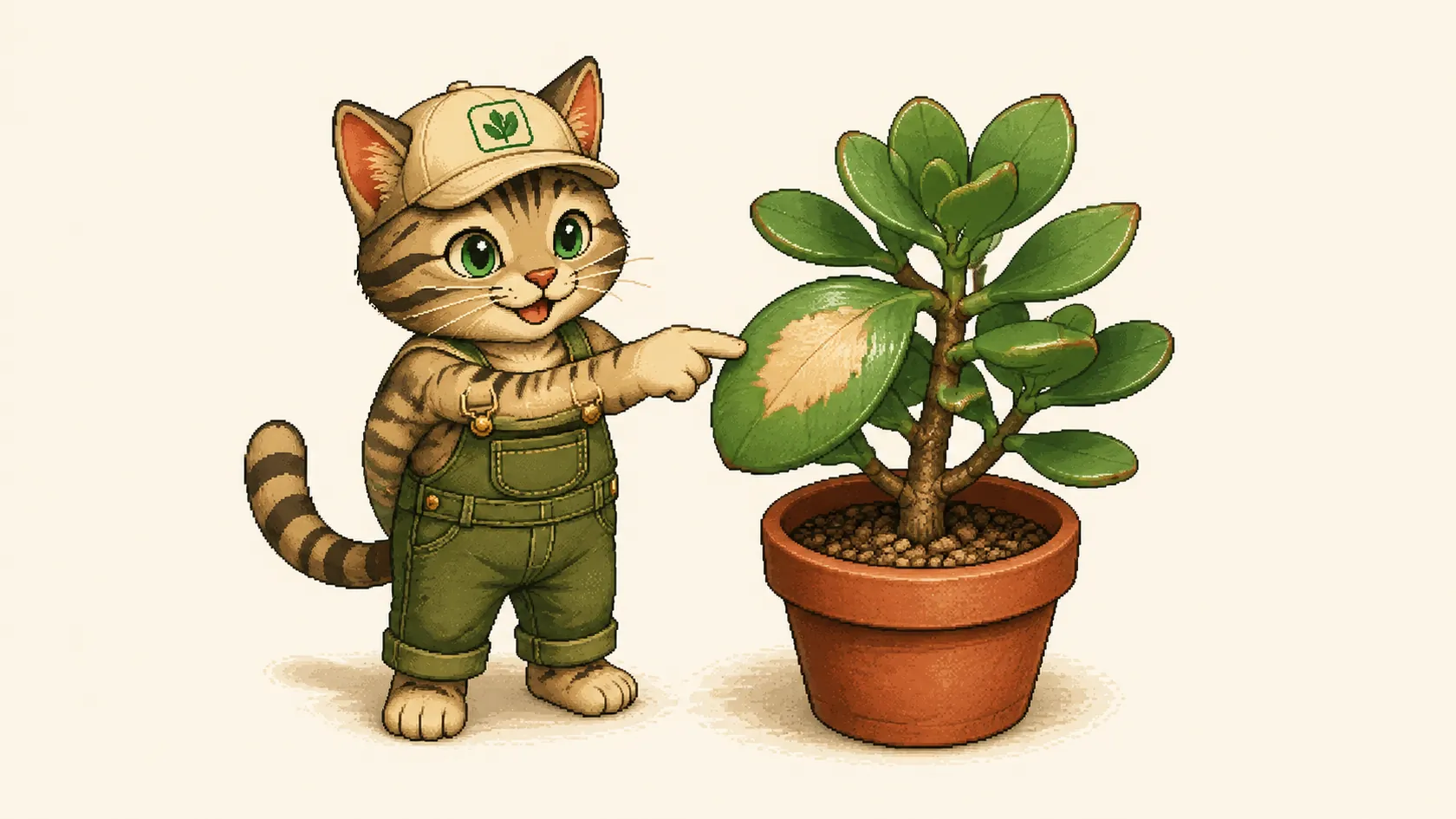
Sap feeding insects empty individual cells, and enough of them turn a leaf pale, silvery and partly see through. This looks different from a single clear patch, because the damage is made of many tiny dots that run together.
Spider mites leave that speckling along with fine webbing in the leaf axils, and the leaf feels dry rather than soft. Thrips leave silvery streaks with small black specks of excrement on them, usually on the newest leaves.
Hold the leaf against the light and look at the underside with a magnifier. Tapping a shoot over a sheet of white paper brings mites down where you can see them move.
Rinse the plant thoroughly, undersides included, and keep it away from the others until you have checked it again a week later. The stippled leaves stay stippled, so judge the treatment by the new growth.
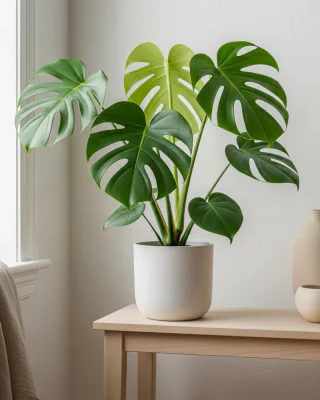
Some plants are built this way. A young leaf on a monstera or a philodendron unrolls thin and glassy and firms up over the following days, and that is growth rather than damage.
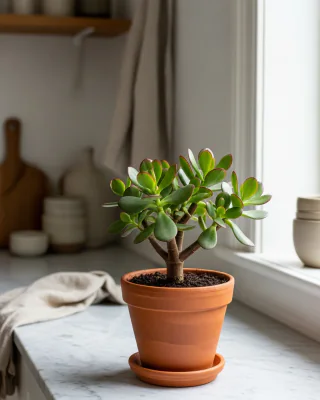
Windowleaf succulents carry clear panels at the leaf tips on purpose, which is how light reaches the tissue below when the plant sits low in bright ground.
The oldest leaf at the base of a plant thins out and goes clear before it yellows and drops. One leaf at a time, always the lowest, on a plant that is otherwise growing well, is the normal end of that leaf.
Thin leaved species such as fittonia and some begonias always look slightly translucent against the light. Compare a leaf with one on the shaded side before you decide anything is wrong.
Change one thing at a time. A plant that gets moved, repotted, fed and treated in the same week gives you no way of knowing which change did the work.
Take off leaves that are more than half damaged and leave the rest. Even a marked leaf still feeds the plant, and stripping a struggling plant bare slows its recovery.
The evidence you are waiting for is the next set of leaves. If they come in clean and full sized, whatever you changed was the right change.
If new leaves keep turning translucent while the mix is damp, lift the plant out and look at the roots. Firm and pale is fine. Brown and soft means starting again in fresh mix and a clean pot.
Most often because the root ball has stayed wet and leaf cells have burst. The patches are soft and glassy and sit on older leaves. Cold, direct sun and sap feeding insects cause the same look in their own patterns.
No. The cells in a clear patch are already dead or emptied, whatever the cause. What you are protecting is the growth that follows, so judge any change you make by the next leaves rather than the damaged ones.
They are one of its signs when the patches feel soft, appear on lower leaves and the mix stays damp for days. Dry, papery clear areas on the sunny side of the plant point to light instead.
Take off leaves that are more than half gone and leave the rest. A partly damaged leaf still feeds the plant. Use clean scissors and cut at the base of the leaf stalk.
Windowleaf succulents carry clear panels at the leaf tips, and thin leaved plants such as fittonia look see-through against the light. Newly unfurled leaves on monstera and philodendron are glassy for a few days and then firm up.
Last reviewed: 2026-09-07