



Acclimating a new houseplant
Give a new plant a stable place, check its pot and leaves, then change light gradually. Repot only when the roots or mix call for it.
A shop or greenhouse differs from your home in light, temperature, airflow and watering. A new plant needs time to respond to those changes without several extra changes on the same day.
Plant acclimation means choosing a suitable place, checking what the plant arrived in and watching the next leaves. It is separate from transplant shock, which follows root disturbance.
Inspect the plant before it joins the collection
Look under leaves, around leaf joints and along stems for insects, webbing, sticky residue or cottony patches. Check the surface of the mix and make sure the nursery pot can drain.
Keep the new plant apart from the rest of the collection while you monitor it. Separation limits the chance that an unnoticed pest moves to nearby plants.
Transport damage can look dramatic without being active. Record torn, bent or chilled leaves so you can distinguish old marks from new damage.
Choose a place that fits the species
Read the plant’s care guide and choose a position that fits its normal light and temperature needs. Keep it away from a cold draft, a hot air outlet and leaves pressed against glass.
A newly purchased greenhouse plant can begin in a brighter indoor position and move gradually to its intended place. Do not move a shade-grown plant straight into strong direct sun.
Change light in steps
Move the plant a little closer to brighter light, then watch the leaves before the next change. Pale, bleached or crisp patches on the side facing the light mean the step was too large.
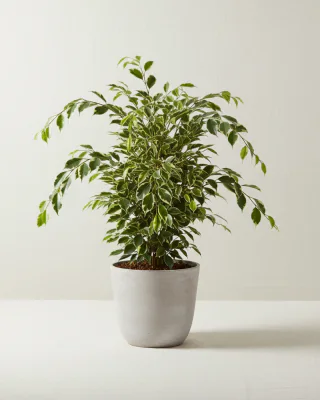
Leaf drop after a move can follow a sharp reduction in light, especially in ficus and other plants that respond strongly to a new setting. Keep the new position stable while you check that water and temperature are also suitable.
Use the species’ own light guidance and watch how the plant responds in that position. If you use a light meter, compare the reading with the species’ range.
Learn how the nursery pot dries
Check the mix below the surface and lift the pot before watering. Nursery mixes differ, so the plant may dry faster or slower in your home than another pot beside it.
Water only when that species needs it, then let excess water leave through the drainage hole. Empty an outer pot or saucer after watering. Do not copy the shop’s calendar or put every new plant on one household schedule.
Repot for a reason
Leave the nursery pot in place when it drains, the mix wets evenly and the roots still have room. A decorative outer pot can hide the nursery pot without disturbing the roots.
Repot when roots form a dense mass, the mix no longer takes up water evenly, drainage fails or the plant has a confirmed soil pest that requires fresh mix. Root disturbance adds transplant recovery to the environmental change.
If you do repot, keep the pot increase modest and use a mix suited to the species. Do not feed a plant simply because it has moved or dropped a leaf.
Judge the response by what changes next
Old transport marks and scorched areas do not repair themselves. Watch whether fresh damage appears and whether new growth fits the plant’s normal shape.
Continued wilting over wet mix, a soft stem base, spreading leaf spots or an active pest needs its own diagnosis. Acclimation is not a reason to wait while a specific problem gets worse.
Related plants
Keep reading
Common questions
Should I repot a houseplant as soon as I buy it?
Repot for a clear reason such as crowded roots, failed drainage, mix that will not wet evenly or a confirmed soil pest. If the nursery pot works, keeping it avoids adding root disturbance while the plant adjusts to a new environment.
Why is my new houseplant dropping leaves?
A sharp change in light or temperature can trigger leaf drop, and pests or a watering problem can look similar. Keep the position stable, inspect the plant and check the root-zone mix before changing care.
Is plant acclimation the same as transplant shock?
No. Acclimation is the plant’s response to a new environment. Transplant shock follows root disturbance during repotting or planting. A new plant that stayed in its nursery pot has not been transplanted.
Last reviewed: