



Which houseplants grow from a leaf
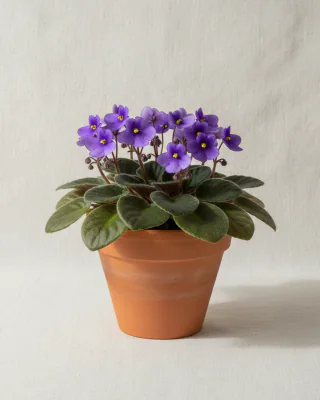
African violets are the classic. A leaf with a short stalk pushed into damp mix makes a cluster of little plants at its base, and the parent leaf is discarded once they are big enough to handle.
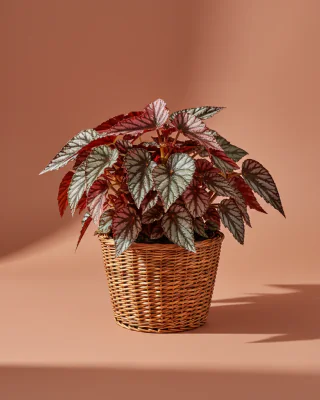
Rex begonias do the same and are the plants people use for the sliced leaf method, where a whole leaf is laid flat and cut across its veins.
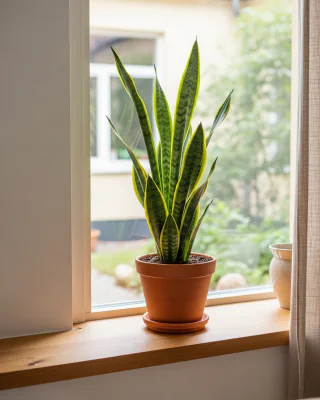
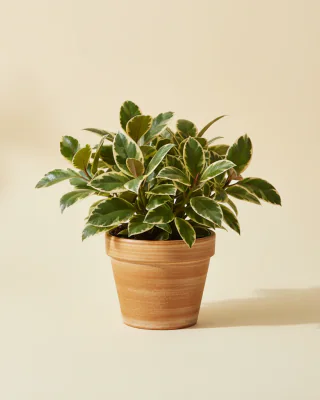
Snake plants root from a leaf cut into sections, as long as each section goes into the mix the way up it grew. Cape primrose, peperomia and ZZ plant all work as well, the last one slowly and by way of a small tuber underground.
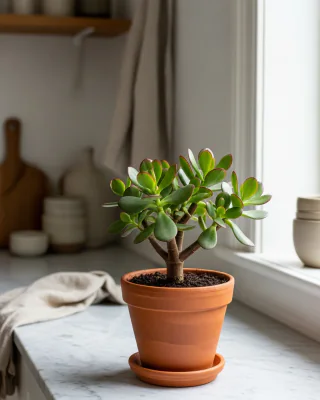
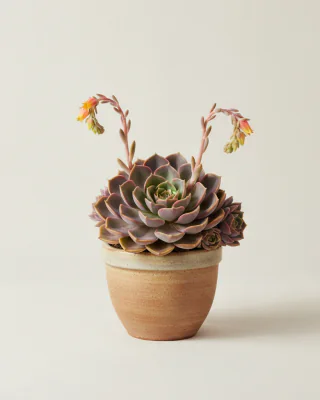
Most succulents are the easiest of all. Jade, echeveria, donkey tail and many others grow a new rosette from a leaf snapped cleanly off the stem.
A hoya kerrii leaf is the well known trap. The single heart-shaped leaf sold in a pot roots, sits there and stays one leaf, because it was cut without a piece of stem carrying a bud.
Which plants will not
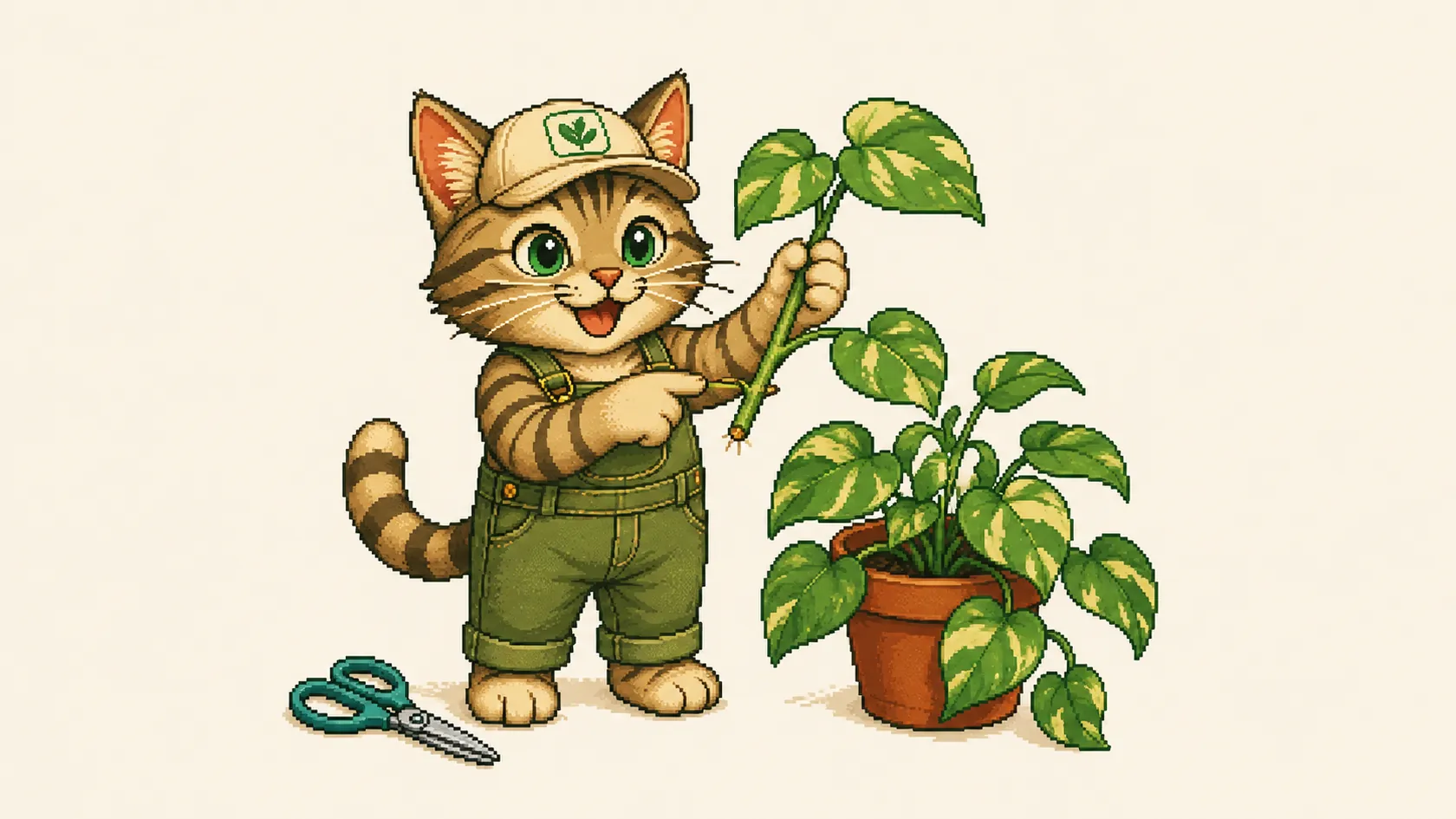
Pothos, philodendron, monstera and most trailing plants need a node, the small joint on the stem where a leaf attaches. The bud that becomes the new shoot sits there, and a leaf pulled off without it has nothing to grow from.
A pothos leaf in a glass of water is the case people ask about most. It grows roots, stays green for months and never makes a shoot. Cut a piece of stem with at least one node instead and it becomes a plant.
Ferns, palms and grassy plants do not work from a leaf either. Palms grow from a single point and cannot be divided into leaves at all.
Variegation is a separate limitation. A snake plant grown from a leaf section usually comes back plain green, because the pale edge is not carried through this route. To keep that pattern, divide the plant instead.
Taking the cutting
Take a leaf from a healthy plant in active growth, from spring through late summer. A leaf off a struggling plant carries fewer reserves and rots more often than it roots.
Choose a middle aged leaf. The oldest ones are spent and the newest are too soft to hold up through the wait.
Use a clean sharp blade and cut cleanly. On an african violet leave the leaf stalk about an inch long. On a succulent, twist the leaf off sideways so the whole base comes away with it, because a torn base rarely grows.
Let succulent leaves and anything with milky sap dry for a day or two until the cut has sealed. Everything else goes in fresh.
- Healthy parent plant, in the growing season.
- Middle aged leaf rather than the oldest or newest.
- Clean sharp blade, one clean cut.
- Succulent leaves twisted off whole and dried for a day or two.
- Sections kept the right way up for snake plant.
Into mix or into water
Mix is the more reliable route for most leaves. Use a light seed starting or cutting mix, push the stalk in at an angle so the base of the leaf sits just above the surface, and firm it lightly.
Keep it evenly damp and out of direct sun. A clear bag or lid over the pot holds the air steady, and it gets opened once a day so the air is not standing still.
Water works for african violet and cape primrose leaves. The stalk goes in, the leaf blade stays above the waterline, and the water gets changed every few days. Roots formed in water are softer, so pot them up once they are about an inch long and keep the mix evenly damp for the first weeks.
Succulent leaves want the opposite. Lay them on top of dry mix, mist lightly every few days, and wait. A succulent leaf pushed into damp mix usually rots.
Warmth speeds all of it up. A spot that stays warm overnight does more than anything else you can change.
Whole leaves, wedges and sections
The whole leaf with its stalk is the standard method and the one to use for african violet, cape primrose and peperomia.
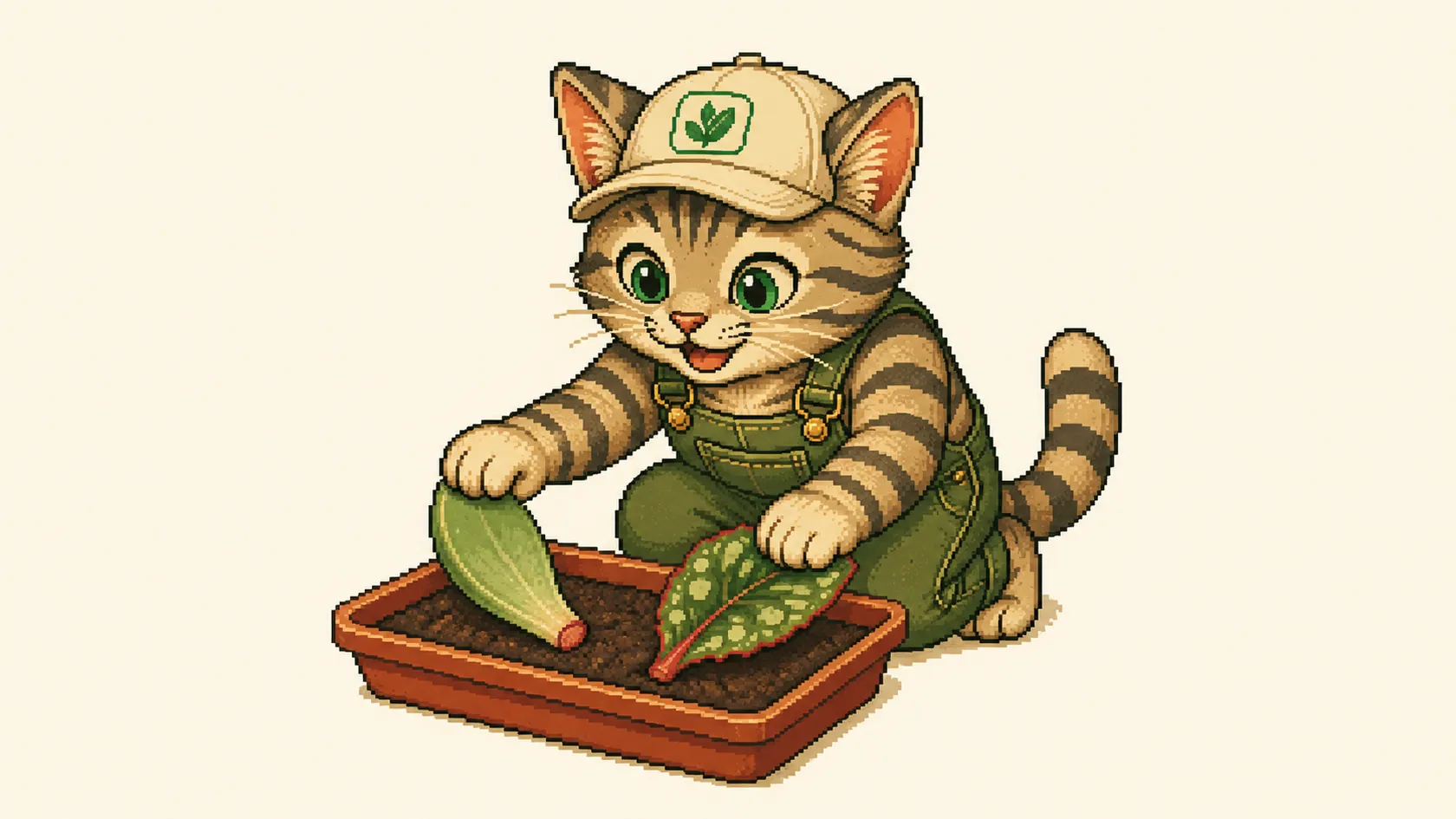
A rex begonia leaf can be laid flat on damp mix with the main veins cut through in several places on the underside, then weighted down with a pebble so the cuts stay in contact. Plantlets appear at the cuts.
A snake plant leaf is cut into pieces a few inches long. Mark which end was the bottom, because a section put in upside down will not grow. Pushing each piece in a third of its length is enough.
Succulent leaves need no cutting. They are laid on the surface, and the new rosette and roots form at the base.
Any of these can be started several at a time. Losses are normal, and three or four leaves in one tray raise the odds that something comes through.
The wait, and what usually goes wrong
Leaf cuttings are slow. Roots can take a few weeks and the first small plant several months, and a snake plant or ZZ plant will take longer still.
Roots alone are not the finish line. What counts is the first small leaf at the base of the cutting, because that is the new plant. A leaf holding roots and nothing else is a species that cannot do this, or a cutting that has not got there yet.
Rot is the common loss and it comes from mix that stays wet with no air moving. Damp, warm and ventilated is the combination, and a lid that never comes off is the usual mistake.
A leaf that shrivels while it works is normal on a succulent, since the new rosette is living off it. Pull the spent leaf away only once it comes free by itself.
Separate the young plants once they have a few leaves of their own. Take them off the parent leaf, pot them individually, and treat them as ordinary young plants from then on.
Related plants
Keep reading
Common questions
Which houseplants can you grow from a leaf cutting?
African violet, rex begonia, cape primrose, peperomia, snake plant, ZZ plant and most succulents. Each of them can build a new bud at the base of the leaf, which is what makes a whole plant rather than roots alone.
Why does my pothos leaf have roots but no new growth?
Because the piece has no node. The bud that becomes a shoot sits at the joint on the stem where the leaf attaches, and a leaf pulled off without it can only make roots. Cut a stem piece with at least one node instead.
Do leaf cuttings root better in water or in soil?
Soil is more reliable for most of them, because water grown roots are soft and have to adapt again after potting. African violet and cape primrose leaves are the ones that do well in water.
How long does a leaf cutting take?
Roots in a few weeks, and the first small plant usually in a few months. Snake plant and ZZ plant take longest. Warmth and bright indirect light shorten all of it.
Why do my leaf cuttings keep rotting?
Almost always because the mix stays wet with no air movement, often under a cover that never gets opened. Keep the mix damp rather than wet, ventilate daily, and let succulent leaves dry for a day or two before they go on the surface.
Will a variegated snake plant stay variegated from a leaf cutting?
Usually not. Plants grown from leaf sections come back plain green, because the pale edge is not passed on this way. Dividing the plant at the roots keeps the pattern.
Last reviewed: 2026-09-07