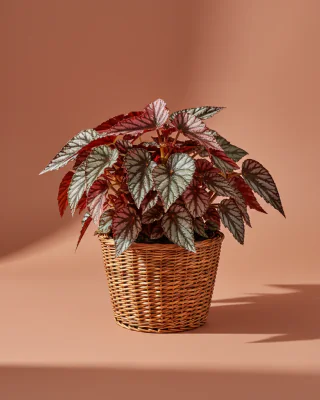
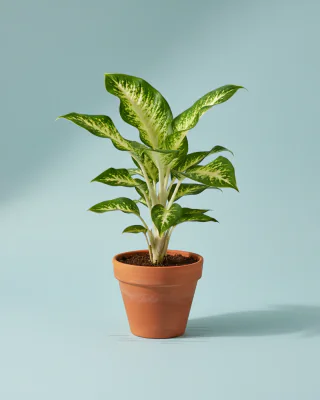
What you see
The spot feels soft and slightly sunken, the rim is blurred, often with a yellow halo, and new spots appear near the old ones.



Feel the spot before you change anything. Soft and spreading, dry and flat, or raised all point elsewhere.
Take an affected leaf into your hand and look at it in good daylight before you water, feed or move anything.
Old damage stays black whatever you do. What you are judging is whether new spots keep appearing, and how quickly.
Work through these five points on the worst leaf you have.
Look at
Most likely cause
A dark spot that feels soft, sits slightly sunken and has a blurred rim, often with a yellow halo around it, comes from leaves that stay wet, soil that stays wet, and still air around the plant. Fungi and bacteria that are always present get their opening under those conditions.
New spots appear near old ones and run together over days. That spreading is the sign that something is still active, rather than a mark left over from an old event.
Take the worst leaves off with a clean blade. Water the soil rather than the foliage, stop misting for now, and stand the plant where air can move around it. Group plantings and crowded shelves hold damp air between the leaves.
This page does not name a disease and no photo can settle which organism it is. The conditions are the part you can change, and changing them is what stops the spread.
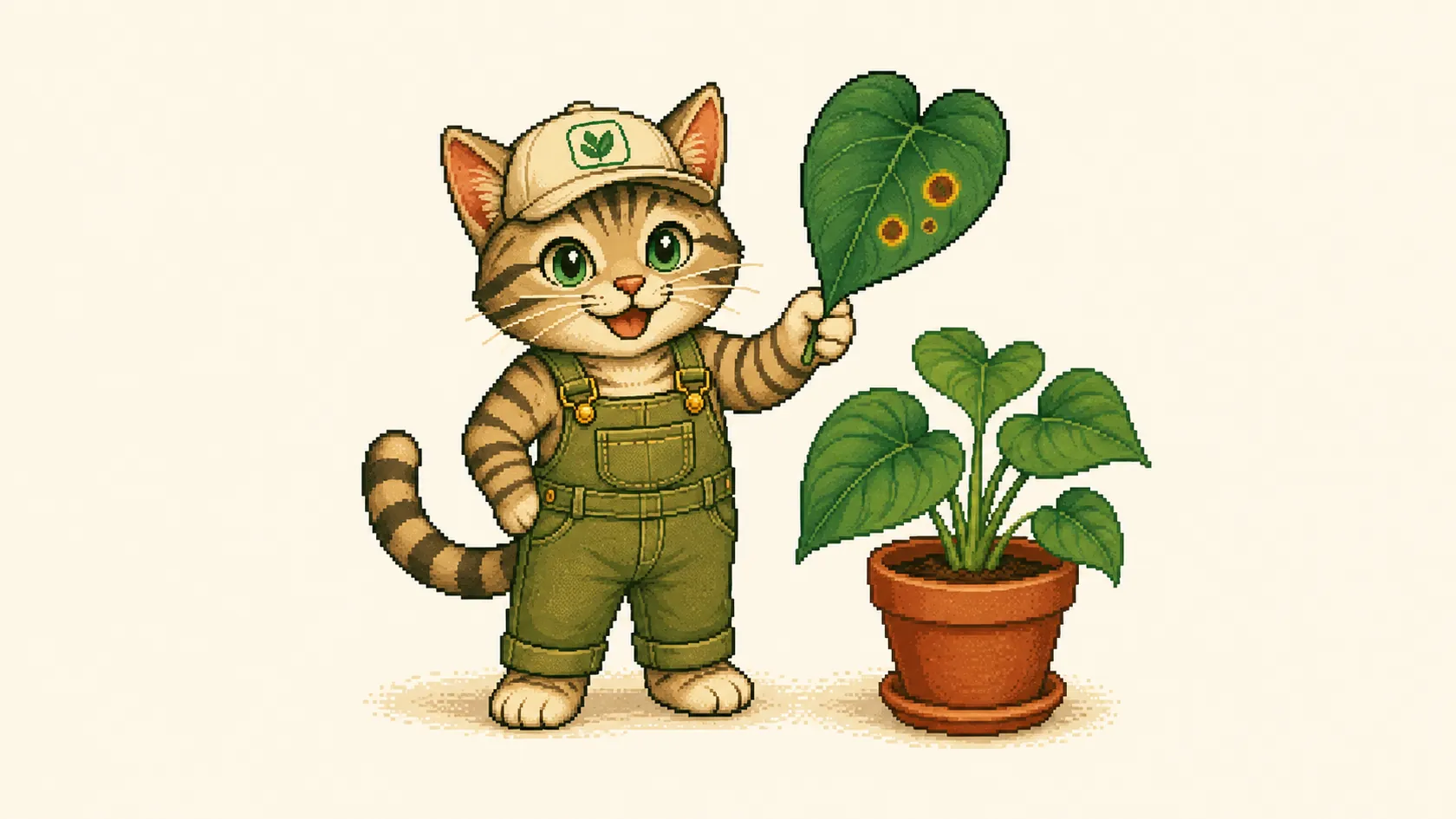
Patches that are flat, dry and sharply outlined, sitting on the leaf surfaces that face the glass, come from direct sun rather than from disease. They start pale or bleached and darken as the tissue dies.
This usually shows up after a plant has been moved, after a holiday in a brighter spot, or in spring when the sun reaches further into the room again. A plant that has stood in the same place for months rarely starts burning on its own.
Pull the plant back from the glass or hang a light curtain between it and the window. The damaged patches stay as they are, and you read the result on the leaves that open next.
Very small black dots, sometimes in groups, together with a sticky film on the leaves or on the surface below the plant, belong to insects rather than to care. Thrips leave dark specks of excrement next to silvery scarred patches, and sooty mold grows as a black film on top of honeydew from aphids, scale insects or whiteflies.
Sooty mold wipes off with a damp cloth, which is how you tell it apart from a spot inside the leaf tissue. The insects producing the honeydew are the part that needs dealing with.
Look at the leaf undersides and the leaf axils in good light, and check the growing tips where soft new tissue is easiest to feed on.
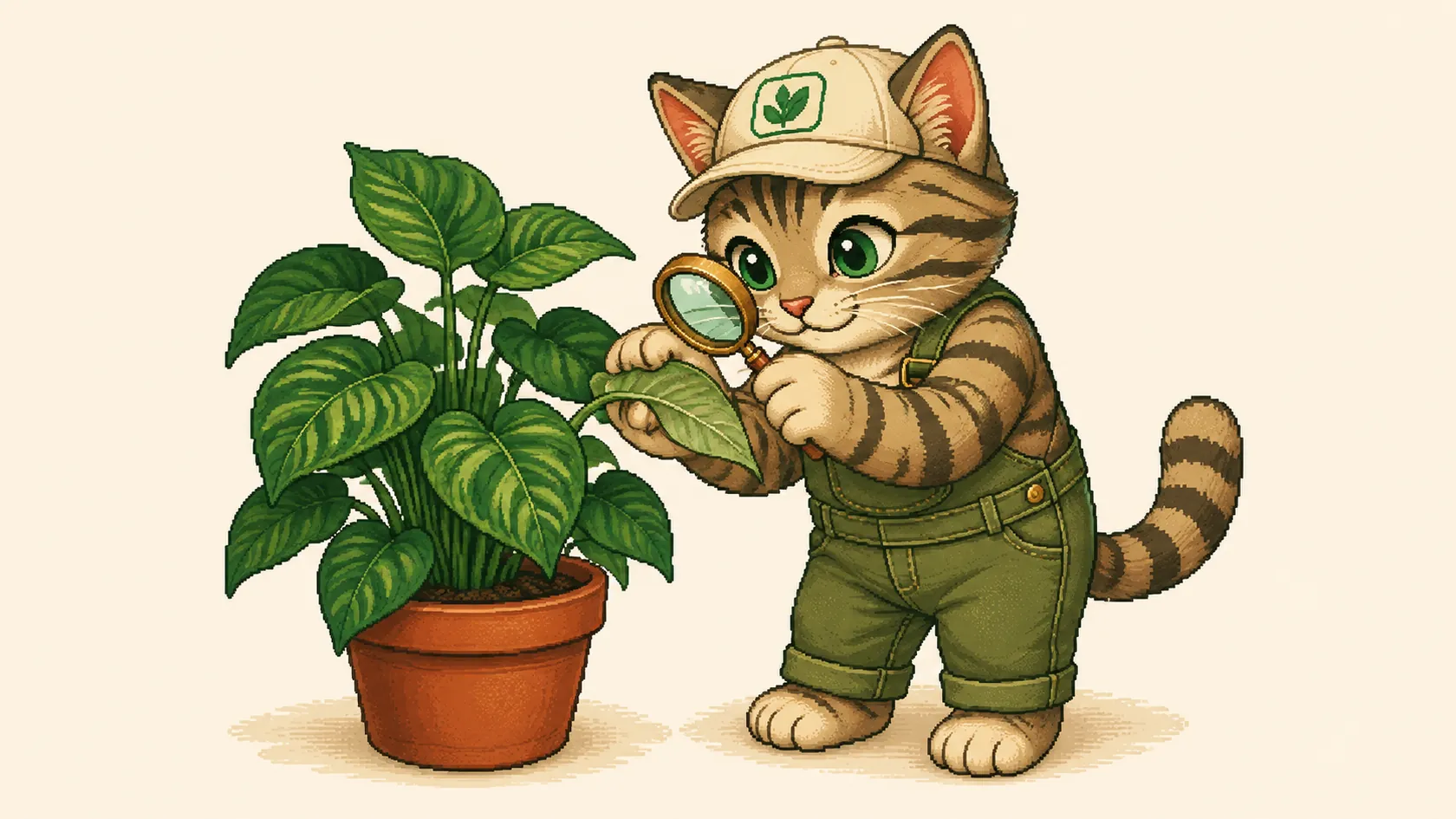
Blackening that starts at the leaf stalk or at the base of a stem, and feels soft or hollow, has usually come up from the roots. Water that stands in the pot or the outer pot for days, a pot with no working drainage hole, or mix that has collapsed all lead there.
Lift the plant out and look. Firm pale roots are fine. Dark, soft roots that slip out of their skin between your fingers, and soil that smells sour, mean the root ball has been wet too long.
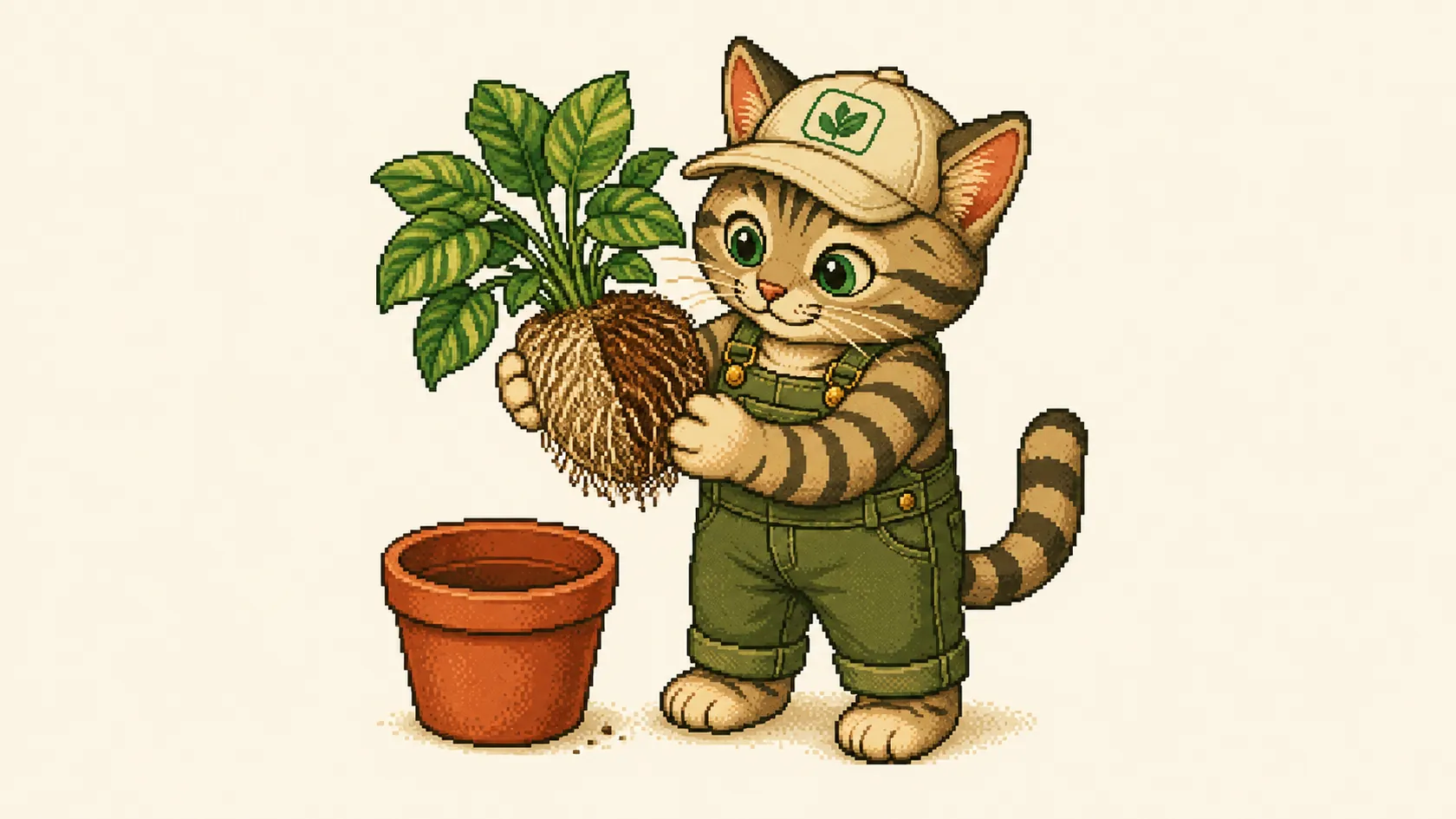
Let the soil dry down, empty the saucer after every watering, and repot into fresh mix if the roots have gone. A plant that is losing whole leaves from the base at once is further along than one with spots on the blades.
Black tissue does not turn green again. Removing it is a decision about looks and about taking spore-carrying material out of the room, not a treatment.
A leaf that is still mostly green stays on the plant and keeps working. Take off the ones that are more damaged than sound, cutting at the base of the stalk with a clean blade.
Clear fallen leaves off the soil surface. They stay wet against the mix and give the same conditions another few days to work in.
Soft dark spots from wet conditions, dark scarring from insects and blackening that comes up from the roots can all show a similar picture on the blade. The parts that separate them are the soil, the pot and the last few weeks, and a photo carries none of those.
Change one thing at a time and give it two to three weeks. Note the date and the state of the soil so you are not comparing against memory later.
The answer arrives on the new growth. Leaves that open clean say the change was the right one.
Most often leaves and soil that stay wet with little air movement, which lets fungi and bacteria into the tissue. Direct sun, sap-sucking insects and roots standing in water produce black marks that look similar but behave differently.
Take off the leaves that are more damaged than sound, cutting at the base of the stalk with a clean blade. Leaves that are still mostly green keep working and can stay. Cutting does not treat the cause.
Spots caused by fungi or bacteria can move to a neighbor under the same wet, still conditions. Move the affected plant apart, water the soil rather than the leaves, and clear away fallen leaves. Sun damage and salt damage move nowhere.
Fresh mix holds more water than the old rooted ball did, so the pot stays wet for longer on the same watering routine. Wait until the top inch or two feels dry before the next watering and empty the saucer each time.
Sometimes. Blackening that starts at the leaf base or stem and comes with soil that has been wet for a long stretch points that way. A dry, flat black patch on the window side does not.
The existing spots stay, because that tissue is dead. You judge success by whether new spots appear and by what the next leaves look like when they open.
Last reviewed: 2026-09-07