



A handful of species do all of that. Most of the ones sold as easy do not.
What a dorm room does to a plant
The gaps are the first thing. Thanksgiving, winter break and spring break take a plant out of your hands for a week to a month at a time, and nobody is going to water it. Any species that needs water every few days is out.
The heat is the second. Dorm radiators often cannot be turned down, and a plant on a sill above one dries out fast and picks up brown, brittle edges. Air conditioning in a summer term does the same thing from the other direction.
Space is the third. One window, one sill, and furniture that cannot be moved. That rules out anything wide or tall and makes hanging pots and shelves worth more than floor plants.
Then there is the housing contract. Many list what you can hang, drill or stick to a wall, and some limit what may sit on a sill. Read that before you buy a hanger.
Whether a species is a problem around a roommate’s cat or is safe to have in a shared room is covered in each plant’s own care guide.
Species that survive a dorm year
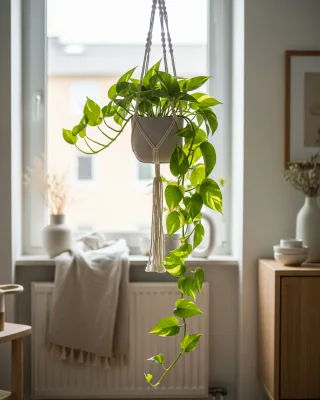
Golden pothos is the first plant to buy. It grows in moderate light, tells you clearly when it is thirsty, trails from a shelf or a desk without taking up floor space, and any piece you cut off roots in a glass of water on the sill.
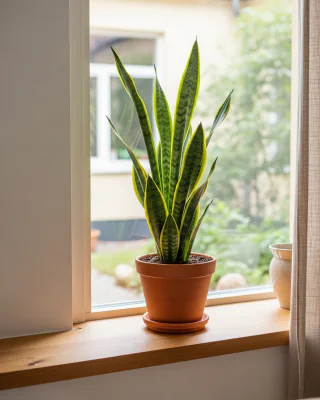
Snake plant handles the long gaps better than anything else with an upright shape. It stores water in its leaves, wants a narrow pot, and the one thing that kills it is being watered too often.
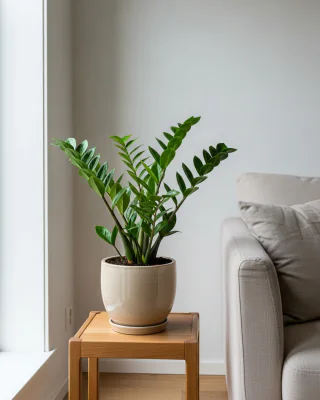
ZZ plant is the same idea with a glossier look. Thick underground rhizomes carry it through several weeks without water, and it grows slowly enough that it does not outgrow a desk.
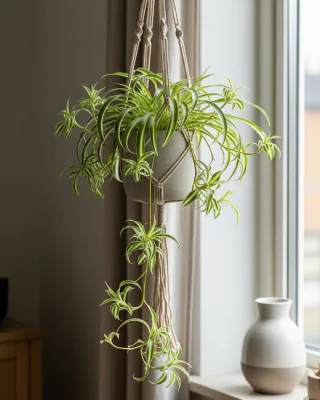
Spider plant forgives an irregular schedule and grows fast enough to feel like progress. It throws out plantlets on long stems that root in water, which makes it the plant you give away at the end of the year.
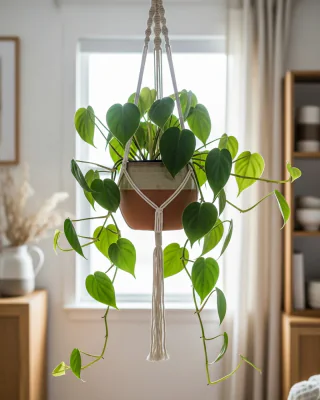
Heartleaf philodendron trails like pothos and takes a dimmer corner. It stays soft and green when a room gets little sun.
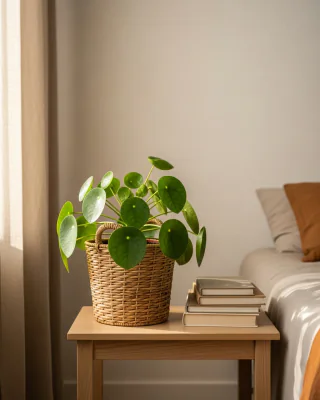
Chinese money plant fits a desk, keeps a tidy round shape and produces offsets around its base that pot up on their own.
Aloe vera works only if you have a bright window and can commit to leaving it alone. It stores water in its leaves and rots quickly in a dark room with a heavy hand on the can.
Leave the ferns, calatheas and peace lilies for a room you sleep in every night. All three drop or crisp within days of drying out and take badly to a heated dorm in January.

Where the plant goes in a small room
Stand at the spot you have in mind and look toward the window. How much open sky you can see from there is roughly the light the plant will get, and a desk in the middle of the room gets far less than it looks.
The sill is the brightest surface you have, so keep it for the plant that needs light most and put the tolerant ones deeper in the room. If the sill sits over a radiator, move the pot onto a shelf beside the window instead.
A shelf or a hook above the desk gets the plant off the only work surface in the room. Trailing species suit that spot, because the stems hang into free air rather than across your keyboard.
Watering in a room you share
Water by the state of the mix rather than on a day of the week. Push a finger an inch or two in, and water only when it is dry down there.
Carry the pot to the bathroom, water it in the sink until it runs out of the bottom, let it drain for a few minutes, then bring it back. That avoids the puddle on a desk and the ring on a wooden sill.
Every pot needs a drainage hole, including the pretty one from the campus store. Without a hole, water collects at the bottom and the roots sit in it. Keep the plant in its nursery pot and drop that into the decorative one.
Leaving the plants over a break
Water thoroughly the day you leave, then move the pots away from the window and away from the radiator. Cooler and dimmer means slower growth and less water used, which is what you want for a month alone.
Group the pots together on the floor rather than leaving them spread around the room. The air between them stays damper and the coldest and hottest spots get avoided.
For a plant that will not last a month, a terracotta spike connected to a water bottle covers a few extra days. It is not a month of care, so choose the species that does not need one.
Take the most demanding plant home with you in the car if the trip is short. Wrap the pot in a bag so the mix stays in it, and keep it out of a freezing trunk overnight.

Moving in and moving out
Buy the plant after you arrive rather than transporting it across the country in August. Small plants are cheap locally and a car trip in summer heat costs more of them than people expect.
Check a new plant over before it joins the others. Look at the leaf undersides and the surface of the mix for two or three weeks, because a pest that arrives in September has all year in a warm room.
At the end of the year, root cuttings in a glass of water a few weeks before you move out. A pothos or spider plant cutting travels flat in a bag and starts the next room off for nothing.
Do not repot in the last month of a term. A plant that has just been moved into fresh mix needs attention, and that is the moment you have least of it.

Related plants
Keep reading
Common questions
What are the best plants for a dorm room?
Golden pothos, snake plant, ZZ plant, spider plant and heartleaf philodendron. All five take moderate light, forgive an irregular watering schedule and survive a break of several weeks without anyone in the room.
What plant survives a dorm room with low light?
ZZ plant and snake plant hold up furthest from a window, and golden pothos and heartleaf philodendron take a dim corner while still growing. None of them lives long with no daylight at all, so a room with permanently closed blinds needs a small grow light.
How do I keep plants alive over winter break?
Water thoroughly on the day you leave, move the pots off the sill and away from the radiator, and group them together on the floor. Choose species that can go a month without water rather than relying on a watering device.
Can I have plants if my dorm has no windowsill?
Yes. Use a shelf or a hook near the window and choose a trailing plant so the stems hang in free air. Check what your housing contract allows you to hang or mount first.
How do I get plants to my dorm without killing them?
Buy locally after you arrive when you can. If a plant travels, wrap the pot so the mix stays in, keep it in the cabin rather than a hot or freezing trunk, and water it once you have set it down.
Are dorm plants a problem for allergies or pets?
Pollen from flowering plants is the part that matters for a roommate with allergies, so foliage plants are the safer choice in a shared room. Whether a species is a concern around an animal is covered in that plant’s own care guide.
Last reviewed: 2026-09-07