


Why rosemary has yellow leaves
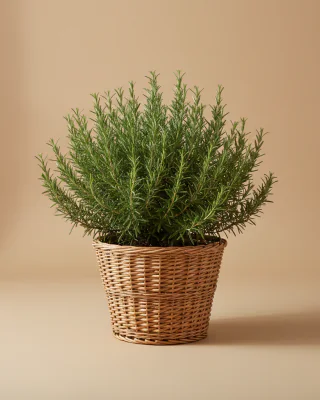
Rosmarinus officinalis
Quick answer
Rosemary yellowing is an observation, not a single cause. Rosmarinus officinalis is the former name for Salvia rosmarinus. A sunny herb bed and an indoor winter pot need different checks.
 Not sure it’s this plant?Check yours with a photo, free
Pet-safe
Which leaves are yellow?
Record whether yellowing affects older lower leaves or new growth, whether foliage is also dry or brown and whether leaves are dropping, spotted or attached to stems that are soft or declining. Color alone does not identify the cause.
Check how wet the medium stays, whether the pot drains freely, the light level, recent movement indoors, cold or warm drafts, root condition, feeding history and the undersides of leaves for mites or other pests.
Possible causes and next checks
Yellow leaves can follow heavy or persistently wet soil and root damage, underwatering or prolonged dryness, insufficient indoor light, cold or winter injury and pest pressure. Outdoor and indoor context can change which check comes first.
Start with the root-zone check: if the medium stays wet, improve drainage and withhold routine watering until normal dry-down. Indoors, review light and temperature before adding fertilizer, and inspect for pests when stippling or webbing is present.
What to watch next
After changing one condition, watch new growth, ongoing leaf drop, the moisture trend and any spreading spots. If stems continue to decline or roots remain compromised, reassess the indoor or outdoor context instead of repeating fertilizer. There is no fixed waiting time.
What yellow leaves cannot tell you
Rosmarinus officinalis is the former name for Salvia rosmarinus, and this page covers both outdoor herb beds and indoor winter pots. Yellow leaves alone do not point to one treatment, so check moisture, light, temperature and pests first.
All rosemary guides
Keep reading
Related plants
Last reviewed: