


Soil for a rosemary
Rosmarinus officinalis

Quick answer
Use a loose, free-draining mix for rosemary rather than soil that stays wet around the roots. Keep the garden bed, patio pot, or indoor pot setting in view.
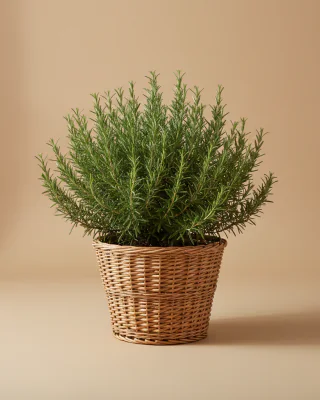
 Not sure it’s this plant?Check yours with a photo, free
Pet-safe
Soil for a rosemary
- 01
Best soil mix
Use a loose, free-draining container mix rather than a dense one that stays wet around rosemary roots. Rosemary grows in soils including sand and loam, and indoors good drainage matters most. There is no set recipe.
Choose a pot with a drainage hole and do not leave rosemary in soggy potting mix. Poor drainage and overwatering lead to root rot, but do not let the mix turn water-repellent or stay dry.
- 02
Match the mix to the pot and setting
Rosemary is also sold as Salvia rosmarinus. It grows in herb gardens, patio pots and indoors over winter, and each of these dries at a different rate, so adjust to where yours grows.
- 03
When soil alone is not the problem
A soil label cannot tell you when to water rosemary. Pot size, light, room temperature, season and root condition affect drying, so check the mix rather than following a set recipe or calendar.
All rosemary guides
Keep reading
Sources4 references
- Royal Botanic Gardens, Kew: Plants of the World OnlineTaxonomy · accepted name · included synonym · native range · cultivation · Name status · synonymy to Salvia rosmarinus
- Royal Horticultural SocietyGetting started · Sun · warmth · free-draining soil · containers · winter protection · Synonyms · Position · Growing Conditions · Pests · Diseases
- University of Maryland Extension / Ask ExtensionExpert Response · indoor rosemary guidance
- Iowa State University Extension and OutreachBest Herbs for Indoors · The Best Growing Conditions for Indoor Herbs
Last reviewed: